
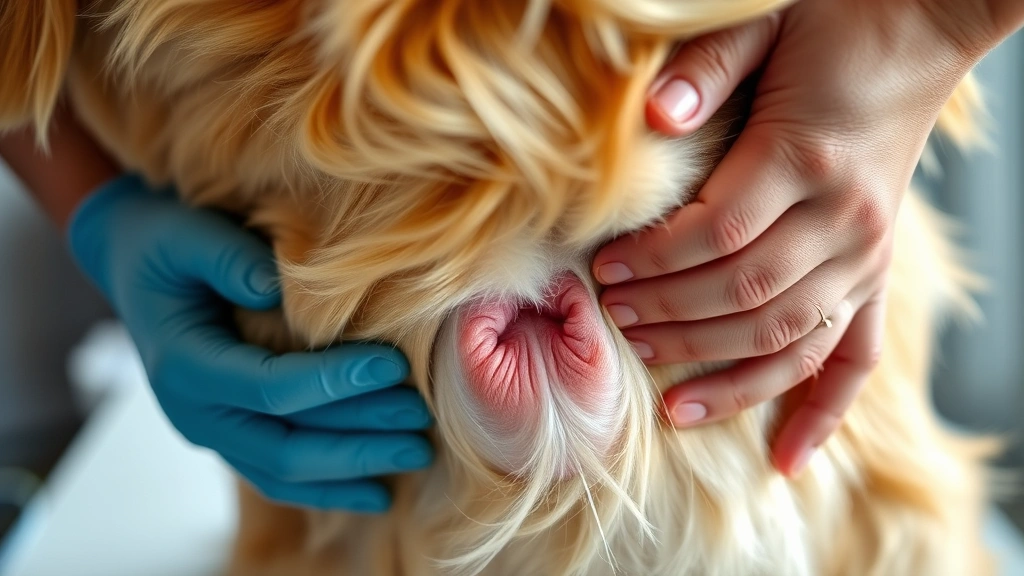
A dog hernia is one of those health issues that can sneak up on you faster than your pup can steal a sandwich off the counter. Whether your furry friend is a rambunctious puppy, a dignified senior, or somewhere in between, understanding what a hernia is and how to spot the warning signs could literally be a lifesaver. Let’s dig into everything you need to know about this common canine condition.
Table of Contents
- What Exactly Is a Dog Hernia?
- Types of Hernias in Dogs: Know Your Enemy
- Early Warning Signs: What to Watch For
- Umbilical Hernias: The Belly Button Problem
- Inguinal Hernias: The Groin Area Issue
- When to Seek Immediate Veterinary Care
- Diagnosis: How Vets Confirm a Hernia
- Treatment Options: From Monitoring to Surgery
- Prevention: Can You Stop Hernias Before They Start?
- Living With Your Dog’s Hernia: Management Tips
- The Financial Reality: Cost Considerations
- Frequently Asked Questions
- Summary: Protecting Your Pup From Hernias
What Exactly Is a Dog Hernia?
Think of a hernia as an unwanted escape artist situation happening inside your dog’s body. A dog hernia occurs when an opening or weakness in the abdominal muscles allows internal organs or fatty tissue to push through and protrude outward. It’s like a tear in a fence that lets something slip through when it shouldn’t. These hernias can appear in various locations on your dog’s body, and they’re more common than you might think. Some dogs are born with them (congenital hernias), while others develop them through injury or strain.
Types of Hernias in Dogs: Know Your Enemy
Not all hernias are created equal, and understanding the different types helps you recognize what you’re dealing with. The most common types include umbilical hernias, which develop near the belly button and are often present from birth. Then there are inguinal hernias, which appear in the groin area and are more common in females. Hiatal hernias are trickier because they occur where the esophagus meets the stomach—you can’t see them from the outside. Diaphragmatic hernias are serious business, involving the muscle that helps your dog breathe. Finally, incisional hernias can develop after surgery if the surgical site doesn’t heal properly. Each type requires different attention and care.
Early Warning Signs: What to Watch For
The first step in catching a canine hernia early is knowing what to look for. A visible bulge or lump is the most obvious sign—it might appear soft and squishy, or firm depending on what’s pushing through. You might notice your dog limping, showing signs of discomfort, or being reluctant to jump or play. Some dogs experience vomiting, loss of appetite, or constipation, especially with hiatal or diaphragmatic hernias. Watch for behavioral changes like excessive panting, lethargy, or sensitivity when you touch certain areas of their body. If your dog suddenly starts acting like they’re in pain during normal activities, that’s your cue to get them checked out.
Umbilical Hernias: The Belly Button Problem
Umbilical hernias are the most common type, and here’s the good news—many are nothing to panic about. These appear as a soft, bulging bump near your dog’s belly button and are often congenital, meaning your pup was born with it. Some umbilical hernias are so small they close on their own as your dog grows. However, if the hernia is large, painful, or if your dog is constantly licking at it, surgical repair might be necessary. The best approach? Schedule a veterinary checkup to determine if your dog’s umbilical hernia needs intervention or if you can simply monitor it over time.
Inguinal Hernias: The Groin Area Issue
Inguinal hernias develop in the groin area and are particularly common in female dogs. This type of hernia can sometimes trap intestines or other organs, which is when things get serious. You might notice swelling in the groin, limping on the hind legs, or your dog showing discomfort when walking or sitting. Unlike umbilical hernias, inguinal hernias rarely close on their own and often require surgical repair to prevent complications. If you spot a bulge in your dog’s groin area, don’t wait—get it evaluated promptly by your veterinarian.
When to Seek Immediate Veterinary Care
Some hernia situations are emergencies that can’t wait for your regular appointment. If your dog’s hernia appears suddenly and is extremely painful, if your dog is vomiting repeatedly, if they seem unable to defecate, or if the hernia area becomes hot, red, or swollen, get to an emergency vet immediately. These signs suggest the hernia might be strangulated, meaning the blood supply to the trapped tissue is cut off. This is a surgical emergency. Additionally, if your dog seems lethargic, has difficulty breathing, or shows signs of shock, don’t delay—call your vet right away. You can also consult with a veterinary professional through pet telehealth services for initial guidance if you’re unsure whether your situation requires emergency care.
Diagnosis: How Vets Confirm a Hernia
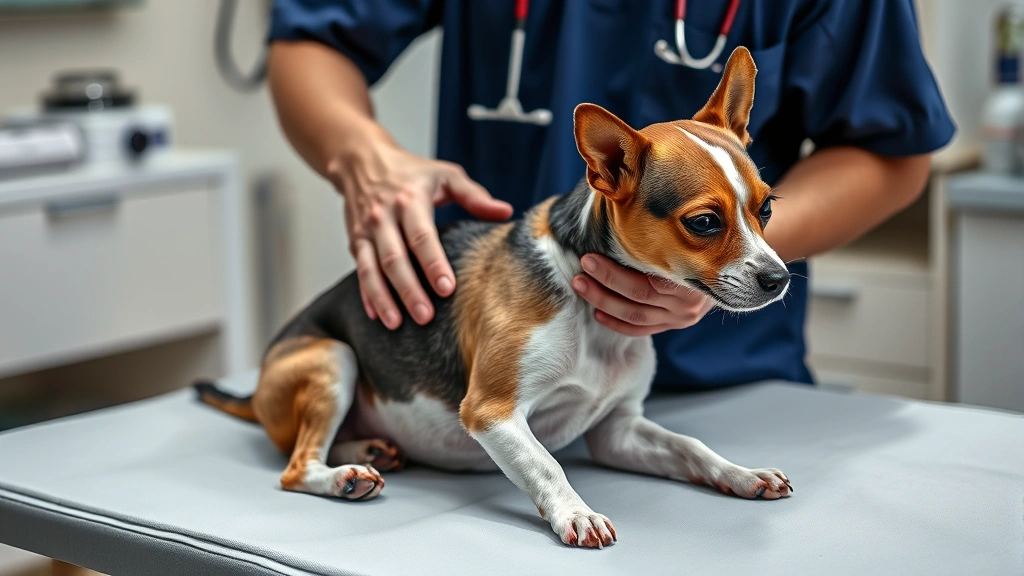
Your veterinarian will start with a physical examination, palpating the area to feel the hernia. For some hernias, this is enough to diagnose. However, for internal hernias like hiatal or diaphragmatic types, your vet will likely recommend imaging. Online pet diagnostics can sometimes help with initial assessment, but X-rays, ultrasounds, or CT scans are often necessary for a definitive diagnosis. These imaging tools help your vet determine exactly what’s protruding through the hernia and whether surgery is necessary. Don’t skip this step—proper diagnosis ensures proper treatment.
Treatment Options: From Monitoring to Surgery
Not every hernia requires surgery, which is why diagnosis is so important. Small, asymptomatic umbilical hernias might just need monitoring over time. However, hernias that are causing pain, growing larger, or containing organs typically need surgical repair. The surgery itself is usually straightforward—your vet will close the opening in the muscle wall, allowing the protruding tissue to return to its proper place. Recovery typically takes a few weeks, during which you’ll need to restrict your dog’s activity and prevent them from licking or bothering the surgical site. Your vet will provide specific post-operative instructions tailored to your dog’s situation.
Prevention: Can You Stop Hernias Before They Start?
While you can’t prevent congenital hernias, you can reduce the risk of acquired hernias by preventing injuries and managing your dog’s weight. Maintain proper nutrition—foods for joint health in pets can support overall muscle and tissue strength. Keep your dog at a healthy weight, as excess weight puts strain on the abdominal muscles. Avoid situations where your dog might experience trauma or injury. If your dog is anxious and prone to excessive straining or self-injury, consider calming foods for anxious pets to help them stay relaxed. After surgery, following your vet’s post-operative care instructions carefully prevents incisional hernias from developing.
Living With Your Dog’s Hernia: Management Tips
If your dog has a hernia that doesn’t require immediate surgery, you’ll need to manage it carefully. Keep your dog calm and avoid activities that might increase abdominal pressure, like jumping or rough play. Monitor the hernia regularly for changes in size, appearance, or your dog’s comfort level. Take photos over time so you can track any progression. Maintain regular veterinary checkups—your vet might recommend telehealth pet nutrition consultation to ensure your dog’s diet supports their overall health and prevents complications. Avoid anything that causes straining, and keep your dog’s weight stable.
The Financial Reality: Cost Considerations
Let’s be honest—hernia surgery isn’t cheap. Depending on the type of hernia, your location, and your veterinary clinic, surgical repair can cost anywhere from $500 to $3,000 or more. Emergency hernia repair costs even more. This is why pet insurance and emergency funds are so valuable for pet owners. If surgery is recommended, don’t hesitate to ask your vet about payment plans or to seek a second opinion. The investment in proper treatment now prevents much more expensive emergency situations down the road.
Frequently Asked Questions
Can a dog hernia heal on its own?
Small umbilical hernias sometimes close naturally as a puppy grows, but most hernias require veterinary intervention. Inguinal, hiatal, and diaphragmatic hernias rarely heal without surgery. Always have your vet assess the hernia to determine if monitoring or surgical repair is necessary.
Is a dog hernia painful?
Not all hernias cause pain—some dogs show no symptoms at all. However, if a hernia is strangulated (cutting off blood supply), it’s extremely painful and requires emergency surgery. Even non-strangulated hernias can cause discomfort, especially during physical activity.
Can a dog exercise with a hernia?
This depends on the type and severity of the hernia. Generally, you should restrict strenuous exercise and jumping until your vet gives the all-clear. Gentle walks are usually fine, but avoid activities that increase abdominal pressure. Always follow your veterinarian’s specific recommendations.
What happens if a dog hernia is left untreated?
Small, stable hernias might not cause immediate problems, but there’s always a risk of strangulation, where the blood supply to trapped tissue is cut off. This becomes a surgical emergency. Additionally, hernias can grow larger over time, causing increasing discomfort and limiting your dog’s quality of life.
How long does hernia surgery recovery take?
Most dogs recover from hernia surgery within 2-4 weeks. During this time, you’ll need to restrict activity, prevent licking at the incision, and follow your vet’s post-operative care instructions carefully. Full healing can take longer, but most dogs return to normal activity within a month.
Summary: Protecting Your Pup From Hernias
A dog hernia might sound scary, but armed with knowledge, you can catch problems early and get your furry friend the care they need. Remember that not all hernias are emergencies, but all hernias deserve veterinary attention. Watch for visible bulges, behavioral changes, and signs of discomfort. Maintain your dog’s health through proper nutrition, weight management, and regular vet checkups. Whether your dog needs monitoring or surgery, the key is staying vigilant and acting quickly if things change. Your dog depends on you to be their health advocate, and understanding hernias is an important part of that responsibility. When in doubt, reach out to your veterinarian—they’re your best resource for keeping your pup healthy and happy.





