
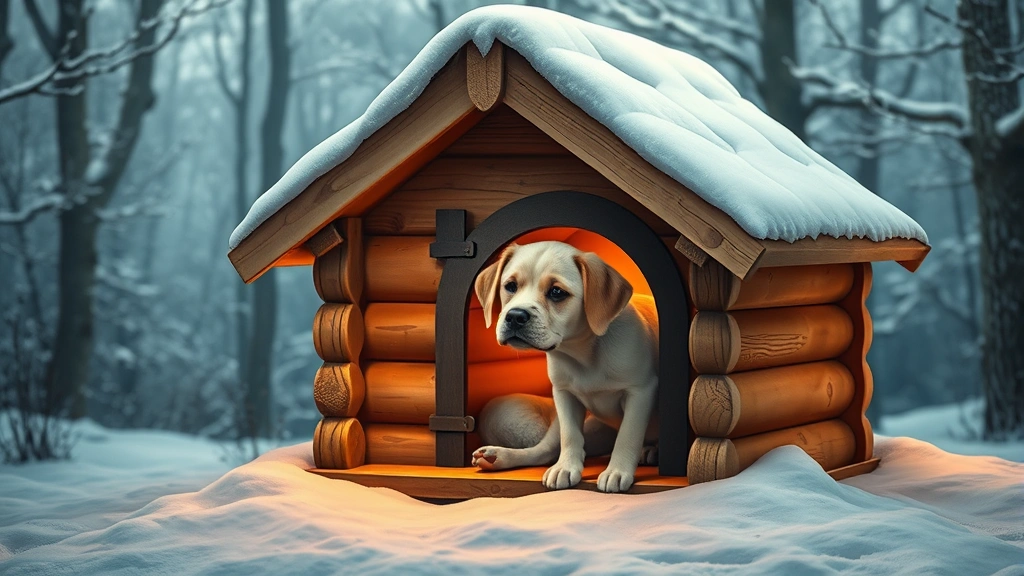
A dog house heater is basically a lifesaver when winter rolls around and your furry friend refuses to come inside. If you’ve got an outdoor pup who’s stubborn about leaving their kingdom, or a working dog who needs shelter in freezing temps, investing in proper heating can mean the difference between a cozy canine and a miserable one.
Table of Contents
- Why Your Dog Needs a Dog House Heater
- Types of Dog House Heating Solutions
- The Best Dog House Heater Options
- Installation Tips for Dog House Heaters
- Safety Considerations You Can’t Ignore
- Budget-Friendly Alternatives
- Maintenance and Seasonal Care
- Signs Your Dog Needs Better Heating
- Choosing the Right Heater for Your Dog
- Professional Recommendations
- Summary: Keeping Your Pup Toasty
- Frequently Asked Questions
Why Your Dog Needs a Dog House Heater
Look, dogs have fur, but that doesn’t make them immune to frostbite and hypothermia. Small breeds, senior dogs, and those with thin coats are especially vulnerable. A quality dog house heater maintains a safe temperature inside the shelter, preventing dangerous health conditions. Plus, a warm doggo is a happy doggo who actually wants to use their house instead of shivering on your porch at 2 AM.
Cold weather affects dogs differently depending on breed, age, and coat type. Short-haired breeds like Greyhounds and Pit Bulls struggle more than fluffy Huskies. Even cold-weather breeds appreciate extra warmth when temperatures drop below freezing.
Types of Dog House Heating Solutions
Before we dive into specific products, let’s talk heating options. You’ve got several paths forward: electric heaters, heated beds, heat lamps, and insulated dog houses with built-in warmth. Some folks use a combination approach—like pairing an insulated house with a heated pad for maximum coziness. Consider your climate, your dog’s needs, and your budget when choosing.
Electric options are most common and reliable, but they require outdoor outlets or heavy-duty extension cords. Solar heaters exist too, though they’re less effective in consistently cloudy regions. The best approach? Layer your defenses with proper insulation plus active heating.
The Best Dog House Heater Options
Here are five solid choices that actually work without turning your electric bill into a horror movie:
1. Heated Dog Bed with Thermostat Control
These bad boys plug in and maintain a consistent temperature. Look for models with chew-proof cords and waterproof covers. They’re perfect for inside a regular dog house and give you precise temperature control. Most run between 40-100 watts, so they won’t bankrupt you on electricity.
2. Radiant Heat Lamp System
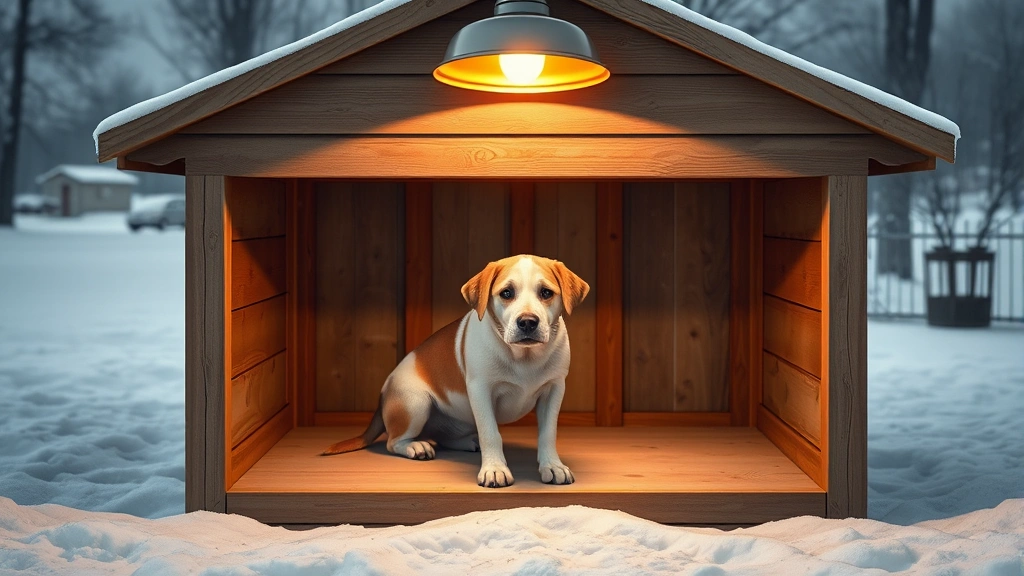
Heat lamps mimic the sun’s warmth and create a focal point of comfort. They work great in larger dog houses and can be adjusted for height to control intensity. Just make sure the lamp is protected so your dog can’t knock it over or get burned. This option works particularly well for outdoor kennels.
3. Insulated Dog House with Built-In Heater
These premium options come pre-insulated with heating elements already installed. They’re pricier upfront but eliminate guesswork. Brands vary in quality, so read reviews carefully. An insulated structure reduces heating needs significantly, lowering your energy costs long-term.
4. Heated Dog Pad (Battery or Plug-In)
Simple, effective, and affordable. These pads generate warmth without electricity in some models (using chemical reactions) or plug in for consistent heat. They’re portable, easy to clean, and work in any dog house style. Battery-operated versions are great for areas without outdoor outlets.
5. Combination Insulation and Heat Lamp Setup
The gold standard: pair a well-insulated dog house with a heat lamp overhead. This combination provides passive insulation benefits plus active heating. It’s overkill for mild winters but essential in harsh climates. Your pup gets maximum comfort and safety.
Installation Tips for Dog House Heaters
Location matters big time. Position your dog house in a sheltered spot away from wind and direct water runoff. Elevate it slightly off the ground for drainage and airflow underneath. If using electrical heating, run cords through conduit to protect against chewing and weather damage.
Ensure proper ventilation—yes, even with heating. A completely sealed house can trap moisture and create mold issues. Small vents near the top allow air circulation while minimizing heat loss. Your pup needs fresh air even in winter.
Check connections regularly, especially after storms. Ice and water damage can create safety hazards with electrical equipment. Consider a GFCI outlet for any outdoor electrical setup—it’s a non-negotiable safety feature.
Safety Considerations You Can’t Ignore
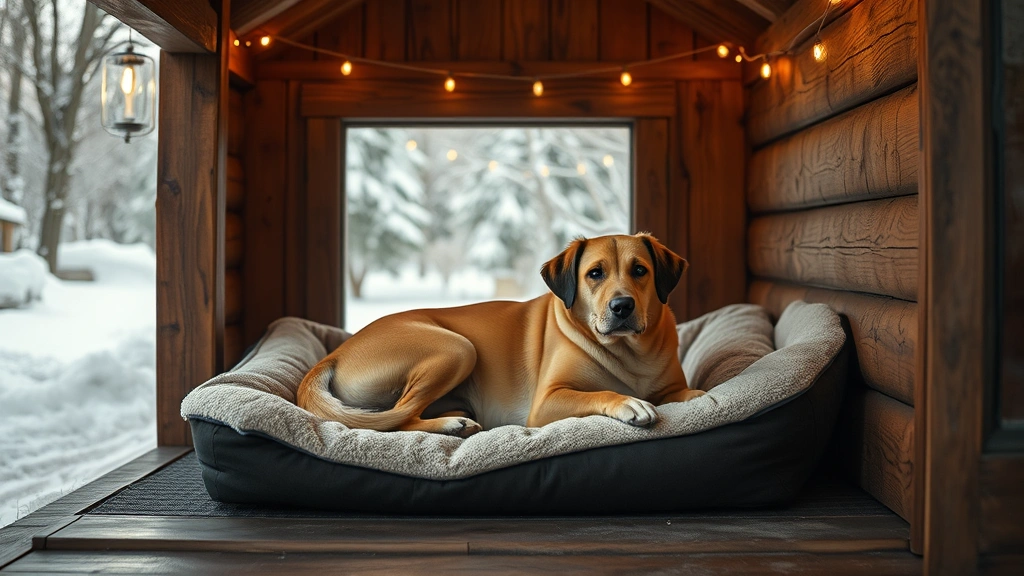
Never use space heaters designed for humans in a dog house. They’re fire hazards and can overheat quickly in small spaces. Always choose pet-specific heating products tested for safety. Look for automatic shutoff features and temperature regulation.
Monitor your dog for signs of overheating even in winter. Yes, it happens. Excessive panting, drooling, or lethargy near a heat source means you need to adjust settings. Also check your dog regularly during cold snaps—make sure they’re actually using the heated shelter and not avoiding it.
Waterproofing is critical. Moisture and electricity don’t mix. Use weatherproof covers and ensure all connections are sealed. Replace any damaged cords immediately.
Budget-Friendly Alternatives
Can’t afford a fancy dog house heater? Try these budget options: straw bedding (it’s insulating and cheap), reflective tarps to block wind, or even a simple wooden structure with thick walls. Layer blankets and replace them when wet. Some people use old sleeping bags or donated blankets.
DIY enthusiasts build insulated houses from recycled materials. Styrofoam insulation, plywood, and some basic tools can create an effective shelter for under $50. It won’t win design awards, but your dog won’t care.
If you’re concerned about waste, check out our guide on zero waste pet care for sustainable heating solutions and eco-friendly alternatives.
Maintenance and Seasonal Care
Clean your heater regularly to prevent dust buildup and fire hazards. Inspect cords for damage before each winter season. Test the heating system on a cold day to confirm it’s working before relying on it during extreme cold.
In spring, store electrical heaters in a dry location. Don’t leave them exposed to summer heat and moisture. Clean and dry all bedding before storage too. Proper maintenance extends equipment life and ensures safety year after year.
For those interested in sustainable pet products, explore our compostable pet products guide for eco-conscious heating solutions and accessories.
Signs Your Dog Needs Better Heating
If your dog shivers, refuses to go outside, or shows signs of frostbite (pale or blue-tinted ears and paws), your current setup isn’t cutting it. Some dogs become anxious in cold weather or develop behavioral issues. These are red flags that heating improvements are necessary.
Senior dogs and puppies struggle more with temperature regulation. If your older pup is spending more time indoors or seems uncomfortable, upgrading heating should be a priority. Similarly, newly weaned puppies lack the body fat reserves to handle cold efficiently.
Choosing the Right Heater for Your Dog
Consider your dog’s size, breed, age, and health status. A Chihuahua needs different heating than a Saint Bernard. Your climate zone matters too—what works in mild winters might fail during harsh cold snaps. Think about your outdoor setup: do you have access to electricity? How much space are we heating?
Read customer reviews from people in similar climates. Their real-world experiences beat marketing claims every time. Check warranty information and return policies. A good dog house heater should last multiple seasons without issues.
If you’re building a complete outdoor setup, consider pairing heating with other essentials. Our article on collapsible dog crates discusses portable shelter options that work alongside heating systems.
Professional Recommendations
According to the American Kennel Club, dogs should never be left outside in temperatures below 45°F for extended periods. Below 32°F, risk increases significantly. The PetMD veterinary team recommends bringing dogs inside during extreme cold, but recognizes that some working and outdoor dogs need shelter solutions.
University veterinary programs emphasize that proper housing with temperature control is essential for outdoor dog welfare. Your dog’s safety depends on adequate shelter, especially in winter months.
Summary: Keeping Your Pup Toasty
A dog house heater isn’t a luxury—it’s a necessity for outdoor dogs in cold climates. Whether you choose a heated bed, heat lamp, or insulated house with built-in heating, prioritize safety and proper installation. Combine heating with insulation for maximum effectiveness and minimum energy waste.
Check on your dog regularly during cold weather. Make sure they’re using the heated shelter and showing no signs of distress. With the right setup, your furry friend can stay warm, safe, and happy all winter long. No frozen puppy paws on your watch.
Frequently Asked Questions
Is it safe to use a human space heater in a dog house?
Absolutely not. Human space heaters are fire hazards in enclosed dog houses and can overheat dangerously. Always use pet-specific heating products designed for safety in small spaces. These have proper temperature controls and automatic shutoffs that human heaters lack.
How much does it cost to run a dog house heater?
Most pet-specific heaters use 40-100 watts. Running a 75-watt heater continuously costs roughly $5-8 per month in electricity, depending on your local rates. Using a thermostat-controlled heater reduces costs since it cycles on and off rather than running constantly.
Can I leave a dog house heater on all night?
Yes, if it’s a quality pet-specific heater with proper safety features. Thermostat-controlled models are ideal because they maintain temperature without overheating. Always ensure proper ventilation and check the heater regularly for damage or malfunction.
What’s the ideal temperature for a dog house?
Most dogs are comfortable between 50-85°F. For outdoor dogs in winter, aim for a minimum of 45°F inside the shelter. Puppies, seniors, and small breeds need warmer conditions. Monitor your individual dog’s comfort and adjust accordingly.
Do all dogs need heated dog houses?
Not all dogs. Breeds with thick coats like Huskies and Malamutes handle cold better. However, small breeds, short-haired dogs, seniors, and puppies definitely benefit from heating. Consider your dog’s breed, age, and health when deciding.
How do I winterize a dog house without electricity?
Use thick straw bedding (replace when wet), insulating materials like Styrofoam, reflective tarps to block wind, and elevated flooring for drainage. Layer blankets and check them daily. This passive approach works for mild winters but may be insufficient in harsh climates.





