

A dog ice cream recipe is the perfect way to cool down your furry friend on hot summer days while keeping them happy and healthy. Unlike store-bought treats loaded with sugar and artificial ingredients, homemade frozen dog treats let you control exactly what goes into your pup’s mouth. Whether your dog is a picky eater or a treat-obsessed goofball, we’ve got five ridiculously easy recipes that’ll make you the hero of dog park season.
Table of Contents
- Why Make Homemade Dog Ice Cream Instead of Buying It?
- Essential Ingredients for Your Frozen Dog Treat Base
- Recipe #1: The Classic Peanut Butter Pup Popsicle
- Recipe #2: The Tropical Fruit Fusion
- Recipe #3: The Pumpkin Pie Dream
- Recipe #4: The Beef Broth Savory Sensation
- Recipe #5: The Watermelon Refresher
- Foods to NEVER Put in Your Dog’s Ice Cream
- Storage Tips and Serving Suggestions
- Customizing Recipes for Your Dog’s Specific Needs
- Why Your Dog Deserves Homemade Frozen Treats
- Frequently Asked Questions
- Conclusion: Your Dog’s New Favorite Summer Treat
Why Make Homemade Dog Ice Cream Instead of Buying It?
Look, we get it—buying pre-made dog treats seems easier. But here’s the thing: most commercial frozen dog treats are packed with unnecessary additives, excess sugar, and ingredients that honestly sound like they belong in a chemistry lab, not your dog’s belly. When you make your own DIY pet treats, you know exactly what’s going in. Plus, it’s cheaper, takes about five minutes, and your dog will think you’re basically a culinary genius.
Homemade frozen dog treats are also customizable for dogs with allergies or sensitivities. Got a pup with a sensitive stomach? No problem. Allergic to chicken? We’ve got beef and fish options. It’s basically the Netflix of dog treats—something for everyone.
Essential Ingredients for Your Frozen Dog Treat Base
Before we dive into specific recipes, let’s talk about what makes a solid foundation for any frozen dog treat recipe. The base is crucial because it determines the texture and whether your pup will actually enjoy eating it.
Greek Yogurt: This is the MVP of dog ice cream recipes. It’s packed with probiotics, protein, and calcium. Plus, it freezes beautifully and gives that creamy texture dogs love. Always use plain, unsweetened yogurt—no xylitol, which is toxic to dogs.
Peanut Butter: The classic choice. Make sure it’s xylitol-free (seriously, check the label). Dogs go absolutely bonkers for this stuff.
Pumpkin Puree: Not just for fall! Pumpkin is gentle on the digestive system and adds natural sweetness. It’s a game-changer for dogs with tummy troubles.
Bone Broth: If you want to get fancy, bone broth recipes for pets create savory frozen treats that feel more like a meal. Rich in collagen and flavor, it’s a winner.
Coconut Oil: A tiny bit helps with coat health and makes treats extra creamy. Just use sparingly since it’s calorie-dense.
Recipe #1: The Classic Peanut Butter Pup Popsicle
This is the gateway drug to homemade dog ice cream. Seriously, if your dog has never had a frozen treat before, start here.
Ingredients:
- 1 cup plain Greek yogurt
- ½ cup peanut butter (xylitol-free!)
- 2 tablespoons honey (optional, but dogs love it)
- 1 tablespoon coconut oil
Instructions:
- Mix all ingredients in a blender until smooth. If it’s too thick, add a splash of water.
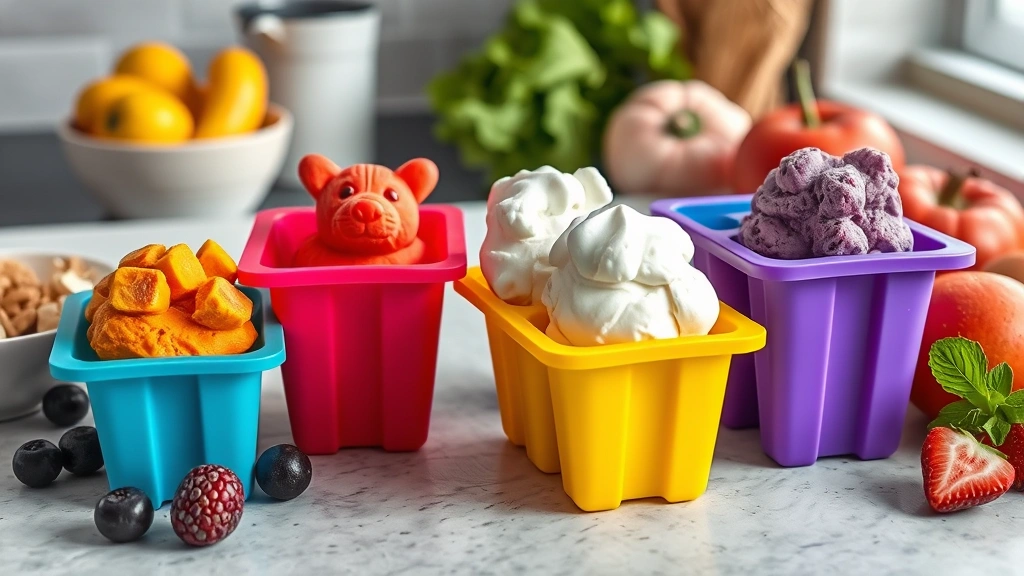
- Pour into silicone molds or ice cube trays.
- Freeze for at least 4 hours, preferably overnight.
- Pop them out and watch your dog’s face light up.
Pro tip: If you don’t have molds, use small paper cups and stick a popsicle stick in each one. It’s rustic and adorable.
Recipe #2: The Tropical Fruit Fusion
For the health-conscious pup parent who wants their dog eating like they’re on a beach vacation. This one’s packed with vitamins and natural sweetness.
Ingredients:
- 1 cup plain Greek yogurt
- ½ banana, mashed
- ¼ cup blueberries
- ¼ cup diced mango (no pit!)
- 1 tablespoon honey
Instructions:
- Blend everything together until you reach a smooth consistency.
- Pour into molds.
- Freeze for 4-6 hours.
Before you go crazy with fruit, check our guide on can dogs eat fruits to make sure you’re picking dog-safe options. Some fruits are no-nos, and you’ll want to know which ones.
Recipe #3: The Pumpkin Pie Dream
If your dog has digestive issues or you just want to feel like fall year-round, this recipe is your jam. It’s basically pumpkin pie without the crust and sugar overload.
Ingredients:
- 1 cup plain Greek yogurt
- ¾ cup pure pumpkin puree (not pie filling)
- 1 tablespoon peanut butter
- ½ teaspoon cinnamon
- 1 tablespoon honey
Instructions:
- Combine all ingredients and stir until well mixed.
- Pour into molds.
- Freeze for 4-5 hours.
This one’s particularly great for senior dogs or those recovering from tummy troubles. Pumpkin is basically nature’s digestive reset button.
Recipe #4: The Beef Broth Savory Sensation
Not every dog wants sweet treats. Some pups are savory enthusiasts, and this recipe is for them. It’s like a frozen beef bouillon cube your dog can actually enjoy.
Ingredients:
- 1 cup plain Greek yogurt
- ½ cup low-sodium beef broth
- ¼ cup finely diced cooked chicken or beef
- 1 tablespoon bone broth powder (optional)
Instructions:
- Mix yogurt and broth together.
- Stir in the meat.
- Pour into molds.
- Freeze for 4-6 hours.
This is the treat that’ll make your dog think you’re the best pet parent ever. It’s basically a frozen steak dinner.
Recipe #5: The Watermelon Refresher
Summer’s hottest day? This recipe is your lifesaver. Watermelon is hydrating, low-calorie, and dogs absolutely love it.
Ingredients:
- 1 cup plain Greek yogurt
- 1 cup seedless watermelon, diced small
- 2 tablespoons honey
- Splash of coconut water (optional)
Instructions:
- Blend watermelon until mostly smooth (small chunks are fine).
- Mix with yogurt and honey.
- Pour into molds.
- Freeze for 4-5 hours.
This one’s perfect for dogs that overheat easily or just need something super refreshing. It’s like a spa day for your pup’s taste buds.
Foods to NEVER Put in Your Dog’s Ice Cream
Before you get creative, let’s talk about what absolutely cannot go into your homemade dog ice cream. Some human foods are straight-up toxic to dogs, and frozen treats are no exception.
Xylitol: This artificial sweetener is in tons of peanut butters and sugar-free products. It’s extremely toxic to dogs and can cause liver damage and hypoglycemia. Always check labels.
Chocolate: We all know this one, but it’s worth repeating. Theobromine in chocolate is poisonous to dogs. No exceptions.
Grapes and Raisins: These are mysteriously toxic to dogs and can cause kidney failure. Avoid them entirely.
Macadamia Nuts: These cause weakness, vomiting, and tremors in dogs. Not worth the risk.
Avocado: Contains persin, which can upset your dog’s stomach. Skip it.
For a comprehensive list, check out our article on harmful foods for dogs. Seriously, bookmark it.
Storage Tips and Serving Suggestions
You’ve made these amazing frozen dog treats—now let’s make sure they stay fresh and safe.
Storage: Keep frozen treats in an airtight container in your freezer for up to 2 months. They won’t go bad quickly since they’re mostly yogurt and fruit, but they do absorb freezer odors if left exposed.
Serving Size: A good rule of thumb is that treats should make up no more than 10% of your dog’s daily caloric intake. For most dogs, that’s 1-2 frozen treats per day. Check our guide on low-calorie human foods for pets to understand portion control better.
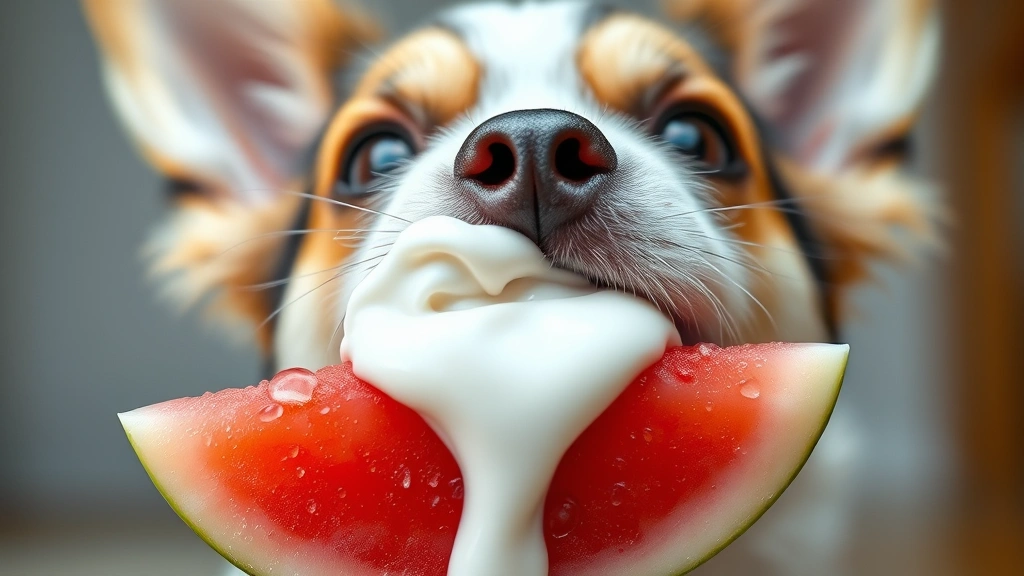
Thawing: You don’t need to thaw these before serving. Let your dog enjoy them straight from the freezer. It’s actually better because they’ll last longer and be more refreshing.
Serving Method: For puppies and senior dogs with sensitive teeth, let them thaw for a minute or two. For adult dogs? Straight frozen is the way to go.
Customizing Recipes for Your Dog’s Specific Needs
Every dog is unique, and your frozen treats should reflect that. Here’s how to adapt these recipes for your pup’s specific situation.
For Weight Management: Skip the honey and coconut oil. Stick with plain yogurt, pumpkin, and lean proteins. Your dog gets the treat experience without the extra calories.
For Sensitive Stomachs: Go heavy on the pumpkin and bone broth. These are gut-friendly ingredients that won’t cause digestive upset. Avoid fruit unless your dog tolerates it well.
For Picky Eaters: Start with the peanut butter recipe. It’s basically impossible for a dog to resist. Once they’re hooked on frozen treats, you can experiment with other flavors.
For Allergic Pups: This is where homemade treats shine. If your dog is allergic to chicken, make beef versions. Allergic to dairy? Use coconut yogurt or cashew cream instead. The possibilities are endless.
Looking for more inspiration? Check out our organic treat recipes for pets for additional ideas and variations.
Why Your Dog Deserves Homemade Frozen Treats
Listen, your dog gives you unconditional love every single day. They’re excited to see you when you get home from work, they comfort you when you’re sad, and they think you’re basically a celebrity. The least you can do is make them a frozen treat that’s actually good for them.
Homemade dog ice cream isn’t just about the treat itself—it’s about showing your pup that you care enough to put in a tiny bit of effort. Plus, let’s be honest, watching your dog’s face when they get a frozen popsicle is pure joy. It’s worth every minute.
Frequently Asked Questions
Can I use regular ice cream for my dog?
No, absolutely not. Regular ice cream is loaded with sugar, lactose, and sometimes xylitol (which is toxic to dogs). Stick with yogurt-based recipes or specially formulated dog ice cream alternatives.
How long do homemade dog ice cream treats last in the freezer?
They’ll stay fresh for up to 2 months in an airtight container. After that, they might develop freezer burn or absorb odd flavors, but they’re still technically safe to eat.
Can puppies eat frozen dog treats?
Yes, but in smaller portions. Puppies have sensitive teeth and stomachs, so let treats thaw slightly before serving. Start with small amounts to make sure their digestive system handles it well.
What’s the best mold to use for dog ice cream?
Silicone molds are ideal because they’re easy to clean and the treats pop out effortlessly. Ice cube trays work great too. Avoid anything with small parts that could be choking hazards.
Can I add protein powder to these recipes?
Yes, plain, unflavored protein powder (especially collagen or bone broth powder) is a great addition. It adds extra protein and nutrients. Just make sure there’s no xylitol or artificial sweeteners in it.
Are these treats suitable for senior dogs?
Absolutely. In fact, frozen treats are great for senior dogs because they’re soft and easy to eat. The pumpkin and bone broth recipes are particularly good for older pups with digestive sensitivities.
Conclusion: Your Dog’s New Favorite Summer Treat
Making a dog ice cream recipe at home is easier than you think, and your pup will love you even more for it. Whether you go with the classic peanut butter popsicle, the tropical fruit fusion, or the savory beef broth sensation, you’re giving your dog a treat that’s actually good for them. No artificial ingredients, no mystery additives, just pure frozen goodness.
These five recipes are just the starting point. Once you get comfortable making frozen treats, experiment with different combinations. Try different fruits (that are safe for dogs), mix in different proteins, or create seasonal flavors. Your dog will be the envy of the neighborhood, and you’ll feel like a pet parent rockstar.
So grab your blender, gather your ingredients, and start making some frozen magic. Your dog is going to thank you in the best way possible—by going absolutely bonkers every time you pull out the treat container. Now that’s what we call a win-win.





