
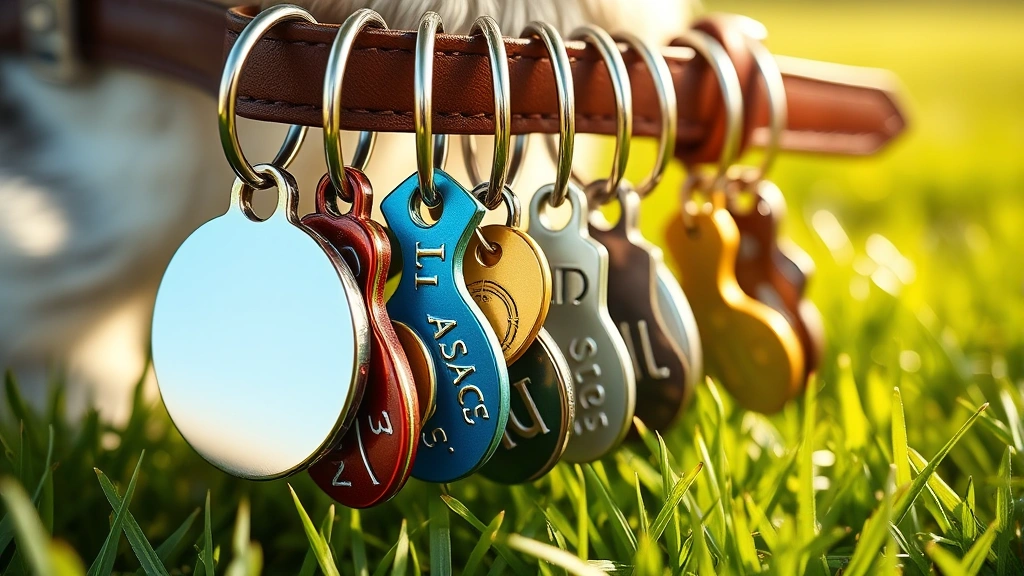
When your furry best friend bolts out the door or gets spooked during a thunderstorm, dog id tags are literally the difference between a happy reunion and a heartbreaking lost pet poster. These tiny lifelines have saved countless dogs from becoming permanent strays, yet so many pet parents still treat them as an afterthought. Let’s talk about why your pup absolutely needs quality identification and which options won’t let you down.
Table of Contents
- Why Dog ID Tags Are Non-Negotiable
- Engraved Metal Tags: The Classic Choice
- Silicone Tags: Quiet and Colorful
- Smart GPS Tags: Technology Meets Pet Safety
- Personalized Photo Tags: Show Off Your Pup
- Combo Tags: Belt and Suspenders Approach
- The Best Practices for Dog ID Tag Success
- Microchips and ID Tags: The Dynamic Duo
- Common Mistakes to Avoid
- Making the Right Choice for Your Dog
- Frequently Asked Questions
- Final Thoughts: Protect Your Best Friend
Why Dog ID Tags Are Non-Negotiable
Look, I get it. Your dog is microchipped, trained, and basically a canine genius. But here’s the reality: microchips require a vet visit to scan, and not every person who finds your dog will think to take them to a clinic. A good dog id tag hanging from your pup’s collar is instant, visible identification that any well-meaning stranger can read in seconds. It’s the fastest way to get your contact information directly into someone’s hands.
According to research from the American Kennel Club, dogs with ID tags are returned to their owners significantly more often than those without. The tag doesn’t need to be fancy—it just needs to work. Your dog’s name, your phone number, and ideally a backup contact should be clearly visible and easy to read.
Engraved Metal Tags: The Classic Choice
Traditional engraved metal tags have been keeping dogs safe for decades, and they’re still one of the most reliable options. Stainless steel tags resist rust and corrosion, which matters if your pup is a water dog or lives in humid climates. The text is permanently engraved, so it won’t fade or wear off after a few months.
The downside? They can jingle and jangle like tiny bells, which some owners find annoying during training sessions. They’re also prone to getting bent or damaged if your dog is particularly rough-and-tumble. But for the price point and durability, engraved metal tags remain a solid choice for pet identification.
Silicone Tags: Quiet and Colorful
If those jingling tags drive you bonkers, silicone options offer a quieter alternative. These flexible, rubber-like tags come in virtually every color imaginable, so you can match your pup’s personality or your aesthetic preferences. They’re lightweight, durable, and won’t damage your furniture if your dog jumps on the couch.
The trade-off is that silicone tags can wear out faster than metal, especially if your dog chews on them (yes, some dogs do this). The engraving can become harder to read over time with heavy wear. They’re great for active dogs and puppies, but you might need to replace them more frequently than metal alternatives.
Smart GPS Tags: Technology Meets Pet Safety
Welcome to the future of dog id tags. Smart GPS tags combine real-time location tracking with traditional identification. Brands like Apple AirTag and Tile have become increasingly popular for pet owners who want to know exactly where their dog is at all times.
These high-tech options work through your smartphone and can send you alerts if your pup wanders outside a designated safe zone. Some models offer monthly subscription services with additional features. The catch? They’re more expensive upfront, require charging, and can be bulkier than traditional tags. But if your dog is an escape artist or you live near busy roads, the peace of mind might be worth every penny.
Personalized Photo Tags: Show Off Your Pup
Want your dog’s ID tag to be as unique as they are? Personalized photo tags let you engrave a custom image alongside contact information. These are particularly popular for multi-pet households where each dog has their own distinctive tag.
The quality varies depending on the manufacturer, and photo clarity can degrade over time with exposure to weather and wear. But they’re undeniably charming and make your dog’s identification truly one-of-a-kind. Just make sure the contact information is still clearly readable—cuteness shouldn’t compromise function.

Combo Tags: Belt and Suspenders Approach
Some pet parents go all-in with combination tags that include both traditional engraving and QR codes. Scan the QR code, and it pulls up your dog’s profile with medical information, vaccination records, and emergency contacts. This approach gives you multiple identification layers and is particularly useful if your dog has special medical needs or allergies.
These combo tags cost more than basic options but offer comprehensive identification and medical information access. They’re excellent for dogs with health conditions that rescuers or veterinarians should know about immediately. Consider pairing these with a quality coach dog collar for a complete safety setup.
The Best Practices for Dog ID Tag Success
Having a tag is only half the battle. Make sure your contact information is current—seriously, update it if you change phone numbers or move addresses. Include at least two contact numbers if possible, because the first person who finds your dog might not reach you immediately.
Keep your dog’s tag on at all times, even indoors. Accidents happen, and doors get left open. Attach the tag securely to the collar using a split ring or tag holder that won’t easily detach. Check periodically that the tag is still readable and the attachment is secure.
Pro tip: Consider getting your dog a collapsible dog crate for safe travel. If your pup escapes during a trip, having proper identification becomes even more critical in unfamiliar territory.
Microchips and ID Tags: The Dynamic Duo
Here’s the thing about microchips versus tags: they’re not competing—they’re complementary. A microchip is fantastic, but it only helps if someone takes your dog to a vet or shelter to scan it. According to PetMD, a visible ID tag is often the first and fastest way a lost dog gets reunited with their owner.
The ideal setup includes both a microchip and a visible ID tag. The tag gets your dog home quickly, while the microchip serves as backup identification if the tag gets lost. Many shelters now scan for microchips automatically, so you’re covered either way.
Common Mistakes to Avoid
Don’t put just your address on the tag—include your phone number prominently. Someone finding your dog might not want to visit your house, but they’ll call you in a heartbeat. Avoid tags that are too small to read easily; your dog’s safety depends on legibility.
Skip the cute tags that obscure important information. Yes, a tag shaped like a bone is adorable, but if the text is impossible to read, it’s useless. Also, don’t rely solely on tags without a secure attachment method. A tag that falls off during a struggle is worthless.
Making the Right Choice for Your Dog
The best dog id tag for your pup depends on your lifestyle, budget, and your dog’s specific needs. Active outdoor dogs might benefit from durable metal tags, while anxious dogs in urban environments could use GPS tracking. Multi-pet households might prefer photo tags for easy identification.
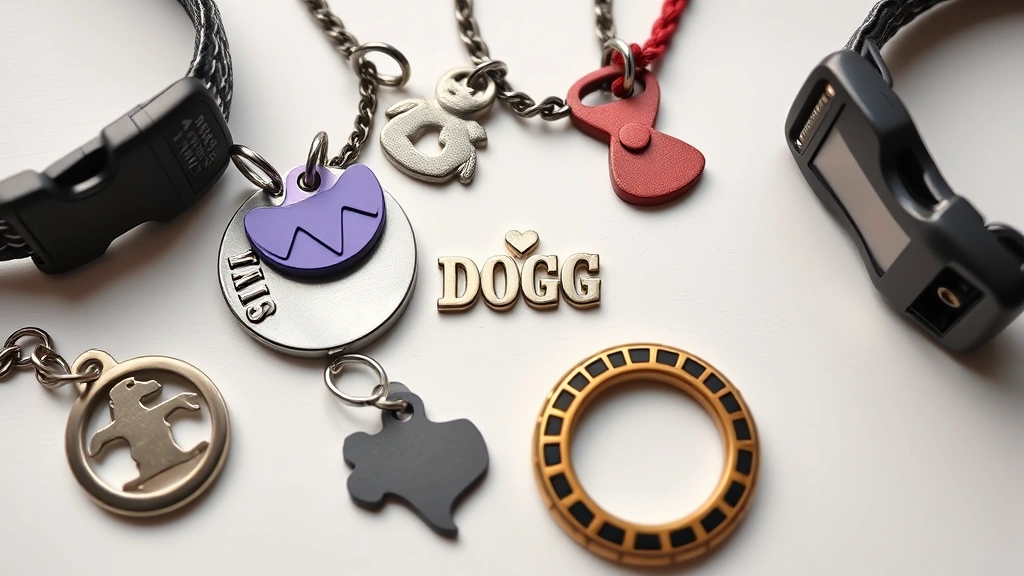
Consider your dog’s size too—tiny tags on a large dog might be hard to read, while oversized tags could be uncomfortable for small breeds. Most quality tags cost between $10 and $50, which is minimal compared to the potential cost of losing your pet.
Frequently Asked Questions
How often should I replace my dog’s ID tag?
Check your dog’s tag regularly for readability. Replace it if the engraving becomes difficult to read or if the tag shows signs of damage. Most quality metal tags last 2-3 years with normal wear, while silicone tags might need replacement annually.
Can I use a tag with just my name instead of my phone number?
Absolutely not. Your phone number is essential. Someone finding your dog needs to reach you immediately, not try to track you down through a phone book. Always include at least one reliable phone number.
Do I still need a tag if my dog is microchipped?
Yes. While microchips are important backup identification, tags are faster and more visible. Many lost dogs are reunited within hours because of tags, before anyone thinks to scan for a microchip.
What information should be on my dog’s ID tag?
At minimum: your dog’s name, your phone number, and your city. If you have space, add a second contact number. Some people include “Reward if Found” to encourage someone to make the call.
Are GPS tags worth the investment?
For dogs prone to escaping or living in high-risk areas, GPS tags are worth considering. For typical indoor dogs with secure yards, traditional tags are usually sufficient. Evaluate your dog’s risk factors before deciding.
Final Thoughts: Protect Your Best Friend
Your dog is more than a pet—they’re family. Investing in proper identification is one of the easiest ways to protect them. Whether you choose classic metal tags, modern GPS trackers, or a combination approach, the important thing is that your pup has visible, current identification at all times.
Don’t wait for a close call to think about tags. Get your dog identified today, keep the information updated, and sleep better knowing you’ve done everything possible to bring them home if they ever get lost. Your furry best friend is counting on you.
And remember, proper identification is just one part of responsible pet ownership. Make sure you’re also aware of what not to feed your dog and know where the nearest emergency vet for food poisoning is located in your area.





