

Your dog in heat is entering one of the most important biological phases of her life, and honestly, it can be pretty confusing if you’re a first-time dog parent. Whether your female pup is approaching her first estrus cycle or you’re just trying to understand what’s happening with your furry friend, this guide breaks down everything you need to know about canine reproduction, what to expect, and how to keep your girl safe and comfortable during this time.
Table of Contents
- What Does It Mean When a Dog is in Heat?
- The Four Stages of the Estrus Cycle Explained
- Recognizing the Signs Your Dog is in Heat
- Health Considerations During the Estrus Cycle
- Managing Your Dog in Heat at Home
- Spaying: The Permanent Solution
- Breeding Considerations and Responsibilities
- Emergency Situations and When to Call Your Vet
- Nutrition and Care During the Heat Cycle
- Frequently Asked Questions
- Summary: Managing Your Dog in Heat Successfully
What Does It Mean When a Dog is in Heat?
When we talk about a dog in heat, we’re referring to the estrus cycle—the period when a female dog’s body is preparing for potential pregnancy. This is her fertile window, and it’s driven by hormonal changes that affect her behavior, body, and mood. Unlike humans, dogs don’t menstruate continuously; instead, they experience distinct cycles that typically happen once or twice per year, depending on the breed and individual dog.
The estrus cycle is completely natural and healthy. It’s your dog’s reproductive system doing exactly what evolution designed it to do. However, it does come with some challenges for pet owners, which is why understanding the process is so important.
The Four Stages of the Estrus Cycle Explained
A dog in heat goes through four distinct phases, and each one has different characteristics. Let’s break them down:
Proestrus (7-10 days): This is the opening act. Your dog’s vulva will swell, and you might notice a bloody or straw-colored discharge. She’s not quite ready to breed yet, but male dogs will absolutely know something’s up. Her hormones are ramping up, and she might act a bit moody or clingy.
Estrus (5-14 days): Now we’re in the main event. The discharge becomes lighter and more watery, and your dog is fertile and receptive to males. She might flag her tail to the side, squat more frequently, and show increased interest in other dogs. This is the phase where pregnancy can occur.
Diestrus (60-90 days): Whether your dog got pregnant or not, her body enters this phase. Hormones drop, and she returns to normal behavior. If she’s pregnant, this is when puppies develop. If not, her body still goes through the motions, which can occasionally lead to false pregnancies.
Anestrus (Variable): This is the rest period between cycles, lasting anywhere from a few weeks to several months. Your dog is completely back to normal during this time.
Recognizing the Signs Your Dog is in Heat
Knowing the signs that your dog in heat is experiencing estrus helps you manage the situation better. Here are the most common indicators:
Vulvar swelling: This is usually the first sign. Your dog’s vulva becomes noticeably enlarged and may appear darker than usual.
Vaginal discharge: You’ll likely notice bloody or blood-tinged discharge on her bedding, pants, or the floor. This is completely normal and nothing to panic about.
Behavioral changes: Some dogs become extra affectionate, while others get irritable. She might pace more, whine excessively, or seem restless.
Increased urination: More frequent bathroom breaks are common because her body is releasing pheromones through urine—basically nature’s dating profile for male dogs.
Tail flagging: When other dogs are around, she might hold her tail to the side or raise it, exposing her rear end. This is an invitation signal.
Scent marking: Your girl might mark territory more than usual, which is her way of broadcasting her availability to every male dog in the neighborhood.
Attraction from male dogs: If you take your dog in heat outside, you might notice male dogs becoming unusually interested. They can smell her pheromones from incredible distances—we’re talking miles away.
Health Considerations During the Estrus Cycle
While a dog in heat is perfectly healthy, there are some health-related things to keep an eye on. First, make sure she stays up-to-date on her vaccinations before her cycle begins. If you’re considering breeding, consult the American Kennel Club for breed-specific health screening recommendations.
During estrus, your dog is at slightly higher risk for urinary tract infections due to hormonal changes. If you notice her straining to urinate or displaying signs of discomfort, contact your vet immediately. You might also want to explore pet telehealth options for quick consultations about any concerns.
False pregnancies can occur in unspayed dogs after their heat cycle ends. Your dog might gain weight, produce milk, or display nesting behavior even though she’s not actually pregnant. This usually resolves on its own, but if it’s severe, your vet can help manage it.
Managing Your Dog in Heat at Home
Keeping your dog in heat comfortable and preventing unwanted pregnancies requires some practical strategies. Here’s what works:
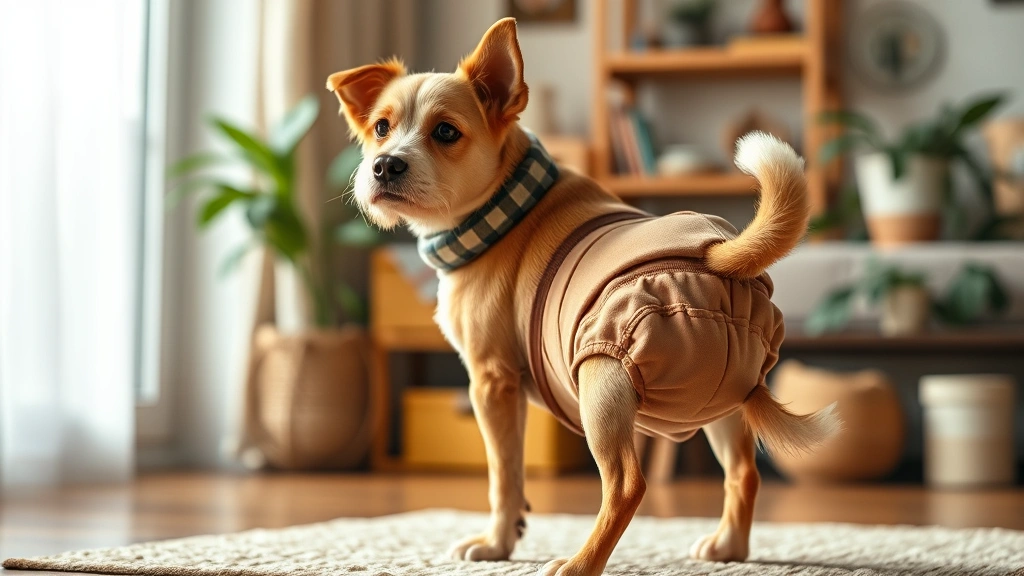
Use protective clothing: Special heat diapers or period panties designed for dogs can catch discharge and protect your furniture. They’re washable, reusable, and surprisingly effective.
Increase bathroom breaks: Take her outside more frequently, especially during the estrus phase. This helps manage the discharge and gives her more opportunities to relieve herself.
Keep her indoors: This is crucial. Never let your dog in heat roam freely outside unsupervised. Male dogs will go to extraordinary lengths to reach a female in heat, and you don’t want unexpected puppies or your dog getting lost chasing a potential mate.
Avoid dog parks and group activities: During her heat cycle, skip the dog park, doggy daycare, and group training classes. It’s not fair to other dog owners, and it increases the risk of unwanted breeding.
Maintain routine and exercise: Keep her exercise level moderate. Some dogs get anxious during heat cycles, so maintaining a consistent routine helps with emotional stability.
Clean frequently: Discharge can stain and smell, so wash her bedding regularly and clean any accidents promptly with enzymatic cleaner.
Spaying: The Permanent Solution
If you’re not planning to breed your dog, spaying (ovariohysterectomy) is the most effective way to prevent heat cycles and all the associated challenges. Spaying involves surgically removing the ovaries and uterus, and it’s one of the most common procedures veterinarians perform.
The benefits of spaying extend far beyond eliminating heat cycles. Spayed dogs have significantly lower risks of mammary cancer, ovarian cancer, and uterine infections (pyometra), which can be life-threatening. Most vets recommend spaying before the first heat cycle for maximum health benefits, though it can be done at any age.
Recovery from spaying typically takes 10-14 days, during which your dog needs restricted activity and careful wound care. Many pet owners find virtual vet consultations helpful for post-operative questions and monitoring.
Breeding Considerations and Responsibilities
If you’re considering breeding your dog in heat, understand that this is a significant responsibility with financial, emotional, and ethical implications. Responsible breeding requires:
Health screening: Both parents should be screened for genetic conditions common to their breed. This might include hip and elbow evaluations, eye certifications, and genetic testing. PetMD provides detailed information on breed-specific health requirements.
Breed knowledge: You need to understand breed standards, temperament traits, and what you’re trying to achieve genetically.
Financial commitment: Veterinary care during pregnancy, prenatal vitamins, quality nutrition, and emergency vet care for complications can cost thousands of dollars.
Puppy care: Raising puppies is exhausting and expensive. You’ll need to provide socialization, vaccinations, deworming, and careful placement in appropriate homes.
Lifetime responsibility: Ethical breeders often take dogs back if owners can no longer care for them, even years later.
If breeding isn’t for you, spaying is the responsible choice that helps reduce the millions of dogs in shelters every year.
Emergency Situations and When to Call Your Vet
Most dogs in heat experience normal, uneventful cycles. However, contact your veterinarian immediately if you notice:
Excessive discharge: While some discharge is normal, heavy bleeding that soaks through protective clothing or seems abnormal warrants a vet visit.
Signs of infection: Fever, lethargy, loss of appetite, or foul-smelling discharge could indicate pyometra or another infection.
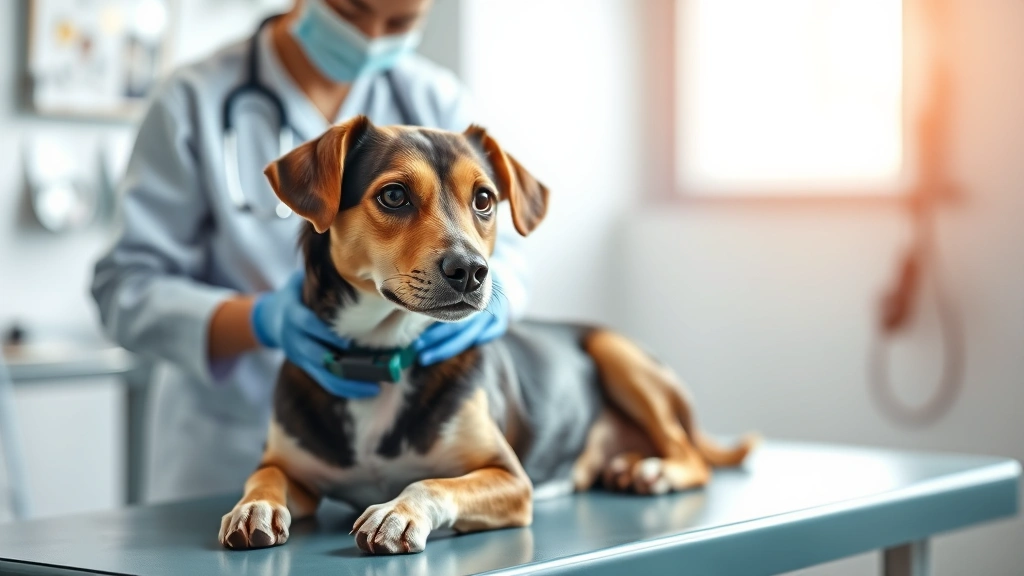
Difficulty urinating: Straining, crying during urination, or inability to urinate requires prompt attention.
Behavioral changes: Extreme aggression, severe anxiety, or other dramatic personality shifts should be evaluated.
Accidental breeding: If your dog in heat has an unplanned encounter with a male dog, contact your vet within 24 hours. Emergency contraception options exist.
For urgent questions outside regular vet hours, pet emergency hotlines can provide immediate guidance.
Nutrition and Care During the Heat Cycle
Your dog’s nutritional needs don’t change dramatically during heat, but some adjustments can support her comfort. Ensure she’s eating high-quality dog food with adequate protein and essential fatty acids, which support skin health and hormone regulation.
Some dogs experience decreased appetite during their cycle, which is normal. However, if she refuses food for more than a day or two, contact your vet. Keep fresh water available at all times—she’ll likely drink more than usual.
Avoid introducing new foods during her heat cycle, as her digestive system might be more sensitive. Stick with her regular diet unless your vet recommends otherwise.
Frequently Asked Questions
How often do dogs go into heat?
Most dogs experience heat cycles twice per year, roughly every six months. However, some large breeds cycle only once yearly, while others might cycle more frequently. The frequency is individual to each dog and influenced by breed, age, and health factors.
At what age does a dog first go into heat?
Small breeds often experience their first heat cycle between 6-12 months old, while large breeds might not cycle until 12-18 months or even later. Some giant breeds don’t cycle until they’re 18-24 months old. Talk to your vet about what’s typical for your dog’s breed.
Can I bathe my dog while she’s in heat?
Yes, bathing is fine and actually encouraged to help manage odor and discharge. Use warm water and a gentle cleanser. Just avoid letting water enter the vagina. Many owners find regular baths help their dogs feel more comfortable during this time.
Is it safe to travel with a dog in heat?
Travel is possible but requires extra precautions. Use protective clothing, take frequent bathroom breaks, and never leave her alone in a vehicle. Many boarding facilities won’t accept dogs in heat, so plan ahead if you need childcare for your pup.
Will my dog’s personality change during her heat cycle?
Yes, hormonal fluctuations can affect behavior. Some dogs become clingier, others more independent. Some experience mood swings, while others remain relatively stable. These changes are temporary and usually resolve once the cycle ends.
What’s the difference between heat and pyometra?
Heat is a normal reproductive cycle. Pyometra is a serious uterine infection that can occur in unspayed dogs, typically weeks after a heat cycle ends. Pyometra symptoms include excessive discharge with a foul smell, lethargy, fever, and vomiting. It’s a medical emergency requiring immediate veterinary care.
Can I use human period products on my dog?
While some owners use human pads, they’re not ideal because dogs can’t keep them in place properly, and the adhesive might irritate skin. Dog-specific heat diapers are designed for canine anatomy and work much better.
Summary: Managing Your Dog in Heat Successfully
Understanding what happens when your dog in heat is essential for responsible pet ownership. Whether you’re dealing with your first heat cycle or your tenth, knowing the signs, managing the practical challenges, and making informed decisions about breeding or spaying keeps your dog healthy and happy.
The four-stage estrus cycle is completely natural, but it requires attention and care from you. Use protective clothing, increase bathroom breaks, keep her safely indoors, and watch for any signs of complications. Most importantly, if breeding isn’t in your future plans, spaying remains the gold standard for preventing heat cycles while simultaneously protecting your dog’s long-term health.
Every dog is unique, and what works for one might not work for another. Work closely with your veterinarian to develop a heat management plan that suits your dog’s individual needs. Whether you’re navigating the challenges of an active heat cycle or planning for spaying, you’re already doing great by educating yourself about this important aspect of canine health.





