
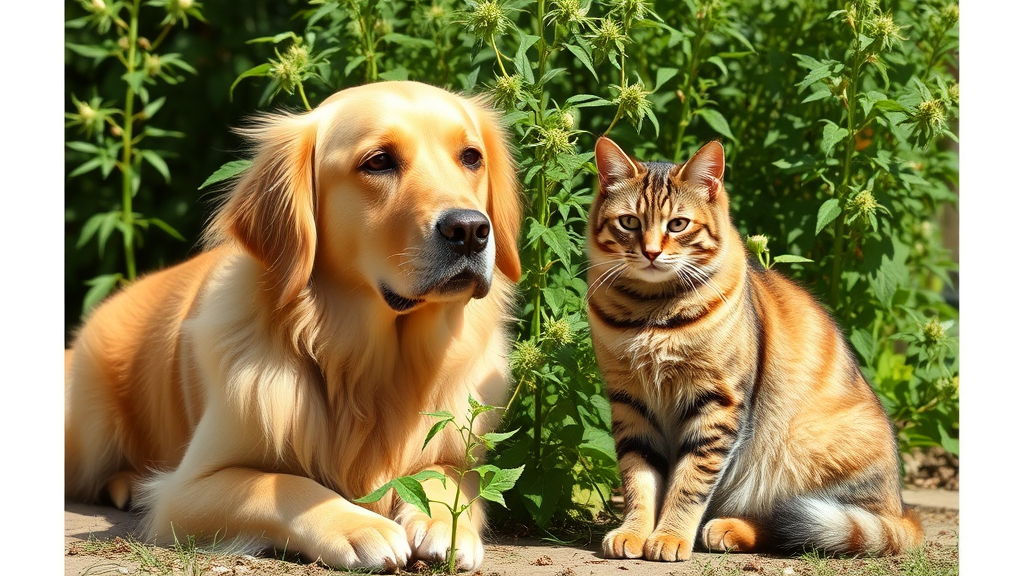
For decades, cat owners have watched in fascination as their feline friends roll, purr, and exhibit euphoric behavior when exposed to catnip. This mysterious herb, scientifically known as Nepeta cataria, can transform even the most dignified cat into a playful kitten within seconds. But what happens when dogs encounter this seemingly magical plant? The question of whether catnip works on dogs has puzzled pet owners for years, especially those living in multi-pet households where both cats and dogs coexist.
While catnip’s effects on cats are well-documented and widely understood, its impact on our canine companions remains shrouded in mystery. Unlike their feline counterparts, dogs don’t typically display the dramatic rolling, meowing, and hyperactive behaviors that make catnip famous. This fundamental difference in response has led many pet owners to wonder if dogs are simply immune to catnip’s charms or if there’s something more complex at play. Understanding how dogs react to catnip requires delving into the science behind this fascinating herb and exploring the unique ways different species process its active compounds.
What Is Catnip and How Does It Work
Catnip belongs to the mint family and contains a powerful compound called nepetalactone, which acts as a natural insecticide while simultaneously triggering intense reactions in certain animals. This volatile oil is concentrated in the leaves and stems of the plant, and when released into the air, it binds to specific receptors in a cat’s nasal tissue. The Smithsonian Magazine explains that this binding triggers a cascade of neurological responses that result in the characteristic behaviors we associate with catnip exposure.
The mechanism behind catnip’s effects involves the vomeronasal organ, also known as Jacobson’s organ, which is responsible for detecting pheromones and other chemical signals. When cats encounter nepetalactone, their vomeronasal organ processes the compound and sends signals to the brain’s limbic system, which controls emotional responses and behaviors. This process is so specific that approximately 70-80% of cats inherit the genetic trait that makes them susceptible to catnip’s effects, while the remaining 20-30% show no response at all.

Interestingly, the intensity and duration of catnip’s effects can vary significantly among individual cats. Some may experience mild interest, while others become completely intoxicated by the herb’s presence. The typical catnip response lasts between 5-15 minutes, after which cats become temporarily immune to its effects for approximately 30 minutes to two hours. This refractory period appears to be a built-in safety mechanism that prevents overstimulation.
Canine vs Feline Response to Catnip
The fundamental difference between how cats and dogs react to catnip lies in their evolutionary biology and sensory processing capabilities. While cats possess highly sensitive vomeronasal organs that readily detect and process nepetalactone, dogs have different sensory priorities and neurological pathways. Most dogs show little to no interest in catnip, and when they do interact with it, their responses are typically mild and vastly different from the dramatic reactions observed in cats.
When dogs do encounter catnip, they may exhibit subtle behavioral changes such as increased sniffing, mild sedation, or slight relaxation. However, these responses are inconsistent and often so minimal that they go unnoticed by pet owners. Unlike cats, dogs don’t typically roll in catnip, become hyperactive, or display the euphoric behaviors that make catnip famous. This difference has led many pet owners to wonder about can dogs have catnip and whether it’s safe for their canine companions.
Research conducted by veterinary behaviorists has shown that while some dogs may show mild interest in catnip, the overwhelming majority remain completely unaffected by its presence. This lack of response isn’t due to any deficiency in dogs but rather reflects the species-specific nature of catnip’s active compounds. The American Veterinary Medical Association notes that catnip’s effects are largely limited to members of the Felidae family, with dogs lacking the specific receptors and neurological pathways necessary to process nepetalactone effectively.
The Scientific Explanation Behind Dogs and Catnip
The scientific community has extensively studied why catnip affects cats but not dogs, and the answer lies in fundamental differences in sensory anatomy and genetic predisposition. Dogs possess vomeronasal organs, but these structures are configured differently from those found in cats and are primarily used for detecting pheromones related to reproduction, territory marking, and social communication. The specific receptors that respond to nepetalactone are either absent or significantly less sensitive in canines compared to their feline counterparts.
Genetic research has revealed that the ability to respond to catnip is inherited as an autosomal dominant trait in cats, meaning that if one parent carries the gene, there’s a high probability that offspring will be affected by catnip. Dogs, however, lack this genetic predisposition entirely. Studies published in scientific journals have shown that the neurological pathways responsible for processing catnip’s active compounds are fundamentally different between cats and dogs, explaining why the herb produces such dramatically different responses.
Furthermore, the concentration of nepetalactone required to trigger responses varies significantly between species. While cats can detect and respond to minute quantities of the compound, dogs would need exposure to much higher concentrations to show even minimal effects. This difference in sensitivity threshold means that even if dogs possessed the necessary receptors, they would still be unlikely to exhibit the intense responses characteristic of feline catnip intoxication. Some pet owners have concerns about is catnip bad for dogs, but research consistently shows that the herb poses minimal risk to canines due to their natural lack of sensitivity to its active compounds.

Safety Considerations for Dogs and Catnip
While dogs don’t typically respond to catnip in the same dramatic fashion as cats, pet owners should still exercise caution when introducing any new herb or plant material to their dog’s environment. Although catnip is generally considered safe for dogs, individual animals may have unique sensitivities or allergic reactions that could cause problems. The primary concerns surrounding dogs and catnip exposure relate to ingestion of large quantities rather than the herb’s psychoactive properties.
If a dog consumes large amounts of fresh or dried catnip, they may experience mild gastrointestinal upset, including nausea, vomiting, or diarrhea. These symptoms are typically temporary and resolve on their own, but they can cause discomfort for the animal and concern for pet owners. Additionally, some dogs may have individual sensitivities to plants in the mint family, which could result in skin irritation if they come into direct contact with fresh catnip plants.
The ASPCA Animal Poison Control Center lists catnip as non-toxic to dogs, indicating that occasional exposure or small amounts of ingestion are unlikely to cause serious harm. However, pet owners should always monitor their dogs for any unusual behaviors or symptoms following exposure to new substances. In multi-pet households where cats regularly use catnip toys or have access to fresh catnip, dog owners should ensure that their canine companions don’t have unsupervised access to large quantities of the herb.
Alternative Herbs That Affect Dogs
While catnip may not produce significant effects in dogs, several other herbs and plants can influence canine behavior and physiology. Understanding these alternatives can help pet owners provide appropriate enrichment and natural remedies for their dogs while avoiding potentially harmful substances. Unlike the dramatic responses cats show to catnip, dogs typically respond more subtly to herbal influences, often exhibiting changes in energy levels, anxiety, or sleep patterns.
Valerian root is one herb that can affect dogs, often producing a calming effect similar to what it provides in humans. However, interestingly, some dogs may actually become more excited or energetic when exposed to valerian, creating a paradoxical response that’s the opposite of its intended effect. Chamomile is another herb that can influence dogs, typically promoting relaxation and potentially helping with anxiety or sleep issues. Lavender has also been shown to have calming properties for some dogs, though individual responses can vary significantly.
It’s important to note that just because an herb affects dogs doesn’t mean it’s automatically safe or beneficial. Pet owners should always consult with veterinarians before introducing any new herbs or supplements to their dog’s routine. Some herbs that are safe for humans can be toxic to dogs, and even beneficial herbs can cause problems if used inappropriately or in excessive quantities. The field of veterinary herbal medicine continues to evolve, with researchers working to better understand how various plant compounds affect different animal species. This research sometimes intersects with broader questions about pet behavior and health, such as do dogs have nightmares and how natural remedies might help with sleep-related issues.
Practical Implications for Pet Owners
Understanding that catnip doesn’t significantly affect dogs has several practical implications for pet owners, particularly those managing multi-pet households. First, it means that dog owners don’t need to worry about their canine companions becoming intoxicated or exhibiting problematic behaviors if they encounter catnip intended for cats. This knowledge can provide peace of mind for families who want to provide catnip enrichment for their cats without concern about affecting their dogs.
However, this doesn’t mean that dogs should have unlimited access to catnip products. While the herb itself may not cause behavioral changes in dogs, catnip toys and products often contain other materials that could pose choking hazards or cause intestinal blockages if ingested in large pieces. Dog owners should still supervise interactions between their pets and cat toys, regardless of whether those toys contain catnip.
For pet owners seeking natural ways to enrich their dogs’ environments or address behavioral issues, the focus should be on species-appropriate alternatives rather than trying to replicate the catnip experience. This might include puzzle toys, scent work activities, or consultation with veterinary behaviorists about appropriate herbal supplements. Understanding species differences in sensory processing can also help pet owners better appreciate the unique needs and experiences of their different pets. For instance, while cats might be fascinated by catnip, dogs might be more interested in activities that engage their powerful sense of smell or their natural instincts to hunt and retrieve.
The relationship between different pet species in the same household can be complex, and understanding their different responses to stimuli like catnip is just one aspect of successful multi-pet management. Some pet owners wonder about other aspects of inter-species relationships, such as can dogs be allergic to cats or behavioral questions like why do dogs eat cat poop. These questions reflect the natural curiosity that arises when different species share living spaces and highlight the importance of understanding each species’ unique characteristics and needs.
Frequently Asked Questions
Does catnip have any effect on dogs at all?
Most dogs show little to no response to catnip. While some dogs may exhibit mild behavioral changes such as slight sedation or increased sniffing when exposed to catnip, these responses are inconsistent and much less dramatic than the reactions seen in cats. The vast majority of dogs remain completely unaffected by catnip due to differences in their sensory anatomy and lack of specific receptors that respond to nepetalactone, the active compound in catnip.
Is it safe for dogs to eat catnip?
Catnip is generally considered safe for dogs and is listed as non-toxic by the ASPCA. However, if a dog consumes large quantities of catnip, they may experience mild gastrointestinal upset including nausea, vomiting, or diarrhea. Small amounts of accidental ingestion are unlikely to cause harm, but pet owners should prevent their dogs from consuming large quantities of any plant material and monitor for any unusual symptoms following exposure.
Why don’t dogs react to catnip like cats do?
Dogs don’t react to catnip like cats because they lack the specific genetic traits and neurological pathways necessary to process nepetalactone effectively. While both cats and dogs have vomeronasal organs, these structures are configured differently and serve different purposes in each species. Cats have evolved specific receptors that bind to catnip’s active compounds and trigger the characteristic euphoric response, while dogs lack these specialized receptors entirely.
Can I give my dog catnip toys meant for cats?
While the catnip itself won’t affect your dog, catnip toys designed for cats may not be appropriate for dogs due to safety concerns. Cat toys are often smaller and may contain materials that could pose choking hazards or cause intestinal blockages if a dog chews and swallows pieces. It’s better to provide your dog with toys specifically designed for canines, which are typically more durable and sized appropriately for safe play.
Are there any herbs that affect dogs similarly to how catnip affects cats?
No single herb produces effects in dogs that are as dramatic or consistent as catnip’s effects on cats. However, several herbs can influence dog behavior in more subtle ways. Valerian root may have calming effects on some dogs (though it can paradoxically energize others), chamomile may promote relaxation, and lavender might have mild calming properties. Any herbal treatments for dogs should always be discussed with a veterinarian first to ensure safety and appropriateness.
What should I do if my dog accidentally eats a lot of catnip?
If your dog consumes a large amount of catnip, monitor them closely for signs of gastrointestinal upset such as vomiting, diarrhea, or loss of appetite. Provide fresh water and withhold food for a few hours if vomiting occurs. Most cases of catnip ingestion in dogs resolve on their own within 24 hours. However, if symptoms persist, worsen, or if you notice any concerning behaviors, contact your veterinarian for guidance.
Could my dog develop a sensitivity to catnip over time?
It’s highly unlikely that dogs would develop a sensitivity to catnip’s psychoactive effects over time, as this would require fundamental changes in their neurological and sensory anatomy. However, like with any substance, individual dogs could potentially develop allergic reactions or sensitivities to catnip as a plant material, which might manifest as skin irritation or digestive upset. These types of sensitivities are different from the behavioral responses that catnip produces in cats and would be considered adverse reactions rather than the intended effects of the herb.





