
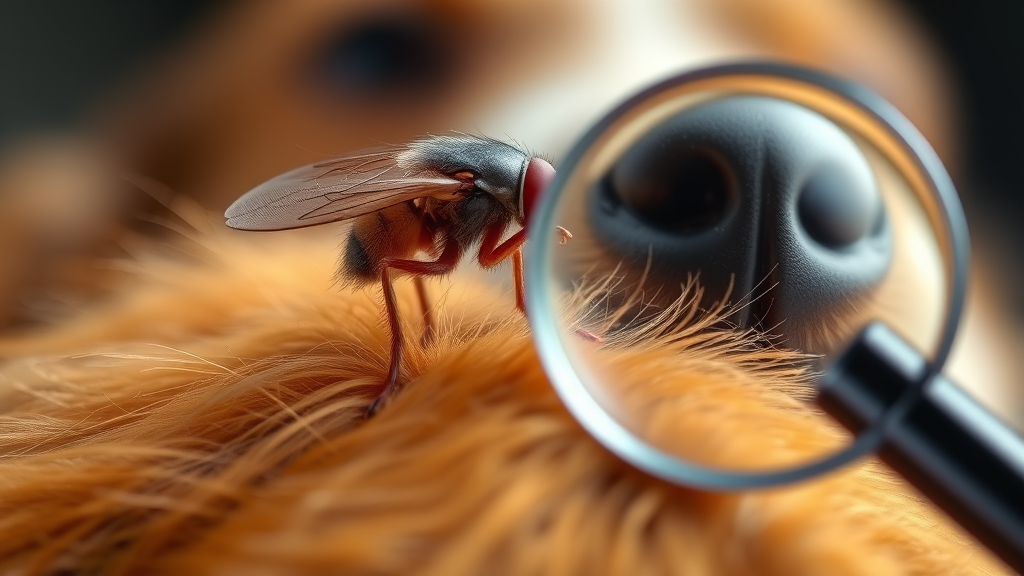
If you’ve ever dealt with a flea infestation on your beloved canine companion, you’ve likely wondered about the possibility of these persistent parasites making themselves at home in your own hair. This concern is particularly common among pet owners who have discovered fleas on their dogs and are worried about cross-contamination. The good news is that while dog fleas can temporarily jump onto humans, they cannot establish a permanent residence in human hair like they do on their canine hosts.
Understanding the relationship between dog fleas and human hair is crucial for pet owners who want to protect both their furry friends and their families from these bothersome parasites. While fleas are opportunistic feeders that may bite humans when the opportunity arises, their biology and lifecycle are specifically adapted to thrive on their preferred hosts – namely dogs, cats, and other mammals with dense fur coats.
Understanding Dog Fleas and Their Biology
Dog fleas, scientifically known as Ctenocephalides canis, are highly specialized parasites that have evolved specifically to live on canine hosts. These tiny, wingless insects are perfectly adapted to navigate through dense fur and feed on dog blood. To understand why they don’t establish permanent colonies in human hair, it’s essential to examine what fleas look like on dogs and their specific biological requirements.
Fleas possess several anatomical features that make them ideally suited for life on dogs. Their laterally compressed bodies allow them to move easily between hair shafts, while their powerful hind legs enable them to jump up to 200 times their body length. Most importantly, their mouthparts are designed to penetrate the specific thickness and texture of canine skin, making it easier for them to access blood vessels beneath a dog’s fur.
The flea lifecycle consists of four distinct stages: egg, larva, pupa, and adult. Adult fleas spend virtually their entire lives on their host, leaving only to lay eggs in the environment. According to the Centers for Disease Control and Prevention, fleas can lay up to 50 eggs per day, which fall off the host and develop in carpets, bedding, and other warm, humid environments.

Human Hair vs. Dog Fur: Why the Difference Matters
The fundamental differences between human hair and dog fur create an inhospitable environment for dog fleas to establish permanent residence. Human hair grows in single shafts from individual follicles, creating a relatively sparse coverage compared to the dense double-coat system found in most dogs. This density difference is crucial because fleas rely on the protective canopy of fur to maintain the proper temperature and humidity levels they need to survive.
Dog fur provides multiple layers of protection and insulation, creating microclimates that fleas find ideal. The undercoat traps warm air close to the skin, while the outer guard hairs provide additional protection from environmental factors. Human hair, even when long and thick, cannot replicate this complex environment that fleas require for long-term survival.
Additionally, the natural oils produced by human skin differ significantly from those produced by dogs. These oils, known as sebum, have different chemical compositions that can actually repel fleas rather than attract them. The National Center for Biotechnology Information has documented how these chemical differences play a role in host specificity among various parasite species.
Temporary Flea Encounters on Humans
While dog fleas cannot establish permanent colonies in human hair, they can and do jump onto humans temporarily. This typically occurs when humans are in close contact with infested dogs or when walking through areas where flea eggs and larvae have developed, such as carpeted areas where infected pets spend time. Understanding how dogs get fleas can help pet owners identify potential sources of temporary human exposure.
When fleas do jump onto humans, they may crawl around on the skin and hair looking for an optimal feeding site. However, they quickly discover that humans don’t provide the ideal environment they’re seeking. Most fleas will either jump off voluntarily or be easily removed through normal activities like showering, brushing hair, or changing clothes.
The temporary presence of fleas on humans can still result in bites, particularly around the ankles and lower legs where fleas are most likely to make contact. These bites typically appear as small, red, itchy bumps that may be arranged in clusters or lines. Unlike flea infestations on dogs, human flea bites usually resolve quickly once the source of the infestation is addressed.
Signs and Symptoms of Flea Exposure
Recognizing the signs of flea exposure in both humans and pets is crucial for prompt treatment and prevention of further infestation. In humans, the most common sign is the presence of small, itchy red bumps, typically found on the lower legs, ankles, and feet. These bites may be accompanied by intense itching that can lead to secondary skin infections if scratched excessively.
For pet owners, it’s important to distinguish flea bites from other skin conditions or parasitic infestations. Unlike lice infestations in dogs, flea bites on humans are usually temporary and don’t indicate ongoing colonization. However, some individuals may experience allergic reactions to flea saliva, resulting in more severe symptoms such as hives, swelling, or difficulty breathing.

Environmental signs of flea infestation include finding small, dark specks (flea dirt) on pet bedding, carpets, or upholstery. These specks, which are actually flea feces containing digested blood, will turn reddish-brown when moistened with water. Pet owners may also notice their dogs scratching excessively, developing hot spots, or showing signs of flea allergy dermatitis.
The American Veterinary Medical Association recommends regular inspection of pets for fleas, particularly during warm months when flea populations are at their peak. Early detection and treatment are key to preventing large-scale infestations that could temporarily affect human family members.
Prevention Strategies for Pet Owners
Preventing flea infestations requires a comprehensive approach that addresses both the pet and the environment. The most effective prevention strategy begins with regular use of veterinarian-recommended flea preventatives for dogs. These products, available as topical treatments, oral medications, or collars, create a protective barrier that kills fleas before they can establish an infestation.
Environmental management is equally important in flea prevention. Regular vacuuming of carpets, upholstery, and pet sleeping areas removes flea eggs, larvae, and pupae before they can develop into biting adults. Pay special attention to areas where pets spend the most time, as these locations typically harbor the highest concentrations of developing fleas. The vacuum bag or canister should be disposed of immediately after use to prevent re-infestation.
Maintaining a clean environment also involves regular washing of pet bedding, blankets, and toys in hot water (at least 140°F) to kill all life stages of fleas. For items that cannot be washed, placing them in the dryer on high heat for 30-40 minutes can achieve similar results. It’s worth noting that fleas are just one of many parasites that can affect pets, and pet owners should also be aware of other potential issues like tick removal from dogs and other parasitic concerns.
Yard maintenance plays a crucial role in flea prevention, particularly in areas where pets spend time outdoors. Keeping grass short, removing debris, and ensuring proper drainage reduces the humid conditions that flea larvae need to develop. Some pet owners find success with beneficial nematodes, microscopic worms that feed on flea larvae in soil and are available from garden centers.
Treatment Options for Flea Infestations
When flea infestations do occur, prompt and comprehensive treatment is essential to break the flea lifecycle and prevent re-infestation. Treatment must address both the pets and the environment simultaneously, as adult fleas represent only about 5% of the total flea population at any given time. The remaining 95% consists of eggs, larvae, and pupae developing in the environment.
For pets, veterinary-prescribed flea treatments are the most effective option. These products are specifically formulated to kill adult fleas quickly while providing residual protection against new infestations. Some treatments also contain insect growth regulators that prevent flea eggs and larvae from developing into adults, helping to break the reproductive cycle.
Environmental treatment options include professional pest control services, which can provide targeted treatments for severe infestations. For moderate infestations, over-the-counter environmental sprays containing insecticides and growth regulators can be effective when used according to label directions. The Environmental Protection Agency provides guidelines for safe and effective use of these products around pets and family members.
It’s important to note that flea infestations can sometimes trigger other health concerns in pets. Some dogs may develop allergic reactions not only to fleas but also to other environmental factors, and pet owners should be aware that dogs can be allergic to cats as well as other common allergens in the home environment.
When to Seek Professional Help
While many flea problems can be managed with over-the-counter products and preventive measures, certain situations warrant professional intervention. Pet owners should consult with veterinarians when their dogs show signs of flea allergy dermatitis, secondary skin infections, or excessive scratching that leads to hair loss or open wounds. Young puppies, elderly dogs, or pets with compromised immune systems may require special treatment protocols.
For human family members, medical attention may be necessary if flea bites result in severe allergic reactions, signs of secondary bacterial infection, or if bites don’t improve within a few days of removing the flea source. Some individuals may develop hypersensitivity to flea saliva, resulting in larger, more persistent reactions that require medical treatment.
Professional pest control services should be considered for severe environmental infestations that don’t respond to initial treatment efforts. These professionals have access to more powerful treatments and can develop comprehensive management plans that address all aspects of the infestation. They can also identify and treat areas that homeowners might miss, such as crawl spaces, basements, or outdoor areas where fleas may be developing.
The Humane Society emphasizes that successful flea control requires patience and persistence, as it can take several weeks to completely eliminate an established infestation. During this time, it’s normal to continue seeing some adult fleas as they emerge from pupal stages in the environment.
Pet owners should also be aware that fleas are not the only external parasites that can affect their dogs. Understanding the differences between various parasites can help in identification and treatment. For instance, knowing about other potential issues like mosquito bites on dogs or poison ivy reactions in dogs can help pet owners distinguish between different skin conditions and seek appropriate treatment.
Frequently Asked Questions
Can dog fleas live permanently in human hair?
No, dog fleas cannot live permanently in human hair. While they may temporarily jump onto humans and crawl through hair, they cannot establish a lasting infestation. Dog fleas are specifically adapted to live on canine hosts and require the dense fur, specific skin thickness, and body temperature that dogs provide. Human hair lacks the density and environmental conditions that fleas need for long-term survival and reproduction.
How long can fleas survive on humans?
Fleas can survive on humans for only a few hours to a few days at most. Without access to their preferred host environment, they will either jump off voluntarily or die from unsuitable conditions. Most fleas that jump onto humans are quickly removed through normal activities like showering, changing clothes, or brushing hair. They may bite humans during this temporary contact, but they cannot complete their lifecycle or establish colonies.
What should I do if I find fleas in my hair?
If you find fleas in your hair, wash it thoroughly with regular shampoo and use a fine-toothed comb to remove any remaining fleas or flea dirt. The fleas are likely temporary visitors from an infested pet or environment. Focus your efforts on treating the source of the infestation – your pets and home environment – rather than worrying about ongoing colonization in your hair. If bites occur, treat them with anti-itch creams and avoid scratching to prevent secondary infection.
Can flea shampoo for dogs be used on human hair?
It’s not recommended to use dog flea shampoo on human hair. These products are formulated specifically for canine skin and fur and may contain ingredients that are too harsh for human skin and scalp. Instead, regular human shampoo is sufficient to remove any fleas that may have temporarily jumped onto your hair. If you’re concerned about flea exposure, focus on treating your pets with veterinarian-approved products and maintaining a clean environment.
How can I tell if my home has a flea infestation?
Signs of a home flea infestation include finding small, dark specks (flea dirt) on pet bedding or light-colored surfaces, seeing small jumping insects on pets or furniture, pets scratching excessively, and family members experiencing itchy bite marks, particularly around ankles and lower legs. You may also notice fleas jumping on your socks or pants when walking through infested carpeted areas. Environmental inspection should focus on warm, humid areas where pets spend time, as these are prime flea development sites.
Are some people more attractive to fleas than others?
Yes, some people may be more attractive to fleas than others due to factors such as body heat, carbon dioxide production, skin chemistry, and clothing choices. People who produce more carbon dioxide or have higher body temperatures may attract fleas more readily. However, this doesn’t mean fleas can establish permanent infestations on these individuals – they remain temporary visitors regardless of attractiveness factors. Light-colored clothing can also make fleas more visible, making some people appear more affected than others.
How long does it take to eliminate a flea infestation completely?
Complete elimination of a flea infestation typically takes 2-8 weeks, depending on the severity of the infestation and the thoroughness of treatment efforts. This timeline accounts for the flea lifecycle, as eggs and larvae in the environment continue to develop into adults even after initial treatment. Consistent treatment of pets with veterinary-approved products, combined with regular environmental cleaning and possible professional treatment, is necessary for complete elimination. Pet owners should expect to see some adult fleas during this period as they emerge from pupal stages.





