
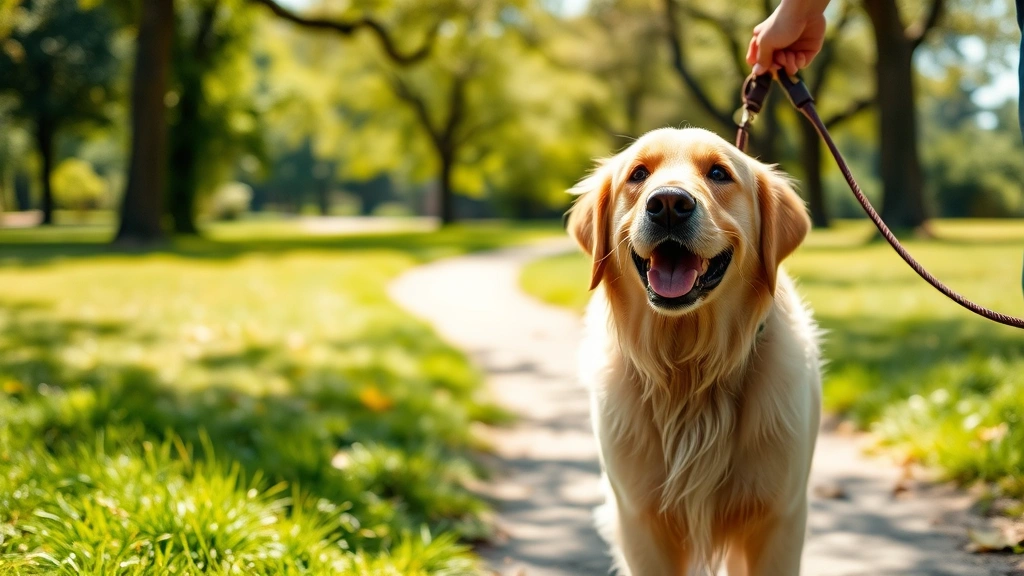
When it comes to keeping your furry best friend safe and secure during walks, dog leashes are absolutely non-negotiable. Whether you’ve got a tiny Chihuahua who thinks they’re a Great Dane or an actual 100-pound gentle giant, choosing the right leash can be the difference between a pleasant stroll and a chaotic wrestling match. Let’s dive into everything you need to know about finding the perfect leash for your canine companion.
Table of Contents
- Why Dog Leashes Matter More Than You Think
- Standard Fixed-Length Leashes: The Classic Choice
- Retractable Leashes: Freedom with a Catch
- Hands-Free and Waist Leashes: For the Active Owner
- Double Leashes and Couplers: Managing Multiple Dogs
- Material Matters: Nylon vs. Leather vs. Rope
- The 5 Best Dog Leashes for Different Needs
- Training Your Dog to Walk Properly on a Leash
- Leash Safety Tips Every Owner Should Know
- Choosing the Right Leash for Your Dog’s Size and Temperament
- Maintenance and Care for Long-Lasting Leashes
- Common Leash Mistakes to Avoid
- Frequently Asked Questions
- Conclusion
Why Dog Leashes Matter More Than You Think
Look, I get it—a leash is just a rope with a clip, right? Wrong. Your dog’s leash is literally the only thing standing between your pup and disaster. It’s not just about control; it’s about safety, bonding, and showing your dog that you’ve got their back. A quality leash prevents your dog from bolting into traffic, chasing squirrels into the woods, or getting into fights with other dogs. Plus, many municipalities require them by law. The right dog leash can actually make training easier and walks more enjoyable for both of you.
Standard Fixed-Length Leashes: The Classic Choice
The traditional 4-6 foot fixed-length leash is the bread and butter of dog walking. These aren’t fancy, but they work. They give you solid control and are perfect for urban environments, crowded parks, or training situations. A quality standard leash should have a comfortable grip, sturdy hardware, and a clip that won’t fail when your dog decides to chase a leaf. Look for padded handles that won’t cut into your hands during those enthusiastic pulling sessions. The Carhartt Dog Collar pairs perfectly with a solid fixed-length leash for maximum durability and style.
Retractable Leashes: Freedom with a Catch
Retractable leashes are like the SUVs of the dog world—everyone has opinions about them. These allow your pup up to 26 feet of freedom while you maintain control with a button. Great for open spaces and dogs who need to explore. However, they’re not ideal for small spaces, heavy pullers, or reactive dogs. The cord can break if your dog lunges hard, and they require more hand-eye coordination. If you go the retractable route, get one with a sturdy locking mechanism and a comfortable grip that won’t slip when wet.
Hands-Free and Waist Leashes: For the Active Owner
If you’re a runner, cyclist, or just someone who wants to keep their hands free, hands-free leashes are game-changers. These attach to your waist, leaving your hands available for your phone, coffee, or dramatic gesturing while you complain about traffic. They work best for dogs that don’t pull excessively and have decent leash manners. The waist belt distributes the dog’s pulling force across your core rather than your arms, which is a lifesaver if you’ve got a strong pup. Make sure the attachment point is secure and the belt is padded for comfort during longer outings.
Double Leashes and Couplers: Managing Multiple Dogs
Got two dogs? A double leash or coupler can be your best friend. These allow you to walk two dogs on one leash without them tangling around your legs like you’re in some kind of canine dance-off. Couplers attach to two separate collars, while double leashes have two handles. They’re particularly useful if your dogs have similar sizes and temperaments. However, if one dog is significantly stronger or more reactive, you might want to stick with individual leashes so you can manage them separately. This is where understanding your dog’s behavior and training becomes crucial—check out our guide on when to call the vet about behavioral concerns if you notice aggression or extreme anxiety during walks.
Material Matters: Nylon vs. Leather vs. Rope
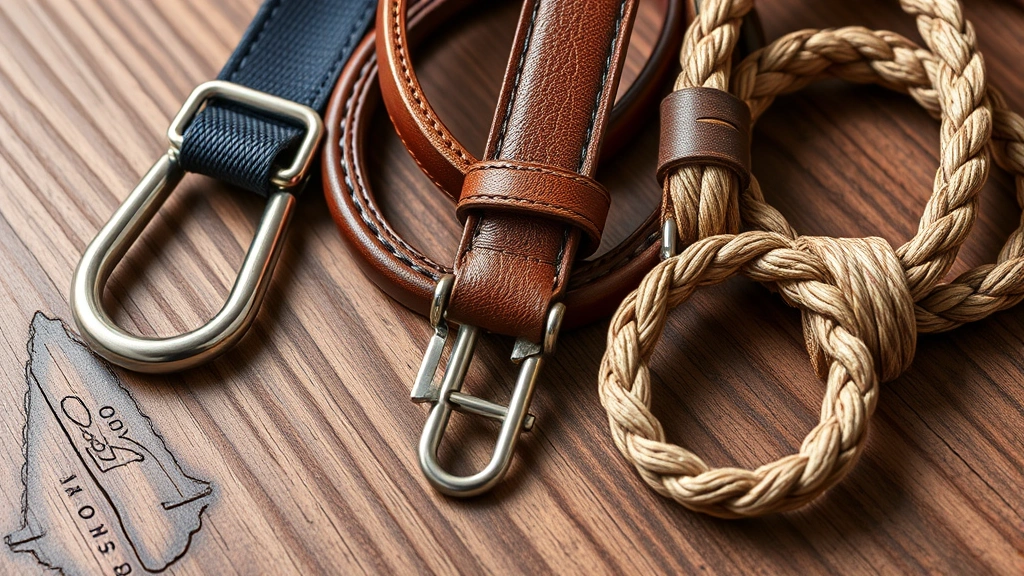
The material of your leash affects durability, comfort, and maintenance. Nylon is affordable, durable, and comes in fun colors—perfect for everyday use. Leather is classy and gets softer with age, but requires more maintenance and can be pricey. Rope leashes offer excellent grip and are great for heavy pullers, though they can be rough on your hands without proper gloves. Some premium options combine materials for the best of both worlds. Consider your climate too—leather can get stiff in cold weather, while nylon can get hot and uncomfortable in summer. Whatever material you choose, make sure it’s rated for your dog’s weight and strength.
The 5 Best Dog Leashes for Different Needs
1. The Everyday Hero: A standard 6-foot nylon leash with a padded handle works for most dogs and situations. It’s affordable, replaceable, and reliable. Perfect for casual walkers and training beginners.
2. The Heavy-Duty Champion: For large breeds and power pullers, invest in a thick rope or reinforced nylon leash with heavy-duty hardware. These can withstand serious pulling without fraying or breaking.
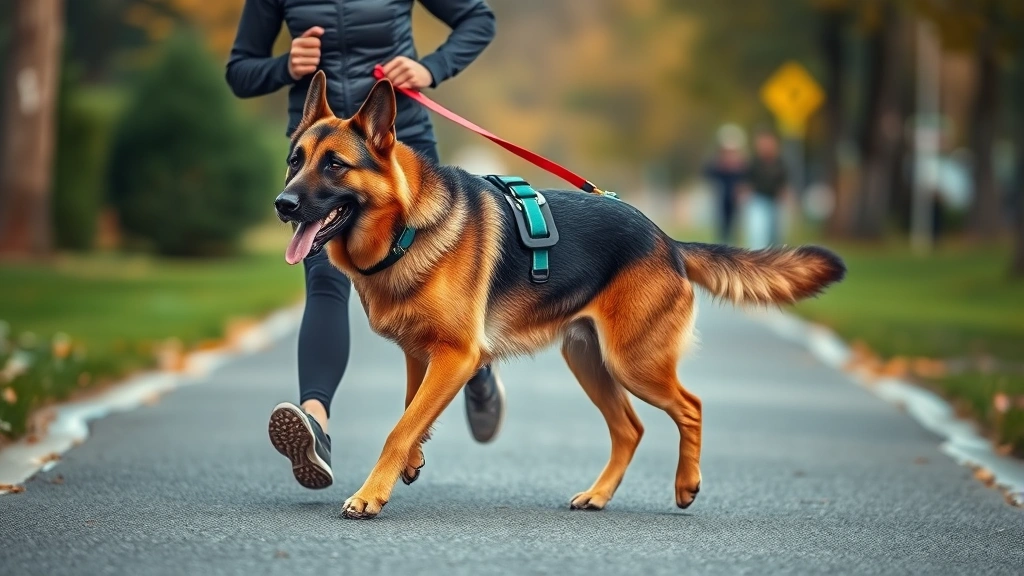
3. The Urban Explorer: A 4-foot fixed leash gives you maximum control in crowded spaces. Pair it with your Carhartt Dog Collar for a rugged look that means business.
4. The Adventure Seeker: A retractable leash with a 26-foot cord is perfect for dogs who need space to explore in safe, open environments like parks or hiking trails.
5. The Hands-Free Wonder: A waist leash for runners and active owners who want freedom of movement. Look for padded belts and secure attachment points that can handle sudden movements.
Training Your Dog to Walk Properly on a Leash
Having the best leash in the world won’t help if your dog doesn’t know how to walk on it. Start training early with positive reinforcement—treats and praise when your dog walks beside you without pulling. Keep initial walks short and in low-distraction environments. Use a consistent command like “heel” or “let’s walk.” Never jerk the leash harshly; instead, stop moving when your dog pulls, then resume when they settle. This teaches them that pulling doesn’t get them anywhere. Patience is key. Most dogs can learn proper leash manners within a few weeks of consistent training. If you’re struggling, consider consulting with a professional trainer or checking resources from the American Kennel Club for breed-specific walking tips.
Leash Safety Tips Every Owner Should Know
Always check your leash regularly for signs of wear—fraying, weak spots, or damaged hardware can fail at critical moments. Keep your dog’s vaccinations current and ensure they’re microchipped; these are your backup plans if they somehow escape. Never leave your dog unattended while leashed, as they can get tangled and injured. During hot weather, be mindful of leash burns if your dog pulls suddenly. Keep your leash in good condition by cleaning it regularly and storing it in a dry place. Check out PetMD’s safety guidelines for additional walking precautions specific to your dog’s age and health status.
Choosing the Right Leash for Your Dog’s Size and Temperament
Small dogs (under 15 lbs) do fine with lightweight nylon leashes and can even handle retractable options. Medium dogs (15-50 lbs) benefit from standard 6-foot leashes with good grip. Large dogs (50+ lbs) need heavy-duty materials and secure hardware that won’t fail under pressure. Reactive or anxious dogs need shorter, fixed-length leashes for better control. High-energy dogs might do well with retractable leashes in safe spaces, but need fixed leashes in crowded areas. Elderly dogs with mobility issues benefit from hands-free leashes that reduce strain on their joints. Consider your dog’s personality and needs rather than just their size when selecting a leash.
Maintenance and Care for Long-Lasting Leashes
Extend your leash’s lifespan with proper care. Rinse nylon leashes with fresh water after beach trips to prevent salt damage. Dry leather leashes immediately after getting wet to prevent cracking. Inspect hardware regularly and replace any damaged clips or rings. Store leashes in a dry location away from direct sunlight, which can degrade materials over time. Wash padded handles occasionally to keep them fresh. A well-maintained leash can last for years, saving you money and ensuring your dog’s safety. Think of it as an investment in your pup’s wellbeing—because it absolutely is.
Common Leash Mistakes to Avoid
Don’t buy a leash that’s too long for your dog’s training level—you’ll lose control in critical moments. Avoid cheap leashes with weak clips; they fail when you need them most. Don’t use a retractable leash for dogs with leash aggression or severe pulling issues. Never wrap the leash around your hand or wrist; if your dog lunges, you could get injured. Don’t assume one leash works for all situations—sometimes you need different options for different environments. And please, don’t skip training just because you have a “good” leash. The leash is a tool, but your training and awareness are what keep your dog safe.
Frequently Asked Questions
What’s the best leash length for training a puppy?
A 4-6 foot fixed-length leash is ideal for puppy training. It gives you enough control to prevent mistakes and reward good behavior quickly. Avoid retractable leashes during training because the variable length creates confusion about boundaries.
Are retractable leashes bad for dogs?
Not inherently, but they’re not ideal for all situations. They work fine in open spaces with well-trained dogs but can be dangerous in crowded areas or with reactive dogs. The cord can also cause injuries if your dog lunges suddenly. Use them situationally, not as your primary walking tool.
How often should I replace my dog’s leash?
Replace your leash when you notice fraying, weak spots, or damaged hardware. With proper care, a quality leash can last 2-3 years. Check it regularly and replace it immediately if you notice any safety concerns.
Can I use the same leash for all my dogs?
Only if your dogs are similar in size and strength. Larger, stronger dogs need heavier-duty leashes. It’s often better to have individual leashes matched to each dog’s needs rather than trying to use one for all.
What should I look for in a leash handle?
Look for padding that won’t cut into your hands, especially if your dog pulls. The handle should be sized for your hand—not too small that it’s hard to grip, not too large that it’s awkward. Neoprene or padded nylon handles are usually most comfortable.
Remember, the right dog leash is an investment in your dog’s safety and your peace of mind. Take time to find one that works for your specific situation, and don’t hesitate to upgrade if your needs change. Your walks should be enjoyable for both you and your pup, and the right leash makes all the difference. For more pet safety information, check our resource on pet food safety to ensure your dog’s overall wellbeing extends beyond just walks.
Conclusion
Choosing the right dog leash doesn’t have to be complicated, but it does deserve thoughtful consideration. Whether you opt for a classic fixed-length leash, a hands-free option, or something in between, prioritize quality, safety, and comfort. Your dog depends on you to keep them safe during walks, and a reliable leash is fundamental to that responsibility. Take the time to match the leash to your dog’s size, temperament, and your lifestyle. Invest in quality materials, maintain your leash properly, and train your dog to walk politely. With the right leash and a little effort, walks can become one of the best parts of your day with your furry friend.





