
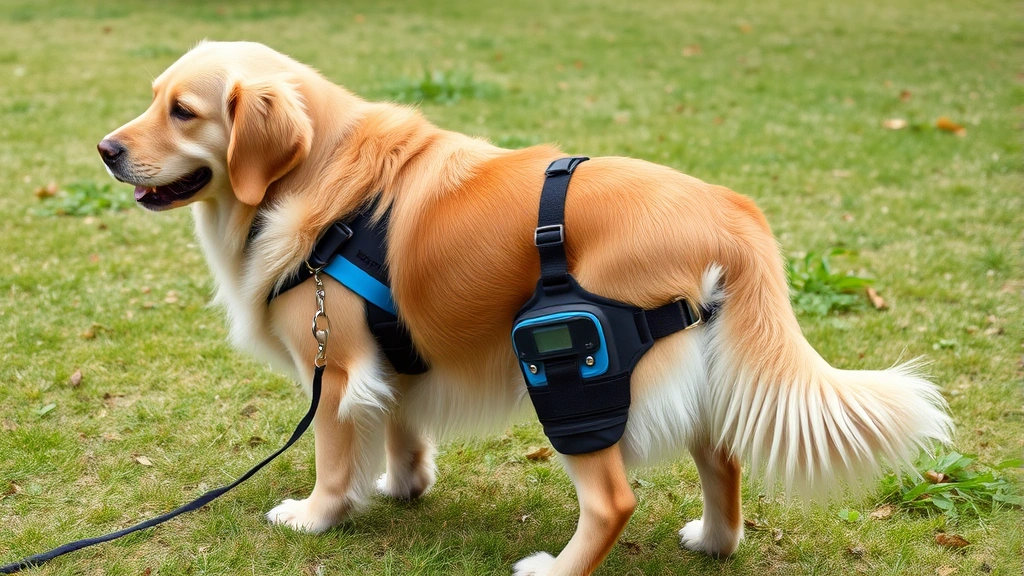
If your furry friend is limping around like they’re auditioning for a pirate movie, a dog leg brace might be exactly what they need to get back to their tail-wagging self. Whether your pup has a sprain, arthritis, or recovering from surgery, choosing the right support can make all the difference in their mobility and comfort.
Table of Contents
- What Exactly Is a Dog Leg Brace?
- Why Your Dog Might Need Leg Support
- The 5 Best Dog Leg Braces on the Market
- How to Choose the Right Brace for Your Dog
- Proper Fitting and Application Tips
- The Recovery Timeline: What to Expect
- Combining Braces With Other Support Methods
- Common Mistakes Dog Owners Make With Leg Braces
- When to Consult Your Veterinarian
- Frequently Asked Questions
- Conclusion: Giving Your Dog the Support They Need
What Exactly Is a Dog Leg Brace?
A dog leg brace is a supportive device designed to stabilize, protect, and promote healing of a dog’s injured or weakened leg. Think of it as a tiny orthopedic jacket for your pup’s limbs. These braces come in various styles and materials, ranging from simple compression wraps to sophisticated custom-fitted supports. The primary goal? To reduce pain, prevent further injury, and help your dog move with confidence again.
The beauty of a quality canine leg brace is that it works while your dog goes about their day—no complicated physical therapy sessions required (though your vet might recommend some light activity).
Why Your Dog Might Need Leg Support
Dogs don’t come with instruction manuals, but they do come with joints that can get injured. Common reasons vets recommend leg braces include:
- Cruciate ligament injuries (the ACL equivalent for dogs)
- Arthritis and joint degeneration in senior dogs
- Sprains and strains from overzealous play
- Post-surgical recovery after orthopedic procedures
- Hip dysplasia and other congenital conditions
- Ligament tears and soft tissue damage
If your dog is favoring one leg, reluctant to jump, or moving like they’re walking on eggshells, it’s time to consult your veterinarian about whether a brace could help.
The 5 Best Dog Leg Braces on the Market
1. Compression-Style Dog Leg Wraps
These are the entry-level champions of the dog leg brace world. Compression wraps provide gentle support and are perfect for mild sprains or post-exercise soreness. They’re easy to apply, affordable, and work well for dogs who need temporary support during the healing phase. Most compression wraps use neoprene or similar materials that provide warmth and stability without restricting movement too much.
2. Hinged Knee Braces for Canines
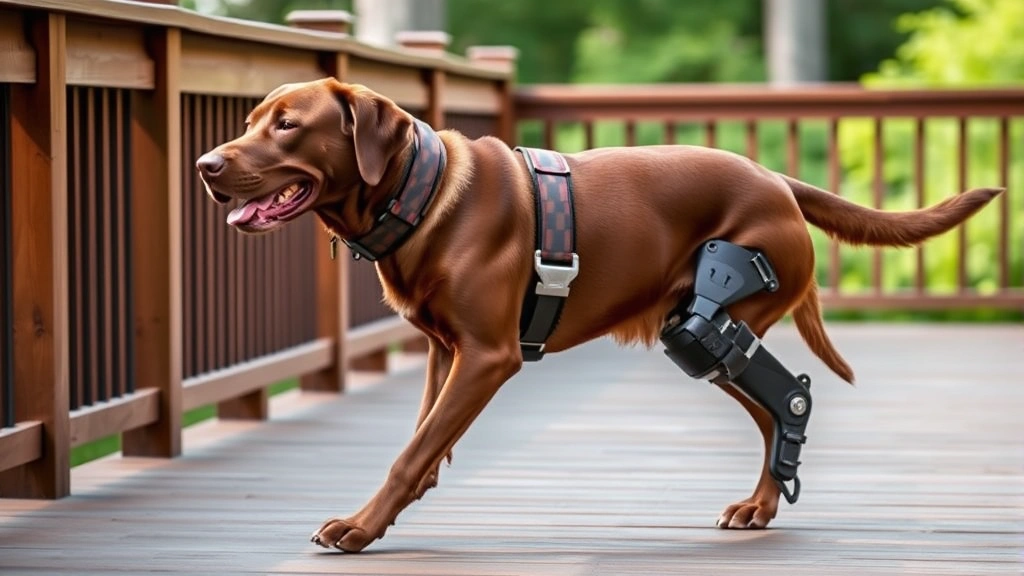
When your dog needs serious knee support—especially for conditions like cruciate ligament injuries—a hinged knee brace is the MVP. These feature metal or plastic hinges that mimic the natural movement of the knee joint while preventing harmful lateral motion. They’re more expensive than compression wraps but offer superior stability for dogs dealing with significant knee issues.
3. Carpal/Wrist Braces
Front leg injuries are common, and canine wrist braces specifically target the carpal joint area. These are particularly useful for dogs with sprains or arthritis affecting their front legs. The design allows for natural walking while providing crucial support to prevent excessive flexion.
4. Custom-Molded Orthotic Braces
If your dog has a complex injury or unique anatomy, custom braces are worth the investment. Your vet can work with an orthotist to create a perfectly fitted brace tailored to your dog’s specific needs. Yes, they’re pricier, but the results are often worth every penny.
5. Hock Braces for Rear Leg Support
The hock is essentially your dog’s ankle, and injuries there can really slow down your pup. Hock braces provide targeted support for rear leg issues and are especially helpful for senior dogs with arthritis affecting their back legs.
How to Choose the Right Brace for Your Dog
Selecting a dog leg brace isn’t like picking out a new toy—it requires some thought. First, consult your veterinarian to understand the exact nature of your dog’s injury. Are we talking about a minor sprain or a major ligament tear? Your vet’s diagnosis should drive your choice.
Consider your dog’s size, activity level, and tolerance for wearing supportive gear. Some dogs adapt quickly to braces, while others need a gradual introduction. Measure your dog’s leg accurately using your vet’s guidance—a poorly fitting brace can actually cause more problems than it solves.
Think about your lifestyle too. If your dog spends most time indoors resting, a simpler compression wrap might suffice. If they’re an active pup who needs to maintain mobility, you might want a more sophisticated hinged brace. Also consider whether you need a brace that’s easy to manage during car rides or one that works well with your dog’s preferred resting setup.
Proper Fitting and Application Tips
A perfectly chosen brace won’t help if it’s fitted incorrectly. Most braces should be snug enough to provide support but loose enough that you can slip a finger underneath. You should never see skin bunching or swelling below the brace, which indicates it’s too tight.
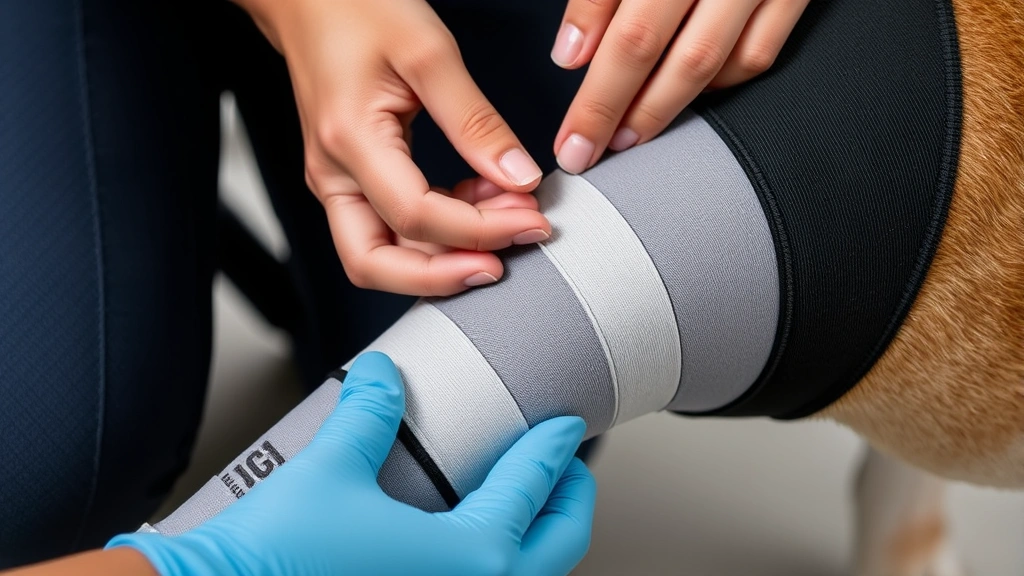
Start with shorter wearing periods—maybe 30 minutes to an hour—and gradually increase as your dog adjusts. Some dogs need a few days to get comfortable with the sensation. Watch for signs of irritation, and always give your dog’s skin a break between wearing sessions.
Check the fit regularly, especially as your dog heals and their swelling decreases. A brace that was perfect last week might be too loose this week. According to the American Kennel Club, proper fit is crucial for both effectiveness and comfort.
The Recovery Timeline: What to Expect
Recovery varies wildly depending on the injury severity. Minor sprains might show improvement within 2-3 weeks, while serious ligament injuries could take 8-12 weeks or longer. Your dog’s age, overall health, and compliance with rest recommendations all play a role.
A quality dog leg brace can significantly shorten recovery time by preventing re-injury during the healing phase. Many vets recommend combining brace use with controlled exercise, supplements, and sometimes physical therapy for optimal results.
Don’t expect overnight miracles, though. Healing takes time, and your dog might still limp initially even with proper support. That’s normal. Consistency is key—keep that brace on during recommended hours, maintain activity restrictions your vet suggests, and be patient with your pup’s recovery journey.
Combining Braces With Other Support Methods
A dog leg brace works best as part of a comprehensive approach to your dog’s recovery. Consider adding a cooling dog bed to reduce inflammation during rest periods. Joint supplements containing glucosamine and chondroitin can support cartilage health. Some vets recommend ice or heat therapy in conjunction with bracing.
Maintaining a healthy weight is crucial—extra pounds put unnecessary stress on injured joints. If your dog is overweight, work with your vet on a gentle weight management plan. Even a 5-10% reduction can significantly improve joint stress and mobility.
Physical therapy exercises, when appropriate, can strengthen the muscles around the injured joint and support faster recovery. Your vet or a veterinary physical therapist can recommend specific movements that won’t aggravate the injury.
Common Mistakes Dog Owners Make With Leg Braces
The biggest mistake? Thinking a brace means your dog can return to normal activity immediately. A brace provides support, not a cure. Your dog still needs rest and restricted activity during healing.
Another common error is choosing the wrong size or type without veterinary input. Just because a brace worked for your neighbor’s dog doesn’t mean it’s right for yours. Every injury is different.
Some owners also neglect skin care, leading to irritation or infection under the brace. Always keep the area clean and dry, and give skin regular breaks from the brace.
Finally, don’t abandon the brace too early. Even if your dog seems better, premature removal can lead to re-injury. Follow your vet’s timeline for gradually reducing brace use.
When to Consult Your Veterinarian
Before purchasing any dog leg brace, get professional input. Your vet needs to rule out serious conditions like fractures or severe ligament tears that might require surgery. PetMD emphasizes that proper diagnosis is essential before starting any treatment plan.
Also consult your vet if your dog’s condition worsens despite brace use, if the brace causes skin irritation, or if your dog shows signs of infection. Some injuries that initially seem like candidates for conservative treatment with a brace actually need surgical intervention.
Your veterinarian is your best resource for understanding whether a brace is appropriate and which type would be most beneficial for your specific dog’s situation.
Frequently Asked Questions
How long does my dog need to wear a leg brace?
Duration depends on the injury severity and your dog’s healing rate. Minor sprains might require 3-6 weeks of consistent brace use, while more serious injuries could need 8-12 weeks or longer. Always follow your veterinarian’s recommendations for wearing duration and gradually reduce usage as healing progresses.
Can my dog sleep with a leg brace on?
Most vets recommend removing the brace during sleep to allow skin to breathe and reduce pressure on the joint. However, some dogs with severe injuries might need 24/7 support. Discuss this with your vet, but generally, nighttime removal is preferred unless otherwise instructed.
Are dog leg braces waterproof?
Most standard dog leg braces aren’t fully waterproof, though many are water-resistant. If your dog needs to go outside in wet weather, consider removing the brace or using a protective covering. Always dry the brace thoroughly if it gets wet to prevent skin issues.
How much do dog leg braces cost?
Prices range from $30-50 for basic compression wraps to $300-800+ for custom orthotic braces. Most standard hinged braces fall in the $100-300 range. While it’s tempting to go cheap, investing in a quality brace from a reputable manufacturer often provides better results and durability.
Can my dog walk normally with a leg brace?
Yes, properly fitted braces allow relatively normal walking while providing crucial support. Your dog might have a slightly altered gait initially, but most dogs adapt quickly. The brace should enhance mobility, not restrict it.
What’s the difference between a brace and a wrap?
Wraps provide compression and mild support, while braces offer structural support with hinges or rigid components. Wraps are better for minor issues, while braces are necessary for moderate to severe injuries. Your vet can recommend which is appropriate for your dog’s situation.
Conclusion: Giving Your Dog the Support They Need
A dog leg brace can be a game-changer for your injured or arthritic pup, offering relief from pain and support during the healing process. Whether you choose a simple compression wrap or a sophisticated hinged brace, the key is selecting the right option for your dog’s specific needs with veterinary guidance.
Remember that a brace is just one part of a comprehensive recovery plan that includes rest, activity modification, and sometimes additional therapies. Be patient with your dog’s healing journey—recovery takes time, but with proper support, most dogs bounce back to their happy, active selves.
Work closely with your veterinarian throughout the process, monitor your dog’s progress, and don’t hesitate to adjust your approach if needed. Your dog is counting on you to help them feel better, and a quality dog leg brace combined with professional veterinary care can make all the difference in getting them back to chasing squirrels and wagging their tail with confidence.
If you’re managing other aspects of your dog’s comfort during recovery, don’t forget that proper rest setup matters too—a cooling dog bed can help reduce inflammation, and a collapsible dog crate provides a comfortable recovery space when you need to restrict activity.





