
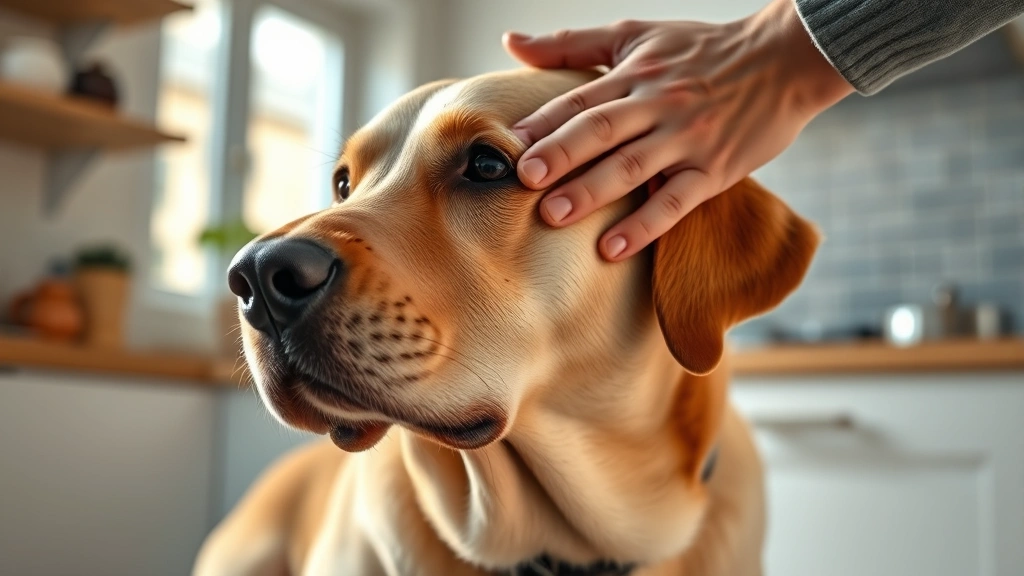
When your dog has loose stool and vomiting happening at the same time, it’s enough to make any pet parent want to pull their hair out. One minute your pup is happily munching their kibble, and the next thing you know, you’re cleaning up a mess that looks like a crime scene. But here’s the good news: dog loose stool and vomiting isn’t always a sign of something catastrophic, and there are proven ways to get your furry friend feeling better fast.
Table of Contents
- What Causes Dog Loose Stool and Vomiting?
- Solution 1: The 24-Hour Fast (With Caution)
- Solution 2: Bland Diet Recovery Protocol
- Solution 3: Hydration and Electrolyte Balance
- Solution 4: Probiotic and Digestive Enzyme Support
- Solution 5: Identifying and Eliminating Trigger Foods
- When to Call the Vet (And When to Panic)
- Parasites: The Silent Culprit
- The Role of Stress and Anxiety
- Prevention: The Best Medicine
- Frequently Asked Questions
- Conclusion: Getting Your Pup Back to Normal
What Causes Dog Loose Stool and Vomiting?
Before we jump into solutions, let’s talk about why your dog’s digestive system is throwing a tantrum. There are actually quite a few culprits behind simultaneous loose stools and vomiting in dogs. The most common causes include dietary indiscretion (fancy term for “your dog ate something they shouldn’t have”), food sensitivities, parasites, infections, or even stress.
Sometimes it’s as simple as your pup getting into the trash or scarfing down a treat their stomach can’t handle. Other times, it could be something more serious like gastroenteritis or food poisoning. The key is figuring out which category your dog falls into, and that’s where we come in.
Solution 1: The 24-Hour Fast (With Caution)
If your dog is vomiting and has diarrhea, one of the first things vets recommend is giving their digestive system a break. A 24-hour fast can work wonders for mild cases. This means no food, but water is absolutely essential—keep fresh water available at all times to prevent dehydration.
However, this isn’t a one-size-fits-all solution. Puppies, senior dogs, and dogs with certain medical conditions shouldn’t fast without veterinary guidance. If your dog has been vomiting for more than a few hours or seems lethargic, skip the fasting and call your vet immediately.
Solution 2: Bland Diet Recovery Protocol
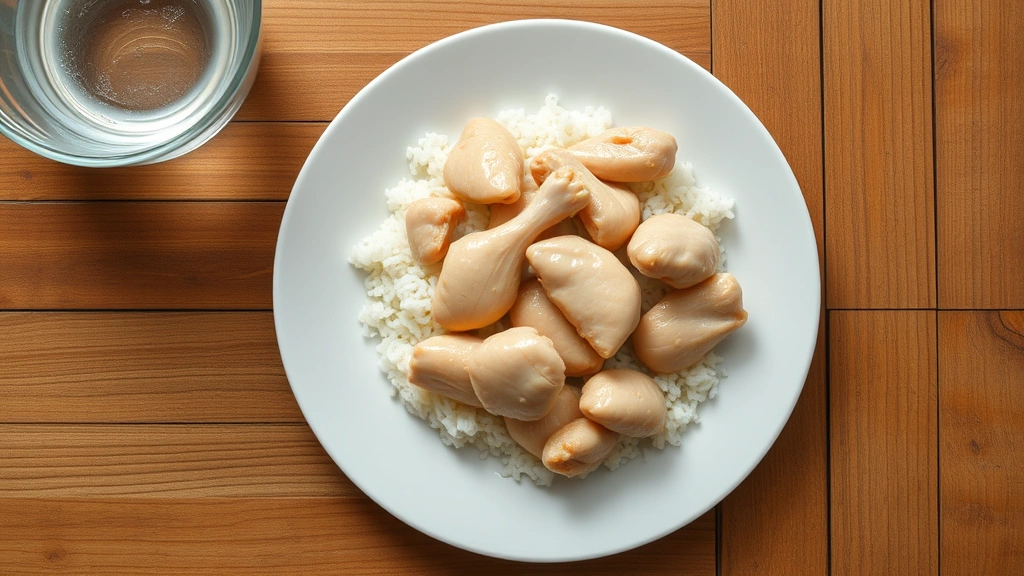
After the fasting period, it’s time to introduce some gentle foods that won’t upset your dog’s sensitive stomach. This is where convalescence foods from the kitchen come into play. Boiled chicken and white rice is the classic combination for a reason—it’s bland, easy to digest, and most dogs find it palatable.
You can also consider can dogs eat chicken in various preparations, but stick with plain boiled versions without seasoning or oils. Some vets also recommend plain pumpkin puree (not pie filling) as it can help regulate both diarrhea and constipation. Feed small portions every 2-3 hours rather than one large meal. Gradually reintroduce their regular food over 7-10 days by mixing increasing amounts of their normal kibble with the bland diet.
Solution 3: Hydration and Electrolyte Balance
When your dog is experiencing loose stool and vomiting simultaneously, they’re losing fluids faster than a melting ice cream cone on a hot day. Dehydration is a serious concern that can quickly escalate a minor digestive upset into a major emergency.
Make sure your dog has constant access to fresh, clean water. Some dogs won’t drink much when they’re feeling sick, so you might need to encourage them. Offer water in small amounts frequently rather than one big bowl. If your dog refuses water entirely or shows signs of severe dehydration (sunken eyes, lethargy, dry gums), contact your vet or an emergency clinic immediately. In some cases, your vet might recommend electrolyte solutions designed for dogs to help restore proper fluid balance.
Solution 4: Probiotic and Digestive Enzyme Support
Your dog’s gut is home to millions of beneficial bacteria that help with digestion and immune function. When diarrhea strikes, these good bacteria get flushed out along with everything else. This is where probiotics come in handy.
Probiotics specifically formulated for dogs can help restore the healthy bacterial balance in their digestive tract. Look for products that contain multiple strains of beneficial bacteria like Lactobacillus and Bifidobacterium. You can also find probiotics in certain foods and supplements. Digestive enzymes can work alongside probiotics to help your dog break down food more efficiently and absorb nutrients properly. Many vets recommend starting probiotics as soon as you notice digestive issues and continuing for several weeks.
Solution 5: Identifying and Eliminating Trigger Foods
If your dog keeps experiencing loose stool and vomiting, there might be a specific food causing the problem. Food sensitivities in dogs are more common than you’d think, and they’re not the same as food allergies. Your dog might be sensitive to chicken, beef, grains, dairy, or any number of ingredients.
This is where pet diet transition advice becomes crucial. Work with your vet to implement an elimination diet, which involves removing potential trigger foods and slowly reintroducing them one at a time to identify the culprit. Keep a food diary documenting what your dog eats and any symptoms that follow. You might also consider safe vegetables for dogs as part of a limited ingredient diet during this investigation phase.
When to Call the Vet (And When to Panic)
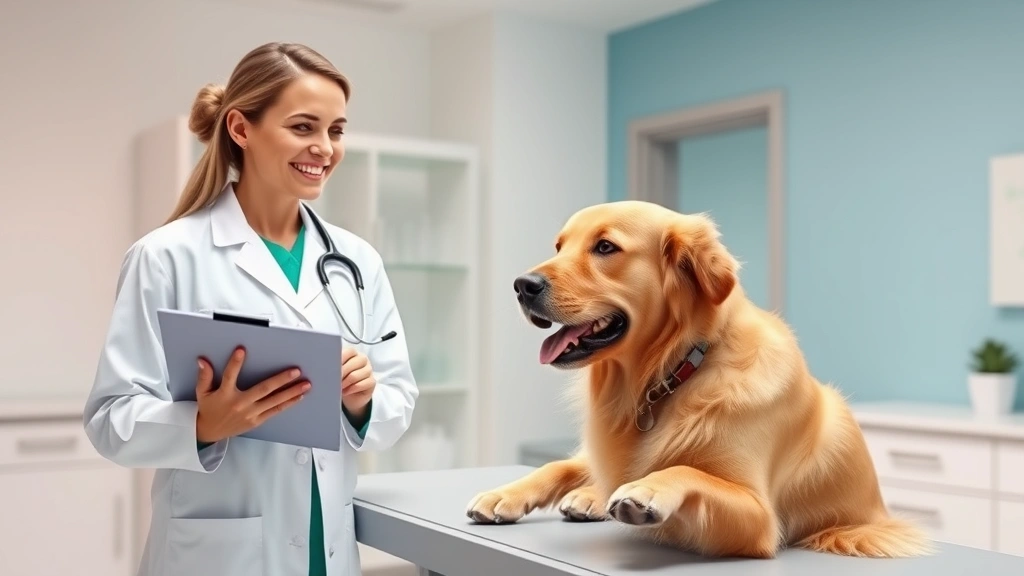
Not all cases of loose stool and vomiting require emergency intervention, but some absolutely do. Call your vet if symptoms persist for more than 24 hours, if your dog shows signs of severe dehydration, if there’s blood in the vomit or stool, or if your dog seems to be in pain. Also reach out if your dog is very young, very old, or has pre-existing health conditions.
Seek emergency care immediately if your dog is vomiting repeatedly without stopping, seems lethargic or unresponsive, has a distended or hard belly, or shows signs of shock. Don’t wait it out in these situations—your dog’s life could depend on quick action. Consider using telehealth vet appointments for initial consultations if you’re unsure whether a situation warrants an emergency visit.
Parasites: The Silent Culprit
One thing many dog owners overlook is parasites. Intestinal parasites like giardia, hookworms, and roundworms can cause exactly the symptoms you’re seeing: loose stool and vomiting. These sneaky little invaders are especially common in puppies and dogs who spend time outdoors or around other animals.
If your dog hasn’t been dewormed recently, that should be one of your first stops at the vet clinic. A simple stool sample can reveal whether parasites are the problem. Prevention is key here—keep your dog on regular parasite prevention medication as recommended by your vet. Also be aware that the opposite issue, constipation in dogs, can sometimes occur after treatment if your pup isn’t drinking enough water during recovery.
The Role of Stress and Anxiety
Here’s something that surprises a lot of people: stress can absolutely cause loose stool and vomiting in dogs. Changes in environment, new pets, loud noises, or even changes in their owner’s routine can trigger digestive upset in sensitive pups. If your dog’s symptoms started after a stressful event, this might be your answer.
In these cases, creating a calm, safe space for your dog is part of the solution. Consider anxiety-reducing supplements, calming treats, or even consulting with a veterinary behaviorist. Sometimes the best medicine is just giving your dog extra attention and reassurance during stressful times.
Prevention: The Best Medicine
Once you’ve gotten your dog through a bout of loose stool and vomiting, you’ll want to prevent it from happening again. Feed high-quality dog food appropriate for your dog’s age and size. Avoid sudden diet changes—always transition gradually over 7-10 days. Keep your dog away from human food, garbage, and other potential sources of dietary indiscretion.
Regular vet checkups help catch health issues before they become serious problems. Keep your dog’s vaccinations current and stay on top of parasite prevention. And maybe most importantly, know your dog well enough to notice when something’s off. Early intervention often means shorter recovery times and less suffering for your furry friend.
Frequently Asked Questions
How long should I wait before taking my dog to the vet for loose stool and vomiting?
If symptoms last more than 24 hours, your dog seems lethargic, or there’s blood in the vomit or stool, don’t wait—call your vet. For mild cases that improve within 24 hours, monitoring at home is usually fine, but when in doubt, it’s always better to get professional advice.
Can I give my dog over-the-counter anti-diarrheal medication?
Never give your dog over-the-counter medications without explicit veterinary approval. Some human anti-diarrheal medications can be harmful to dogs, and masking symptoms might prevent you from identifying a serious underlying condition. Always consult your vet first.
Is it normal for dogs to vomit occasionally?
Occasional vomiting might happen, but it’s not “normal” in the sense that it shouldn’t be ignored. If your dog vomits more than once a month or if vomiting is accompanied by other symptoms like loose stool, it’s worth investigating with your vet.
What’s the difference between diarrhea and loose stool in dogs?
Loose stool is softer than normal but still somewhat formed, while diarrhea is completely liquid. Both can indicate digestive upset, but true diarrhea is generally more concerning and warrants faster veterinary attention.
Can changing dog food cause loose stool and vomiting?
Absolutely. Sudden diet changes are one of the most common causes of digestive upset in dogs. This is why vets always recommend transitioning gradually over 7-10 days when switching foods.
Conclusion: Getting Your Pup Back to Normal
Dealing with a dog that has loose stool and vomiting is stressful, but in most cases, it’s manageable with the right approach. Start with the basics: rest, hydration, and a bland diet. Monitor your dog closely for any worsening symptoms, and don’t hesitate to call your vet if you’re concerned. Remember that every dog is unique, and what works for one might not work for another. Your vet is your best resource for creating a personalized recovery plan for your furry friend. With patience and proper care, most dogs bounce back quickly and return to their happy, healthy selves.





