
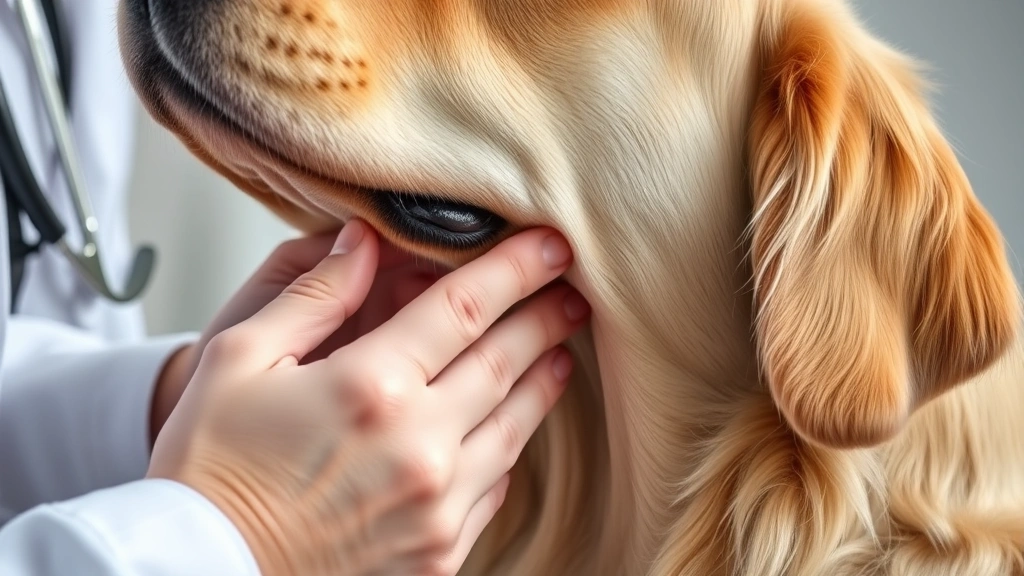
Your pup’s dog lymph nodes are like tiny security guards patrolling their body 24/7, fighting off infections and keeping them healthy. But when these little soldiers get enlarged, it’s time to pay attention. In this guide, we’ll break down everything you need to know about canine lymph nodes, why they swell, and when you should be calling your vet in a panic.
Table of Contents
- What Are Dog Lymph Nodes Anyway?
- Why Do Canine Lymph Nodes Get Swollen?
- Recognizing Swollen Lymph Nodes in Your Dog
- Common Health Conditions Causing Lymph Node Enlargement
- When Should You Panic? Red Flags Explained
- Diagnosis: What Your Vet Will Do
- Treatment Options for Swollen Lymph Nodes
- Home Care and Prevention Tips
- When to Consider Telehealth Vet Services
- Understanding Lymphoma in Dogs
- Frequently Asked Questions
- Summary: Taking Action on Your Dog’s Lymph Node Health
What Are Dog Lymph Nodes Anyway?
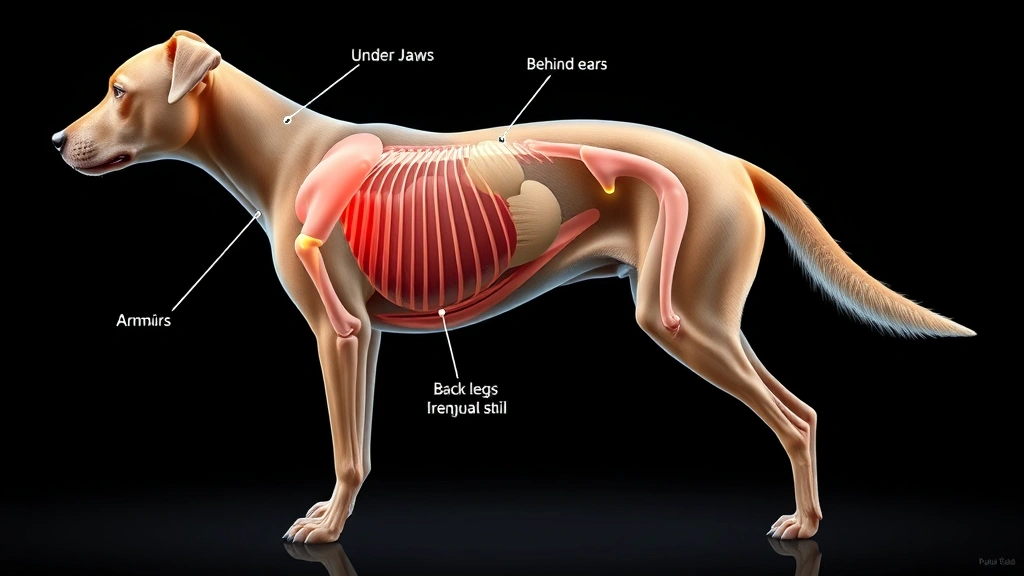
Think of dog lymph nodes as your furry friend’s internal defense system. These small, bean-shaped glands are scattered throughout your dog’s body—under the jaw, behind the ears, in the armpits, and behind the back legs. They’re part of the lymphatic system, which is basically your dog’s cleanup crew. When bacteria, viruses, or other nasties invade your pup’s body, these nodes spring into action, producing white blood cells to fight the good fight.
Healthy lymph nodes should be about the size of a pea or smaller. If you can feel them easily when you pet your dog, that’s usually a sign something’s up. Most dog owners never notice their pet’s lymph nodes until there’s a problem—and honestly, that’s the way it should be.
Why Do Canine Lymph Nodes Get Swollen?
Swollen lymph nodes in dogs are basically a red flag that their immune system is working overtime. The most common culprits include:
Infections: Bacterial, viral, or fungal infections will cause your dog’s lymph nodes to enlarge as they produce more white blood cells. Think of it like calling in reinforcements.
Allergies: Yes, dogs get allergies too, and they can trigger lymph node swelling. Food allergies, environmental allergies, or skin conditions might be the sneaky culprit. Check out our guide on human foods for pets with food allergies if you suspect dietary issues.
Parasites: Fleas, ticks, and internal parasites can make those nodes swell up faster than you can say “flea treatment.”
Cancer: This is the scary one nobody wants to think about, but lymphoma and other cancers can cause significant enlargement of lymph nodes. Early detection is crucial here.
Recognizing Swollen Lymph Nodes in Your Dog
So how do you actually spot the problem? Here’s what to look for when examining your dog’s lymph nodes:
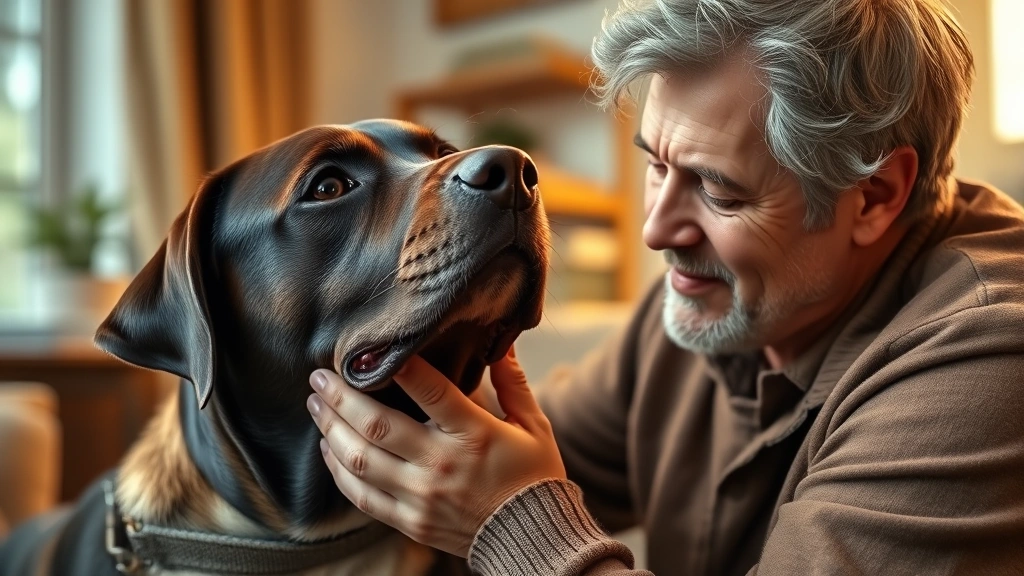
The easiest places to check are under your dog’s jaw and behind their ears. Gently feel around—you might notice lumps or bumps that shouldn’t be there. Some dogs will have swollen nodes that are clearly visible, while others require a careful hands-on inspection. If your pup seems uncomfortable when you touch certain areas, that’s another warning sign.
Other symptoms accompanying swollen lymph nodes might include lethargy, loss of appetite, fever, or discharge from the eyes and nose. If your dog is acting like they’ve been hit by a truck and you notice enlarged nodes, it’s definitely time for a vet visit.
Common Health Conditions Causing Lymph Node Enlargement
Generalized lymphadenopathy (fancy vet speak for “all the lymph nodes are swollen”) can indicate systemic issues. Kennel cough, a viral infection that spreads like wildfire in dog parks, commonly causes this. Ear infections, skin infections, and other localized problems might cause nodes near that area to puff up.
Autoimmune diseases can also trigger widespread inflammation throughout your dog’s lymphatic system. These conditions are trickier to diagnose and might require blood work or biopsies. If you suspect something serious, when to call the vet about food applies to other health concerns too—don’t wait around hoping it resolves itself.
When Should You Panic? Red Flags Explained
Not every swollen lymph node means your dog is dying, but some situations definitely warrant immediate attention. If the swelling came on suddenly and is severe, get to the vet ASAP. If your dog has multiple enlarged nodes combined with fever, vomiting, or diarrhea, that’s a code red.
Rapid weight loss alongside swollen nodes is concerning and could indicate cancer or a serious infection. Difficulty eating or breathing due to enlarged nodes in the throat area requires emergency care. And if you notice discharge, bleeding, or the nodes feel hard and immobile (rather than squishy), those are all red flags.
For urgent situations, emergency vet for food poisoning services can help you get immediate care, though you might need to call your emergency clinic directly if it’s after hours.
Diagnosis: What Your Vet Will Do
When you bring your swollen-noded pup to the vet, they’ll perform a thorough physical examination. They’ll palpate (fancy word for “feel around”) all the major lymph node areas to assess size and consistency. Your vet will ask about your dog’s recent activities, any symptoms you’ve noticed, and their vaccination history.
Depending on what they find, your vet might recommend blood work to check for infections or abnormal cells. They might take a sample from the enlarged node using a fine needle aspiration—basically a tiny needle biopsy that’s quick and relatively painless. In some cases, ultrasound or X-rays help visualize what’s going on internally.
If cancer is suspected, a full biopsy might be necessary. I know it sounds scary, but getting answers is always better than wondering and worrying.
Treatment Options for Swollen Lymph Nodes
Treatment depends entirely on what’s causing the swelling. If it’s a bacterial infection, antibiotics are your friend. Viral infections usually just need time and supportive care—think rest, fluids, and comfort. Parasites get the boot with appropriate parasite treatments.
For allergies, identifying and eliminating the trigger is key. This might mean switching dog food, starting allergy medications, or environmental modifications. online vet advice for food reactions can help you navigate dietary changes with professional guidance.
Cancer treatment is more complex and might involve chemotherapy, radiation, or surgery depending on the type and stage. Your vet might refer you to a veterinary oncologist for specialized care. Autoimmune conditions typically require immunosuppressive medications to calm down your dog’s overactive immune system.
Home Care and Prevention Tips
While you’re waiting for vet appointments or supporting your dog through treatment, there are things you can do at home. Keep your pup comfortable and stress-free—a calm dog heals better than an anxious one. Make sure they’re drinking plenty of water and eating nutritious food (unless your vet says otherwise).
Prevention is always better than treatment. Keep your dog’s vaccinations current—they protect against many infections that cause lymph node swelling. Regular parasite prevention is non-negotiable. Maintain good hygiene, especially after visits to dog parks or areas where infections spread easily.
Monitor your dog regularly by doing gentle palpation of their lymph nodes. Knowing what’s normal for your individual dog makes it easier to spot changes early. And yes, that means you need to get familiar with your dog’s body.
When to Consider Telehealth Vet Services
Not every swollen lymph node situation requires an in-person visit immediately. If your dog seems otherwise healthy and the swelling is mild, telehealth vet appointments can be a convenient first step. You can describe the symptoms, show photos, and get professional advice without leaving home.
Telehealth is great for follow-up questions after an in-person diagnosis, medication adjustments, or getting a second opinion. However, physical examination is impossible remotely, so if your vet needs to palpate those nodes or perform diagnostics, you’ll need an actual clinic visit.
Understanding Lymphoma in Dogs
Lymphoma is the most common cancer in dogs, and swollen lymph nodes are often the first sign. This cancer affects the lymphocytes (white blood cells) and can spread throughout the body. The good news? If caught early, treatment options like chemotherapy can extend your dog’s quality of life significantly.
Dogs with lymphoma might live months to years depending on the type and stage. Many owners are surprised at how well their dogs tolerate chemotherapy—side effects are often minimal compared to humans. If your vet suspects lymphoma, don’t lose hope. Modern veterinary oncology has come a long way.
Frequently Asked Questions
How long does it take for swollen lymph nodes to go down in dogs?
It depends on the cause. Infection-related swelling might decrease within days to weeks of starting treatment. Cancer-related swelling might take longer or might not decrease without aggressive treatment. Always follow your vet’s timeline and don’t expect overnight results.
Can I feel my dog’s lymph nodes if they’re normal?
Sometimes, yes. Normal lymph nodes are small and firm, about the size of a pea or smaller. They shouldn’t be obviously prominent, but you might feel them if your dog is thin or if you know where to look. If you can easily grab them between your fingers, they’re probably enlarged.
Are swollen lymph nodes always serious?
Not necessarily. A mild infection causing temporary swelling is far less serious than cancer, but it still needs attention. The key is getting your vet’s professional opinion rather than guessing at home.
What’s the difference between localized and generalized lymph node swelling?
Localized swelling (just one area) usually indicates a problem nearby—like an ear infection causing jaw node swelling. Generalized swelling (multiple nodes) suggests a systemic issue affecting the whole body, which is more concerning and requires broader investigation.
Can stress cause swollen lymph nodes in dogs?
Chronic stress can suppress immune function, making dogs more susceptible to infections that cause swelling. However, stress alone doesn’t directly cause lymph node enlargement. If your anxious dog has swollen nodes, look for an underlying infection or condition.
Is it normal for senior dogs to have enlarged lymph nodes?
Not really. Age doesn’t automatically mean enlarged nodes, but older dogs are more prone to cancer and chronic infections. Any swelling should be evaluated regardless of age, though it becomes increasingly important in senior dogs.
Summary: Taking Action on Your Dog’s Lymph Node Health
Your dog’s lymph nodes are working hard to keep them healthy, and when they swell, it’s their way of sending an SOS signal. While not every case of swollen nodes means disaster, it’s never something to ignore or hope goes away on its own. The responsible pet parent gets it checked out.
Whether it’s a minor infection that resolves with antibiotics or something more serious requiring long-term management, early detection and professional care make all the difference. Keep an eye on your pup, learn to feel those nodes, and trust your gut when something feels off. Your dog’s health depends on it, and your vet is your best ally in keeping that tail wagging for years to come.
If you notice any swelling, changes in appetite, or unusual behavior, don’t wait. Your dog is counting on you to be their advocate.





