
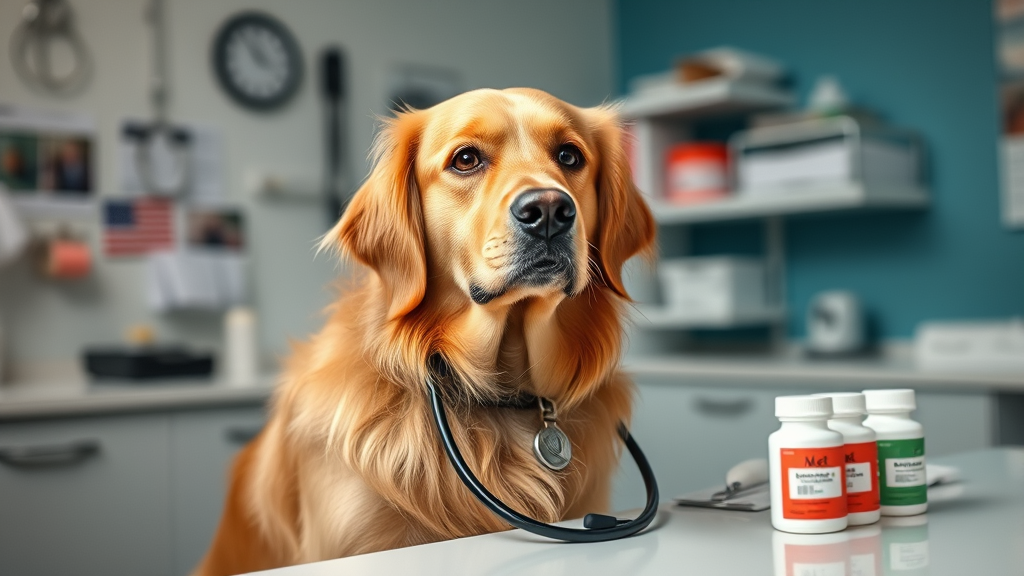
When your beloved canine companion is suffering from allergies, bee stings, or motion sickness, you might wonder if Benadryl could provide relief. This common over-the-counter antihistamine is indeed safe for dogs when used correctly, but determining the proper dosage is crucial for your pet’s safety and well-being.
Understanding how much benadryl can i give my dog requires careful consideration of your dog’s weight, health condition, and the specific formulation of Benadryl you’re using. Many pet owners turn to this human medication as a first-aid solution, but without proper guidance, even safe medications can become dangerous.
This comprehensive guide will walk you through everything you need to know about administering Benadryl to your dog safely, including proper dosing calculations, potential side effects, and when to seek veterinary care instead of self-medicating your pet.
Understanding Benadryl for Dogs
Benadryl, generically known as diphenhydramine, is a first-generation antihistamine that works by blocking histamine receptors in the body. When dogs experience allergic reactions, their immune system releases histamine, causing symptoms like itching, swelling, and inflammation. By blocking these receptors, Benadryl can effectively reduce these uncomfortable symptoms.
The American Kennel Club recognizes Benadryl as generally safe for dogs when used appropriately. However, it’s important to understand that not all Benadryl formulations are created equal. The standard pink and white capsules or tablets containing only diphenhydramine are typically safe, but many combination products contain additional ingredients that can be harmful to dogs.
Before considering whether can dogs have benadryl, pet owners should be aware that this medication works differently in dogs than in humans. Dogs metabolize diphenhydramine more quickly than humans, which affects both the dosage requirements and duration of effects.
Safe Dosage Guidelines
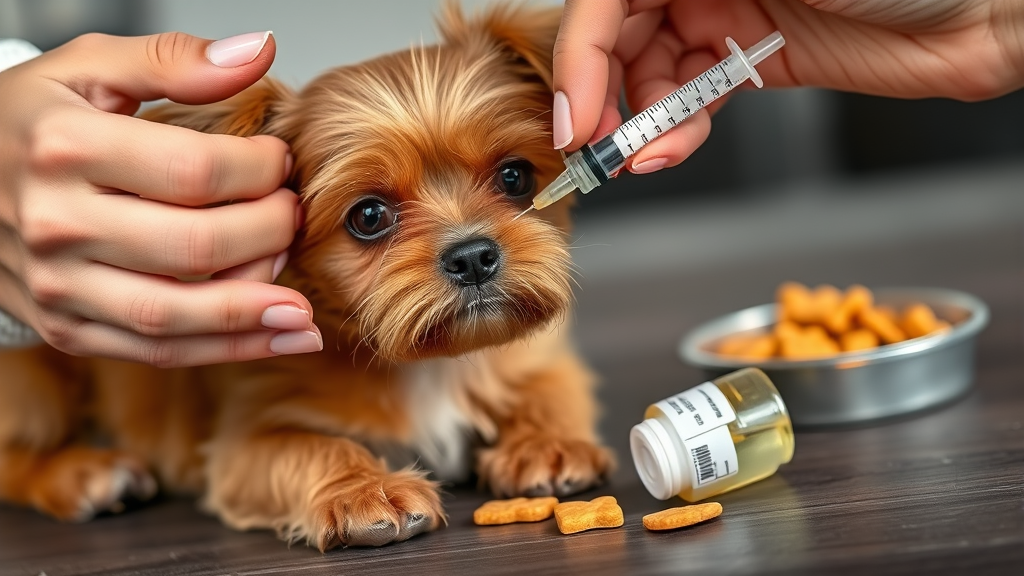
The general rule for Benadryl dosage in dogs is 1 milligram per pound of body weight, given every 8 to 12 hours. This means a 25-pound dog would typically receive 25mg of diphenhydramine. However, this is a general guideline, and the exact dosage can vary based on several factors including your dog’s age, health status, and the severity of symptoms.
Most veterinarians recommend starting with the lower end of the dosage range and monitoring your dog’s response. For dogs weighing less than 10 pounds, it’s particularly important to consult with a veterinarian before administering any medication, as small dogs are more susceptible to overdose.
When calculating how much benadryl can you give a dog, always use products that contain only diphenhydramine. Standard Benadryl tablets typically contain 25mg of diphenhydramine, while liquid formulations may contain 12.5mg per teaspoon. Children’s Benadryl liquid often contains different concentrations, so careful label reading is essential.
Never exceed 3mg per pound of body weight in a 24-hour period, and don’t give Benadryl more frequently than every 8 hours. If symptoms persist beyond 48 hours of treatment, discontinue use and consult your veterinarian immediately.
When to Use Benadryl for Dogs
Benadryl can be effective for treating various conditions in dogs, primarily those involving allergic reactions or histamine responses. Common situations where Benadryl might be appropriate include mild allergic reactions to insect bites or stings, environmental allergies causing itching and scratching, and mild anxiety or motion sickness during travel.
Seasonal allergies often plague dogs just as they do humans, causing symptoms like excessive scratching, red or watery eyes, and skin irritation. The American Veterinary Medical Association notes that antihistamines like Benadryl can provide relief for these symptoms when used appropriately.
Some pet owners also use Benadryl as a mild sedative for situations that cause anxiety, such as thunderstorms, fireworks, or car rides. However, it’s worth noting that why is my dog shaking during these events might require different interventions, and Benadryl isn’t always the most effective solution for anxiety-related issues.
Benadryl should not be used for severe allergic reactions, difficulty breathing, or any condition requiring immediate veterinary attention. It’s also not appropriate for long-term management of chronic conditions without veterinary supervision.

Administration Methods and Tips
Successfully administering Benadryl to your dog requires patience and the right technique. Tablets can be hidden in soft treats, peanut butter (xylitol-free), or wrapped in cheese. Many dogs will readily accept medication when it’s disguised in something delicious.
Liquid formulations can be easier to dose accurately, especially for smaller dogs, but ensure you’re using a formulation designed for children that doesn’t contain alcohol or artificial sweeteners like xylitol, which is toxic to dogs. Always use a syringe or dropper to measure liquid medications accurately rather than estimating with household spoons.
Some dogs are particularly resistant to taking medication. In these cases, you might need to place the tablet directly on the back of your dog’s tongue and gently hold their mouth closed while stroking their throat to encourage swallowing. Always follow medication administration with praise and possibly a small treat to create positive associations.
Unlike some other medications pet owners might consider, such as exploring how much zyrtec can i give my dog or wondering about can i give my dog tylenol, Benadryl can be given with or without food, though giving it with a small amount of food may help prevent stomach upset in sensitive dogs.
Side Effects and Safety Warnings
While Benadryl is generally safe for dogs, it can cause side effects, particularly when given in incorrect doses or to dogs with certain health conditions. Common side effects include drowsiness, dry mouth, urinary retention, and in some cases, paradoxical hyperactivity rather than sedation.
More serious side effects can occur with overdose or in sensitive dogs, including rapid heartbeat, difficulty breathing, tremors, or seizures. The ASPCA Animal Poison Control Center should be contacted immediately if you suspect your dog has received too much Benadryl or is experiencing severe adverse reactions.
Certain dogs should never receive Benadryl without veterinary supervision, including those with glaucoma, enlarged prostate, heart disease, high blood pressure, or bladder obstruction. Pregnant or nursing dogs should also avoid antihistamines unless specifically prescribed by a veterinarian.
It’s crucial to avoid combination products that contain additional active ingredients. Unlike questions about whether can dogs have pepto bismol for digestive issues, Benadryl products often contain other medications like acetaminophen, pseudoephedrine, or alcohol, all of which can be dangerous or fatal to dogs.
Always read labels carefully and choose products containing only diphenhydramine. If you’re unsure about any ingredient, consult your veterinarian or a veterinary pharmacist before administration.
Alternatives and Special Considerations
While Benadryl can be effective for certain conditions, it’s not always the best choice for every dog or every situation. Many veterinarians prefer prescribing dog-specific antihistamines like hydroxyzine or cetirizine, which may be more effective and have fewer side effects than diphenhydramine.
For dogs with chronic allergies, environmental management might be more effective than medication. This includes regular bathing with hypoallergenic shampoos, using air purifiers, and identifying and avoiding specific allergens. The FDA’s Center for Veterinary Medicine provides detailed information about comprehensive allergy management in pets.
Some conditions that might seem like allergic reactions could actually be other issues. For instance, if you’re wondering can dogs get lice, the itching and scratching associated with parasites won’t respond to antihistamines and requires specific antiparasitic treatments.
Natural alternatives like oatmeal baths, coconut oil application, or omega-3 fatty acid supplements might provide relief for mild skin irritation without the potential side effects of medication. However, these should complement, not replace, appropriate veterinary care for serious conditions.
Before administering any over-the-counter medication to your dog, consider whether the situation truly requires immediate intervention or if it would be better addressed by professional veterinary evaluation. Many conditions that seem minor can be symptoms of more serious underlying health issues.
Frequently Asked Questions
How quickly does Benadryl work in dogs?
Benadryl typically begins working within 30 minutes to 1 hour after administration in dogs. Peak effects usually occur within 1-2 hours, and the medication’s effects generally last 8-12 hours. However, drowsiness may persist longer, especially in older dogs or those receiving higher doses.
Can I give my dog Benadryl every day?
While Benadryl can be given daily for short periods under veterinary guidance, long-term daily use is not recommended without professional supervision. Chronic conditions requiring daily antihistamines are better managed with veterinary-prescribed medications specifically designed for long-term use in dogs.
What should I do if my dog accidentally gets too much Benadryl?
If you suspect your dog has received an overdose of Benadryl, contact your veterinarian or the ASPCA Animal Poison Control Center immediately at (888) 426-4435. Signs of overdose include severe drowsiness, difficulty breathing, rapid heartbeat, tremors, or seizures. Don’t wait for symptoms to appear if you know an overdose has occurred.
Is children’s Benadryl safer for small dogs?
Children’s Benadryl liquid can be easier to dose accurately for small dogs, but it’s not inherently safer than adult formulations. The key is ensuring the product contains only diphenhydramine and calculating the correct dose based on your dog’s weight. Always check that children’s formulations don’t contain xylitol or alcohol.
Can Benadryl interact with my dog’s other medications?
Yes, Benadryl can interact with various medications including sedatives, antidepressants, and certain heart medications. Always inform your veterinarian about all medications and supplements your dog is taking before adding Benadryl to their regimen. This includes flea and tick preventatives and any other over-the-counter treatments.
How do I know if my dog is having an allergic reaction that needs immediate vet care?
Seek immediate veterinary attention if your dog experiences difficulty breathing, severe swelling (especially of the face or throat), vomiting, diarrhea, collapse, or extreme lethargy. These signs indicate a serious allergic reaction that requires professional treatment beyond what Benadryl can provide. According to the Humane Society, severe reactions can be life-threatening and need immediate intervention.
Are there any dog breeds that shouldn’t take Benadryl?
While no specific breeds are universally prohibited from taking Benadryl, brachycephalic breeds (those with flat faces like bulldogs and pugs) may be more sensitive to the sedating effects and should be monitored closely. Dogs with pre-existing respiratory issues should only receive Benadryl under veterinary supervision, as the medication can potentially worsen breathing difficulties in some cases.





