
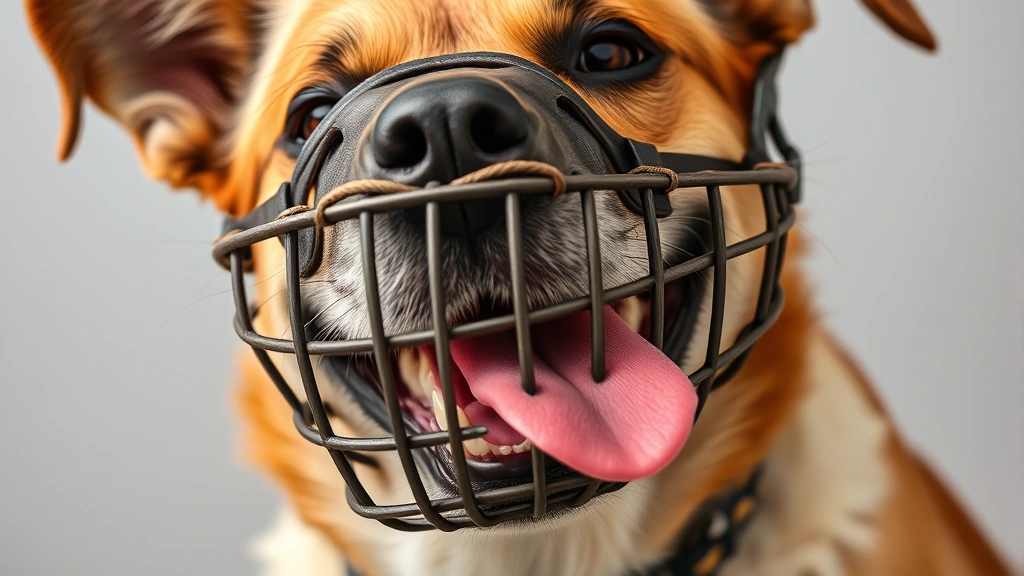
Dog muzzles get a bad rap, but here’s the truth: they’re one of the most misunderstood tools in pet safety. When used correctly, dog muzzles aren’t instruments of punishment—they’re protective gear that keeps your pup, other pets, and people safe. Whether you’re dealing with a nervous rescue, a dog with resource guarding issues, or just need a safety backup during vet visits, understanding how to properly use and fit dog muzzles is essential knowledge for any responsible dog owner.
Table of Contents
- Why Dog Muzzles Matter More Than You Think
- Types of Dog Muzzles: Finding Your Perfect Fit
- Measuring and Fitting Dog Muzzles Correctly
- The Desensitization Process: Making Dog Muzzles Your Friend
- Common Muzzle Training Mistakes to Avoid
- Dog Muzzles and Behavioral Issues: When Professional Help Matters
- Legal and Liability Considerations
- Maintenance and Hygiene of Dog Muzzles
- Alternative Tools and When to Use Them
- Special Situations: Muzzles for Vet Visits, Grooming, and Travel
- When Dog Muzzles Aren’t the Right Solution
- Frequently Asked Questions
- Conclusion: Dog Muzzles as Responsible Pet Ownership
Why Dog Muzzles Matter More Than You Think
Let’s cut through the Hollywood drama. Dog muzzles serve legitimate purposes that go way beyond what most people imagine. A properly fitted muzzle prevents accidental bites during stressful situations—think thunderstorms, fireworks, or unfamiliar environments where even the sweetest dog might snap defensively. According to the American Kennel Club, muzzles are crucial training tools for dogs with bite histories or severe anxiety. They’re also essential for dogs recovering from surgery who might chew at bandages or stitches. The key difference between a harmful muzzle and a humane one? Knowledge and proper fit.
Types of Dog Muzzles: Finding Your Perfect Fit
Not all dog muzzles are created equal, and choosing the wrong type can actually harm your dog. The basket muzzle is the gold standard for long-term wear—it allows your dog to pant, drink water, and even take treats while wearing it. These typically come in plastic or wire construction and look like a small cage around the snout. Then there’s the soft muzzle, often made from neoprene or fabric, which is great for short-term use like vet visits but shouldn’t be worn for extended periods since it restricts panting. Loop muzzles are the least humane option and should generally be avoided unless you’re working with a professional trainer. Choosing the right muzzle type depends on your dog’s specific needs and how long they’ll wear it.
Measuring and Fitting Dog Muzzles Correctly
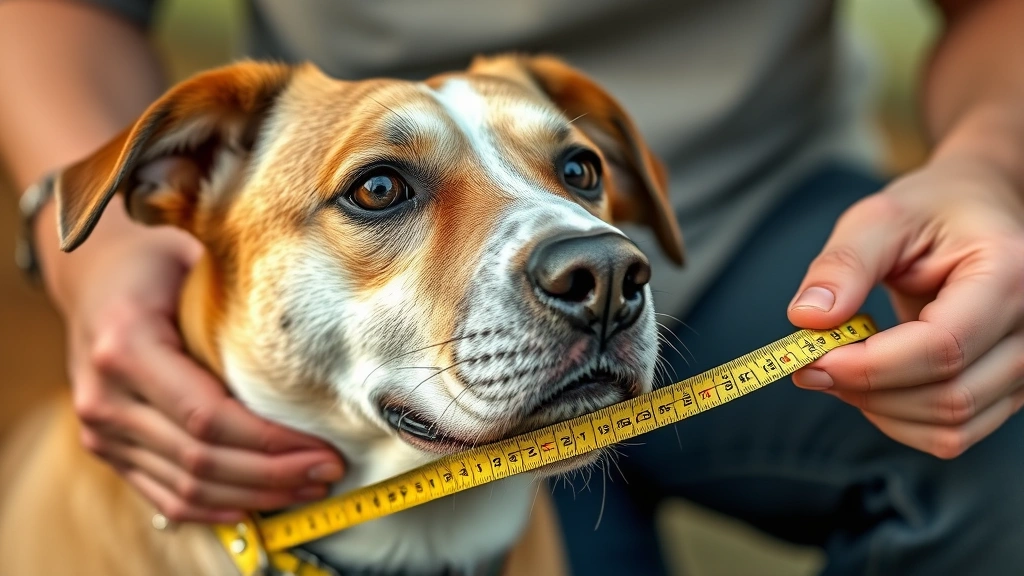
Here’s where most people mess up: they guess at sizing. A poorly fitted muzzle causes discomfort and defeats the entire purpose of safe, humane use. Measure your dog’s snout circumference at the widest point with a soft measuring tape—this should be snug but not tight. The muzzle should allow your dog to open their mouth slightly, pant, and ideally accept small treats. Your dog’s nose should fit comfortably inside without rubbing. When you first fit a muzzle, your dog should be able to shake it off with effort, but it shouldn’t slip off easily during normal movement. Pro tip: take your dog to a professional groomer or vet if you’re unsure about sizing—they’ve fitted hundreds of dogs and can guide you toward the perfect fit.
The Desensitization Process: Making Dog Muzzles Your Friend
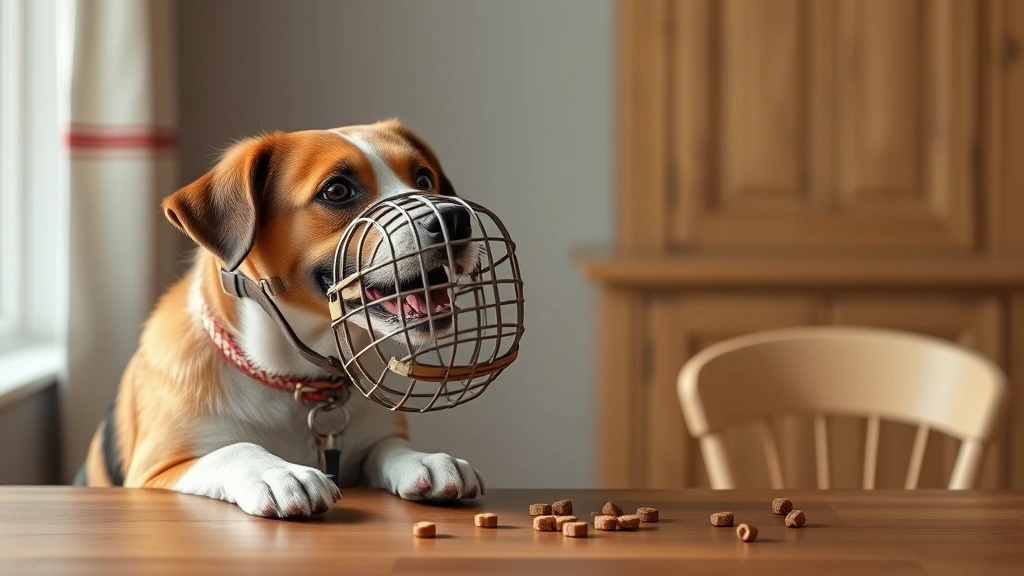
Forcing a muzzle on an unwilling dog is a recipe for disaster and trauma. Instead, treat muzzle training like introducing any new piece of equipment. Start by letting your dog sniff and investigate the muzzle for several days with zero pressure. Then, hold it near their face while offering high-value treats—chicken, cheese, whatever makes their tail wag. Gradually, let them push their snout into the muzzle for treats. Only after several positive sessions should you attempt to fasten it, and even then, keep it on for just seconds before removing it and celebrating. This process takes patience—sometimes weeks—but the payoff is a dog who actually cooperates rather than panics.
Common Muzzle Training Mistakes to Avoid
The biggest mistake? Using dog muzzles as punishment. Never put a muzzle on an already-anxious dog and immediately do something they hate (like nail trimming) without proper conditioning. This creates a negative association that’s hard to undo. Another error is leaving a muzzle on too long—even basket muzzles shouldn’t be worn for more than a few hours at a time without breaks. Don’t use a muzzle as a substitute for training or behavior modification; it’s a management tool, not a cure. And please, never use a muzzle during unsupervised play or when your dog is alone—there’s always a risk of it getting caught or causing distress. Finally, avoid purchasing muzzles online without proper sizing guidance; one size definitely does not fit all dogs.
Dog Muzzles and Behavioral Issues: When Professional Help Matters
If your dog has a history of aggression or severe anxiety, dog muzzles should be part of a comprehensive behavior plan under professional guidance. PetMD recommends consulting with a certified professional dog trainer or veterinary behaviorist before implementing muzzle use for behavioral issues. A muzzle alone won’t fix resource guarding, fear-based aggression, or reactivity—it just prevents the bite while you work on the underlying cause. Your vet or trainer can help determine whether a muzzle is appropriate, which type suits your dog’s specific situation, and how to integrate it into a behavior modification protocol.
Legal and Liability Considerations
Some jurisdictions have specific laws about dog muzzles, and certain breeds face breed-specific legislation requiring muzzle use in public spaces. Check your local ordinances before assuming you can or cannot use a muzzle. More importantly, if your dog has bitten someone or another animal, using a muzzle demonstrates responsible ownership and may actually reduce your liability in legal situations. Document your muzzle training process and keep records of professional training sessions—this creates a paper trail showing you’re taking safety seriously. Many homeowner’s and renter’s insurance policies look favorably on muzzle use for dogs with behavioral concerns.
Maintenance and Hygiene of Dog Muzzles
A dirty muzzle is an uncomfortable muzzle. Plastic and wire basket muzzles should be cleaned weekly with warm soapy water and air-dried completely. Neoprene soft muzzles can be hand-washed and should be dried thoroughly to prevent mold and odor. Inspect your muzzle regularly for cracks, sharp edges, or wear that could irritate your dog’s skin. If your dog has skin sensitivities or dermatitis, consider lining the muzzle with soft fabric or consulting your vet about alternatives. Replace muzzles as your dog grows—puppies outgrow equipment quickly, and an oversized muzzle defeats the safety purpose.
Alternative Tools and When to Use Them
Dog muzzles aren’t the only safety tool available. Head halters like the Gentle Leader give you control during walks without restricting the mouth. Harnesses distribute pressure more evenly than collars. Some situations might call for crates instead of muzzles—particularly for dogs with extreme anxiety. Oregon State University’s Extension Service provides excellent resources on choosing between different management tools based on your specific situation. The best approach often combines multiple tools with consistent training and professional guidance.
Special Situations: Muzzles for Vet Visits, Grooming, and Travel
Many dogs benefit from muzzle training specifically for vet visits, where they might be frightened or in pain and more likely to bite defensively. A basket muzzle allows the vet to examine your dog while keeping everyone safe. For grooming, soft muzzles work well for short periods, though some groomers prefer working without them if your dog is cooperative. During travel, a muzzle can prevent your dog from biting if they’re stressed or startled by unexpected situations. The key is introducing the muzzle in low-stress environments first, so your dog isn’t experiencing multiple stressors simultaneously.
When Dog Muzzles Aren’t the Right Solution
Sometimes dog muzzles create more problems than they solve. Dogs with severe anxiety or panic disorders might need medication and behavior modification instead of—or in addition to—a muzzle. Puppies under six months rarely need muzzles unless there’s a specific medical reason. Dogs with severe respiratory issues, flat faces (like Bulldogs), or certain health conditions might struggle with muzzles and need alternative solutions. If your dog shows extreme distress, refusal to eat or drink, or behavioral escalation after muzzle introduction, stop using it and consult your veterinarian or a certified trainer.
Frequently Asked Questions
Are dog muzzles cruel or inhumane?
Not when used correctly. A properly fitted basket muzzle allows panting, drinking, and even eating treats. The cruelty comes from improper fit, extended wear, or using muzzles as punishment. When introduced gradually and used appropriately, muzzles are humane safety tools.
How long can a dog wear a muzzle?
Basket muzzles can be worn for a few hours at a time with breaks. Soft muzzles should only be worn for 15-30 minutes maximum. Never leave a muzzle on an unsupervised dog. Always remove the muzzle if your dog shows signs of distress, overheating, or anxiety.
Will a muzzle stop my dog from biting?
A muzzle prevents bites physically but doesn’t address the underlying behavior causing aggression or fear. Use muzzles as a management tool while working with a professional trainer or veterinary behaviorist on the root cause.
Can I use a muzzle to stop my dog from eating harmful foods?
A muzzle can prevent access to dangerous items during specific situations, but it’s not a long-term solution. For dogs who eat harmful foods for dogs or toxic substances, management through crating, supervision, and training is more effective. If your dog ingests something dangerous, contact Pet Poison Hotline immediately or seek Emergency Food Poisoning Telehealth services.
What’s the difference between a basket muzzle and a soft muzzle?
Basket muzzles (plastic or wire) allow full mouth opening, panting, and drinking—suitable for longer wear. Soft muzzles (neoprene/fabric) restrict mouth opening and are only for short-term use like vet visits. Basket muzzles are more humane for extended wear.
How do I know if a muzzle fits correctly?
Your dog should be able to pant, open their mouth slightly, and ideally accept treats. The muzzle shouldn’t rub or pinch. You should fit one finger comfortably between the muzzle and your dog’s snout. When properly fitted, your dog can shake it off with effort but it won’t slip off during normal movement.
Conclusion: Dog Muzzles as Responsible Pet Ownership
Dog muzzles represent a commitment to safety—for your dog, other animals, and people in your community. They’re not instruments of cruelty when chosen, fitted, and introduced correctly. Whether you’re managing a rescue with an unknown history, preventing resource-guarding incidents, or simply being cautious during vet visits, understanding dog muzzles transforms them from scary restraints into practical safety equipment. The path to muzzle success requires patience, proper sizing, positive conditioning, and often professional guidance. But the payoff is enormous: a safer dog who can participate more fully in family life without the constant worry of accidental bites. Start with realistic expectations, commit to proper training, and remember that a muzzle is just one tool in your comprehensive approach to responsible dog ownership. Your dog—and your community—will thank you.





