
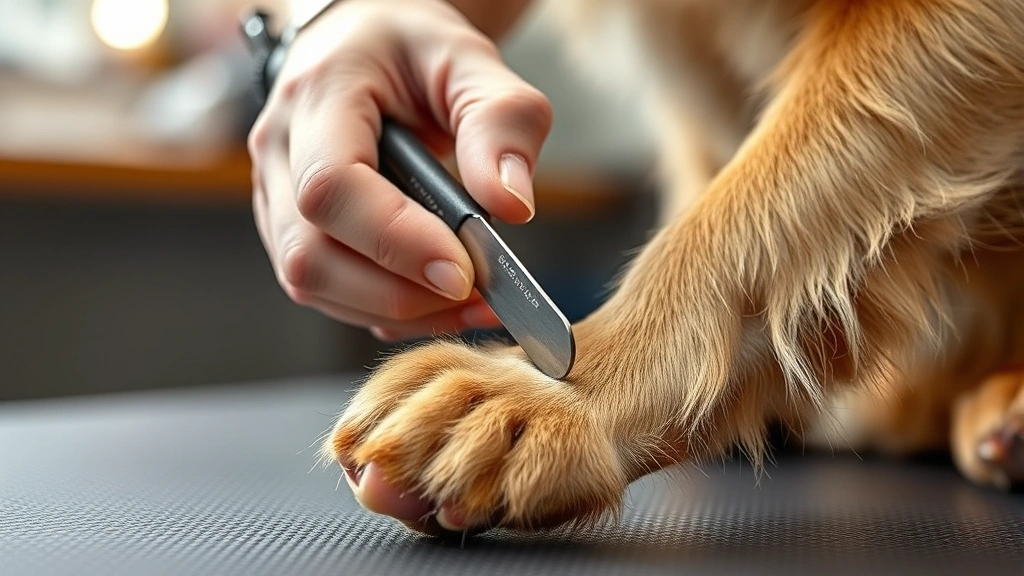
A dog nail file is one of those grooming tools that separates the “I’m doing this myself” pet parents from the ones frantically Googling “emergency vet near me” at 11 PM. Whether your pup has nails that sound like tap-dancing when they walk across hardwood floors or you’re just tired of paying $30 every six weeks for a grooming appointment, learning to file your dog’s nails at home is a game-changer.
Table of Contents
- Why Your Dog Needs Regular Nail Maintenance
- Electric Dog Nail Grinders vs. Traditional Files
- The 5 Best Dog Nail Files for Home Grooming
- How to Use a Dog Nail File Safely
- Signs Your Dog’s Nails Need Filing
- Making Nail Filing Less Stressful for Anxious Dogs
- Professional Grooming vs. At-Home Filing
- Common Mistakes to Avoid When Filing Dog Nails
- Budget-Friendly Tips for At-Home Nail Care
- Choosing the Right File for Your Dog’s Breed
- Frequently Asked Questions
- Final Thoughts: Investing in Your Dog’s Paw Health
But here’s the thing: not all nail files are created equal. Grab the wrong one, and you’ll be wrestling with your furry friend while they’re convinced you’re trying to torture them. The right dog nail file makes the process smooth, safe, and dare I say, almost pleasant for both of you.
Why Your Dog Needs Regular Nail Maintenance
Before we dive into the best dog nail files on the market, let’s talk about why this matters. Dogs with overgrown nails aren’t just clicking their way around your house like tiny tap dancers—they’re actually at risk for some serious issues. Long nails can cause joint problems, alter their gait, and even lead to painful ingrown nails. It’s like wearing shoes that are two sizes too small; sure, you can do it, but why would you?
Regular nail trimming keeps your pup’s paws healthy and prevents those unexpected scratches on your furniture (and your legs). Plus, there’s something oddly satisfying about keeping their nails neat and tidy. According to the American Kennel Club, most dogs need their nails trimmed every 3-4 weeks, though this varies based on activity level and nail growth rate.
Electric Dog Nail Grinders vs. Traditional Files
The eternal debate: should you use an electric grinder or stick with a traditional dog nail file? Both have their merits, and honestly, the best choice depends on your dog’s personality and your comfort level.
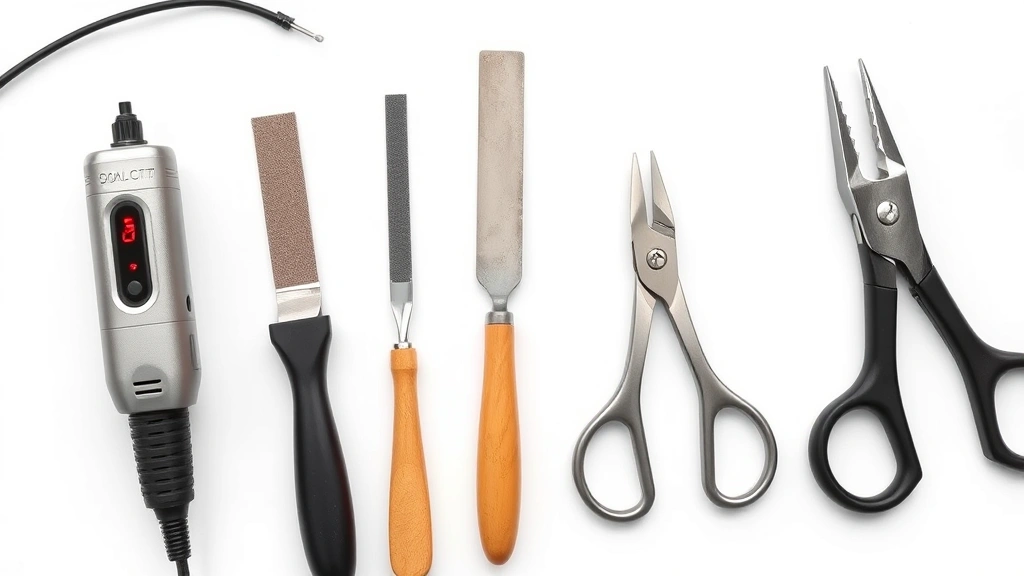
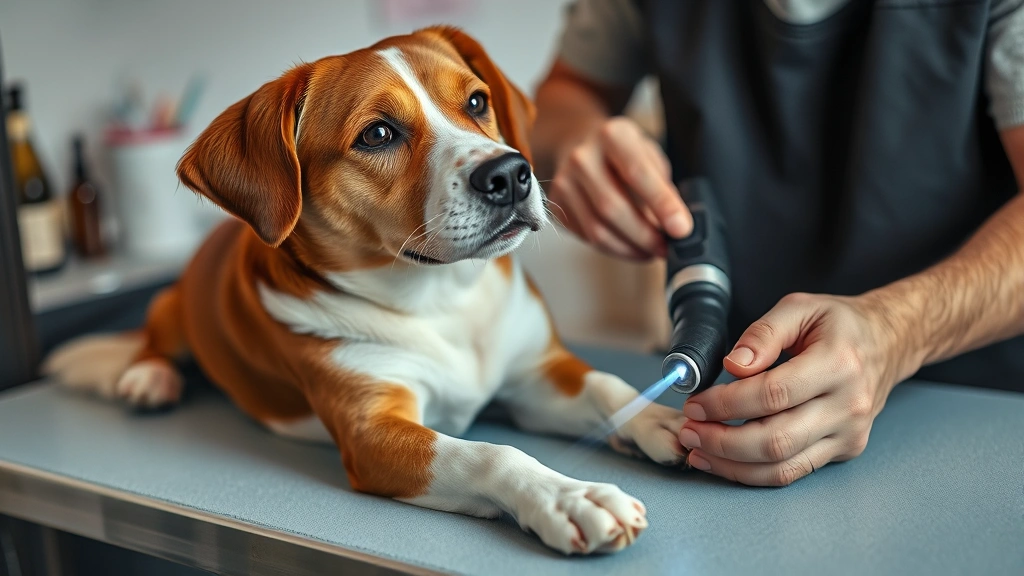
Electric grinders are fast and efficient, but they can be loud and intimidating for noise-sensitive pups. A traditional dog nail file is quieter, gives you more control, and feels less threatening to anxious dogs. Many vets actually recommend starting with a file if your dog is new to nail maintenance. You’ve got time—use it to build your dog’s confidence with the process.
The 5 Best Dog Nail Files for Home Grooming
1. Dremel 7300-N Pet Nail Grooming Tool
Okay, so this is technically an electric grinder, but it deserves a spot on this list because it’s the gateway drug for people who want to graduate from traditional files. It’s cordless, has variable speed settings, and comes with safety guards. The low noise level makes it less terrifying for sensitive pups. Price-wise, you’re looking at around $40-50, which pays for itself after two professional grooming sessions.
2. Safari Professional Stainless Steel Dog Nail File
This is your classic, no-frills dog nail file that actually works. It’s got a double-sided design with different grits, stainless steel construction that won’t rust, and a comfortable grip. At around $8-12, it’s affordable enough that you won’t feel guilty keeping it in your grooming kit. It’s perfect for maintenance between professional grooming or for dogs with slower nail growth.
3. Hertzko Professional Dog Nail File
If you want a dog nail file that feels premium without the premium price tag, this is it. The curved design fits naturally in your hand, and the fine grit works smoothly without causing splitting or cracking. It’s especially great for smaller breeds or dogs with sensitive nails. At about $10-15, it’s a solid investment in your pup’s paw health.
4. PetDog Nail Grinder with LED Light
This electric option is a game-changer if you’ve got a particularly squirmy pup. The LED light lets you see exactly what you’re doing (crucial for avoiding that quick), and it’s quieter than most grinders. It’s also got a low vibration setting that some dogs find less stressful. You’ll spend around $35-45, but the precision is worth it.
3-in-1 Nail Care Kit by Vet’s Best
Sometimes you want options. This kit comes with a traditional file, a grinder attachment, and nail clippers, so you can figure out what your dog prefers. It’s like the Swiss Army knife of nail care. At around $25-30, it’s a reasonable way to test different methods without committing to just one tool. Plus, it makes a great gift for fellow dog parents who are tired of expensive grooming bills.
How to Use a Dog Nail File Safely
Using a dog nail file isn’t rocket science, but there are definitely some techniques that work better than others. First, get your dog comfortable with you handling their paws. This might take several sessions if they’re not used to it. Reward them with treats and praise—we’re building positive associations here.
When you’re ready to file, hold their paw gently but firmly. You want to file at a 45-degree angle, working from the outer edge toward the center. This prevents splitting and keeps the nail smooth. Don’t file in a sawing motion; instead, use gentle, controlled strokes. The goal is to gradually round the tip, not to aggressively grind it down in one session.
Stop before you reach the quick (that pinkish area inside the nail). If you can see a small dark dot in the center of the nail, that’s your warning sign—you’re getting close. If your dog has dark nails and you can’t see the quick, go slowly and stop frequently. Better to do multiple sessions than to hit the quick and have a bleeding, traumatized pup.
Signs Your Dog’s Nails Need Filing
How do you know when it’s time to break out the dog nail file? Listen to your floors. If you hear clicking sounds when your dog walks on hard surfaces, their nails are too long. You should also be able to slip a piece of paper under their nails when they’re standing on a flat surface. If you can’t, it’s time to file.
Another sign is if your dog is limping or favoring certain paws. Overgrown nails can actually cause pain and affect their gait. Some dogs also develop behavioral issues from uncomfortable nails—they might be more irritable or reluctant to go for walks. Regular maintenance with a quality dog nail file prevents all of this.
Making Nail Filing Less Stressful for Anxious Dogs
Not all dogs are cool with having their paws handled. If your pup is in the anxious category, here’s how to make the experience less traumatic. Start by just handling their paws during calm moments, no tools involved. Let them get used to the sensation and your touch. Reward heavily with treats they absolutely love.
Next, introduce the dog nail file without using it. Let them sniff it, lick it, and get familiar with it. Make it a positive thing. Only when they’re comfortable should you actually start filing. And when you do, keep sessions short—maybe just one or two nails at a time. It’s better to do this over multiple days than to force a marathon session that traumatizes them.
Consider using a grooming loop or having someone else hold your dog during the process. Some dogs do better when they’re secured and can’t wiggle away. Also, PetMD recommends filing during calm times of day, not when your dog is already excited or anxious about something else.
Professional Grooming vs. At-Home Filing
Let’s be real: some people would rather pay for professional grooming than deal with the hassle at home. And that’s totally valid. Professional groomers have experience with all types of dogs and nail conditions, and they can handle even the most difficult pups. However, regular maintenance with a dog nail file between professional appointments can extend the time between visits and save you money.
Think of it like dental care. You brush your teeth at home, but you still see a dentist regularly. Same concept applies to your dog’s nails. A quick file job every week or two keeps them manageable, and then you only need professional grooming every 8-12 weeks instead of every 4 weeks.
Common Mistakes to Avoid When Filing Dog Nails
Even with the best dog nail file, people still manage to mess things up. The most common mistake is filing too aggressively. You’re not trying to remove the entire nail in one session; you’re maintaining it. Gentle, consistent pressure is your friend here.
Another mistake is ignoring the quick. If your dog has light-colored nails, you can see it easily. If they have dark nails, go slower and check frequently. Hitting the quick is painful for your dog and will cause bleeding. It’s also a surefire way to make them hate nail maintenance forever.
Don’t neglect the dewclaws (those little nails on the inside of the front legs). They don’t touch the ground, so they grow faster and can actually curl back and grow into the paw pad if left unchecked. Include them in your regular maintenance routine.
Budget-Friendly Tips for At-Home Nail Care
If cost is a concern, here’s the good news: a basic dog nail file costs less than a single professional grooming appointment. Invest in one quality file and some treats, and you’re set. You don’t need fancy equipment or expensive tools to keep your dog’s nails healthy.
If you’re really on a budget, even a human nail file works in a pinch (though it’s not ideal). The key is consistency. Filing your dog’s nails regularly at home is infinitely cheaper than dealing with nail-related health issues down the road. Plus, you’re building a bond with your pup and learning to handle their paws, which is useful for other grooming tasks and health checks.
For dogs with specific health concerns, like those mentioned in articles about cancerous skin tags on dogs, regular grooming sessions give you a chance to notice changes in their skin and paws. It’s preventative care at its finest.
Choosing the Right File for Your Dog’s Breed
Different breeds have different nail characteristics. Large breeds with thick nails might benefit from an electric grinder, while small breeds with delicate nails do better with a traditional file. Dogs with dewclaws that grow quickly (like Cavachon dogs) might need more frequent maintenance.
Consider your dog’s temperament too. Anxious dogs do better with quiet tools, while confident pups might not mind the sound of an electric grinder. There’s no universal “best” dog nail file—there’s only the best one for your specific dog.
Frequently Asked Questions
How often should I use a dog nail file?
Most dogs need their nails maintained every 3-4 weeks. However, this depends on activity level, nail growth rate, and whether your dog spends time on concrete (which naturally wears nails down). If you hear clicking sounds, it’s time to file.
Can I use a human nail file on my dog?
Technically yes, but it’s not ideal. Human nail files are designed for softer nails and might not work efficiently on thicker dog nails. A file designed specifically for dogs will give you better results and last longer. That said, in a pinch, it works.
What do I do if I accidentally hit the quick?
Don’t panic. Apply gentle pressure with a clean cloth to stop the bleeding. If it won’t stop after a few minutes, contact your vet. Your dog might be sore, so be extra gentle with that paw for a few days. Use this as a learning experience to go slower next time.
Is an electric grinder better than a traditional file?
Not necessarily. It depends on your dog’s personality and your comfort level. Electric grinders are faster but can be loud and scary. Traditional files are quieter and give you more control. Many vets recommend starting with a file if your dog is anxious about nail maintenance.
Can I file my dog’s nails if they have health issues?
In most cases, yes. However, if your dog has arthritis, joint problems, or other health concerns that make standing or having their paws handled difficult, consult your vet first. For dogs with dietary sensitivities or other health conditions, like those discussed in articles about harmful foods for dogs, regular grooming is still important for overall health monitoring.
Should I sedate my dog to file their nails?
No, sedation isn’t necessary for routine nail filing. If your dog is extremely anxious, work with your vet on desensitization techniques or consider professional grooming. Sedation carries risks and should only be used in specific medical situations.
How do I know if I’m filing too much?
If you see a small dark dot in the center of the nail, that’s the quick. Stop immediately. If the nail starts to feel soft or warm, you’re also getting too close. The goal is to file the dead, white part of the nail only.
Final Thoughts: Investing in Your Dog’s Paw Health
A quality dog nail file is a small investment that pays huge dividends in your dog’s health and comfort. Whether you choose a traditional file or an electric grinder, the important thing is consistency. Regular maintenance prevents painful overgrown nails, joint problems, and behavioral issues that come from uncomfortable paws.
Start slow, be patient with your pup, and remember that this is a bonding experience. Your dog learns to trust you with their care, and you develop skills that will serve you throughout their life. Plus, you’ll save a fortune on grooming appointments. It’s a win-win situation, even if your dog doesn’t appreciate it at first.
For comprehensive pet health information, consider scheduling a virtual pet checkup with your vet if you have questions about your dog’s specific nail care needs. They can offer personalized advice based on your dog’s age, breed, and health status.
Your dog’s paws carry them through life—keep them healthy, comfortable, and click-free with regular filing and the right tools.





