
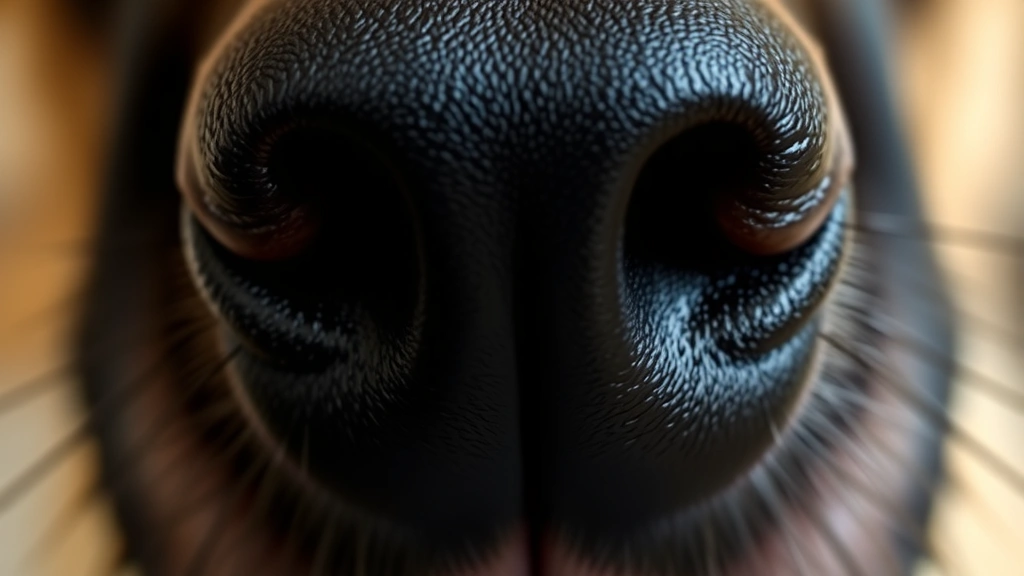
Your dog’s nose tells you way more than you’d think—and I’m not just talking about their incredible sense of smell. A healthy dog nose is actually one of the best early warning systems you have for catching health issues before they become serious problems. Whether your pup’s sniffer is wet, dry, crusty, or discolored, these changes can signal everything from minor irritation to conditions that need veterinary attention.
Table of Contents
- Why Your Dog’s Nose Matters More Than You Think
- Sign #1: The Mysterious Dry Dog Nose—When Wetness Matters
- Sign #2: Crusty, Flaky, or Peeling Skin on the Nose
- Sign #3: Discoloration and Color Changes
- Sign #4: Discharge and Nasal Congestion
- Sign #5: Swelling, Lumps, and Abnormal Texture
- Understanding Canine Nasal Health Conditions
- When to Call Your Vet vs. When to Panic
- Home Care and Prevention Tips
- Frequently Asked Questions
- Conclusion: Your Dog’s Nose is Their Health Window
Why Your Dog’s Nose Matters More Than You Think
Let’s be real: most of us don’t spend a ton of time staring at our dog’s nose. But we should. Your dog’s nasal health is directly connected to their overall wellbeing, and changes in their nose can be the first red flag that something’s off. Dogs have around 300 million olfactory receptors (compared to our measly 6 million), so their nose is basically their superpower. When that superpower isn’t working right, your dog feels it.
The skin on a dog’s nose is incredibly sensitive and prone to issues that humans rarely experience. Plus, the nose is exposed to dirt, allergens, and bacteria constantly. Understanding what’s normal and what’s not could literally save your dog from unnecessary suffering.
Sign #1: The Mysterious Dry Dog Nose—When Wetness Matters
Here’s the thing about the wet dog nose myth: it’s not entirely a myth, but it’s not the whole story either. A wet nose is typically a sign of good health because dogs naturally secrete mucus to enhance their sense of smell. But a dry dog nose? That’s where things get interesting.
A persistently dry nose can indicate dehydration, allergies, or even autoimmune conditions like pemphigus or lupus. If your dog’s nose is dry and they’re also lethargic or not eating well, that’s a vet visit situation. However, a temporarily dry nose after sleeping or during dry weather? Totally normal. The key is watching for patterns and accompanying symptoms.
Some breeds are just naturally prone to drier noses, so don’t panic if your pup’s nose isn’t a shiny wet button 24/7. But if you notice a sudden change from their baseline, pay attention.
Sign #2: Crusty, Flaky, or Peeling Skin on the Nose
Crusty noses are surprisingly common, and they can mean several different things. Sometimes it’s just hyperkeratosis—basically, the nose is producing too much keratin and getting crusty. Other times, it could be a fungal infection, bacterial infection, or even a sign of nutritional deficiency.
Breeds like Bulldogs and Pugs are notorious for crusty noses, but any dog can develop this issue. If the crust is accompanied by bleeding, discharge, or your dog seems uncomfortable, definitely schedule a vet appointment. In the meantime, you might consider skin and coat health foods to support nose health from the inside out.
One thing you should NOT do is use human products on your dog’s nose without veterinary approval. While many people ask can I put Neosporin on my dog, the answer is more complicated than a simple yes or no. Always check with your vet first, or explore can you use antibiotic ointment on dogs to understand the risks.
Sign #3: Discoloration and Color Changes
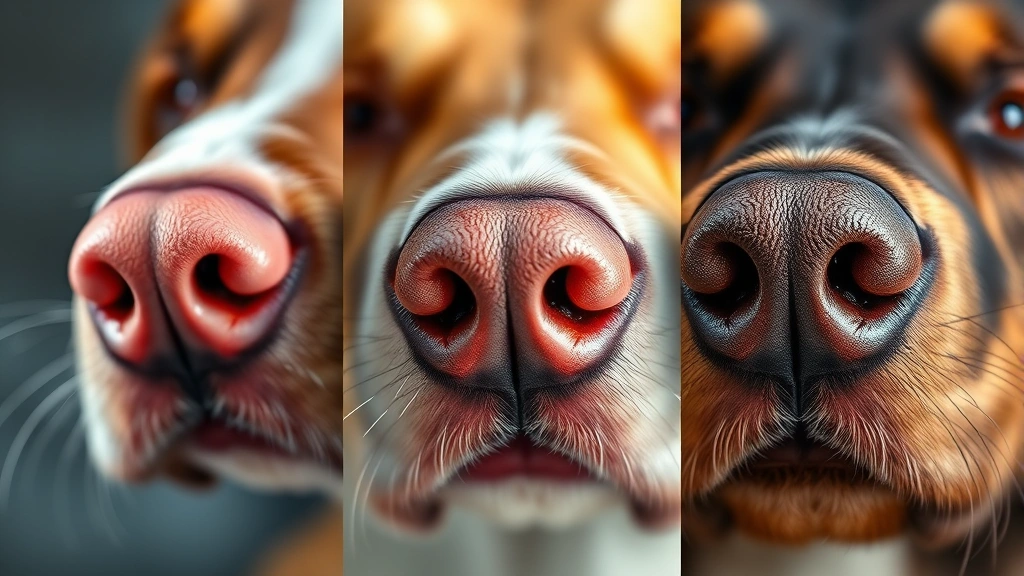
Your dog’s nose color is typically black, brown, or sometimes pink, depending on their breed and genetics. But when the color changes dramatically, it’s worth investigating. A nose that’s becoming lighter (called depigmentation) can indicate vitiligo, a condition where the body loses pigment. It’s not painful or dangerous, but it’s definitely a sign something’s happening.
Pink or red noses that weren’t pink or red before could signal sunburn, allergies, or infection. Some dogs are more prone to solar dermatitis (essentially, nose sunburn) than others, especially those with light-colored noses. If your dog spends a lot of time outdoors, consider dog-safe sunscreen for their nose.
A nose that’s turning white or grayish could indicate age-related changes, or it could be something more serious. When in doubt, snap a photo and virtual vet consultation for diet questions services can help you get professional eyes on it quickly.
Sign #4: Discharge and Nasal Congestion
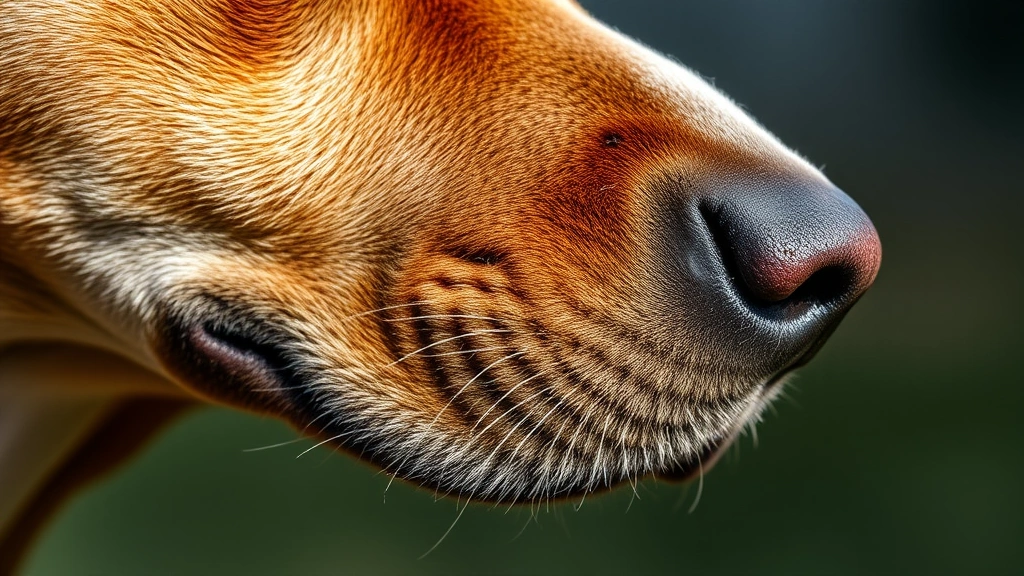
A little clear nasal discharge is normal, especially if your dog has been playing or is excited. But thick, colored discharge—especially if it’s yellow, green, or bloody—is a red flag. This could indicate a respiratory infection, nasal polyps, or even a foreign object stuck in the nose (yes, this happens more often than you’d think).
If your dog is sneezing excessively or seems congested, it could be allergies, but it could also be something that needs treatment. Chronic nasal discharge paired with facial swelling or difficulty breathing definitely warrants a vet visit. Don’t wait on this one.
Unilateral discharge (coming from just one nostril) is particularly concerning because it can indicate a tumor or foreign body. This is not something to manage at home—your vet needs to investigate.
Sign #5: Swelling, Lumps, and Abnormal Texture
Your dog’s nose should be smooth and symmetrical. If you notice swelling, lumps, or an unusual texture, that’s your cue to get it checked out. Swelling could be from an allergic reaction, infection, or trauma. Lumps could be benign growths or something more serious.
Some dogs develop what’s called a “bulldog nose” naturally, but sudden changes in nose shape or texture are abnormal. Hyperkeratosis (excessive keratin buildup) can make the nose look bumpy or textured, and while it’s often harmless, it can sometimes indicate an underlying condition.
Pay special attention if the swelling is accompanied by difficulty breathing or eating. That’s an emergency situation requiring immediate veterinary care.
Understanding Canine Nasal Health Conditions
Several specific conditions commonly affect a dog’s nose. Pemphigus is an autoimmune disease that causes crusty, ulcerated noses and is more common than people realize. Discoid lupus erythematosus (DLE) is another autoimmune condition that specifically targets the nose, causing depigmentation and crusting. Both require veterinary diagnosis and management.
Aspergillosis is a fungal infection that can cause nasal discharge and nosebleeds. It’s more common in dogs with compromised immune systems or certain breeds. Nasal mites are another possibility—yes, your dog can get mites in their nose, and it’s as gross as it sounds.
Allergies are probably the most common cause of nose issues, whether environmental allergies or food-related. When to call the vet about food questions can help you determine if dietary changes might help your dog’s nasal health.
When to Call Your Vet vs. When to Panic
Not every nose change is an emergency, but some are. Call your vet immediately if your dog has: difficulty breathing, unilateral nasal discharge, nosebleeds that won’t stop, facial swelling, or signs of pain around the nose area. These warrant prompt professional evaluation.
Schedule a regular appointment if you notice: gradual color changes, mild crusting without other symptoms, or slight discharge that’s not worsening. These can usually wait for a standard vet visit.
Monitor at home if your dog has: a temporarily dry nose after sleep, minor crusty spots that come and go, or very mild discharge without other symptoms. Keep an eye on these and note any progression.
Home Care and Prevention Tips
Keep your dog’s nose clean by gently wiping away any discharge with a soft cloth. Avoid exposing your dog’s nose to harsh chemicals, smoke, or extreme temperatures. If your dog spends significant time outdoors, consider the sun exposure factor and provide shade during peak hours.
Maintain good nutrition, as a healthy diet supports healthy skin everywhere, including the nose. Regular grooming helps you spot changes early. And yes, keep your dog hydrated—dehydration affects every part of their body, including their nose.
Avoid using human products on your dog’s nose without veterinary approval. What’s safe for humans isn’t always safe for dogs, and their nose is particularly sensitive.
Frequently Asked Questions
Why is my dog’s nose always wet?
A wet nose is usually healthy and normal! Dogs secrete mucus to enhance their sense of smell. However, excessive wetness with discharge might indicate an infection or allergy, so watch for other symptoms.
Is a dry dog nose always a sign of illness?
Not necessarily. A temporarily dry nose after sleep or during dry weather is normal. It becomes concerning only when it’s persistently dry and accompanied by other symptoms like lethargy or loss of appetite.
What does a healthy dog nose look like?
A healthy nose is smooth, symmetrical, and either wet or slightly moist. The color depends on your dog’s genetics and breed, but it should be consistent with their baseline. There should be no discharge, swelling, or crusty areas.
Can allergies cause nose problems in dogs?
Absolutely. Environmental and food allergies commonly cause nasal discharge, congestion, and crusting in dogs. If you suspect allergies, discuss dietary and environmental factors with your vet.
When should I worry about my dog’s nose color?
Gradual color changes might be normal aging, but sudden significant changes warrant a vet visit. Particularly concerning are noses becoming progressively lighter, developing red patches, or showing signs of injury.
Conclusion: Your Dog’s Nose is Their Health Window
Your dog’s nose is more than just an adorable wet button—it’s a window into their overall health. By understanding what’s normal for your individual pup and watching for changes, you’re taking an active role in their wellbeing. Regular observation means you’ll catch problems early, when they’re easier to treat.
Don’t ignore changes just because they seem minor. That crusty patch, slight discoloration, or unusual discharge might be your dog’s way of telling you something’s not quite right. Trust your instincts, document changes with photos if possible, and don’t hesitate to reach out to your vet with concerns. Your dog’s nose health is worth paying attention to, and your pup will thank you for staying vigilant.





