
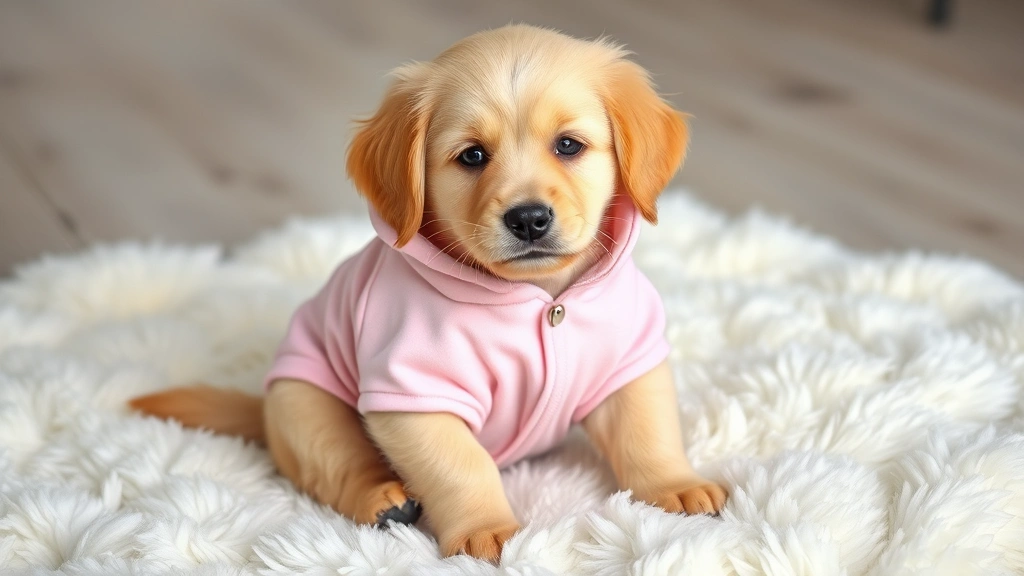
A dog onesie is basically a full-body pajama suit designed specifically for your four-legged buddy, and honestly, it’s one of the best investments you can make for your pup’s comfort and well-being. Whether your dog is recovering from surgery, dealing with anxiety, or just needs extra warmth during chilly months, a dog onesie delivers practical benefits wrapped in adorable packaging. Let’s dive into everything you need to know about these cozy garments that have become a staple in pet fashion and pet health.
Table of Contents
- What Exactly Is a Dog Onesie?
- Why Your Dog Needs a Dog Onesie: Health & Comfort Benefits
- Types of Dog Onesies Available
- Sizing Your Dog for the Perfect Fit
- Dog Onesie Materials: What Works Best?
- Dog Onesie Care: Keeping It Clean & Fresh
- Fashion Meets Function: Styling Your Dog’s Onesie
- Common Mistakes Dog Parents Make with Onesies
- Dog Onesie for Different Life Stages
- When to Use a Dog Onesie: Real-World Scenarios
- Budget Considerations: Finding Quality Without Breaking the Bank
- Expert Tips from Veterinarians and Pet Professionals
- Troubleshooting Common Dog Onesie Issues
- Frequently Asked Questions
- Conclusion: Is a Dog Onesie Right for Your Pup?
What Exactly Is a Dog Onesie?
Think of a dog onesie as a full-body suit that covers your dog from neck to tail. Unlike traditional dog sweaters or jackets that leave gaps, a onesie provides complete coverage, making it ideal for dogs with sensitive skin or those recovering from medical procedures. These garments come in various materials—from soft cotton blends to stretchy spandex—and they’re designed to fit snugly without restricting movement. The beauty of a dog onesie is its versatility; it works for tiny Chihuahuas and larger breeds alike, though finding the right size is crucial for proper fit.
Why Your Dog Needs a Dog Onesie: Health & Comfort Benefits
There are numerous reasons pet parents invest in a dog onesie beyond just making their pup look adorable. Dogs recovering from surgery or injury benefit tremendously from the gentle compression and protection these suits provide. A quality dog onesie keeps your pet from licking or scratching at wounds, stitches, or irritated skin—essentially serving as a non-invasive alternative to the dreaded cone. Additionally, senior dogs with arthritis or joint issues appreciate the warmth and support, while anxious pups often find the snug fit calming. According to the American Kennel Club, pressure-based garments can help reduce anxiety symptoms in dogs, similar to how weighted blankets work for humans.
Types of Dog Onesies Available
The market offers several varieties of dog onesies, each serving different purposes. Recovery onesies are specifically designed for post-surgery wear, featuring reinforced seams and breathable fabrics that won’t irritate healing skin. Thermal dog onesies provide insulation for cold weather and are perfect for breeds with thin coats or senior dogs who feel the chill. Anxiety-relief onesies use gentle pressure to soothe nervous pups, while fashion-forward designs let your dog strut their stuff at the park. Some innovative options even include built-in cooling technology—similar to what you’d find in a cooling dog bed—perfect for hot climates.
Sizing Your Dog for the Perfect Fit
Getting the right size is absolutely critical when shopping for a dog onesie. A poorly fitting suit defeats the entire purpose—too tight and it restricts movement and circulation, too loose and it won’t provide proper protection or support. Measure your dog’s chest, length from neck to tail base, and front leg length. Most manufacturers provide detailed sizing charts, so use them religiously. Don’t rely on your dog’s breed alone; two Labs might need different sizes based on build and weight. When in doubt, opt for a slightly roomier fit rather than snug, and always check customer reviews from owners with similar-sized dogs.
Dog Onesie Materials: What Works Best?
The fabric you choose dramatically impacts your dog’s comfort and the onesie’s functionality. Cotton blends are breathable and gentle on sensitive skin, making them ideal for recovery situations. Spandex and elastane mixes stretch beautifully and allow full range of motion—crucial for active pups. Fleece and thermal fabrics provide warmth without bulk, perfect for winter months. For dogs with severe allergies or skin conditions, organic cotton onesies eliminate synthetic irritants. High-quality materials also mean better durability; a well-made dog onesie can last through multiple washes and wears, making it a worthwhile investment rather than a disposable purchase.
Dog Onesie Care: Keeping It Clean & Fresh
Proper maintenance extends your dog onesie’s lifespan significantly. Always check the manufacturer’s care instructions—most are machine washable on gentle cycles with cold water. Use mild, fragrance-free detergent to avoid skin irritation, and skip the fabric softener which can leave residue on the fabric. Air drying is preferable to machine drying, as heat can damage elastic components and shrink the material. If your dog wears the onesie during outdoor adventures, rinse it promptly to remove dirt and debris. Storing it in a clean, dry place prevents mildew and keeps it ready for the next use.
Fashion Meets Function: Styling Your Dog’s Onesie
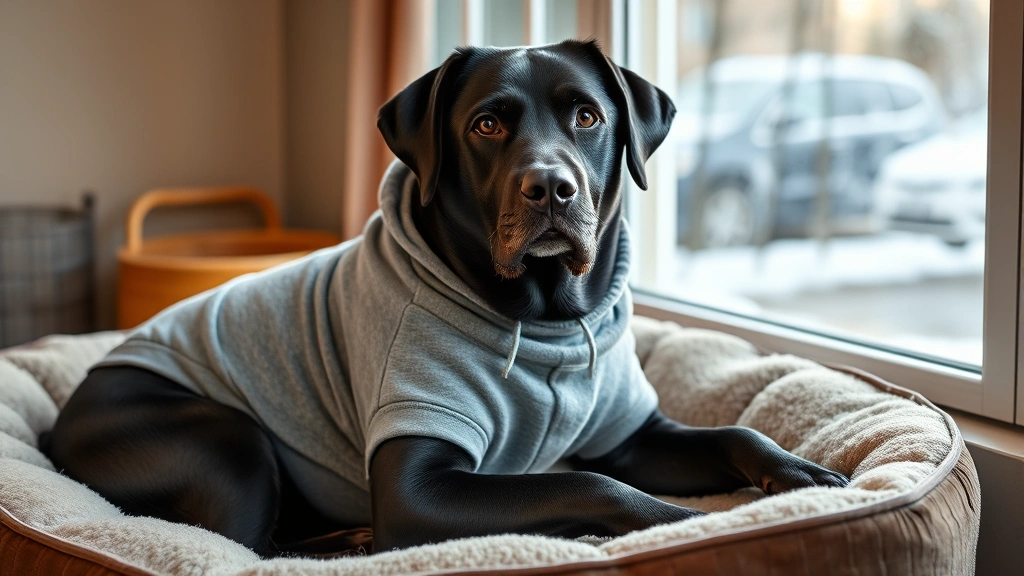
Who says medical necessity can’t be fashionable? Modern dog onesies come in incredible designs and colors. Pair a sleek black onesie with a stylish Carhartt dog collar for a rugged outdoor look, or go luxury with a designer piece featuring premium materials. Some pet parents coordinate their dog’s onesie with their own outfits—yes, it’s a thing, and it’s adorable. Seasonal designs let your pup celebrate holidays in style, while personalized onesies with embroidered names add a special touch. The key is finding a style that matches your dog’s personality and your aesthetic preferences without compromising on the functional benefits.
Common Mistakes Dog Parents Make with Onesies
Even with the best intentions, many people struggle with dog onesie usage. Leaving a onesie on too long can trap moisture and create skin issues, so establish a schedule for removal and skin checks. Don’t assume your dog will adjust immediately—some pups need gradual introduction with positive reinforcement and treats. Ignoring fit is another major mistake; a onesie that’s too tight causes discomfort and can lead to behavioral problems. Additionally, using a regular onesie during recovery instead of a proper medical-grade version might not provide adequate protection. Finally, neglecting to supervise your dog while wearing a onesie could result in them getting tangled or overheated.
Dog Onesie for Different Life Stages
Puppies rarely need onesies unless they have health issues, but growing pups might benefit from anxiety-reducing versions during stressful transitions. Adult dogs wear onesies primarily for protection or fashion, while senior dogs often rely on them for warmth and joint support. Elderly pups with incontinence issues benefit from waterproof onesies that protect furniture and reduce accidents. Pregnant or nursing dogs might wear onesies to protect sensitive areas while maintaining comfort. Recognizing your dog’s life stage and specific needs helps you choose the most appropriate style—similar to how you’d select a sustainable pet grooming approach tailored to their age and coat type.
When to Use a Dog Onesie: Real-World Scenarios
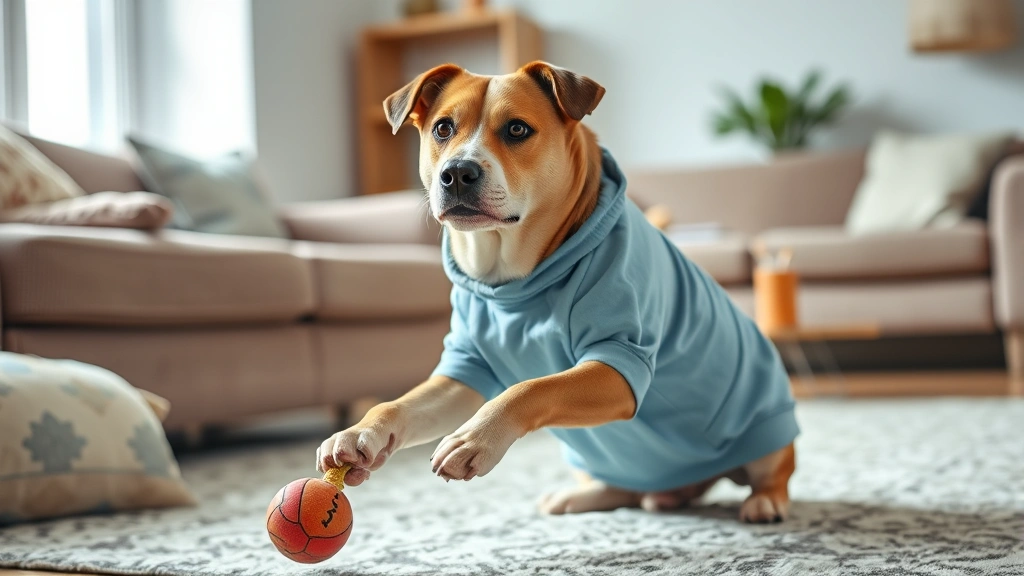
Post-surgical recovery is the most common reason vets recommend dog onesies. Whether your dog had orthopedic surgery, skin treatment, or dental work, a onesie provides protection during the critical healing phase. Extreme weather—both hot and cold—makes onesies essential for temperature regulation. Dogs with anxiety disorders benefit from wearing them during thunderstorms, fireworks, or separation anxiety episodes. Senior dogs with arthritis appreciate the warmth during winter months, while dogs with severe allergies or skin conditions need the protection from environmental triggers. Even travel situations benefit from onesies, as they provide comfort and security in unfamiliar environments.
Budget Considerations: Finding Quality Without Breaking the Bank
Dog onesies range from budget-friendly options under $20 to premium designer pieces exceeding $100. Don’t automatically assume expensive means better; check reviews and material quality regardless of price. Mid-range onesies ($30-60) typically offer the best value, combining durability with reasonable pricing. If your dog needs a onesie temporarily for recovery, renting or borrowing from friends might make sense before purchasing. Buying during sales or off-season can yield significant savings. Remember that a quality onesie that lasts longer is ultimately cheaper than replacing cheap versions repeatedly. Consider it an investment in your dog’s health and comfort, not just a fashion accessory.
Expert Tips from Veterinarians and Pet Professionals
According to PetMD, veterinarians increasingly recommend onesies for post-operative care and anxiety management. They emphasize the importance of proper fit and regular skin checks to prevent complications. Professional pet groomers note that onesies can actually reduce grooming stress for anxious dogs, making the entire experience more pleasant. Certified animal behaviorists recommend onesies as part of a comprehensive anxiety treatment plan alongside training and behavioral modification. These professionals consistently stress that a onesie should complement, not replace, proper veterinary care, training, or behavioral interventions.
Troubleshooting Common Dog Onesie Issues
If your dog resists wearing a onesie, start with short periods and use positive reinforcement—treats and praise work wonders. Some dogs overheat in onesies; monitor for excessive panting and ensure proper ventilation. If your dog seems uncomfortable or develops rashes, discontinue use and consult your vet about material sensitivities. Potty accidents happen when dogs first wear onesies; consider this a normal adjustment period and be patient. If the onesie causes chafing, especially around the legs or neck, try a size up or look for designs with softer seams. Some dogs try to remove their onesies obsessively; this might indicate improper fit or discomfort rather than simple resistance.
Frequently Asked Questions
Can my dog sleep in a onesie all night?
While some dogs sleep comfortably in onesies, it’s not recommended for extended periods. Sleeping in a onesie for a few hours during recovery is fine, but remove it for extended rest periods to prevent skin issues and allow proper temperature regulation. Always monitor your dog for signs of overheating or discomfort.
What age can puppies wear a dog onesie?
Puppies can wear onesies at any age if properly sized, but they’re rarely necessary unless the puppy has health issues, anxiety, or skin conditions. Most puppies don’t need onesies for warmth since they’re typically indoors with adequate shelter and heating.
How do I know if my dog’s onesie is too tight?
A properly fitting onesie should allow you to slip one finger between the fabric and your dog’s skin. If you can’t fit a finger, it’s too tight. Watch for signs like excessive panting, reluctance to move, or visible marks on the skin after removal—these indicate improper fit.
Can dog onesies help with shedding?
Yes! Onesies contain shedding and reduce loose fur on your furniture and clothes. This is especially beneficial during heavy shedding seasons. Some pet parents use lightweight onesies specifically for this purpose, even when their dogs don’t need them for other reasons.
Are dog onesies safe for all breeds?
Most breeds can safely wear onesies with proper sizing and fit. However, brachycephalic breeds (bulldogs, pugs) need extra care to ensure they don’t overheat. Always prioritize breathable materials and monitor these breeds closely while wearing onesies.
How long can my dog wear a onesie?
During recovery, most vets recommend wearing onesies for 1-2 weeks or as directed. For anxiety or fashion purposes, dogs can wear them for several hours daily, but they should have regular breaks for skin health and bathroom needs. Remove the onesie at least once daily for skin checks and airing out.
Conclusion: Is a Dog Onesie Right for Your Pup?
A dog onesie is far more than just an adorable accessory—it’s a practical tool that addresses real health, comfort, and behavioral needs for dogs of all sizes and ages. Whether your pup is recovering from surgery, dealing with anxiety, facing cold weather, or just needs protection from environmental triggers, a quality onesie delivers tangible benefits. The key is choosing the right style for your dog’s specific needs, ensuring proper fit, and using it appropriately as part of a comprehensive care plan. With so many options available at various price points, finding the perfect dog onesie for your furry friend is easier than ever. Start with quality materials, pay attention to fit, and don’t hesitate to consult your vet about whether a dog onesie makes sense for your dog’s situation. Your pup will thank you with extra cuddles and comfort.





