
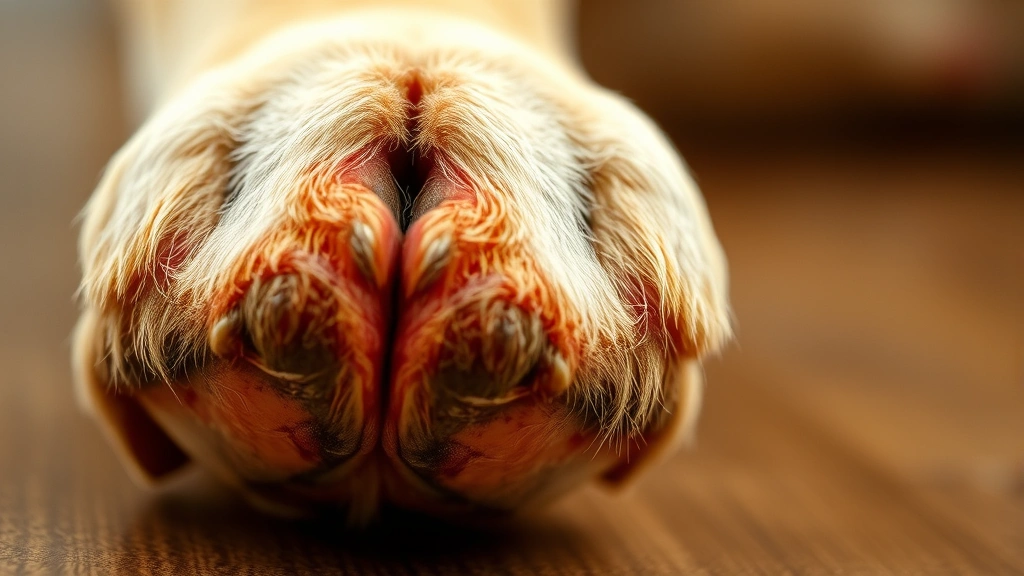
If your furry friend has been licking their paws like they’re auditioning for a dog food commercial, you might be dealing with a dog paw yeast infection. These pesky fungal infections are more common than you’d think, and they’re absolutely treatable. The good news? Your pup doesn’t have to suffer through the constant itching and discomfort anymore.
Table of Contents
- What Exactly Is a Yeast Infection on Dog Paws?
- Signs Your Dog Has Paw Yeast (The Red Flags)
- Why Do Dogs Get Yeast Infections on Their Paws?
- Solution #1: Medicated Foot Soaks and Topical Treatments
- Solution #2: Oral Antifungal Medications
- Solution #3: Dietary Changes and Immune Support
- Solution #4: Environmental Management and Prevention
- Solution #5: Professional Veterinary Care and Advanced Treatments
- Natural and Alternative Remedies
- How Long Does It Take to Treat a Dog Paw Yeast Infection?
- When to Call Your Vet (Red Alert Situations)
- Frequently Asked Questions
- Conclusion: Taking Action Against Paw Yeast
What Exactly Is a Yeast Infection on Dog Paws?
A dog paw yeast infection occurs when Malassezia pachydermatis—a naturally occurring yeast on your dog’s skin—goes rogue and multiplies out of control. Your dog’s paws are basically the perfect storm for yeast growth: they’re warm, moist, and constantly making contact with the ground. It’s like creating a five-star resort for yeast, and unfortunately, your pup is footing the bill.
Yeast loves damp environments, which is why paws are their favorite real estate. Between the toes, in the webbing, and under the paw pads—it’s yeast paradise. The condition is technically called Malassezia dermatitis, but let’s be real, we’re all just calling it “why won’t my dog stop licking their feet?”
Signs Your Dog Has Paw Yeast (The Red Flags)
Before you can tackle the problem, you need to spot it. Here are the telltale signs that your dog might have a yeast infection on their paws:
- Obsessive licking and chewing – Your dog acts like their paws are the most delicious thing they’ve ever encountered
- Red or inflamed skin – The paw pads look angrier than your neighbor at a HOA meeting
- Brown or discolored fur – Between the toes especially, you might notice a rusty or brownish tint
- Odor – A distinctive musty, corn chip-like smell (vets call it “Frito feet,” and yes, that’s the actual medical term)
- Swelling and tenderness – Your dog might limp or show sensitivity when you touch their paws
- Flaky or scaly skin – The skin looks dry and crusty, sometimes with a greasy appearance
If you’re seeing these symptoms, it’s time to take action. The longer you wait, the worse it gets, and your dog will be more miserable than a cat at a dog park.
Why Do Dogs Get Yeast Infections on Their Paws?
Understanding the root cause is crucial for prevention. Several factors can trigger a dog paw yeast infection:
Moisture and humidity – Wet, muddy conditions are basically yeast magnets. If your dog loves puddles, you’re playing with fire (or in this case, fungus).
Allergies – Dogs with food allergies or environmental allergies are more prone to yeast overgrowth. Their compromised immune systems can’t keep the yeast in check.
Weakened immune system – Any condition that compromises immunity opens the door for yeast to party like it’s 1999.
Poor diet – A diet high in carbohydrates and sugars feeds yeast growth. Your dog’s food might actually be fueling the problem. Check out our guide on anti-inflammatory foods for pets to learn about better nutrition options.
Antibiotics – While antibiotics kill bad bacteria, they also wipe out good bacteria that keep yeast in balance. It’s like removing the security guards and wondering why the troublemakers took over.
Breed predisposition – Some breeds like Basset Hounds, Cocker Spaniels, and West Highland White Terriers are more susceptible to yeast infections.
Solution #1: Medicated Foot Soaks and Topical Treatments
The first line of defense against a dog paw yeast infection is topical treatment. Medicated foot soaks work wonders because they directly target the yeast where it lives.
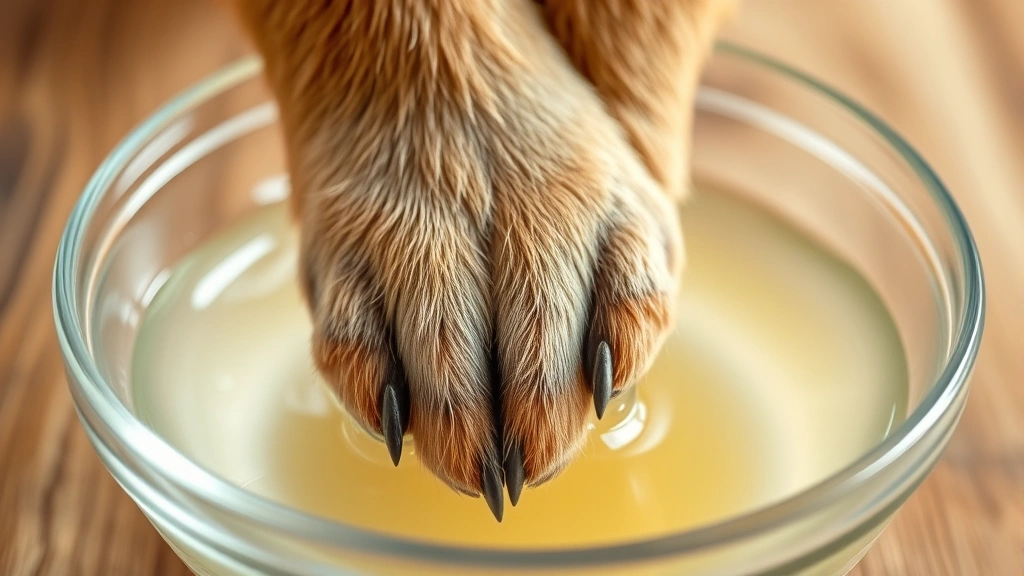
Apple cider vinegar soaks: Mix equal parts apple cider vinegar and water, then soak your dog’s paws for 10-15 minutes daily. The acidic environment is hostile to yeast. Your dog might hate you during this process, but their paws will thank you.
Chlorhexidine or miconazole soaks: These antifungal solutions are available from your vet and are more potent than home remedies. Use them as directed—usually 5-10 minutes daily for 2-4 weeks.
Antifungal sprays and creams: Products containing miconazole or tolnaftate can be applied directly to affected areas. They’re convenient and effective, though your dog might try to lick them off (you can’t blame them for trying).
Pro tip: Keep your dog’s paws dry after soaks. Moisture is the enemy, so pat them completely dry with a towel and maybe even use a hair dryer on the cool setting.
Solution #2: Oral Antifungal Medications
For moderate to severe cases, your vet might prescribe oral antifungal medications. These systemic treatments work from the inside out and are especially useful when the infection has spread beyond just the paws.
Fluconazole: One of the most commonly prescribed oral antifungals for dogs. It’s absorbed well and reaches high concentrations in the skin. Treatment typically lasts 3-6 weeks.
Itraconazole: Another popular choice that’s particularly effective against Malassezia. Some vets prefer it because it has fewer side effects than fluconazole.
Terbinafine: A newer option that’s gaining popularity for stubborn yeast infections. It works differently than other antifungals, which makes it useful when resistance develops.
These medications aren’t without side effects—your dog might experience nausea or decreased appetite—but they’re generally safe when prescribed by your vet. Always give them with food unless your vet says otherwise.
Solution #3: Dietary Changes and Immune Support
You can’t fight yeast infection without addressing what’s happening inside your dog’s body. Diet plays a massive role in yeast management.
Reduce carbohydrates: Yeast thrives on sugar and carbs. Switch to a low-carb, high-protein diet. Your dog doesn’t need grains; they need meat and healthy fats.
Add omega-3 fatty acids: Fish oil supplements reduce inflammation and support skin health. A healthier skin barrier is harder for yeast to penetrate.
Probiotics: Good bacteria are your secret weapon. Probiotics specifically formulated for dogs help maintain a healthy skin microbiome and prevent yeast overgrowth. Look for strains like Lactobacillus and Bifidobacterium.
Eliminate allergenic foods: If your dog has food allergies, removing the culprit is essential. Common offenders include chicken, beef, wheat, and corn. Work with your vet or check out our anti-inflammatory foods for pets guide to identify better options.
Consider adding bone broth (unsalted) to their meals. It supports gut health, which directly impacts skin health. Your dog will think you’re the best parent ever.
Solution #4: Environmental Management and Prevention
Preventing future infections is just as important as treating current ones. Your dog’s environment matters more than you think.
Keep paws dry: This is non-negotiable. After walks, especially in wet conditions, dry those paws thoroughly. Between the toes, under the pads, everywhere. Moisture is yeast’s best friend.
Regular paw cleaning: Weekly foot soaks in diluted chlorhexidine or apple cider vinegar keep yeast populations in check. Think of it as preventative maintenance.
Trim nails and hair: Overgrown nails and hair between the toes trap moisture. Keep them trimmed to improve air circulation.
Avoid wet environments when possible: I know, easier said than done with a water-loving dog. But if your pup is prone to yeast infections, limit time in puddles and wet grass.
Change bedding frequently: Wash your dog’s bedding weekly in hot water. Yeast can hide in fabric, waiting for its chance to strike again.
If your dog is dealing with candida in dogs ear as well, these same environmental controls apply there too.
Solution #5: Professional Veterinary Care and Advanced Treatments
Sometimes, home remedies and basic treatments aren’t enough. That’s when you need professional help, and there’s no shame in that game.
Veterinary diagnosis: Your vet can confirm yeast infection through cytology (looking at cells under a microscope) or fungal culture. This ensures you’re actually treating yeast and not something else masquerading as a yeast infection.
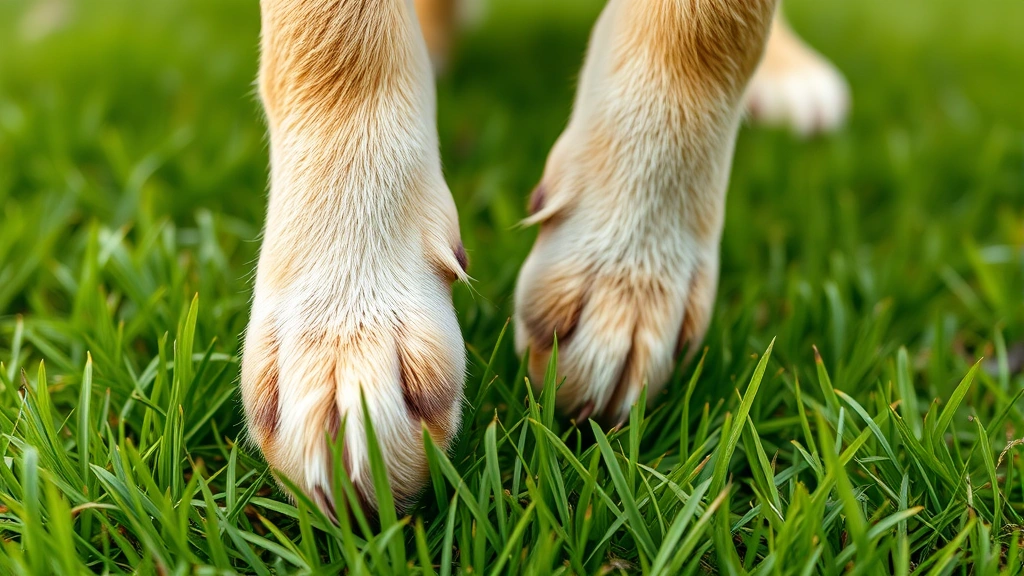
Allergy testing: If your dog keeps getting yeast infections, underlying allergies might be the culprit. Your vet can perform intradermal allergy testing or blood tests to identify triggers.
Immunotherapy: For dogs with severe allergies, immunotherapy (allergy shots) can reduce the allergic response and prevent yeast infections from recurring.
Laser therapy: Some veterinary clinics offer low-level laser therapy to reduce inflammation and promote healing. It’s not a cure-all, but it can help alongside other treatments.
Compounded medications: For dogs that don’t respond to standard treatments, compounding pharmacies can create custom antifungal formulations tailored to your dog’s specific needs.
Don’t hesitate to ask your vet about a virtual pet checkup if you want a second opinion or need guidance between appointments.
Natural and Alternative Remedies
Some dog parents swear by natural remedies. While they’re not replacements for veterinary care, they can complement your treatment plan.
Coconut oil: Contains lauric acid, which has antifungal properties. Apply topically or add to food. Just don’t overdo it—too much can cause digestive upset.
Oregano oil: Dilute heavily before use (never apply undiluted to skin). The carvacrol in oregano oil has antifungal properties, though evidence is mostly anecdotal.
Turmeric: This golden spice has anti-inflammatory and antifungal properties. Mix into food or make a paste for topical application.
Colloidal silver: Some people use it for yeast infections, though scientific evidence is limited. If you’re interested, learn more about colloidal silver for dogs and discuss it with your vet first.
Remember: natural doesn’t always mean safe or effective. Always consult your vet before adding anything new to your dog’s regimen.
How Long Does It Take to Treat a Dog Paw Yeast Infection?
Patience is a virtue when dealing with yeast infections. Most cases take 3-6 weeks to resolve with consistent treatment. Some stubborn infections might take 8-12 weeks or longer.
Don’t stop treatment early just because your dog seems better. Yeast is sneaky—it can bounce back if you quit prematurely. Finish the full course of medication even if symptoms disappear.
You’ll know treatment is working when you see less licking, reduced redness, and that funky corn chip smell fading away. Victory smells like normal dog paws.
When to Call Your Vet (Red Alert Situations)
Seek veterinary attention immediately if:
- The infection spreads to other body parts
- Your dog develops open sores or bleeding
- Swelling increases or your dog can’t walk
- Your dog shows signs of systemic infection (fever, lethargy, loss of appetite)
- Home treatments aren’t improving symptoms after 2 weeks
- Your dog has a compromised immune system
Your vet is your teammate in this battle. Don’t hesitate to reach out or schedule a telehealth pet nutrition consultation to discuss dietary changes.
Frequently Asked Questions
Can I use human antifungal cream on my dog’s paws?
Some human antifungal creams are safe for dogs (like miconazole), but others can be toxic. Never use anything without vet approval. What works for you might poison your pup, so stick with vet-approved products or ask first.
Is a dog paw yeast infection contagious to humans?
No, Malassezia pachydermatis is species-specific and won’t transfer to humans. You can pet your dog without worry, though basic hygiene after handling infected paws is always smart.
Why does my dog keep getting yeast infections?
Recurrent infections usually indicate an underlying issue like allergies, poor diet, or immune problems. Work with your vet to identify and address the root cause rather than just treating symptoms.
Can I prevent yeast infections entirely?
You can significantly reduce the risk through proper paw care, dietary management, and environmental control, but some dogs are genetically predisposed. The goal is management, not perfection.
What’s the difference between a yeast infection and a bacterial infection?
Yeast infections typically smell like corn chips and cause excessive licking without much drainage. Bacterial infections often have pus, more significant swelling, and a different odor. Your vet can determine which you’re dealing with.
Are certain dog breeds more prone to paw yeast infections?
Yes, breeds with skin folds or those prone to allergies (like Bulldogs, Cocker Spaniels, and Basset Hounds) are more susceptible. But any dog can get them under the right conditions.
Conclusion: Taking Action Against Paw Yeast
A dog paw yeast infection is frustrating, but it’s absolutely treatable with the right approach. Whether you start with medicated soaks, oral medications, dietary changes, or environmental management, the key is consistency and patience. Most dogs see significant improvement within 3-6 weeks of proper treatment.
The most effective strategy combines multiple solutions: topical treatments for immediate relief, oral medications for systemic control, dietary changes to support immune function, and environmental management to prevent recurrence. Work closely with your vet to develop a personalized treatment plan for your specific pup.
Stop your dog’s constant paw licking and get them back to their happy, comfortable self. Your furry friend deserves to play, run, and enjoy life without the constant itch and irritation. With these five proven solutions, you’re well-equipped to win this battle against yeast.





