
If you’re tired of your dog treating the litter box like an all-you-can-eat buffet, you need a dog proof litter box that actually lives up to its name. We’ve all been there—that horrifying moment when you realize Fido has discovered what we’ll politely call “kitty snacks.” It’s gross, it’s unhygienic, and frankly, it’s a nightmare for any household with both cats and dogs. The good news? There are legitimate solutions that don’t involve building a fortress around your cat’s bathroom.
Table of Contents
- Why Dogs Are Obsessed With Litter Boxes (And Why It’s Disgusting)
- Top Solution #1: The Top-Entry Litter Box
- Top Solution #2: Baby Gates and Pet Barriers
- Top Solution #3: Cabinet-Style Litter Boxes
- Top Solution #4: Automatic Self-Cleaning Litter Boxes
- Top Solution #5: The Corner Litter Box With Strategic Placement
- Behavioral Training: The Complementary Approach
- Maintenance Tips for Dog-Proof Litter Boxes
- Budget Considerations and Cost Breakdown
- Common Mistakes to Avoid
- When to Call a Veterinarian
- Frequently Asked Questions
- Conclusion
Why Dogs Are Obsessed With Litter Boxes (And Why It’s Disgusting)
Let’s be real: dogs eating cat poop is one of the most revolting habits they can develop. Veterinarians call this behavior “coprophagia,” which sounds fancy but basically means your dog has questionable taste. From a dog’s perspective, a litter box is basically a self-serve snack bar. Cats bury their waste, creating an intriguing puzzle, and dogs—especially puppies and certain breeds—find this irresistible.
Beyond the yuck factor, this behavior poses actual health risks. Your dog can contract parasites, bacteria, and other nasties from cat waste. It’s not just disgusting; it’s potentially dangerous. This is why investing in a cat litter box that keeps dogs out isn’t a luxury—it’s a necessity for multi-pet households.
Top Solution #1: The Top-Entry Litter Box
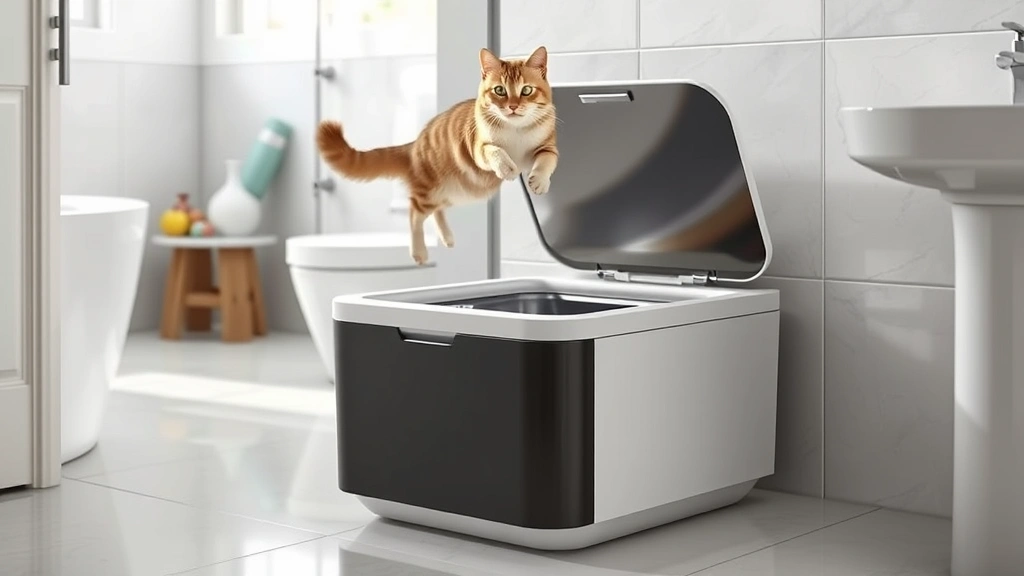
The top-entry litter box is like the Tesla of cat bathrooms—innovative, effective, and slightly pricey. Instead of accessing the box from the side like traditional models, cats jump in from above. Dogs? They physically can’t reach the waste inside because the entrance is literally above their heads.
These boxes come with a removable dome or hood that your cat learns to navigate. Most cats adapt within a few days, though some stubborn felines might need a little encouragement. The beauty of this design is that it’s not just dog-proof; it also reduces litter tracking and contains odors better than open boxes.
Popular brands include Litter Robot and Modkat, though there are budget-friendly alternatives too. Just make sure the entrance hole is small enough that even a determined Chihuahua can’t squeeze through.
Top Solution #2: Baby Gates and Pet Barriers
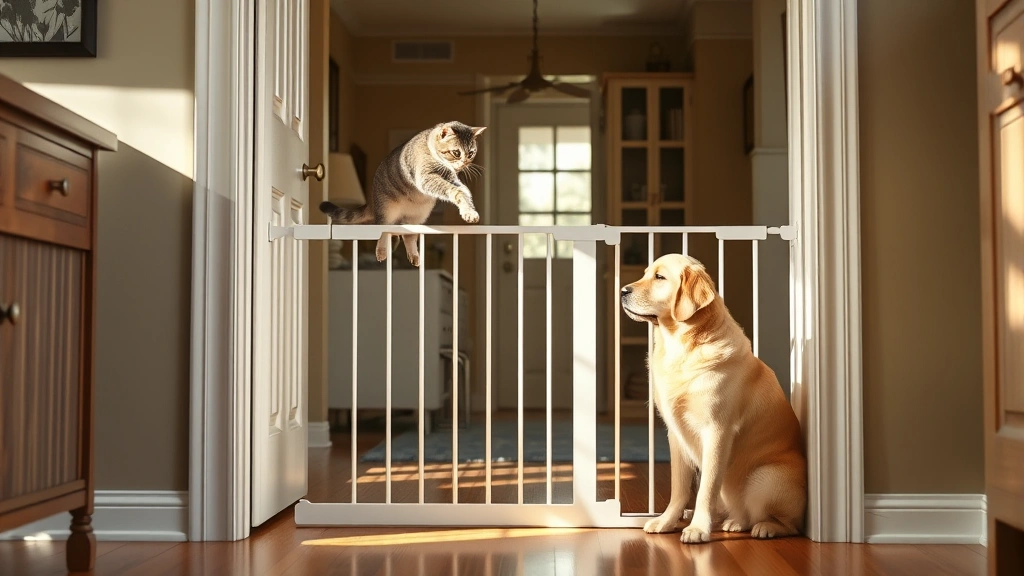
Sometimes the simplest solution is the best one. Installing a baby gate or pet barrier creates a physical boundary that your cat can jump over but your dog can’t. This works particularly well if your litter box is in a bathroom, laundry room, or hallway.
The key is choosing the right height. Most cats can easily clear a 24-30 inch gate, while dogs—unless you have a particularly athletic breed—will respect the barrier. You can also use expandable pet gates that fit snugly in doorways without permanent installation.
This solution is budget-friendly, non-invasive, and gives both pets their own spaces. Your cat gets privacy, and your dog gets boundaries. Everyone wins. Check out our guide on cat vs a dog to understand the behavioral differences that make this strategy work.
Top Solution #3: Cabinet-Style Litter Boxes
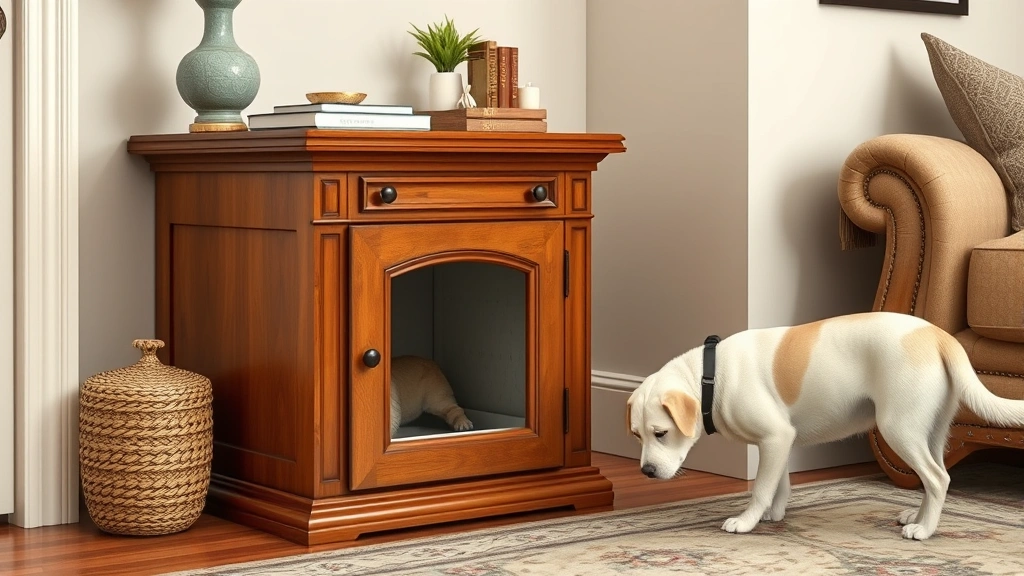
If you want something that looks like actual furniture, cabinet-style litter boxes are your answer. These stylish units hide the litter box inside a wooden cabinet with a small entrance hole designed specifically for cat-sized bodies.
The hole is typically 6-7 inches in diameter—perfect for cats, impossible for most dogs. These boxes blend seamlessly into your home decor, so you’re not staring at a plastic container all day. Brands like Kitty Potty and Merry Products offer attractive designs that actually look intentional in your living space.
The downside? They’re pricier than traditional boxes, and cleaning can be slightly more cumbersome. But if aesthetics matter to you and you want a permanent solution, this is worth the investment.
Top Solution #4: Automatic Self-Cleaning Litter Boxes
The Litter Robot and similar automatic boxes serve double duty: they’re genuinely helpful for cat owners AND they create an environment that discourages dogs. These high-tech boxes automatically rake and dispose of waste, leaving less material for dogs to access.
Many automatic boxes also have sensors that prevent them from operating when a dog is nearby, adding an extra layer of protection. They’re expensive (often $300-500), but they solve multiple problems simultaneously: reduced odor, less maintenance, and a cleaner environment overall.
If you’re already considering an automatic box for convenience, the dog-proofing benefit is just a bonus. These machines are genuinely life-changing for busy households. Learn more about cat nutrition by checking our article on safe vegetables for cats to ensure your feline friend is getting proper nutrition while you manage the litter box situation.
Top Solution #5: The Corner Litter Box With Strategic Placement
Sometimes the solution is about placement rather than the box itself. Positioning a traditional litter box in a corner, under a table, or in a closet can naturally discourage dog access. Combine this with a cat door or small opening that only your cat can fit through.
You can create a “cat room” or dedicate a bathroom corner where your cat has exclusive access. This works best in homes where you can modify the space slightly. It’s low-cost, requires no special equipment, and leverages your existing home layout.
The key is making sure your dog physically cannot reach the box while keeping it easily accessible for your cat. This might mean installing a pet door that only opens for microchipped cats, though that’s a more advanced (and expensive) solution.
Behavioral Training: The Complementary Approach
While physical barriers are essential, behavioral training helps too. Teaching your dog a strong “leave it” command and redirecting them away from the litter box area reinforces that the box is off-limits. Positive reinforcement works better than punishment—reward your dog when they ignore the litter box.
For serious cases, consult a certified animal behaviorist. Sometimes dogs eat cat poop due to nutritional deficiencies or medical issues, not just curiosity. A vet can rule out underlying problems and recommend dietary adjustments if needed.
According to the American Kennel Club, understanding your dog’s motivations is the first step toward addressing unwanted behaviors. Your dog isn’t being gross to annoy you; they’re following natural instincts that need redirection.
Maintenance Tips for Dog-Proof Litter Boxes
Regardless of which solution you choose, maintenance matters. Scoop daily to minimize odor and reduce temptation. Some dogs are drawn to fresh waste more than older deposits, so frequent cleaning is your best defense.
If you’re using a barrier system, keep the area clean and ensure your cat’s litter box is in pristine condition. Cats are picky about bathroom cleanliness, and a neglected box might cause them to use other areas of your home—creating new problems.
For automatic boxes, follow the manufacturer’s cleaning schedule. For cabinet boxes, wipe down the exterior and clean the entrance hole regularly. A well-maintained system is a successful system.
Budget Considerations and Cost Breakdown
Here’s a quick cost comparison to help you decide:
- Baby gates: $20-50
- Top-entry boxes: $40-200
- Cabinet boxes: $150-400
- Automatic boxes: $300-500
- Microchip pet doors: $100-300
Your budget will likely determine your solution, but remember that investing in a dog-proof system now prevents vet bills later. Parasites and infections from coprophagia can cost hundreds or thousands to treat.
Common Mistakes to Avoid
Don’t just buy any litter box and hope it works. Test the entrance size with your dog before committing. Some determined pups can squeeze into surprisingly small spaces. Also, don’t neglect your cat’s comfort—if the new system is too complicated or uncomfortable, your cat might boycott it entirely and create litter box issues elsewhere in your home.
Avoid placing the box in high-traffic areas where your dog can easily access it. Choose a quiet, dedicated space that’s convenient for your cat but inconvenient for your dog. And please, don’t punish your dog for accessing the litter box—they’re not being malicious; they’re being dogs.
Check out PetMD’s guide on multi-pet households for additional strategies on managing different pets’ needs in one home.
When to Call a Veterinarian
If your dog has been eating cat poop regularly, schedule a vet visit. Your vet can check for parasites, bacterial infections, and nutritional deficiencies. They can also recommend dietary changes that might reduce your dog’s interest in the litter box.
Some dogs eat cat poop because they’re not getting enough nutrients from their own food. A quality dog food with proper protein and fiber content might solve the problem partially. Your vet can recommend specific brands and feeding schedules tailored to your dog’s needs.
Additionally, if your dog shows signs of illness after litter box access—vomiting, diarrhea, lethargy—seek immediate veterinary care. Cat waste can harbor serious pathogens.
Frequently Asked Questions
Will my cat use a top-entry litter box?
Most cats adapt to top-entry boxes within a few days to a week. Kittens and younger cats learn fastest. If your cat is elderly or has mobility issues, a top-entry box might not be ideal. You can encourage adoption by placing the box in a familiar location and using positive reinforcement.
Can I use multiple barriers together?
Absolutely. Combining a baby gate with a cabinet-style box or automatic litter box creates redundancy. If your dog is particularly determined, layered solutions work best. Just ensure your cat can still access the box comfortably.
Are automatic litter boxes worth the cost?
If you have multiple cats or a dog with serious litter box obsession, yes. The convenience factor alone justifies the cost for many owners. They also reduce odor and tracking, which benefits your entire household. However, if budget is tight, a top-entry box or baby gate provides similar dog-proofing at a fraction of the cost.
What if my dog can jump over baby gates?
You’ll need a taller gate (36+ inches) or a different solution entirely. Some dogs are athletic enough to clear standard gates. In this case, a cabinet box, top-entry box, or dedicated cat room with a pet door is more effective.
Is it harmful if my dog eats cat poop occasionally?
Occasional exposure is less risky than regular consumption, but it’s still not ideal. Even one incident can transmit parasites or bacteria. The safest approach is prevention rather than hoping it doesn’t cause problems.
Can I use a regular litter box with a dog-proof cover?
Yes, there are aftermarket covers and domes that fit standard litter boxes. These are budget-friendly alternatives to buying a completely new box. Just ensure the entrance is truly dog-proof—some dogs are surprisingly persistent.
Conclusion
Finding the right dog proof litter box solution depends on your home layout, budget, and pet personalities. Whether you choose a simple baby gate, a stylish cabinet box, a high-tech automatic model, or a top-entry design, the goal is the same: protecting your cat’s privacy and your dog’s health.
Start by assessing your space and your dog’s determination level. A casual snacker might respect a baby gate, while a determined digger needs something more sophisticated. Don’t be afraid to combine solutions—layered approaches often work best in multi-pet households.
Remember, this isn’t just about preventing gross behavior; it’s about protecting your dog’s health and maintaining harmony in your home. With the right system in place, both your cat and dog can coexist peacefully, each with their own dedicated space. Your future self (and your vet) will thank you for taking action now.





