

When your dog is puking up, it’s enough to make any pet parent’s heart skip a beat. That sound of retching, followed by the cleanup job, is nobody’s idea of fun. But here’s the thing: vomiting in dogs isn’t always a sign of something catastrophic. Sometimes it’s just your pup’s way of saying “hey, I ate something weird,” and other times it could signal something that needs a vet’s attention. Let’s dive into what’s actually going on when your furry friend loses their lunch.
Table of Contents
- Understanding Why Dogs Vomit: The Basics
- Cause #1: Dietary Indiscretions and Eating Too Fast
- Cause #2: Gastroenteritis and Food Sensitivities
- Cause #3: Toxins and Dangerous Foods
- Cause #4: Intestinal Blockages and Foreign Objects
- Cause #5: Infections, Parasites, and Systemic Diseases
- When to Call the Vet: Red Flags You Can’t Ignore
- Fast Relief Solutions: What You Can Do at Home
- Prevention: Stop the Puking Before It Starts
- The Recovery Timeline: What to Expect
- Frequently Asked Questions
- Final Thoughts: Your Dog Will Be Okay
Understanding Why Dogs Vomit: The Basics
Before we panic, let’s understand the difference between vomiting and regurgitation—because yes, they’re different things. Vomiting is an active process where your dog’s stomach forcefully expels its contents. Regurgitation, on the other hand, is more passive—like when your pup scarfs down food too fast and it just comes back up unchanged. Both are worth monitoring, but they can point to different issues.
Dogs vomit for tons of reasons, ranging from the totally benign (ate a sock, maybe?) to things that genuinely need veterinary care. The key is figuring out which category your situation falls into.
Cause #1: Dietary Indiscretions and Eating Too Fast
Let’s be honest—dogs aren’t exactly known for their refined dining etiquette. Your golden retriever sees a piece of pizza on the floor and acts like they haven’t eaten in weeks. This is probably the most common reason your dog is puking up their food or random objects.
Eating too quickly causes your pup’s stomach to work overtime. They don’t chew properly, their digestive system gets overwhelmed, and boom—you’ve got a mess on your hands. Some dogs are just natural speed eaters, especially if they grew up in competitive eating situations (like multi-dog households where food disappeared fast).
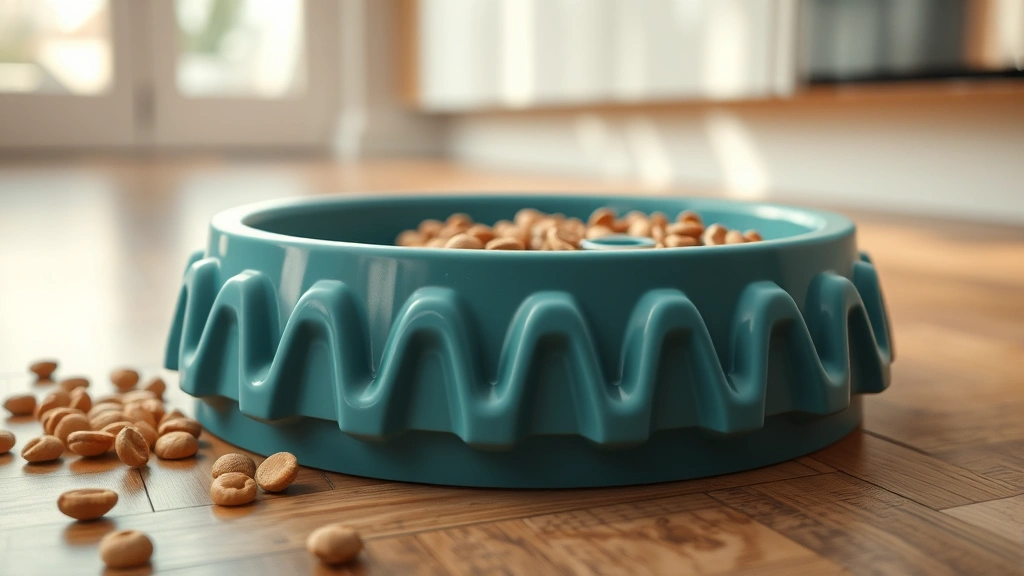
The fix? Use a slow-feeder bowl, feed smaller portions more frequently, or try those puzzle feeders that make mealtime an actual puzzle. You can also hand-feed stubborn cases to control the pace. Most dietary indiscretions resolve themselves within 24 hours.
Cause #2: Gastroenteritis and Food Sensitivities
Gastroenteritis is fancy vet-speak for “your dog’s stomach and intestines are irritated.” This can happen from eating something their system doesn’t tolerate, sudden food changes, or bacterial/viral infections. When your dog is puking up regularly along with diarrhea, gastroenteritis might be the culprit.
Food sensitivities are sneaky because they develop over time. Your dog might have eaten chicken fine for years, then suddenly their body decides it’s enemy number one. You’ll notice vomiting, diarrhea, itchy skin, or ear infections. Switching to a limited-ingredient diet or novel protein (like duck or venison) often helps.
If you’re dealing with this, check out our guide on convalescence foods from the kitchen for bland diet options that won’t upset their stomach further. A bland diet of boiled chicken and rice (or sweet potato) for a few days can work wonders.
Cause #3: Toxins and Dangerous Foods
This is where things get serious. Certain foods and substances are genuinely toxic to dogs, and xylitol poisoning in dogs is one of the most common emergencies vets see. Xylitol, found in sugar-free gum, candy, and some peanut butters, can cause severe hypoglycemia and liver damage.
Other dangerous culprits include chocolate, grapes, raisins, onions, garlic, and avocado. If your dog got into any of these and is now puking up, contact your vet immediately or call the ASPCA Animal Poison Control Center (888-426-4435). Don’t wait to see if they “get better on their own.”
For dogs with existing health conditions, be extra careful about what they eat. Our article on human foods for pets with heart disease covers safe options for dogs with specific health needs.
Cause #4: Intestinal Blockages and Foreign Objects
Dogs eat weird stuff. Socks, toys, plastic bags, rocks—if it fits in their mouth, they might try to eat it. When your dog is puking up and acting lethargic or showing signs of abdominal pain, a blockage could be the issue. This is a medical emergency that requires surgery in many cases.
Signs of a blockage include repeated vomiting, loss of appetite, constipation or diarrhea, abdominal pain, and lethargy. If you suspect a blockage, get to a vet immediately. X-rays or ultrasounds can confirm it, and the sooner you address it, the better the outcome.
Cause #5: Infections, Parasites, and Systemic Diseases
Bacterial infections, viral infections (like parvovirus), parasites, and systemic diseases like kidney disease or pancreatitis can all cause vomiting. These are situations where your dog needs professional veterinary care because the underlying condition won’t resolve without treatment.
Parasites are particularly common in puppies and unvaccinated dogs. Worms, giardia, and coccidia can cause vomiting and diarrhea. A simple stool sample at your vet’s office can identify parasites, and treatment is straightforward.
Older dogs or those with chronic conditions might vomit due to kidney disease, diabetes, or other systemic issues. These require ongoing management and monitoring.
When to Call the Vet: Red Flags You Can’t Ignore
Not every vomiting episode requires an emergency vet visit, but some definitely do. Call your vet if:
- Your dog vomits repeatedly over several hours
- There’s blood in the vomit
- Your dog is lethargic, won’t eat, or seems in pain
- You suspect they ate something toxic or inedible
- The vomiting lasts more than 24 hours
- Your puppy is vomiting (they dehydrate quickly)
- Your senior dog suddenly starts vomiting without an obvious cause
When in doubt, it’s better to call and be told “it’s probably nothing” than to miss something serious. Many vets offer telehealth vet appointments now, so you can get advice without leaving home.
Fast Relief Solutions: What You Can Do at Home
If your vet has ruled out serious issues and your dog is puking up occasionally, here’s what actually helps:
Fasting: Skip food for 12 hours (water is fine) to give the stomach a break. This sounds harsh but it works.
Bland Diet: After fasting, introduce boiled chicken and rice in small portions. No seasoning, no fancy stuff—just plain food.
Slow Feeding: Use slow-feeder bowls or spread food on a large plate so they can’t inhale it.
Probiotics: Gut-friendly probiotics can help restore digestive balance, especially after an upset stomach.
Hydration: Offer small amounts of water frequently rather than big bowls. Electrolyte solutions designed for dogs help if they’re dehydrated.
Ginger: Small amounts of ginger can help with nausea. Some dogs tolerate ginger treats well.
Prevention: Stop the Puking Before It Starts
The best medicine is prevention. Keep toxic foods and objects out of reach, feed appropriate portions at consistent times, and use slow feeders if your dog is a speed eater. Regular vet checkups catch health issues early, before they progress to vomiting.
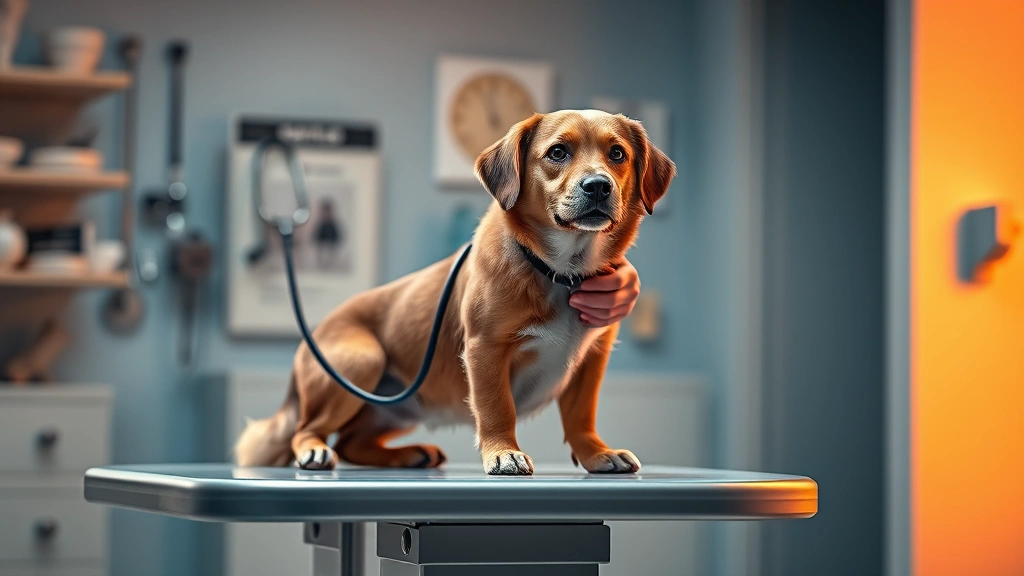
If your dog has a sensitive stomach, work with your vet to find the right food. Sometimes a prescription diet is worth the investment if it prevents constant vomiting. You can even get virtual vet consultation for diet questions to troubleshoot feeding issues without scheduling an in-person visit.
Keep your dog’s vaccinations current and maintain a regular deworming schedule. These simple steps prevent viral, bacterial, and parasitic infections that cause vomiting.
The Recovery Timeline: What to Expect
If your dog is puking up due to something minor like eating too fast or a mild stomach upset, you should see improvement within 24 hours of fasting and dietary changes. Most dogs bounce back quickly once their stomach settles.
For more serious issues, recovery depends on the underlying cause. Infections might take a week or two of treatment. Blockages require surgery and several weeks of recovery. Chronic conditions need long-term management.
Keep monitoring your dog’s behavior, appetite, and stool consistency. If things aren’t improving after 24 hours, or if they get worse, that’s your cue to contact your vet.
Frequently Asked Questions
Is it normal for dogs to vomit occasionally?
Occasional vomiting (once a month or less) can be normal, especially if your dog eats something that disagrees with them. However, regular vomiting (more than once a week) is not normal and warrants a vet visit. The key is establishing what’s normal for your individual dog.
Can I treat my dog’s vomiting at home?
Minor cases caused by dietary indiscretion can often be managed at home with fasting and a bland diet. However, if the vomiting persists, your dog seems ill, or you suspect toxin ingestion, professional veterinary care is necessary. Never assume it will resolve on its own if there are concerning symptoms.
What’s the difference between vomiting and regurgitation?
Vomiting is an active process where the stomach forcefully expels food, often with retching sounds. Regurgitation is passive—food comes back up without effort, usually undigested. Regurgitation often indicates esophageal issues, while vomiting suggests stomach or intestinal problems.
Should I change my dog’s food if they’re vomiting?
Don’t make sudden food changes, as this can actually cause more vomiting. If your vet suspects a food sensitivity, transition to a new food slowly over 7-10 days. Always consult your vet before switching diets, especially if your dog has health conditions.
How can I prevent my dog from eating things they shouldn’t?
Supervise your dog, keep toxic foods and small objects out of reach, use crate training when unsupervised, and train a solid “leave it” command. Some dogs benefit from muzzle training or puzzle toys that redirect their chewing instincts.
Final Thoughts: Your Dog Will Be Okay
Finding your dog puking up is stressful, but take a breath. Most cases resolve quickly with proper care. The important thing is knowing when to handle it at home and when to get professional help. Trust your gut—if something feels off, it probably is. Your vet would rather see your dog and tell you everything’s fine than miss something serious.
Keep an eye on your pup, stick to consistent feeding routines, and don’t leave toxic substances lying around. With a little vigilance and common sense, you can keep your dog’s stomach happy and your floors clean.





