
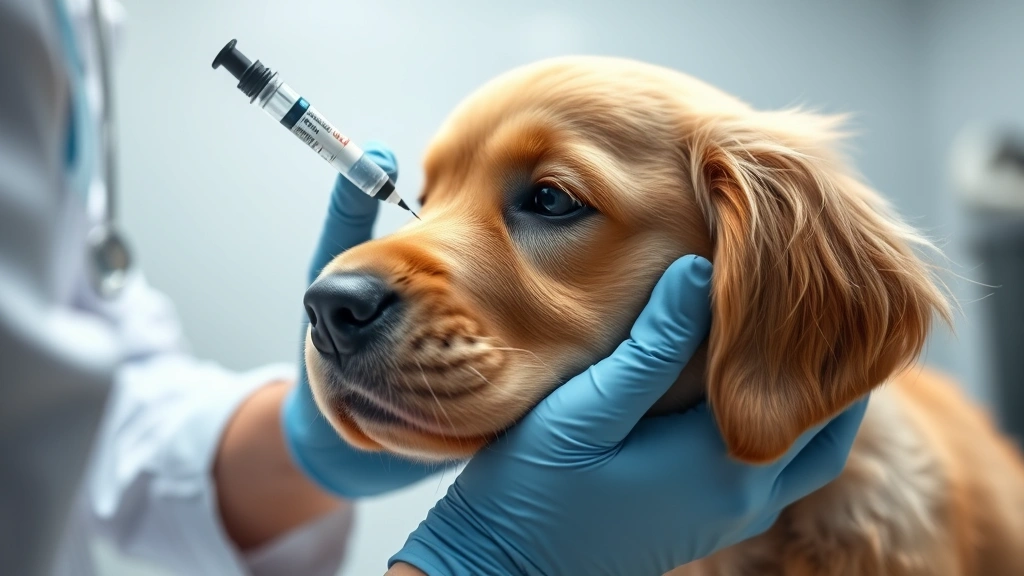
A dog rabies vaccine is literally the difference between life and death—for your pup and potentially for you. Yeah, that’s not an exaggeration. Rabies is one of the most serious viral diseases out there, with a nearly 100% fatality rate once symptoms show up. But here’s the good news: it’s almost entirely preventable with proper vaccination. Let’s dive into everything you need to know about keeping your furry best friend safe from this nasty disease.
Table of Contents
- Why Your Dog Needs a Rabies Vaccination
- When Should Puppies Get Their First Rabies Shot
- Understanding Rabies Vaccine Types and Duration
- The Rabies Vaccine Booster Schedule Explained
- What to Expect During the Rabies Vaccination Appointment
- Common Side Effects and What’s Normal
- Rabies Vaccine Requirements by State and Local Laws
- What Happens If Your Dog Is Exposed to Rabies
- Cost of Rabies Vaccination for Dogs
- Combining Rabies Vaccine With Other Vaccinations
- Frequently Asked Questions
Why Your Dog Needs a Rabies Vaccination
Rabies is a fatal viral infection that attacks the nervous system and brain. Once clinical signs appear, it’s game over—there’s virtually no surviving it. Your dog can contract rabies from bites or scratches from infected wildlife like raccoons, bats, skunks, and foxes. Even a tiny scratch from an infected animal can transmit the virus. The scariest part? Your dog might not even realize they’ve been exposed. That’s where the dog rabies vaccine comes in as your hero.
Beyond protecting your pet, rabies vaccination is a legal requirement in most states and cities. It’s not just a suggestion from your vet—it’s the law. Failure to keep your dog vaccinated can result in hefty fines, quarantine requirements, or even confiscation of your pet. Plus, if your unvaccinated dog bites someone, you’re looking at serious legal liability.
When Should Puppies Get Their First Rabies Shot
Puppies typically receive their first rabies vaccine between 12-16 weeks of age. This is the sweet spot when maternal antibodies have faded enough that the vaccine can do its job effectively. Some vets prefer to wait until 16 weeks to be extra cautious. Your veterinarian will recommend the best timing based on your puppy’s health status and local regulations.
The initial rabies vaccination isn’t the end of the story though. Puppies need a booster shot one year later to strengthen immunity. After that, your dog will need regular boosters—either every 1 or 3 years, depending on the vaccine type your vet uses and your local laws.
Understanding Rabies Vaccine Types and Duration
There are two main types of dog rabies vaccine available: one-year and three-year vaccines. Both are equally effective at preventing rabies, but they differ in how long immunity lasts. The one-year vaccine requires annual boosters, while the three-year vaccine gives you more breathing room between visits. Some pet owners prefer the three-year option because it means fewer vet trips and lower costs over time.
Your veterinarian will help you decide which is best for your situation. Factors like your dog’s age, health status, lifestyle, and local rabies prevalence all play a role. If your dog spends lots of time outdoors in an area with known rabies cases, your vet might recommend the three-year vaccine for extra peace of mind.
The Rabies Vaccine Booster Schedule Explained
After that crucial first booster at one year, your dog’s booster schedule depends on which vaccine your vet administers. With the one-year vaccine, you’re back for a shot every 12 months. With the three-year vaccine, you’re good for 36 months before needing another visit. Keep a calendar reminder because missing a booster means your dog technically loses legal protection, even if they’ve been vaccinated before.
Many vets send reminder postcards or emails when your pup’s rabies vaccination is due. Take advantage of these reminders—they’re lifesavers. If you’re the forgetful type, consider telehealth vet appointments to schedule your dog’s boosters in advance and get reminders sent straight to your phone.
What to Expect During the Rabies Vaccination Appointment
Your vet will start with a quick health check to ensure your dog is healthy enough for vaccination. They’ll ask about any previous reactions to vaccines, current medications, and your dog’s lifestyle. This information helps them determine if the standard rabies vaccine is appropriate or if special considerations are needed.
The actual injection takes seconds. Most vets administer the dog rabies vaccine subcutaneously (under the skin), usually in the hind leg or shoulder area. Your dog might feel a tiny pinch, but it’s over before they know it. Some dogs don’t even react. Others might act dramatic about it—totally normal behavior.
Common Side Effects and What’s Normal
Like any vaccine, the rabies shot can cause mild side effects in some dogs. The most common reactions include mild lethargy, slight fever, or soreness at the injection site. These typically resolve within 24-48 hours and aren’t cause for alarm. Some dogs might seem a bit grumpy or want extra naps the day of vaccination—that’s their immune system doing its job.
More serious side effects are rare but possible. Allergic reactions can include facial swelling, hives, difficulty breathing, or collapse. If you notice any of these symptoms within hours of vaccination, contact your vet immediately or head to an emergency clinic. Severe reactions are uncommon, but knowing the signs means you can act fast if needed.
If your dog has had previous adverse reactions to vaccines, discuss this with your vet before the appointment. They might recommend pre-medication or monitoring, or they might suggest when to call the vet about food and other health concerns that could complicate vaccination.
Rabies Vaccine Requirements by State and Local Laws
Rabies vaccination laws vary significantly by location. Most states require all dogs over a certain age (usually 3-6 months) to be vaccinated against rabies. Some jurisdictions require annual boosters, while others accept the three-year vaccine. A few areas have even stricter requirements for dogs with bite histories.
Your city or county might have specific ordinances too. Some require rabies certificates to be registered with local animal control. Others mandate microchipping along with vaccination. Check your local animal control office’s website or call them to understand exactly what’s required in your area. Ignorance isn’t an excuse if you get fined for non-compliance.
What Happens If Your Dog Is Exposed to Rabies
If your dog has contact with a potentially rabid animal, don’t panic, but do act fast. Immediately wash the wound or contact area with soap and water for at least 5 minutes. Then contact your veterinarian or local animal control. If your dog is current on rabies vaccination, they’ll likely just need a booster shot and monitoring.
If your dog isn’t vaccinated and has been exposed, the situation is much more serious. Your vet might recommend post-exposure prophylaxis (PEP), which involves a series of rabies treatments. Your dog might also need to be quarantined for up to 6 months to monitor for symptoms. This is expensive, stressful, and completely preventable with regular vaccination.
If a wild animal bit your dog, try to safely capture or identify the animal if possible. Animal control can help determine if the animal is known to carry rabies in your area. This information helps your vet decide on the best course of action.

Cost of Rabies Vaccination for Dogs
The dog rabies vaccine is one of the most affordable preventive care measures available. Expect to pay anywhere from $15-$30 for the vaccine itself, plus your vet’s examination fee (usually $50-$100). So you’re looking at roughly $65-$130 per visit. The three-year vaccine might cost slightly more upfront but saves money long-term since you’re vaccinating less frequently.
Many animal shelters and low-cost clinics offer rabies vaccines for $10-$20 if cost is a concern. Some communities have vaccination clinics during certain times of year where you can get vaccines at reduced prices. Check with your local animal control or humane society for these opportunities. No dog should go unvaccinated due to cost—options exist.
Combining Rabies Vaccine With Other Vaccinations
Most dogs receive the rabies vaccine alongside other important vaccinations like DHPP (distemper, hepatitis, parvo, parainfluenza). Combining vaccines in one visit is convenient and cost-effective. Your vet will discuss which vaccines your dog needs based on age, lifestyle, and risk factors.
Some pet owners worry about giving multiple vaccines at once, but veterinarians have determined this is safe and effective. Spacing vaccines too far apart leaves your dog vulnerable to disease, which is riskier than receiving multiple shots on the same day. Trust your vet’s vaccination recommendations—they’re based on decades of research and clinical experience.
Frequently Asked Questions
Can an indoor dog skip the rabies vaccine?
No. Even indoor-only dogs need rabies vaccination. Bats and other wildlife can get into homes, and accidents happen. Plus, it’s legally required in most places regardless of whether your dog goes outside. An indoor dog is still a dog that needs protection.
Is the rabies vaccine safe for senior dogs?
Yes, senior dogs can receive rabies boosters. Your vet might recommend a health check first to ensure your older pup is healthy enough, but age alone isn’t a reason to skip vaccination. The risks of rabies far outweigh any vaccine risks for senior dogs.
What if my dog is pregnant or nursing?
Discuss this with your vet before vaccinating a pregnant or nursing dog. Most vets recommend waiting until after pregnancy and nursing to vaccinate, but if rabies exposure is a concern, the benefits might outweigh the risks. Your vet will help you make the best decision for your individual dog.
Can dogs get rabies even if vaccinated?
Breakthrough infections are extremely rare but theoretically possible, especially if immunity is waning or the vaccine response was inadequate. This is why boosters are important—they maintain strong immunity. Following the recommended vaccination schedule makes breakthrough infections virtually impossible.
Do I need to quarantine my dog after rabies vaccination?
No. The rabies vaccine is inactivated, meaning it contains dead virus particles. Your dog cannot transmit rabies to others after vaccination. They can resume normal activities immediately, though some vets recommend light exercise the day of vaccination.





