
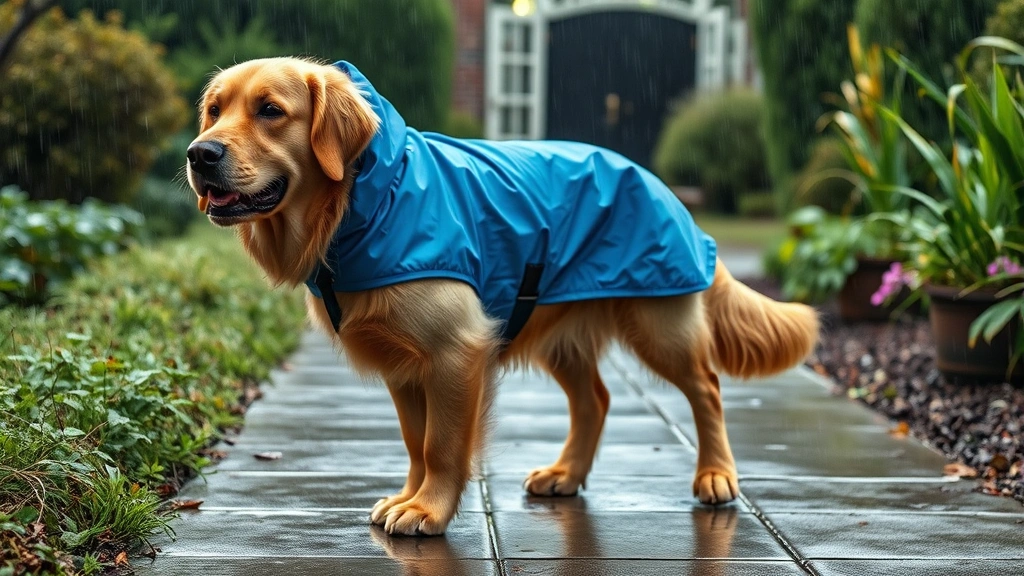
A dog rain coat isn’t just a fashion statement for your furry friend—it’s a practical necessity that keeps your pup comfortable, dry, and happy during those wet weather adventures. Whether you’ve got a tiny Chihuahua or a massive Great Dane, finding the right waterproof jacket can make the difference between a miserable walk and a tail-wagging good time in the rain.
Table of Contents
- Why Your Dog Actually Needs a Rain Coat
- Understanding Waterproof vs. Water-Resistant Materials
- Size and Fit: Getting It Just Right
- Top 5 Dog Rain Coats Worth Your Money
- Material Considerations for Sensitive Skin
- Eco-Friendly Rain Coat Options
- Cleaning and Maintenance Tips
- Reducing Your Dog’s Carbon Pawprint
- Training Your Dog to Accept Their Rain Coat
- Budget-Friendly vs. Premium Options
- Frequently Asked Questions
- Final Thoughts: Keeping Your Pup Comfortable in Any Weather
Why Your Dog Actually Needs a Rain Coat
Look, I get it. Your dog has fur, so shouldn’t that be enough? Not quite. Most dog coats aren’t waterproof—they’re water-resistant at best. When rain soaks through to the skin, your pup gets cold, uncomfortable, and honestly, pretty grumpy about the whole situation. A quality dog rain coat creates a barrier between that nasty weather and your dog’s undercoat, keeping them dry and maintaining their body temperature. Plus, wet fur takes forever to dry and can lead to skin irritation and that lovely wet dog smell that haunts your home for days.
Understanding Waterproof vs. Water-Resistant Materials
Before you start shopping for a dog rain jacket, let’s talk materials. Waterproof means water literally cannot penetrate the fabric—think heavy-duty nylon or polyester with sealed seams. Water-resistant means the fabric repels water for a while, but eventually, it’ll seep through if you’re out in a downpour long enough. For serious rain protection, you want waterproof. According to the American Kennel Club, proper weather protection is essential for maintaining your dog’s health during rainy seasons. Look for coats with taped seams and quality construction—these details matter more than you’d think.
Size and Fit: Getting It Just Right
A dog rain coat that doesn’t fit properly is basically useless. Too loose, and water sneaks in from the sides and neck. Too tight, and your dog can’t move comfortably or do their business without struggling. Measure your dog’s back length from the base of the neck to the tail base, then check the manufacturer’s sizing chart carefully. Most quality brands offer multiple sizes specifically designed for different breeds and body types. Don’t just guess—an ill-fitting coat will end up in the closet gathering dust.
Top 5 Dog Rain Coats Worth Your Money
After reviewing countless options and considering what actually works for different dog sizes and temperaments, here are five solid choices:
1. The Classic Waterproof Jacket – Perfect for medium to large dogs, these traditional rain coats offer full-body coverage with reinforced seams. They’re durable, easy to clean, and come in fun colors. The belly strap keeps the coat secure during active play.
2. The Lightweight Packable Option – Ideal for owners who want something compact and portable. These fold into their own carrying pouch, making them perfect for road trips or hiking adventures. Don’t let the lightweight construction fool you—they’re genuinely waterproof.
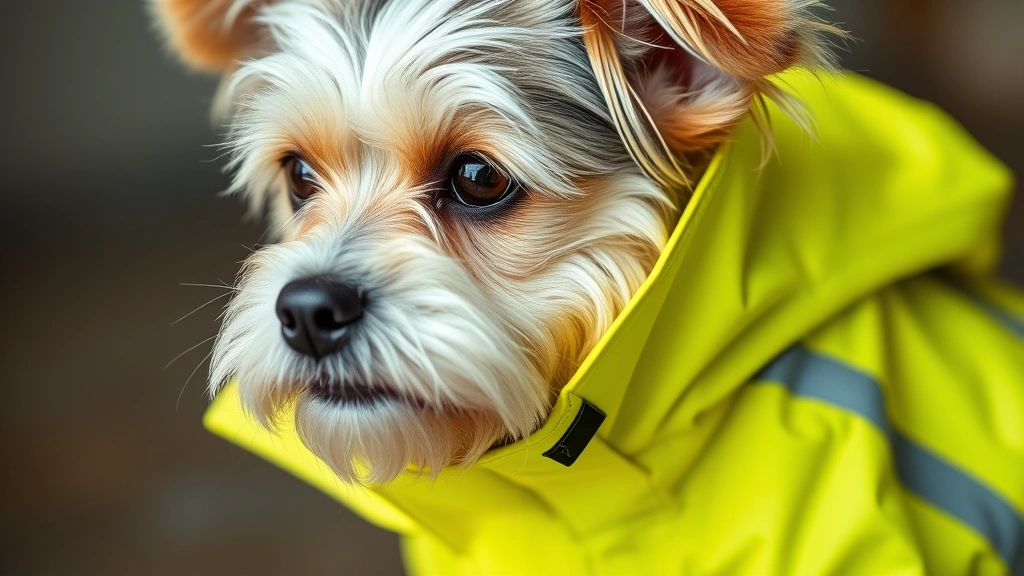
3. The Reflective Safety Coat – If you walk your dog during early morning or evening hours, this is your answer. Built-in reflective strips keep your pup visible to traffic while providing excellent rain protection. Safety meets function here.
4. The Fleece-Lined Winter Rain Coat – For dogs in colder climates, this hybrid coat combines waterproof outer material with cozy fleece lining. It’s like giving your dog a warm hug while keeping them dry. Perfect for those chilly, wet days.
5. The Adjustable Harness-Compatible Coat – Some dogs wear harnesses, and finding a rain coat that works with them can be tricky. These specially designed coats have openings for harness attachments, so you don’t have to choose between safety and dryness.
Material Considerations for Sensitive Skin
Some dogs have sensitive skin that reacts poorly to certain synthetic materials. If your pup falls into this category, look for dog rain coats made from softer, hypoallergenic materials. Cotton blends or specially treated nylon can reduce irritation. PetMD recommends checking for any signs of redness or irritation after wearing a new coat, especially during the first few uses. Let your dog’s skin breathe between rainy days—don’t leave the coat on for extended periods indoors.
Eco-Friendly Rain Coat Options
If you’re environmentally conscious, sustainable options are becoming more available. Look for dog rain coats made from recycled materials or biodegradable alternatives. Many eco-friendly brands now offer waterproof protection without the environmental guilt. This ties nicely into broader pet care sustainability—check out planet friendly pet brands for more options that align with your values. You can also explore sustainable pet grooming practices to complement your eco-friendly approach.
Cleaning and Maintenance Tips
A dog rain coat requires proper care to last through multiple seasons. After each use, rinse off mud and debris with a hose. For deeper cleaning, use mild soap and lukewarm water—avoid harsh detergents that can damage waterproof coatings. Air dry completely before storing; never throw it in the dryer. Check seams regularly for wear and reapply waterproof sealant annually if needed. Proper maintenance extends the life of your investment significantly.
Reducing Your Dog’s Carbon Pawprint
Speaking of sustainability, choosing a durable dog rain coat that lasts years rather than seasons actually reduces waste. Quality construction means fewer replacements, which means less environmental impact. If you’re serious about your dog’s low carbon pawprint, investing in one excellent rain coat beats buying cheap replacements annually. You might also consider biodegradable pet waste bags for your rainy day walks to complete your eco-friendly routine.
Training Your Dog to Accept Their Rain Coat
Some dogs act like you’ve dressed them in a tutu when you first put on a rain coat. The key is gradual introduction and positive reinforcement. Start by letting them wear the coat indoors for short periods without going outside. Reward with treats and praise. Then take short walks in dry conditions before venturing into actual rain. Most dogs adjust within a few days once they realize rain coats don’t hurt and actually make them more comfortable. Patience here pays dividends in future rainy seasons.
Budget-Friendly vs. Premium Options
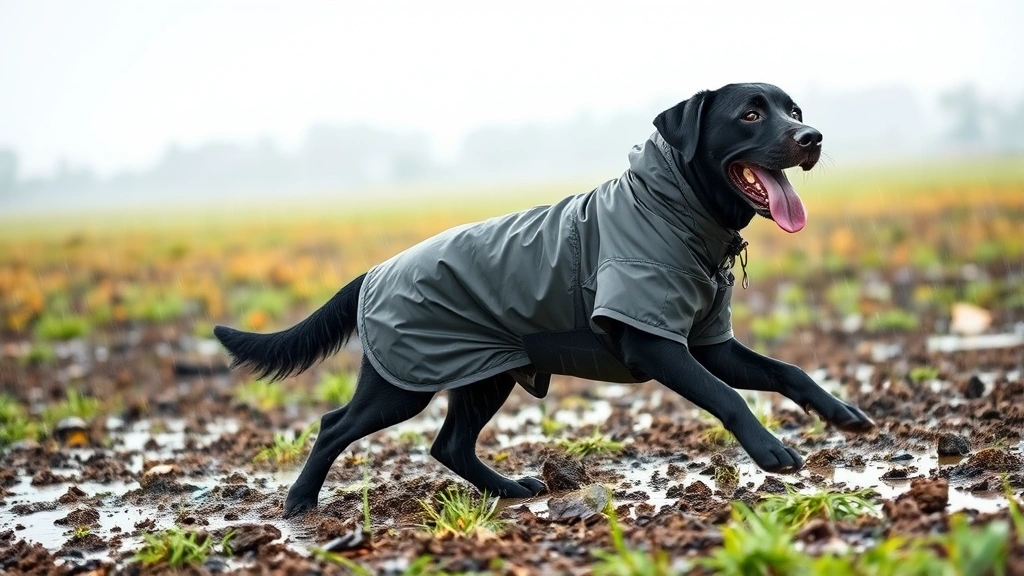
You don’t need to spend a fortune on a quality dog rain coat. Mid-range options ($30-60) offer excellent waterproofing and durability for most dogs. Premium brands ($80+) often include extras like superior insulation, designer aesthetics, or specialized features. Budget options under $20 might work for occasional light rain but often fail during heavy downpours. Find the sweet spot that matches your climate and how frequently your dog ventures outside in wet weather.
Frequently Asked Questions
How often should I replace my dog’s rain coat?
With proper care, a quality dog rain coat lasts 3-5 years. Replace it sooner if you notice seams separating, waterproof coating breaking down, or material tearing. Dogs that spend significant time outdoors may need replacement every 2-3 years.
Can my dog wear a rain coat over a harness?
Yes, but choose a harness-compatible design or ensure your current coat has openings for harness attachment. Layering can sometimes cause chafing, so monitor your dog’s skin regularly for irritation.
What size rain coat should I buy for my dog?
Measure from the base of your dog’s neck to the tail base. Compare this measurement to the manufacturer’s sizing chart rather than relying on breed size alone. Every dog is unique in body shape and proportions.
Are reflective rain coats worth the extra cost?
Absolutely, especially if you walk during low-light hours. Reflective strips significantly improve visibility to vehicles and other hazards. The small additional cost is worth the safety benefit.
How do I know if my dog is too cold in just a rain coat?
Watch for shivering, reluctance to go outside, or seeking shelter constantly. If temperatures drop below 45°F, consider a fleece-lined or insulated dog rain coat instead of a lightweight option.
Final Thoughts: Keeping Your Pup Comfortable in Any Weather
Investing in a proper dog rain coat shows your pup that you care about their comfort and wellbeing. Whether you choose a classic waterproof jacket, an eco-friendly option, or a specialized design for your dog’s specific needs, the right coat makes rainy days enjoyable rather than miserable. Your dog can’t tell you they’re cold and wet, but their behavior will—and a quality rain coat eliminates that problem entirely. So grab one that fits your budget and your dog’s personality, introduce it gradually, and get ready for many happy rainy day adventures together. Your dog (and your carpet) will thank you.





