
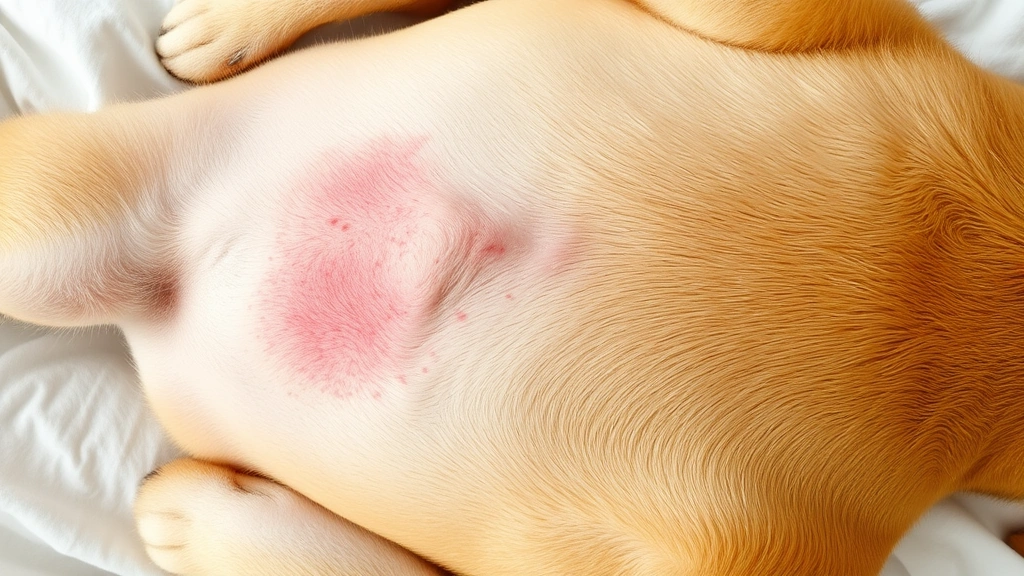
A dog rash on belly can turn your pup into a non-stop scratching machine faster than you can say “cone of shame.” One minute your furry friend is lounging peacefully on the couch, and the next they’re gnawing at their underside like it owes them money. If you’ve noticed red, irritated skin on your dog’s belly, you’re not alone—this is one of the most common skin complaints veterinarians see, and the good news is that most causes are totally manageable once you know what you’re dealing with.
Table of Contents
- Why Does My Dog Have a Rash on Their Belly?
- Cause #1: Allergies (The Usual Suspect)
- Cause #2: Bacterial or Yeast Infections
- Cause #3: Parasites and Mites
- Cause #4: Contact Dermatitis (The Irritant)
- Cause #5: Hormonal Imbalances and Skin Conditions
- Fast Relief Solutions: What You Can Do Right Now
- When to See a Vet About Your Dog’s Belly Rash
- Prevention: Keeping That Belly Rash-Free
- Home Remedies That Actually Work
- Understanding Your Dog’s Skin Barrier
- Frequently Asked Questions
- Final Thoughts: Your Dog’s Belly Deserves Better
Why Does My Dog Have a Rash on Their Belly?
Your dog’s belly is basically the VIP lounge of skin conditions. It’s warm, moist, and often hidden under fur, making it the perfect breeding ground for irritation. The belly is also one of the most sensitive areas on a dog’s body, with thinner skin and less protective fur coverage compared to other parts. This means whatever is causing trouble—whether it’s allergens, bacteria, or parasites—tends to hit this area extra hard. Understanding the root cause is half the battle in getting your pup some relief.
Cause #1: Allergies (The Usual Suspect)
Allergies are the drama queens of dog skin problems. They come in three main flavors: food allergies, environmental allergies, and contact allergies. A dog with food allergies might react to chicken, beef, wheat, or dairy, and often the first sign is itchy, rashy skin on the belly and paws. Environmental allergies from pollen, dust mites, or mold can cause seasonal flare-ups that drive your pup absolutely bonkers. The belly rash from allergies typically looks red, inflamed, and might have some hair loss from excessive scratching. Check out our Pet Nutrition Advice guide to learn more about identifying potential food triggers in your dog’s diet.
Cause #2: Bacterial or Yeast Infections
Warm, damp skin is basically a five-star resort for bacteria and yeast. Dogs with skin folds, overweight pups, or those living in humid climates are especially prone to these infections. A yeast infection typically shows up as red, greasy-looking skin with a distinctive musty or corn chip odor (yes, really). Bacterial infections might appear as pustules, crusting, or weeping sores. The belly’s warm environment makes it ground zero for these microscopic troublemakers. If your dog’s rash smells funky or looks particularly angry and inflamed, infection could be the culprit.
Cause #3: Parasites and Mites
Fleas are obvious, but mange mites are the sneaky villains nobody expects. Sarcoptic mange causes intense itching and can lead to a nasty rash, while demodectic mange (red mange) creates hair loss and red, scaly skin. Even if you don’t see fleas, flea allergy dermatitis is real—some dogs react to just one flea bite like it’s the end of the world. The belly is a favorite flea hangout spot because it’s harder for dogs to reach and groom thoroughly. Regular flea prevention is your best defense here.
Cause #4: Contact Dermatitis (The Irritant)
Sometimes a dog rash on belly is simply caused by something your pup came into contact with. Harsh cleaning chemicals, certain fabrics, plants like poison ivy, or even the material of their dog bed can trigger contact dermatitis. If the rash appeared suddenly after a bath or after lying on a new blanket, contact dermatitis might be your answer. This type of rash usually appears where the skin made direct contact with the irritant, so the belly makes sense if they’ve been lying down.
Cause #5: Hormonal Imbalances and Skin Conditions
Less common but definitely possible: hormonal issues like hypothyroidism or Cushing’s disease can manifest as skin problems, including belly rashes. These conditions compromise the skin barrier and make infections more likely. Seborrhea, a condition affecting oil gland function, can also cause scaly, irritated skin. If your dog’s rash persists despite treatment or is accompanied by other symptoms like weight gain, hair loss, or lethargy, a hormonal issue might be hiding in the background.

Fast Relief Solutions: What You Can Do Right Now
Before you panic and book an emergency vet appointment at 2 AM, try these immediate relief strategies. First, stop the scratching cycle with a cone or recovery suit if necessary—I know it looks ridiculous, but it prevents further damage. Bathe your dog with a gentle, hypoallergenic shampoo (avoid anything with harsh chemicals) and pat dry thoroughly. Consider an oatmeal bath, which is soothing and anti-inflammatory. Apply a vet-approved topical treatment to the affected area. Our Immune Boosting Foods for Pets article can help you support your dog’s skin health from the inside out. Avoid scratching the area yourself (I know it’s tempting to investigate), and keep the belly clean and dry.
When to See a Vet About Your Dog’s Belly Rash
If the rash doesn’t improve within a few days, spreads rapidly, shows signs of infection (pus, crusting, foul odor), or your dog seems to be in significant pain, it’s vet time. Persistent scratching can lead to secondary infections, so don’t wait too long. A veterinarian can perform skin scrapings, fungal cultures, or allergy testing to pinpoint the exact cause. They might recommend antibiotics, antifungals, antihistamines, or prescription shampoos. For diet-related concerns, our Virtual Vet Consultation for Diet Questions service can connect you with professionals who specialize in nutritional causes of skin problems.
Prevention: Keeping That Belly Rash-Free
An ounce of prevention is worth a pound of hydrocortisone cream. Keep your dog on year-round flea and tick prevention—this alone prevents so many skin issues. Maintain a consistent grooming routine and check your dog’s skin regularly for early signs of problems. Use a high-quality dog shampoo appropriate for your dog’s skin type, and bathe only when necessary (over-bathing strips natural oils). Keep your dog’s living area clean and dry, especially if they’re prone to moisture-related infections. Feed a high-quality diet with proper nutrition to support skin health. Consider adding omega-3 supplements, which are fantastic for skin and coat. Wash dog bedding regularly in hypoallergenic detergent, and avoid exposing your pup to known irritants.
Home Remedies That Actually Work
While professional treatment is important for serious cases, some home remedies can provide relief and support healing. Coconut oil has antimicrobial and anti-inflammatory properties—apply a small amount directly to the rash. Apple cider vinegar diluted in water can help with yeast issues (though skip this if the skin is broken). Aloe vera gel is soothing and cooling. Chamomile tea cooled and applied as a compress reduces inflammation. Fish oil supplements support skin health from within. Plain, unsweetened yogurt applied topically contains probiotics that fight yeast. Always patch test first and consult your vet before using any home remedy, especially if your dog is on medication.
Understanding Your Dog’s Skin Barrier
Your dog’s skin is their largest organ and their first line of defense against the world. Unlike human skin, dog skin is more neutral in pH and thinner overall, making it more sensitive. The belly specifically has less protective hair and more sensitive skin, which explains why rashes appear there so frequently. A compromised skin barrier allows bacteria, yeast, and allergens to penetrate more easily. This is why maintaining skin health through proper nutrition, grooming, and environmental management is so crucial. According to the American Kennel Club, skin and coat health starts from within with proper nutrition.
Frequently Asked Questions
Is a dog belly rash contagious to other pets?
It depends on the cause. Fungal infections like ringworm and some mite infestations can spread to other animals and even humans. Bacterial infections are less likely to spread but possible. If your vet confirms a contagious cause, isolate your dog and wash your hands frequently. Most allergies and contact dermatitis are not contagious.
Can I use human skincare products on my dog’s rash?
Generally, no. Human products often contain ingredients that are irritating or toxic to dogs. The pH balance is different, and what soothes human skin might make your dog’s situation worse. Always use products specifically formulated for dogs, or ask your vet for recommendations.
How long does it take for a dog rash to heal?
This varies wildly depending on the cause and severity. Contact dermatitis might clear in a few days once the irritant is removed. Allergies might take weeks to improve even with treatment. Infections typically show improvement within 1-2 weeks of appropriate treatment. Chronic conditions might require ongoing management.
Should I bathe my dog more often if they have a rash?
Not necessarily. Over-bathing can actually worsen skin conditions by stripping natural oils. Bathe only when necessary with gentle, appropriate products. Your vet might recommend medicated baths for specific conditions, but daily bathing is usually counterproductive.
What if the rash keeps coming back?
Recurring rashes suggest an underlying issue that needs addressing. This could be an unidentified allergy, a chronic skin condition, or environmental factors you haven’t identified yet. Your vet might recommend allergy testing or a dietary elimination trial to pinpoint the problem.
Can stress cause a rash on my dog’s belly?
While stress doesn’t directly cause rashes, it can weaken the immune system and trigger or worsen existing skin conditions. Anxious dogs also tend to lick and scratch more, creating secondary skin damage. If your dog’s rash flares during stressful periods, addressing the anxiety might help.
Final Thoughts: Your Dog’s Belly Deserves Better
A dog rash on belly is frustrating for both you and your pup, but it’s rarely a sign of something catastrophic. Most causes are identifiable and treatable once you know what you’re looking for. Start with the obvious (fleas, allergens, irritants), keep the area clean and dry, and don’t hesitate to involve your vet if things don’t improve quickly. Your dog’s skin health is a window into their overall wellbeing, so addressing rashes promptly is always the right move. With some detective work and the right treatment plan, you’ll have your pup’s belly back to soft, healthy, itch-free skin in no time. And yes, they’ll finally stop looking at you with those sad, scratchy eyes.





