
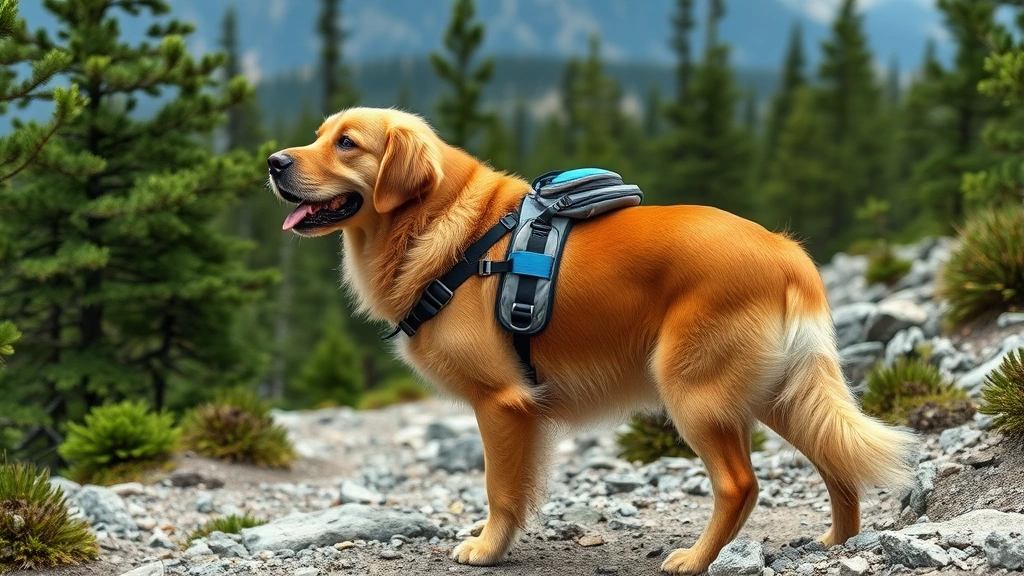
A dog rucksack backpack is basically a tiny hiking pack your furry friend wears to carry their own gear on the trail. Yes, you read that right—your pup can help haul supplies instead of just being dead weight on your shoulders for the entire hike. It’s like giving your dog a job, and honestly, most dogs love feeling useful (or at least looking adorable while doing it).
Table of Contents
- Why Your Dog Needs a Backpack for Hiking
- Key Features to Look for in a Dog Backpack
- The Best Dog Rucksack Backpack Options for 2024
- Sizing Your Dog for the Perfect Backpack Fit
- Training Your Dog to Wear a Backpack
- Maintenance and Care for Your Dog’s Backpack
- Safety Considerations When Using Dog Backpacks
- Complementary Gear for Trail Adventures
- What to Pack in Your Dog’s Backpack
- The Environmental Impact of Hiking with Your Dog
- Nutrition and Hydration on the Trail
- Real-World Reviews and User Experiences
- Frequently Asked Questions
- Conclusion
Whether you’re tackling mountain trails, forest paths, or casual neighborhood walks, the right dog backpack can make adventures more enjoyable for both you and your four-legged companion. Let’s dig into what makes these packs essential gear and find the best options out there.
Why Your Dog Needs a Backpack for Hiking
Think about it: your dog is already carrying around their own body weight. Why not let them contribute to the expedition? A properly fitted dog rucksack distributes weight evenly across your pup’s shoulders and back, which actually strengthens their core muscles and builds confidence. Plus, it gives them a sense of purpose—dogs are working animals at heart, and they genuinely enjoy having a job to do.
Beyond the psychological boost, a quality dog hiking backpack allows your pup to carry their own water, snacks, waste bags, and first aid supplies. This means lighter load on your shoulders and more energy for the actual adventure. It’s a win-win situation that’ll make your trail time exponentially better.
Key Features to Look for in a Dog Backpack
Not all dog rucksacks are created equal. Before dropping cash on one, consider these essential features:
Proper Fit and Comfort: The backpack should sit snugly without restricting movement or causing chafing. Look for adjustable straps and padded panels that contour to your dog’s body shape. A poorly fitted pack is worse than no pack at all—trust me, your dog will let you know.
Weight Distribution: Quality dog backpacks feature ergonomic designs that distribute weight evenly across both sides. This prevents strain on one shoulder or hip, which is crucial for long hikes.

Durable Materials: You want water-resistant fabrics that can withstand branches, rocks, and inevitable dog rolling in mud. Look for reinforced stitching and quality zippers that won’t jam when you’re miles from civilization.
Storage Capacity: Consider how much gear your dog realistically needs to carry. Most quality packs offer 4-8 liters of storage, which is plenty for a day hike.
The Best Dog Rucksack Backpack Options for 2024
Here are five standout choices that’ll have your pup trail-ready:
1. Ruffwear Approach Pack
The Ruffwear Approach Pack is basically the luxury sedan of dog backpacks. It features a lightweight design with reflective trim for visibility, side compression straps for load stability, and dual attachment points for leashes. The pack sits low on your dog’s back to maintain their natural gait, and the materials are tough enough to handle serious terrain. Plus, Ruffwear backs their products with a lifetime warranty because they’re confident in their quality.
2. Outward Hound DayPack
If you want something more budget-friendly without sacrificing quality, the Outward Hound DayPack delivers. It features spacious saddlebag-style pouches that keep weight balanced, adjustable chest and belly straps for a secure fit, and water-resistant nylon construction. The removable pouches make it easy to customize how much your dog carries, and the design works for dogs of various sizes.
3. OneTigris Molle Dog Backpack
For the tactical dog owner, the OneTigris Molle system offers serious customization. This military-style pack features modular pouches you can attach and detach as needed, making it incredibly versatile. The durable 1000D nylon can handle rough conditions, and the design is lightweight without compromising durability. It’s perfect if you like tinkering with gear configurations.
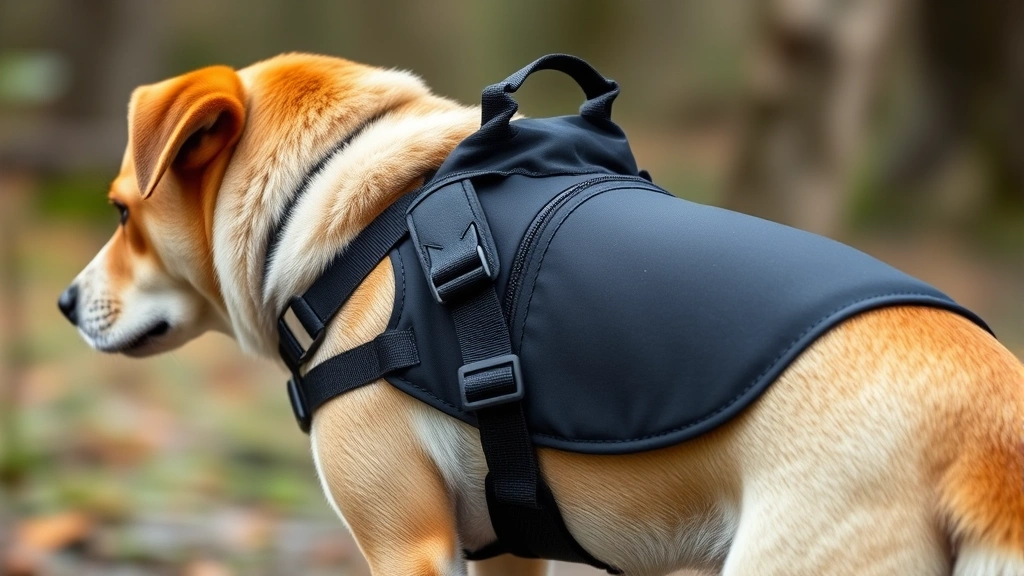
4. Kurgo Baxter Backpack
The Kurgo Baxter combines style with functionality. This pack features reflective piping for safety, multiple pockets for organization, and a design that works for both hiking and everyday adventures. The padded shoulder straps distribute weight comfortably, and the pack is machine-washable, which is a huge plus when your dog inevitably gets dirty.
5. Mountainsmith K-9 Gear Pack
Designed specifically for serious hikers with serious dogs, the Mountainsmith K-9 Gear Pack offers maximum storage and comfort. It features load-lifter straps, sternum straps for stability, and a design that keeps the pack’s center of gravity close to your dog’s body. The materials are bombproof, and the construction quality rivals human backpacks.
Sizing Your Dog for the Perfect Backpack Fit
Getting the right size is absolutely critical. Most manufacturers provide sizing charts based on your dog’s weight and chest girth. Measure your pup’s chest at the widest point (usually just behind the front legs) and compare it to the manufacturer’s specifications. A pack that’s too large will shift around and cause discomfort, while one that’s too small will restrict movement and breathing.
When you first try the pack on your dog, you should be able to fit two fingers between the pack and your dog’s body. This ensures snugness without being restrictive. Take your dog for a short walk around the house or yard before hitting the trails to let them adjust to the feeling.
Training Your Dog to Wear a Backpack
Not every dog immediately accepts wearing a pack. Start with short wearing sessions at home—just 5-10 minutes while offering treats and praise. Gradually increase the duration over several days. Once your dog is comfortable with the empty pack, add lightweight items and take short walks before progressing to actual hiking.
Use positive reinforcement throughout the process. Many dogs actually enjoy wearing their packs once they understand it means adventure time. Some even get excited when they see their backpack come out—it becomes a signal that something fun is about to happen.

Maintenance and Care for Your Dog’s Backpack
A quality dog rucksack is an investment, so treat it like one. After each hike, remove any debris, brush off dirt, and check for damage. Most packs can be hand-washed with mild soap and water. Allow them to air-dry completely before storing to prevent mildew.
Check the straps and attachment points regularly for wear and tear. Reinforce any loose stitching immediately—it’s much easier to fix a small problem than replace an entire pack. Store your pack in a cool, dry place away from direct sunlight, which can degrade materials over time.
Safety Considerations When Using Dog Backpacks
While dog backpacks are generally safe, a few precautions matter. Never overload your dog’s pack—a general rule is that dogs shouldn’t carry more than 25% of their body weight. A 50-pound dog should carry maximum 12-13 pounds, and that includes the pack itself.
Watch for signs of discomfort during hikes: excessive panting, reluctance to move, or limping. Take regular breaks, especially on hot days, and bring plenty of water. Remove the pack if your dog seems fatigued or distressed.
Consider your dog’s age and fitness level. Puppies shouldn’t wear weighted packs until their bones are fully developed (usually around 12-18 months, depending on breed), and senior dogs might not appreciate the extra weight. Always consult with your vet before starting your dog on a backpacking routine, especially if they have joint issues or health concerns.
Complementary Gear for Trail Adventures
A dog backpack is just one piece of the puzzle. Pair it with quality coach dog collar options that offer durability and control on the trail. You’ll also want to ensure your dog is wearing cruelty-free pet supplies that align with ethical outdoor practices.
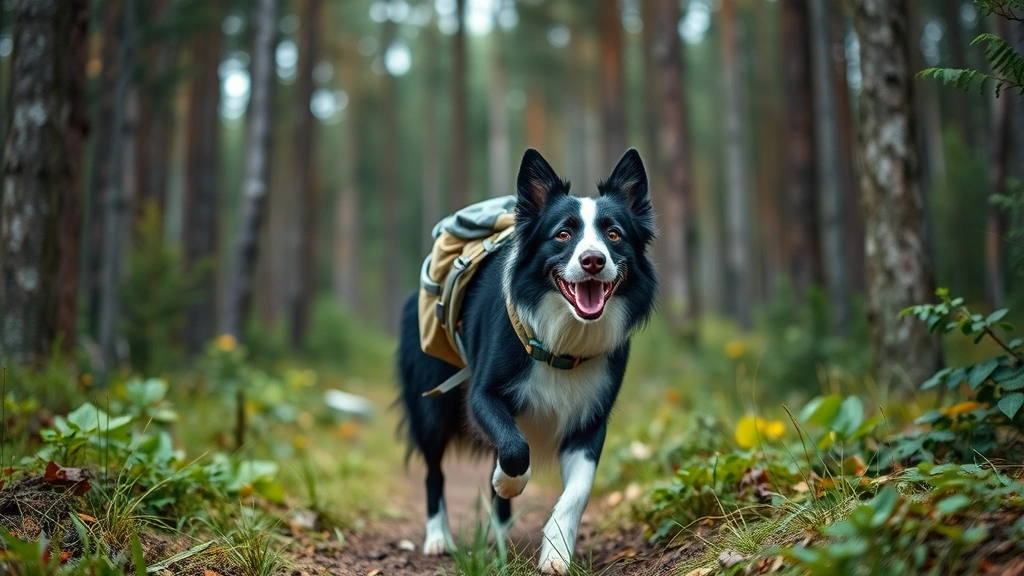
Consider adding a quality leash, dog booties for rocky terrain, and a portable water bowl to your hiking kit. Some outdoor enthusiasts also invest in sustainable pet grooming products to keep their dogs clean and healthy after muddy adventures.
What to Pack in Your Dog’s Backpack
Now that your pup has a pack, what goes inside? Here’s a practical packing list:
- Collapsible water bowl and water (the most important item)
- High-protein dog treats or jerky
- Waste bags and disposal bags
- Basic first aid supplies (bandages, antiseptic wipes, tweezers for splinters)
- ID tags and microchip information
- Medications if your dog requires them
- A lightweight blanket or emergency shelter
- Paw balm for rough terrain
Distribute weight evenly between the two side pouches. Keep heavier items lower and closer to your dog’s body for optimal balance. Remember, less is more—you’re not packing for a month-long expedition.
The Environmental Impact of Hiking with Your Dog
When you’re out on the trails with your pup, you’re part of an ecosystem. Practice Leave No Trace principles by staying on marked trails, packing out all waste, and controlling your dog so they don’t disturb wildlife. Using compostable pet products for waste management is a responsible choice that minimizes environmental impact.
Your dog’s backpack itself should be made from sustainable materials when possible. Many modern manufacturers are moving toward recycled fabrics and eco-friendly production methods. Supporting these companies sends a message that sustainability matters in the outdoor gear industry.
Nutrition and Hydration on the Trail
Proper nutrition during hiking is essential for your dog’s performance and safety. Pack high-quality, protein-rich snacks that provide sustained energy without being too heavy. Avoid anything that might cause digestive upset—stick to foods your dog is already accustomed to eating.

Hydration is even more critical than food. Dogs can’t sweat efficiently and overheat quickly during physical activity. Bring more water than you think you’ll need and offer it frequently, especially on warm days. A collapsible bowl takes up minimal space but makes a huge difference in keeping your pup hydrated.
For longer hikes, consider consulting pet nutrition advice from professionals about optimal feeding strategies for active dogs.
Real-World Reviews and User Experiences
Dog owners who’ve invested in quality backpacks consistently report positive experiences. Most note that their dogs seem more engaged and confident on trails once they’re accustomed to wearing a pack. The weight distribution actually helps some dogs with balance issues or mild joint problems by providing extra support.
Common feedback includes praise for durability, comfort, and the psychological boost dogs get from having a “job.” Some owners report that their dogs actually enjoy wearing their packs so much that they get excited at the sight of them. That’s the kind of enthusiasm that makes outdoor adventures truly special.
Frequently Asked Questions
At what age can dogs start wearing backpacks?
Dogs should be at least 12-18 months old before wearing weighted backpacks, depending on breed size. Large breed puppies develop more slowly and shouldn’t carry weight until fully grown. Always consult your vet about your individual dog’s readiness.
How much weight can a dog safely carry in a backpack?
Dogs shouldn’t carry more than 25% of their body weight. A 50-pound dog can safely carry about 12-13 pounds maximum, including the pack itself. Start with lighter loads and gradually increase as your dog builds strength and endurance.

Can senior dogs wear backpacks?
Senior dogs can wear backpacks if they’re healthy and active, but keep the load very light. Watch closely for signs of fatigue or joint discomfort. Some older dogs actually benefit from the support a well-fitted pack provides, but individual health conditions matter most.
What’s the best way to introduce a dog to wearing a backpack?
Start with short sessions at home wearing an empty pack, gradually building up to longer periods and adding weight. Use positive reinforcement with treats and praise. Most dogs adjust within a few days to a week of consistent, patient introduction.
Are dog backpacks waterproof?
Most quality dog backpacks are water-resistant rather than fully waterproof. They’ll handle light rain and splashes, but aren’t designed for submersion. Check manufacturer specifications for your specific pack’s water resistance rating.
Can I use a regular backpack designed for humans on my dog?
No—human backpacks are designed for different body structures and weight distribution. They won’t fit properly on a dog and can cause discomfort or injury. Always use packs specifically designed for dogs to ensure proper fit and safety.
Conclusion
A quality dog rucksack backpack transforms outdoor adventures by letting your pup carry their own gear while building strength, confidence, and engagement with the trail. Whether you choose the premium durability of Ruffwear, the budget-friendly value of Outward Hound, or the tactical customization of OneTigris, the right pack enhances hiking experiences for both dog and owner.
Remember that proper fit, gradual training, and appropriate weight distribution are essential for safety and comfort. Start small, listen to your dog’s feedback, and adjust as needed. With the right preparation and gear, you and your furry friend will be crushing trails and making memories that’ll last a lifetime. Now get out there and let your dog help carry the load—they’ve been waiting for this moment.





