

Dog safe beaches are the ultimate destination for canine lovers who refuse to leave their furry best friends behind during summer vacation. Whether you’re planning a coastal getaway or just a weekend adventure, finding the right beach where your pup can splash, dig, and socialize without restrictions is a game-changer. This comprehensive guide will help you discover the best pet-friendly shores and learn exactly how to make your beach trip safe, fun, and absolutely unforgettable for your four-legged companion.
Table of Contents
- Why Dog Safe Beaches Matter for Your Pet’s Happiness
- Understanding Beach Regulations and Pet-Friendly Policies
- Top Characteristics of the Best Pet-Friendly Beach Destinations
- Essential Safety Tips for Beach Outings with Your Dog
- Preventing Common Beach-Related Health Issues
- Choosing Between Leashed and Off-Leash Beach Areas
- Nutrition and Hydration Strategies for Beach Days
- Preparing Your Dog Mentally for Beach Adventures
- Post-Beach Care and Recovery
- Popular Dog Safe Beaches Across the United States
- Frequently Asked Questions
- Conclusion: Making Memories at Dog Safe Beaches
Why Dog Safe Beaches Matter for Your Pet’s Happiness
Let’s be honest: dogs LOVE beaches. There’s something about the ocean breeze, the sand between their paws, and the endless stimulation that makes their tails wag uncontrollably. But not all beaches welcome our canine companions with open arms. Many popular coastal destinations have strict no-dog policies during peak season, leaving pet owners frustrated and their dogs disappointed. That’s where dog safe beaches come in—they’re the golden ticket to guilt-free beach days where your pup can be their authentic, sandy, seaweed-covered self.
Beyond the fun factor, according to the American Kennel Club, regular exercise and mental stimulation are crucial for your dog’s physical and mental health. A day at a dog-friendly beach provides both in abundance, helping reduce anxiety, burn energy, and strengthen your bond through shared adventure.
Understanding Beach Regulations and Pet-Friendly Policies
Not all dog safe beaches are created equal. Some allow dogs year-round, while others restrict them to specific seasons or times of day. Before you pack your beach bag, you’ll need to understand the rules at your destination. Most beaches fall into three categories: completely dog-friendly, seasonally dog-friendly (usually allowing dogs during off-peak months), and designated dog beach areas within larger beaches.
Call ahead or check the official beach website for current regulations. Rules can change annually, and some beaches require dogs to be leashed while others offer off-leash areas. Knowing these details prevents the awkward situation of arriving with your unleashed Golden Retriever only to discover strict leash laws are in effect.
Top Characteristics of the Best Pet-Friendly Beach Destinations
The best dog safe beaches share several key features. First, they have shallow, calm water—perfect for dogs who are nervous swimmers or just learning to enjoy the ocean. Second, they offer plenty of shade from trees or beach structures, because dogs can overheat quickly in direct sun. Third, they have fresh water access for rinsing off salt water and preventing dehydration. Finally, the best beaches have other dog-friendly amenities like nearby parking, restrooms, and sometimes even dog showers.
When evaluating a beach’s suitability for your pup, consider your dog’s age, swimming ability, and temperament. Senior dogs might struggle with long walks on sand, while high-energy breeds need space to run freely. Anxious dogs might prefer quieter, less-crowded beaches away from the summer rush.
Essential Safety Tips for Beach Outings with Your Dog
Before your pup touches a single grain of sand, prepare properly. Pack fresh drinking water—lots of it. Salt water is dangerous for dogs, causing dehydration and electrolyte imbalances if ingested. Bring a collapsible bowl and refill it frequently throughout the day. Speaking of hydration, PetMD recommends monitoring your dog for signs of dehydration including excessive panting, dry gums, and lethargy.
Apply dog-safe sunscreen to exposed areas like the nose, ears, and belly. Yes, dogs can get sunburned, especially those with light-colored or thin coats. Bring a beach umbrella or pop-up tent for shade breaks. Plan your beach time for early morning or late afternoon when UV rays are less intense and temperatures are cooler.
Never leave your dog unattended, even for a moment. Rip currents, aggressive wildlife, and other beachgoers can pose unexpected dangers. Keep a close eye on your pup and establish clear boundaries about how far they can venture into the water.
Preventing Common Beach-Related Health Issues
The beach environment presents unique health challenges for dogs. Sand in ears can lead to infections, so rinse your dog’s ears with fresh water after beach time. Salt water exposure can irritate skin and coat, making a freshwater rinse essential before leaving the beach. Some dogs develop digestive upset from drinking salt water or eating seaweed—both common beach temptations.
Watch for signs of heat exhaustion: excessive panting, drooling, weakness, or collapse. If you notice these symptoms, move your dog to shade immediately and cool them down with water. Consider bringing a cooling vest or wet towel for breaks.

Marine hazards like jellyfish, sea urchins, and sharp shells can injure paws. Inspect your dog’s paws regularly during beach visits and consider protective booties for dogs with sensitive feet. If your dog encounters a jellyfish, rinse the area with vinegar if available, then seek veterinary attention if stinging occurs.
Choosing Between Leashed and Off-Leash Beach Areas
Dog safe beaches often designate specific zones for off-leash play, and these areas are worth seeking out if your dog enjoys socializing with other pups. Off-leash beaches provide freedom and exercise opportunities that most dogs crave. However, they require responsible ownership—your dog must have reliable recall and good manners around other dogs.
If your dog is still working on obedience or has any aggression issues, stick to leashed areas. A 6-foot leash gives your dog room to explore while keeping them under control. Retractable leashes might seem convenient, but they can tangle, break, or give your dog too much unsupervised distance. A standard fixed-length leash is safer and more reliable.
Nutrition and Hydration Strategies for Beach Days
Beach days burn serious calories, so plan meals accordingly. If you’re spending the whole day at the beach, bring portable dog food or treats. Avoid feeding your dog immediately before swimming to prevent bloat. Vet-approved human foods for pets can supplement commercial treats—just stick to safe options. Many pet owners wonder about specific foods; for instance, can dogs eat chicken? Yes, plain cooked chicken is excellent for beach day snacks.
Avoid sharing your beach snacks with your pup unless you’re certain they’re dog-safe. Salty chips, chocolate, grapes, and onions are all toxic or problematic for dogs. Pack dog-specific treats instead—your pup won’t feel left out, and you’ll avoid emergency vet visits.
Preparing Your Dog Mentally for Beach Adventures
If your dog has never experienced the beach before, introduce them gradually. Start with short visits to get them comfortable with the sounds, sights, and sensations. Some dogs are naturally water-loving, while others need encouragement. Never force a nervous dog into the ocean—let them explore at their own pace.
Consider scheduling a telehealth vet appointment before your beach trip if your dog has anxiety issues. Your vet might recommend calming supplements or anxiety management strategies to help your pup enjoy the experience.
Socialization is another mental preparation component. If your dog will be around other dogs at a dog-friendly beach, ensure they’re comfortable with canine interactions. Well-socialized dogs enjoy the beach experience far more than anxious or reactive pups.
Post-Beach Care and Recovery
The beach adventure doesn’t end when you leave the sand. Thorough post-beach care prevents infections and discomfort. Rinse your dog completely with fresh water to remove salt, sand, and any debris. Pay special attention to ears, paws, and between toes where sand and moisture hide.
Dry your dog thoroughly with towels and allow them to air dry completely before going inside. Damp fur creates ideal conditions for bacterial and yeast infections. If your dog has long hair, consider a gentle bath with dog-safe shampoo to remove stubborn sand and salt.
Inspect your dog’s paws for cuts, splinters, or irritation. Check between toes, under nails, and on paw pads. Apply paw balm if needed to soothe irritated skin. Monitor your dog for signs of discomfort or infection over the next few days.
Popular Dog Safe Beaches Across the United States
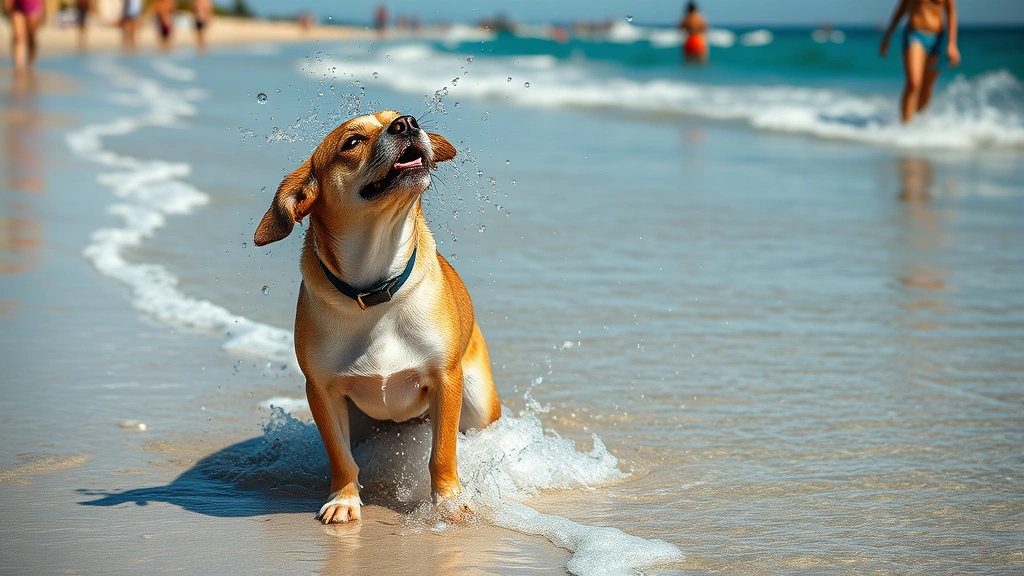
Several beaches have earned stellar reputations as dog safe beaches. Cape May, New Jersey offers designated dog beach areas with off-leash zones. Dog Beach in San Diego, California is legendary for its year-round dog-friendly policy and active dog community. Rehoboth Beach, Delaware allows leashed dogs during certain seasons. Carmel Beach in California permits off-leash dogs in specific areas.
Research beaches near your location and read reviews from other dog owners. Local pet blogs and social media groups often provide the most current information about dog policies, water conditions, and amenities.
Frequently Asked Questions
What age can puppies start visiting dog safe beaches?
Most vets recommend waiting until puppies are at least 16 weeks old and have completed their initial vaccination series. Young puppies are vulnerable to parasites and diseases that thrive in sand and saltwater environments. Always consult your veterinarian before introducing your puppy to the beach.
Can all dog breeds enjoy beach activities?
While most dogs can enjoy beaches, some breeds are better suited than others. Water-loving breeds like Labrador Retrievers and Portuguese Water Dogs naturally thrive. Brachycephalic breeds (flat-faced dogs like Bulldogs and Pugs) struggle with heat and should visit beaches during cooler hours only. Senior dogs and those with joint issues might find sand difficult to walk on. Assess your individual dog’s abilities and limitations.
How long can dogs safely stay at the beach?
Most healthy adult dogs can spend 2-4 hours at the beach with proper hydration and shade breaks. Senior dogs and puppies should limit beach time to 1-2 hours. Watch your dog’s energy levels and provide frequent rest periods. It’s better to end the day while your pup still has energy than to exhaust them completely.
What should I do if my dog drinks saltwater?
Small amounts of saltwater are usually harmless, but excessive intake causes dehydration and gastrointestinal upset. If your dog drinks significant saltwater, offer fresh water immediately and monitor for vomiting, diarrhea, or lethargy. Contact your vet if symptoms develop or persist.
Are there any dog safe beaches that allow dogs year-round?
Yes, several beaches maintain year-round dog-friendly policies, though some restrict off-leash areas during peak summer season. Research specific beaches in your area, as policies vary by location and change seasonally. Winter beach visits often provide the best conditions—fewer crowds, cooler temperatures, and more off-leash freedom.
Conclusion: Making Memories at Dog Safe Beaches
Dog safe beaches represent the perfect intersection of adventure, exercise, and quality time with your beloved companion. By understanding regulations, preparing properly, and prioritizing safety, you can create unforgettable beach memories that your dog will treasure. Remember that every dog is unique—what works perfectly for one pup might not suit another. Pay attention to your individual dog’s needs, comfort level, and preferences.
Start with shorter visits to gauge your dog’s comfort, invest in proper safety equipment, and always prioritize hydration and shade. Whether you’re exploring a famous dog beach destination or discovering a hidden local gem, the joy on your dog’s face as they splash through waves makes every bit of preparation worthwhile. Your pup doesn’t need the fanciest beach or the most exotic location—they just need to be with you, experiencing something new and exciting together. So grab your leash, pack that water bowl, and head to the nearest dog safe beach for an adventure you’ll both remember forever.





