

When your beloved canine companion has ingested something potentially harmful, knowing how to safely induce vomiting can be a life-saving skill. However, this emergency procedure should never be taken lightly and requires careful consideration of timing, method, and circumstances. Understanding when and how to make your dog throw up safely is crucial knowledge that every pet owner should possess.
Inducing vomiting in dogs is not always the right solution and can sometimes cause more harm than good. This comprehensive guide will walk you through the essential steps, safety protocols, and critical decision-making process involved in helping your pup through a potential poisoning emergency. Remember, while this information is invaluable for emergency situations, consulting with a veterinary professional should always be your first priority.
When to Induce Vomiting in Dogs
Determining when to induce vomiting requires quick thinking and accurate assessment of the situation. The general rule is that vomiting should only be induced when your dog has consumed a toxic substance within the past two hours and is currently alert and conscious. Time is of the essence, as many toxins begin absorbing into the bloodstream relatively quickly after ingestion.
Common scenarios where inducing vomiting may be appropriate include ingestion of chocolate, grapes, raisins, onions, garlic, xylitol-containing products, certain medications, or antifreeze. However, the decision should ideally be made in consultation with a veterinary professional or pet poison control hotline. The ASPCA Animal Poison Control Center provides 24/7 guidance for pet poisoning emergencies.
Before attempting to induce vomiting in dogs, you must confirm that your pet is fully conscious, able to swallow normally, and showing no signs of difficulty breathing. The dog should not be having seizures or showing signs of severe depression or lethargy.
When NOT to Induce Vomiting
Understanding when not to induce vomiting is equally important as knowing when to do so. There are several critical situations where attempting to make your dog vomit can cause severe injury or death. Never induce vomiting if your dog has consumed corrosive substances such as bleach, drain cleaners, toilet bowl cleaners, or other caustic chemicals, as these can cause additional burns to the esophagus and mouth when brought back up.
Sharp objects like bones, needles, or glass should never be vomited up, as they can cause internal injuries during the return trip. Similarly, petroleum-based products like gasoline, kerosene, or paint thinner pose aspiration risks that can lead to severe pneumonia if inhaled during vomiting.
If your dog is unconscious, having seizures, having difficulty breathing, or has already vomited, do not attempt to induce additional vomiting. Dogs that have consumed unknown substances more than two hours ago should not be made to vomit, as the window for effective removal has likely passed. In these cases, understanding why your dog is throwing up naturally may help you provide better information to your veterinarian.
Safe Methods for Inducing Vomiting
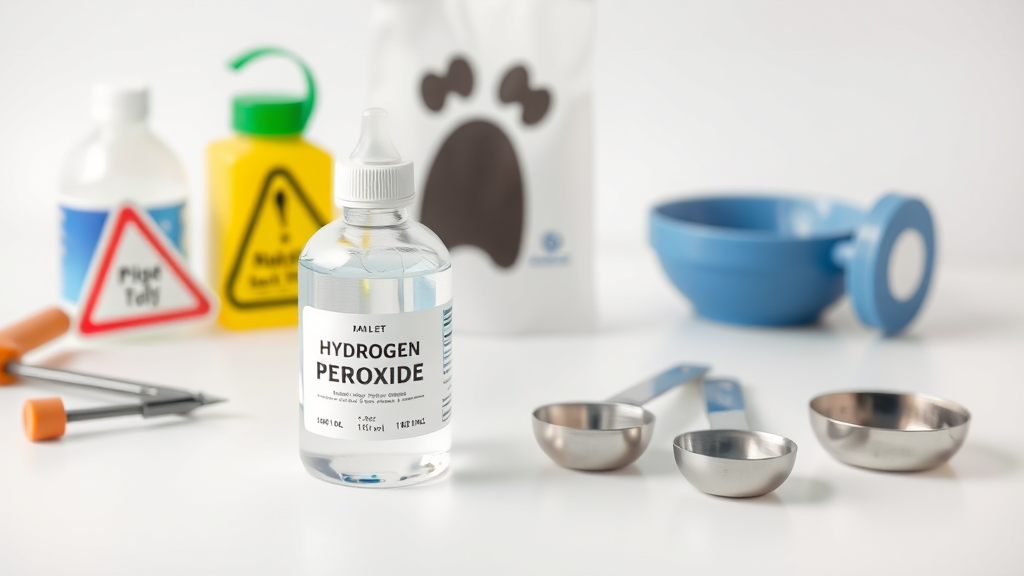
When veterinary guidance confirms that inducing vomiting is appropriate, there are specific methods that are considered safe for home use. The most widely recommended and safest method involves using 3% hydrogen peroxide, which is commonly found in most household medicine cabinets. This method has been endorsed by veterinary professionals as the safest option for pet owners to use in emergency situations.
It’s crucial to understand that many home remedies and folk methods for inducing vomiting are dangerous and should never be used. Salt, mustard, ipecac syrup, and dish soap can all cause serious harm to your dog and may worsen the original poisoning situation. Stick only to veterinary-approved methods, and always contact a professional before proceeding.
The American Veterinary Medical Association emphasizes that inducing vomiting should only be done under professional guidance and with proper understanding of the risks involved.
The Hydrogen Peroxide Method
The hydrogen peroxide method is the gold standard for safely inducing vomiting in dogs when professionally advised. Use only fresh 3% hydrogen peroxide, as expired or higher concentrations can be harmful. The general dosage is one teaspoon per 10 pounds of body weight, with a maximum dose of three tablespoons for dogs weighing over 45 pounds.
To administer hydrogen peroxide, use a syringe, turkey baster, or spoon to place the liquid at the back of your dog’s tongue. Gently hold their mouth closed and stroke their throat to encourage swallowing. After administration, encourage light activity by walking your dog around, as movement can help stimulate the vomiting reflex.
Vomiting should occur within 10-15 minutes of administration. If your dog doesn’t vomit within this timeframe, you may repeat the dose once more. However, never give more than two doses, and always wait the full 15 minutes between attempts. If vomiting still doesn’t occur after the second dose, seek immediate veterinary attention.
Monitor your dog closely during this process, and be prepared to collect a sample of the vomit for your veterinarian to examine. This can help determine how much of the toxic substance was successfully removed and guide further treatment decisions.

Post-Vomiting Care and Monitoring
After successfully inducing vomiting, your dog will need careful monitoring and appropriate aftercare. Remove all food and water for at least two hours to allow their stomach to settle and prevent further irritation. The hydrogen peroxide may continue to cause some stomach upset, and additional vomiting may occur naturally during this period.
Watch for signs of complications such as difficulty breathing, excessive drooling, continued vomiting, diarrhea, or changes in behavior. Sometimes dogs may show symptoms similar to throwing up yellow bile, which can indicate ongoing stomach irritation that requires veterinary attention.
Contact your veterinarian immediately after the incident, even if the vomiting appears successful. They may recommend bringing your dog in for examination, administering activated charcoal, or other treatments depending on the substance ingested. Some toxins require specific antidotes or supportive care that can only be provided by veterinary professionals.
Keep detailed notes about the timing of ingestion, the substance consumed, the amount vomited, and your dog’s behavior throughout the process. This information will be invaluable for your veterinarian in determining the next steps in treatment.
Prevention and Pet-Proofing Your Home
The best approach to handling poisoning emergencies is preventing them from occurring in the first place. Pet-proofing your home involves identifying and securing potential hazards that could harm your curious canine companion. Common household items that pose risks include foods like chocolate, grapes, onions, and products containing xylitol.
Understanding which foods are dangerous is crucial – for instance, knowing whether dogs can eat onions and why dogs can’t have chocolate can prevent many poisoning incidents. Similarly, being aware that dogs cannot have raisins helps you keep these toxic fruits away from your pet.
Store cleaning products, medications, automotive fluids, and other chemicals in locked cabinets or high shelves where your dog cannot access them. Use child-proof latches on cabinets and be mindful of items that may fall or be knocked over by an active dog.
Train your dog with a strong “leave it” command, which can be lifesaving if they encounter something dangerous during walks or in unfamiliar environments. Regular training and reinforcement of this command should be part of every dog’s education.
Emergency Veterinary Contacts
Having emergency contact information readily available can save precious time during a poisoning crisis. Program your local emergency veterinary clinic’s number into your phone, along with the ASPCA Animal Poison Control Center (888-426-4435) and the Pet Poison Helpline (855-764-7661). These services provide expert guidance 24/7, though fees may apply.
Keep your regular veterinarian’s contact information easily accessible, and know their after-hours procedures. Many veterinary practices have partnerships with emergency clinics or provide on-call services for urgent situations.
Consider keeping a pet first aid kit that includes 3% hydrogen peroxide, syringes for administration, activated charcoal (if recommended by your vet), and basic supplies for wound care. Knowing whether you can put Neosporin on a dog and how to tell if a dog has a fever can also be valuable in emergency situations.
The FDA’s guidance on pet poisoning provides additional resources and information for pet owners dealing with poisoning emergencies.
Frequently Asked Questions
How quickly should I induce vomiting after my dog eats something toxic?
Vomiting should be induced as soon as possible, ideally within 30 minutes to 2 hours of ingestion. The effectiveness decreases significantly after 2 hours as the substance begins moving into the small intestine. However, always consult with a veterinarian or poison control hotline before taking action, as some situations may require immediate professional intervention rather than home treatment.
Can I use salt or other household items to make my dog vomit?
No, never use salt, dish soap, mustard, or other household remedies to induce vomiting. These substances can cause additional poisoning, severe dehydration, or other serious complications. Only use 3% hydrogen peroxide when specifically advised by a veterinary professional, and follow exact dosing instructions.
What if my dog won’t vomit after giving hydrogen peroxide?
If vomiting doesn’t occur within 15 minutes, you may repeat the hydrogen peroxide dose once more. However, never give more than two doses total. If vomiting still doesn’t occur after the second attempt, seek immediate veterinary care as your dog may need professional intervention or the substance may not be appropriate for vomiting removal.
Should I give my dog water after they vomit?
Withhold both food and water for at least 2 hours after vomiting to allow the stomach to settle. Small amounts of ice chips may be offered if your dog seems very thirsty, but avoid large quantities of liquid that could trigger additional vomiting or interfere with any subsequent veterinary treatments.
How can I tell if my dog has completely emptied their stomach?
It’s difficult to determine if all toxic material has been removed through vomiting alone. Look for pieces of the ingested item in the vomit, but remember that some substances dissolve quickly or may have already passed into the intestines. Always follow up with veterinary care regardless of how successful the vomiting appears to be.
What signs indicate I should take my dog to the emergency vet immediately?
Seek immediate emergency care if your dog shows difficulty breathing, continuous vomiting, signs of shock (pale gums, weakness, rapid heart rate), seizures, loss of consciousness, or if they consumed a corrosive substance. Additionally, if you’re unsure about what they ingested or the timing, professional evaluation is always the safest choice.
Are there any dog breeds that shouldn’t have vomiting induced?
Brachycephalic breeds (flat-faced dogs like bulldogs, pugs, and Boston terriers) may have increased risks during vomiting due to their airway anatomy. However, the decision should be based on the individual situation and professional guidance rather than breed alone. Always consult with a veterinarian who can assess your specific dog’s condition and the circumstances of the poisoning.





