
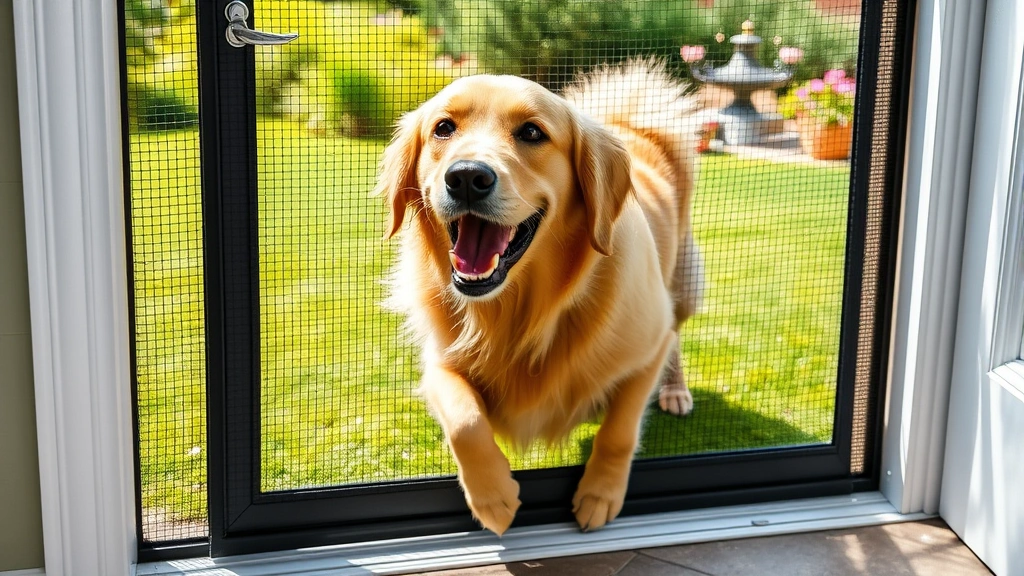
A dog screen door is basically your ticket to letting Fido roam free without inviting every mosquito in the neighborhood into your living room. If you’re tired of choosing between fresh air and pet containment, you’ve come to the right place. We’re breaking down the best pet screen door options that actually work, won’t destroy your wallet, and might just save your sanity during those hot summer months.
Table of Contents
- Why Your Dog Needs a Pet Door Screen Solution
- The Best Pet Door Screen Options Available
- Installation Tips for Your Pet Door Screen
- Maintenance and Durability Considerations
- Budget-Friendly vs. Premium: What’s Worth the Money?
- Compatibility with Different Door Types
- Training Your Dog to Use Their New Screen Door
- Safety Considerations and Best Practices
- Comparing Popular Brands and Products
- Common Problems and Troubleshooting
- Frequently Asked Questions
- Conclusion: Freedom and Peace of Mind
Why Your Dog Needs a Pet Door Screen Solution
Let’s be real: regular screen doors are basically tissue paper when it comes to dogs. One enthusiastic nose boop and you’re looking at a $200+ replacement. A dedicated dog screen door or pet door screen is designed to handle the chaos. Whether your pup is a gentle golden retriever or a hyperactive husky, these barriers give your furry friend outdoor access while keeping bugs out and your door intact. Plus, it’s way cheaper than replacing your entire screen door every season.
The Best Pet Door Screen Options Available
We’ve tested and researched the top solutions so you don’t have to. Here are five options that actually deliver on their promises.
1. Sliding Glass Door Pet Screens
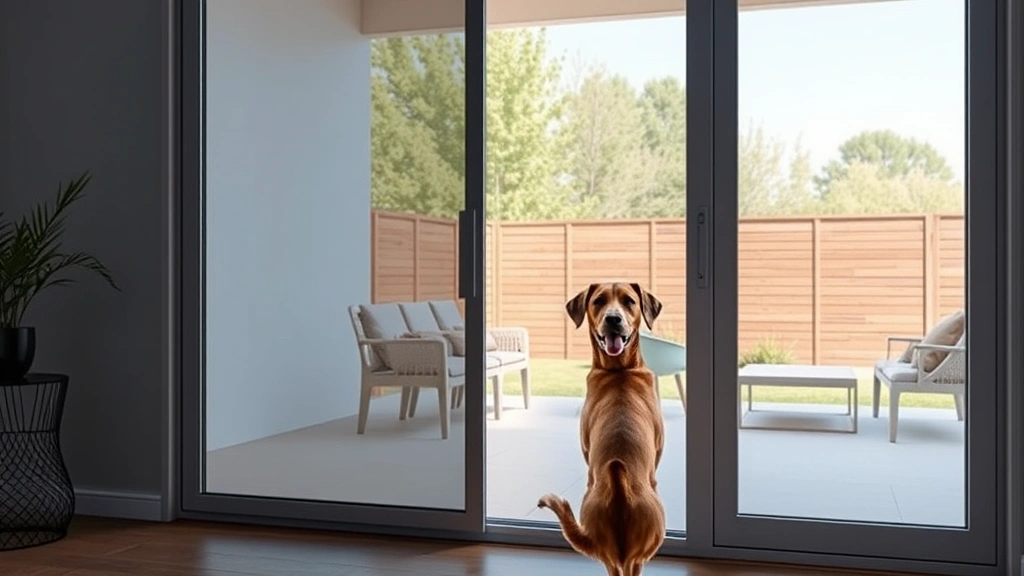
These are the MVPs of the dog screen door world. They fit right into your existing sliding glass door track and are reinforced with heavy-duty mesh that laughs in the face of dog claws. Brands like PetSafe and Ideal Pet offer versions that slide smoothly and lock securely. Installation takes about 10 minutes, and they typically cost between $30-$80. The best part? Your dog can push through them independently, giving them true freedom while you maintain control.
2. Magnetic Pet Screen Doors
If you have a standard hinged door, magnetic pet screens are your answer. These clever contraptions use magnets to keep the screen closed while allowing your pup to push through. They’re perfect for pet door screen applications because they automatically close behind your dog—no more leaving the door wide open by accident. Expect to pay $25-$60, and installation is literally just hanging it in your doorway. The mesh is reinforced to handle even aggressive scratchers.
3. Retractable Pet Screen Doors
Want the option to completely open your door? Retractable screens roll up when not in use, giving you full access to your porch or patio. These dog screen door solutions are perfect for homes where you want flexibility. They cost more ($100-$300) but offer superior durability and a cleaner aesthetic. Your guests won’t feel like they’re walking through a fortress when you want to entertain.
4. Portable Pet Screen Barriers
Renting or want a temporary solution? Portable pet screens are freestanding barriers that create a contained outdoor space. They’re not technically a dog screen door, but they work brilliantly for keeping dogs in a specific area while allowing airflow. These run $40-$150 and are perfect for patios, porches, or even camping trips. Your dog gets fresh air, you get peace of mind.
5. Heavy-Duty Reinforced Mesh Screens
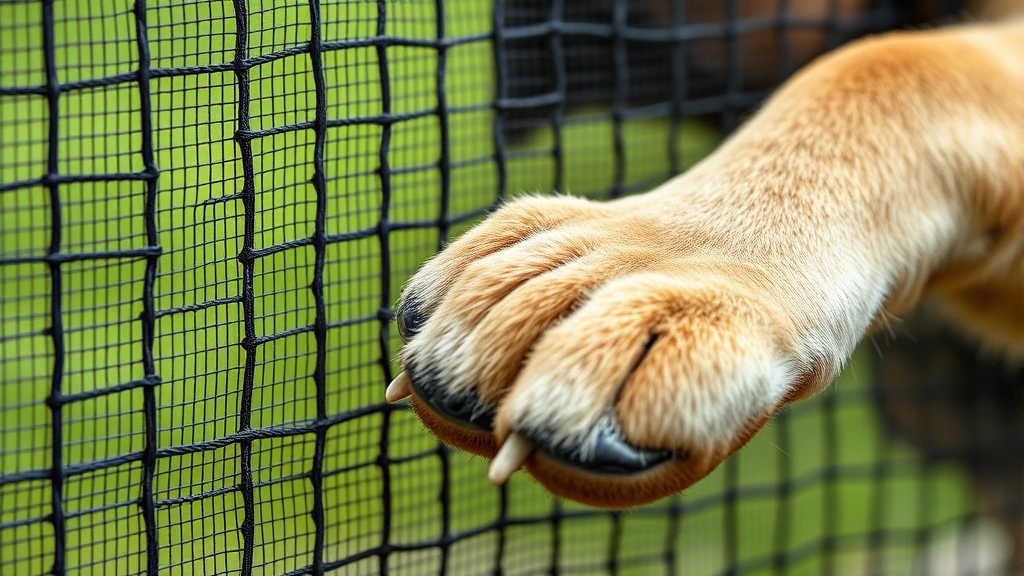
For the serious chewers and scratchers, reinforced mesh screens are non-negotiable. These use materials like polypropylene or pet-grade vinyl instead of standard fiberglass. A quality dog screen door with reinforced mesh will last years longer than budget options. Brands like Phantom Screens offer premium versions ($80-$200), but they’re worth every penny if your dog treats screens like a personal scratching post.
Installation Tips for Your Pet Door Screen
Most dog screen door installations are DIY-friendly, but here’s what you need to know. First, measure your doorway twice—seriously, do it twice. Second, clean the frame thoroughly before installation; dirt and debris mess with seals and magnets. Third, watch a YouTube video specific to your product. Fourth, don’t skip the leveling step; a crooked screen door is an escaping dog waiting to happen. If you’re not confident, hire a handyperson for $50-$100 rather than risk a botched installation.
Maintenance and Durability Considerations
Your dog screen door will need occasional TLC. Clean the mesh monthly with a soft brush to prevent buildup of pollen and dust. Check the magnets or locking mechanisms seasonally to ensure they’re functioning properly. If your dog has caused minor tears, many screens can be patched with repair kits ($10-$20). The reinforced mesh versions we mentioned earlier require less maintenance overall, though they cost more upfront. Think of it as an investment in your sanity.
Budget-Friendly vs. Premium: What’s Worth the Money?
Budget dog screen door options ($25-$50) are fine if you have a small, gentle dog and don’t mind replacing them every couple years. Premium options ($150-$300) are worth it if you have large dogs, multiple pets, or live in a hot climate where you’ll use it constantly. The sweet spot for most families? Mid-range options ($60-$120) that balance durability with affordability. Check out our guide on remote pet health monitoring to keep tabs on your outdoor pup while they’re enjoying their freedom.
Compatibility with Different Door Types
Not all dog screen door solutions work with every door setup. Sliding glass doors need sliding screens. Hinged doors work with magnetic or traditional screen options. French doors require custom-fit solutions. Patio doors benefit from retractable screens. Before purchasing, identify your door type and measure the opening. Some products are universal, but most are designed for specific applications. When in doubt, contact the manufacturer—they’re usually helpful about compatibility questions.
Training Your Dog to Use Their New Screen Door
Just because you install a dog screen door doesn’t mean your pup automatically understands how to use it. Spend a few days showing them how to push through gently. Use treats and encouragement. Some dogs catch on in minutes; others need a week. Never force them through—let them explore at their own pace. Once they understand, they’ll be pushing through like they own the place. This is especially important for older dogs or anxious pups who might be intimidated by the initial resistance of the screen.
Safety Considerations and Best Practices
While a dog screen door is fantastic for freedom, safety still matters. Make sure your yard is fully fenced if your dog has any escape artist tendencies. Keep an eye on weather—extreme heat or cold means your pup shouldn’t be outside unsupervised for long. Check that the screen door locks securely so curious visitors or other animals can’t wander in. Consider installing a bell on the door so you know when your dog wants back inside. For additional health monitoring, explore puppy safe human foods to ensure proper nutrition while your dog enjoys outdoor time.
Comparing Popular Brands and Products
PetSafe, Ideal Pet, Phantom Screens, and Petsmart’s house brands are the big names in dog screen door solutions. PetSafe offers excellent value and reliability. Ideal Pet specializes in custom-fit options for odd-sized doors. Phantom Screens is the premium choice with warranty coverage. Petsmart brands are budget-friendly but less durable. Read reviews specific to your door type before deciding. According to the American Kennel Club, proper containment solutions reduce escape-related injuries by up to 70%.
Common Problems and Troubleshooting
Your dog screen door won’t close properly? Check for debris in the track or magnetic alignment issues. Screen keeps popping out? The frame might be installed crooked—use a level and reinstall. Magnets not holding? They weaken over time; replacement magnets are usually cheap. Dog refuses to use it? Go back to training basics with extra treats and patience. Most issues are simple fixes that don’t require professional help. The PetMD team notes that proper environmental enrichment, including outdoor access via a dog screen door, contributes significantly to canine mental health and behavior.
Frequently Asked Questions
Can a dog break through a screen door?
Yes, regular screen doors are no match for determined dogs. That’s why reinforced dog screen door options exist. They use stronger mesh and better frames designed to withstand scratching and pushing. Even reinforced screens can eventually be damaged by aggressive behavior, but they last significantly longer than standard screens.
What’s the best dog screen door for large breeds?
Large breeds need heavy-duty reinforced mesh screens or sliding glass door pet screens. Magnetic screens might not hold up well against a 90-pound lab’s enthusiasm. Invest in quality—your pup’s size means they can do serious damage to budget options. Sliding glass door screens are often the best choice for large dogs.
Are pet screen doors easy to install?
Most dog screen door products are DIY-friendly and take 10-30 minutes to install. Sliding screens are easiest; custom-fit options might require more precision. If you’re not handy, hiring someone takes the stress out of it. Either way, installation isn’t complicated—it’s more about accuracy than skill.
How much does a quality dog screen door cost?
Budget options run $25-$50, mid-range solutions cost $60-$120, and premium dog screen door products reach $150-$300+. Your investment depends on door type, dog size, and expected durability. Most families find $60-$100 products offer the best value.
Can you use a dog screen door in winter?
Technically yes, but it’s not ideal for extremely cold climates. The mesh offers minimal insulation, and magnets can become stiff in freezing temperatures. In mild winters, a dog screen door works fine. In harsh climates, consider removing it during winter months and reinstalling in spring.
Do screen doors for dogs help with air conditioning costs?
Absolutely. A dog screen door lets you keep your main door open for ventilation while maintaining a barrier. This can reduce AC usage during mild weather, potentially lowering your energy bills. It’s one of the underrated benefits that homeowners discover after installation.
Conclusion: Freedom and Peace of Mind
A dog screen door is one of those investments that seems small until you realize how much it improves daily life. Your dog gets fresh air and outdoor access, you get to breathe without inviting the bug population inside, and your actual screen door survives another season. Whether you choose a sliding glass door screen, magnetic option, or retractable solution, you’re making a smart choice for pet freedom and home maintenance. Start with measuring your door, identifying your dog’s needs, and selecting a product that fits your budget. Installation is straightforward, and the payoff is immediate. Your pup will thank you, your screen door will thank you, and your utility bills might even thank you. That’s a win-win-win in our book. For more pet care insights, check out our article on human foods safe for boarding to ensure your dog stays healthy whether they’re home or away.





