

If your pup has turned into a furry vibration machine, you’re not alone—dog shaking is one of the most common concerns pet parents bring to the vet. But here’s the thing: not all shaking is created equal. Sometimes it’s just Fido getting the zoomies after a bath, and sometimes it’s a red flag that needs immediate attention. Let’s dig into what’s really going on beneath all that trembling.
Table of Contents
- What Causes Dog Shaking? The Main Culprits
- 1. Cold Temperature & Post-Bath Shivers
- 2. Fear, Anxiety & Stress-Related Trembling
- 3. Ear Infections & Skin Conditions
- 4. Toxin Exposure & Poisoning
- 5. Medical Conditions: Seizures, Pain & Illness
- How to Identify When Dog Shaking Is Serious
- Quick Solutions for Common Dog Shaking
- When to Call the Vet vs. Watch & Wait
- Preventing Dog Shaking Before It Starts
- Frequently Asked Questions
- Summary: Understanding Your Dog’s Tremors
What Causes Dog Shaking? The Main Culprits
Your dog’s body communicates through behavior, and shaking is its way of saying something’s up. The causes range from totally benign to genuinely concerning, so understanding the context matters big time.
1. Cold Temperature & Post-Bath Shivers
This is the most obvious one, right? When your dog gets wet or steps outside into chilly weather, their body temperature drops, triggering involuntary muscle contractions to generate heat. It’s the same reason you shiver when you’re cold. Dogs with thin coats—think Chihuahuas, Greyhounds, and Italian Greyhounds—are especially prone to this. The solution? Grab a towel, get them dry quickly, and consider investing in a cooling dog bed with temperature control for year-round comfort. If your dog is constantly cold, a dog sweater during winter walks isn’t just cute—it’s practical.
2. Fear, Anxiety & Stress-Related Trembling
Dogs shake when they’re nervous, just like humans do. Thunderstorms, fireworks, vet visits, or even a new vacuum cleaner can send sensitive pups into shake mode. This type of shaking is usually accompanied by other anxiety signals: tail tucking, whining, hiding, or excessive panting. If your dog exhibits dog shaking during stressful situations consistently, it’s worth addressing the underlying anxiety. Some dogs benefit from calming supplements, anxiety wraps, or even professional training. For severe cases, your vet might recommend anti-anxiety medication or pet telehealth consultations to discuss behavioral management without the stress of a clinic visit.
3. Ear Infections & Skin Conditions
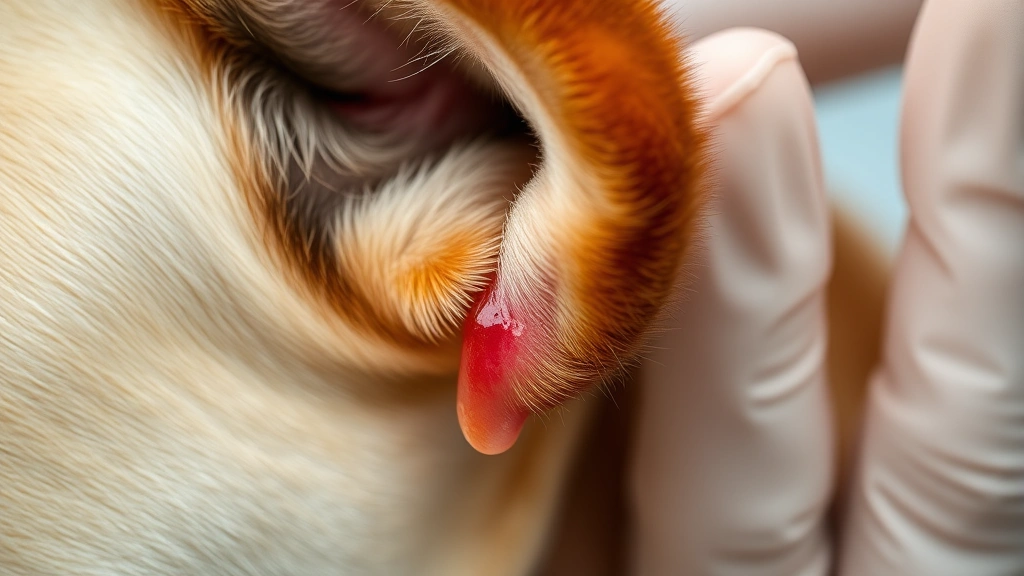
If your dog is shaking their head constantly along with body tremors, ear issues might be the culprit. Yeast infections, bacterial infections, or mite infestations in the ears cause intense itching and discomfort, leading to persistent head shaking and sometimes full-body trembling. Candida in dogs ear is particularly common and often goes undiagnosed. You might notice redness, a foul smell, or dark discharge in the ear canal. Similarly, skin allergies or dermatitis can cause generalized shaking as your dog tries to relieve itching. If you suspect skin or ear problems, a vet visit is essential for proper diagnosis and treatment, which might include topical treatments or witch hazel on dogs (though always check with your vet first).
4. Toxin Exposure & Poisoning
This is where things get serious. Certain toxins—like chocolate, xylitol, pesticides, or medications—can cause tremors and shaking as a neurological response. If your dog ate something suspicious and is now shaking, drooling excessively, or acting disoriented, this is a veterinary emergency. Don’t wait around; call your vet or animal poison control immediately. The ASPCA Animal Poison Control Center is available 24/7 at (888) 426-4435.
5. Medical Conditions: Seizures, Pain & Illness
Tremors can indicate more serious health issues like seizures, hypoglycemia, kidney disease, or neurological disorders. Seizures typically involve more dramatic shaking with loss of consciousness, while pain-related trembling is often localized to one area. Older dogs and certain breeds are more prone to conditions causing shaking. If your dog’s shaking is new, persistent, or accompanied by other symptoms like lethargy, vomiting, or loss of appetite, get them checked out. Your vet might recommend bloodwork or imaging to rule out underlying diseases. For ongoing health monitoring, remote pet health monitoring can help you track patterns and report them to your veterinarian.
How to Identify When Dog Shaking Is Serious
Not all shaking requires an emergency vet visit, but some signs should never be ignored. If your dog’s tremors are accompanied by seizure activity (loss of consciousness, paddling legs, jaw clenching), difficulty breathing, collapse, or severe distress, that’s an emergency. Similarly, if shaking is a new behavior in an older dog or appears suddenly without an obvious trigger, it warrants professional evaluation. Pay attention to patterns: Does it happen after specific triggers? Is it getting worse? Is your dog acting normal otherwise? These details help your vet narrow down the cause.
Quick Solutions for Common Dog Shaking
Depending on the cause, here are practical steps you can take right now:
For Cold-Related Shaking: Dry your dog thoroughly after baths, keep them warm during winter, and limit outdoor time in extreme cold. Older dogs and small breeds especially appreciate a cozy sweater.
For Anxiety-Related Shaking: Create a safe space, use calming music or pheromone diffusers, and consider working with a certified dog trainer. Desensitization to triggers takes time but works.
For Ear/Skin Issues: Regular ear cleaning and grooming can prevent infections. If you notice shaking accompanied by scratching, schedule a vet appointment promptly.
For Suspected Poisoning: Remove the source immediately and contact poison control or your vet. Don’t induce vomiting unless instructed by a professional.
For Medical Conditions: Follow your vet’s treatment plan exactly. Many conditions causing shaking are manageable with proper care and medication.
When to Call the Vet vs. Watch & Wait
Call immediately if your dog is shaking and also showing signs of pain, distress, difficulty breathing, or neurological symptoms. Schedule a regular appointment within 24-48 hours if shaking is new, persistent, or accompanied by minor symptoms like mild itching or slight lethargy. You can safely observe at home if your dog is shaking only in response to cold or mild stress and is otherwise acting normal. However, if you’re uncertain, it’s always better to err on the side of caution—a quick vet call costs nothing and gives you peace of mind.

Preventing Dog Shaking Before It Starts
While you can’t prevent all causes of shaking, you can reduce risk factors. Keep your home at a comfortable temperature, maintain regular grooming to catch skin and ear issues early, keep toxins out of reach, and stay current on preventative care. Regular vet checkups help catch underlying health issues before they cause tremors. For anxious dogs, early socialization and training make a huge difference.
Frequently Asked Questions
Is it normal for dogs to shake when excited?
Absolutely! Many dogs shake or tremble when they’re excited, anticipating a walk, or greeting their favorite human. This is completely normal and harmless. It’s usually accompanied by a wagging tail, playful behavior, and overall happy body language. However, if the shaking seems excessive or is combined with other odd behaviors, it’s worth mentioning to your vet.
Why does my dog shake after eating?
Post-meal shaking can happen for a few reasons. Sometimes it’s just excitement or anticipation of playtime. Other times, it might indicate that your dog ate too quickly or too much, causing mild digestive discomfort. Rarely, it could signal a more serious issue like bloat (a veterinary emergency). If shaking after meals is a consistent pattern, slow down feeding with a slow-feed bowl and monitor for other symptoms.
Can allergies cause dog shaking?
Yes! Allergies—whether food-related or environmental—cause itching and inflammation that can lead to shaking. Dogs with allergies often shake their heads, scratch excessively, and may develop skin infections. Identifying and managing allergies (through elimination diets, allergy testing, or medication) can reduce shaking significantly.
What’s the difference between shaking and seizures?
Shaking can be voluntary or involuntary and usually doesn’t affect consciousness. Seizures, on the other hand, involve loss of awareness, rigid body posture, paddling movements, and often jaw clenching. Seizures typically last seconds to a few minutes and are followed by confusion. If you’re unsure, video record the episode and show your vet—it helps with diagnosis tremendously.
Is shaking in senior dogs a sign of serious illness?
Shaking in older dogs can indicate age-related conditions like cognitive dysfunction, arthritis pain, or neurological issues, but it’s not automatically serious. However, new-onset shaking in seniors deserves veterinary attention because early diagnosis of conditions like kidney disease or cognitive dysfunction allows for better management and quality of life.
Summary: Understanding Your Dog’s Tremors
Dog shaking ranges from completely harmless (cold, excitement, mild stress) to genuinely concerning (toxin exposure, seizures, serious illness). The key is context: observe when it happens, what else is going on with your dog’s behavior and health, and whether it’s a new development. Most cases of shaking are easily manageable once you identify the cause. Trust your gut—if something feels off, contact your vet. They’re your best resource for peace of mind and proper diagnosis. In the meantime, keep your pup warm, safe, and loved, and remember that most shaking stories have happy endings.





