
Dog sleeping positions meaning can tell you way more about your furry friend than you’d think—from their emotional state to potential health concerns. If you’ve ever wondered why your pup curls up like a cinnamon roll or sprawls out like they own the entire bed, you’re about to get some answers that’ll make you see your dog’s nap time in a whole new light.
Table of Contents
- The Donut Position: Your Dog’s Security Blanket
- The Superman or Sploot: All-Out Relaxation Mode
- The Side Sleeper: Trust and Comfort
- The Back Sleeper: The Confident Character
- The Loaf Position: Zen Master Status
- The Sprawl: Heat Management and Comfort
- The Cuddle Position: Pack Bonding at Its Best
- The Head-on-Paws Position: Alert Relaxation
- What Abnormal Sleep Positions Might Mean
- Environmental Factors That Influence Sleep Position
- How Sleep Positions Change With Age
- Frequently Asked Questions
- Summary: Reading Your Dog’s Sleep Like a Book
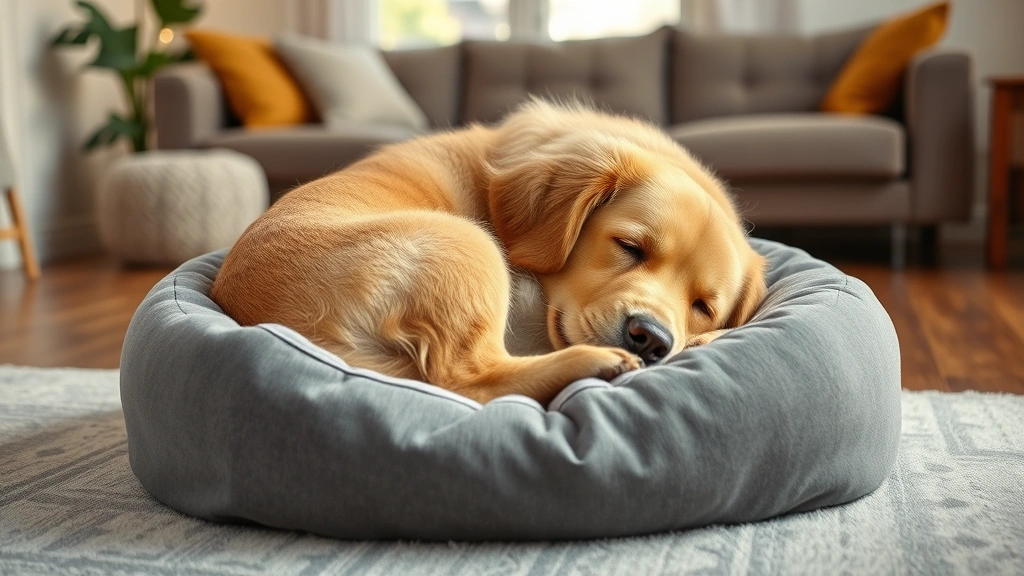
The Donut Position: Your Dog’s Security Blanket
When your dog curls up into a tight ball with their nose touching their tail, they’re basically saying, “I’m cozy and content.” This classic donut or ball position is one of the most common sleeping poses, and it’s actually a throwback to their wolf ancestors who would curl up for warmth and protection. Dogs in this position are typically feeling secure and comfortable in their environment, though some anxious pups also adopt this pose as a way to protect their vital organs. If your dog is doing this occasionally, it’s totally normal. If they’re doing it constantly, especially combined with other anxious behaviors, you might want to explore calming foods for anxious pets or consult your vet.
The Superman or Sploot: All-Out Relaxation Mode
You know that position where your dog stretches out with their front legs extended forward and their rear legs stretched back? That’s the Superman position, and it’s adorable. Dogs in this pose are saying they’re totally relaxed and ready to jump up at a moment’s notice. They’re comfortable enough to let their guard down but still alert. This position is especially common in puppies and younger dogs who have tons of energy and want to be ready for action at any second. It’s also a sign your pup is having a great time in their current environment.
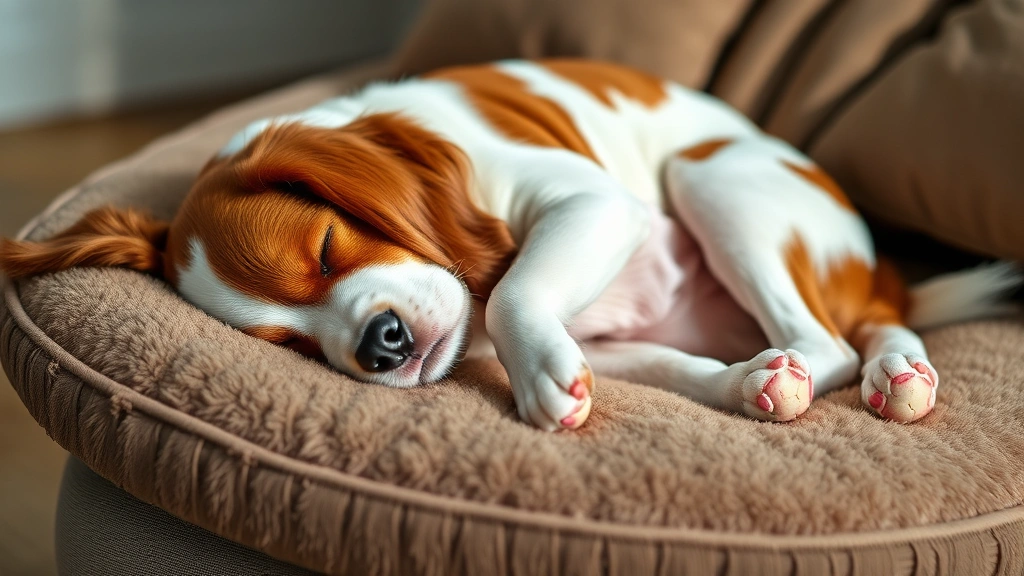
The Side Sleeper: Trust and Comfort
When your dog sleeps on their side with their legs extended, they’re showing maximum trust in their surroundings. This vulnerable position means your pup feels safe enough to expose their belly and vital organs. Dogs who sleep on their sides tend to be confident, well-adjusted, and comfortable with their pack (that’s you!). They’re not worried about threats and can fully relax. If you notice your dog sleeping this way more often, it’s generally a positive sign of a happy, secure pup.
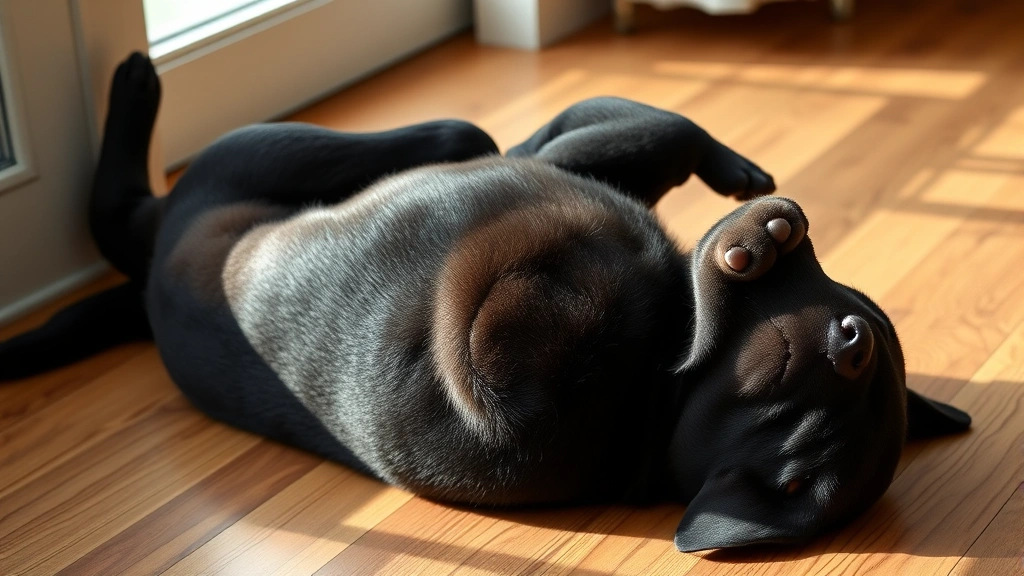
The Back Sleeper: The Confident Character
A dog sleeping on their back with their paws in the air is basically the ultimate sign of confidence and security. This position exposes their most vulnerable areas, so only dogs who feel completely safe will do it. Back sleepers are typically relaxed, playful, and trusting. However, if your dog is overheating, this position actually helps them cool down since their belly has less fur. If your dog loves this position during hot months, consider investing in a cooling dog bed to keep them comfortable.
The Loaf Position: Zen Master Status
The loaf position—where your dog sits with their front paws tucked underneath their body—might not be a full sleep position, but it’s definitely a relaxation pose. Dogs in loaf mode are alert but calm, like they’re meditating. They can spring into action quickly if needed, but they’re clearly not stressed. It’s that perfect balance between relaxation and readiness that shows your dog is in their happy place.
The Sprawl: Heat Management and Comfort
When your dog stretches out completely flat with all four legs splayed out, they’re often trying to cool down. This position exposes more of their body to air circulation, which helps regulate temperature. However, it can also just mean your dog is incredibly comfortable and has claimed their territory. Dogs in this position are typically confident and relaxed, though if they’re doing this excessively during warm weather, make sure they have adequate water and shade.
The Cuddle Position: Pack Bonding at Its Best
If your dog sleeps pressed against you, another pet, or even their favorite toy, they’re expressing their pack mentality. Dogs are social animals, and sleeping close to their loved ones makes them feel secure and connected. This position strengthens the bond between you and your pup and shows they trust you completely. It’s also worth noting that some dogs sleep this way because they appreciate the warmth and comfort of contact, which is why understanding their sleep needs is important for their overall wellbeing.
The Head-on-Paws Position: Alert Relaxation
When your dog rests their head on their front paws while lying down, they’re in a state of calm alertness. This is a classic position that shows your dog is relaxed but still somewhat aware of their surroundings. It’s a comfortable middle ground between full sleep and being ready for action. Dogs in this position are typically content and secure but maintaining a bit of vigilance.
What Abnormal Sleep Positions Might Mean
While most dog sleeping positions are totally normal, some unusual ones might warrant attention. If your dog is sleeping in strange positions, twitching excessively, or having trouble getting comfortable, it could indicate pain, arthritis, or other health issues. Senior dogs especially might struggle with certain positions due to joint pain. If you notice your dog consistently avoiding their favorite sleeping position or seeming uncomfortable, it’s time for a vet check-up. You might also want to review pet nutrition advice to ensure they’re getting the right nutrients for joint health.
Environmental Factors That Influence Sleep Position
Your home’s temperature, lighting, and noise levels all affect how your dog sleeps. During hot months, you’ll see more sprawling and side-sleeping. During cold months, expect more curling up. If your home is noisy or your dog feels anxious, they might sleep in more protective positions. Creating an ideal sleep environment with a comfortable bed, consistent temperature, and quiet space can help your dog sleep better and show their true relaxed personality.
How Sleep Positions Change With Age
Puppies sleep differently than adult dogs, and senior dogs have their own preferences. Young puppies often sleep in the Superman or sprawl position because they’re still developing and learning about their environment. Adult dogs typically have established sleep patterns. Senior dogs might sleep more in protective positions if they’re experiencing pain, or they might have trouble finding comfortable positions due to arthritis. Understanding these age-related changes helps you provide better care for your dog throughout their life.
Frequently Asked Questions
What does it mean when my dog sleeps on my lap?
When your dog sleeps on your lap, they’re showing you’re their safe person and pack leader. This is a sign of trust, affection, and bonding. Your dog feels secure enough to be vulnerable around you, which is a huge compliment to your relationship.
Is it bad if my dog sleeps in the same position all the time?
Not necessarily, but variety is good. If your dog only sleeps in protective positions and never relaxes into vulnerable poses, they might be experiencing anxiety. However, if they’re just a creature of habit, it’s fine. If you’re concerned about anxiety, consider exploring calming options for your pup.
Why does my dog twitch while sleeping?
Twitching during sleep is usually normal—dogs dream just like humans do! However, excessive twitching, paddling, or seeming distressed might indicate a sleep disorder or neurological issue worth discussing with your vet.
Does sleeping position affect my dog’s health?
Absolutely. Certain positions can help with temperature regulation, joint comfort, and digestion. Making sure your dog has a comfortable bed and the freedom to change positions supports their overall health and wellbeing.
Why does my dog sleep at my feet instead of next to me?
Dogs who sleep at your feet are still bonding with you but maintaining a bit of independence. They want to be close enough to feel your presence but far enough to have their own space. It’s a perfectly healthy sleeping arrangement.
Can I tell if my dog is happy by their sleeping position?
Generally yes! Dogs who sleep in vulnerable positions like on their back or side are typically happy and secure. Dogs who only sleep in protective positions might be experiencing stress or anxiety that’s worth addressing.
Summary: Reading Your Dog’s Sleep Like a Book
Understanding dog sleeping positions meaning gives you incredible insight into your pet’s emotional and physical wellbeing. From the confident back sleeper to the anxious ball-curler, each position tells a story about how your dog is feeling. Most of the time, your dog’s sleeping habits are perfectly normal and just reflect their personality and comfort level. However, paying attention to changes in sleep patterns, unusual positions, or signs of discomfort can help you catch health issues early. By creating a comfortable sleep environment and respecting your dog’s preferred positions, you’re supporting their physical health and emotional security. Your dog’s sleep position might seem like a small thing, but it’s actually a window into their world—so next time you catch your pup in one of these positions, you’ll know exactly what they’re telling you about themselves.





