
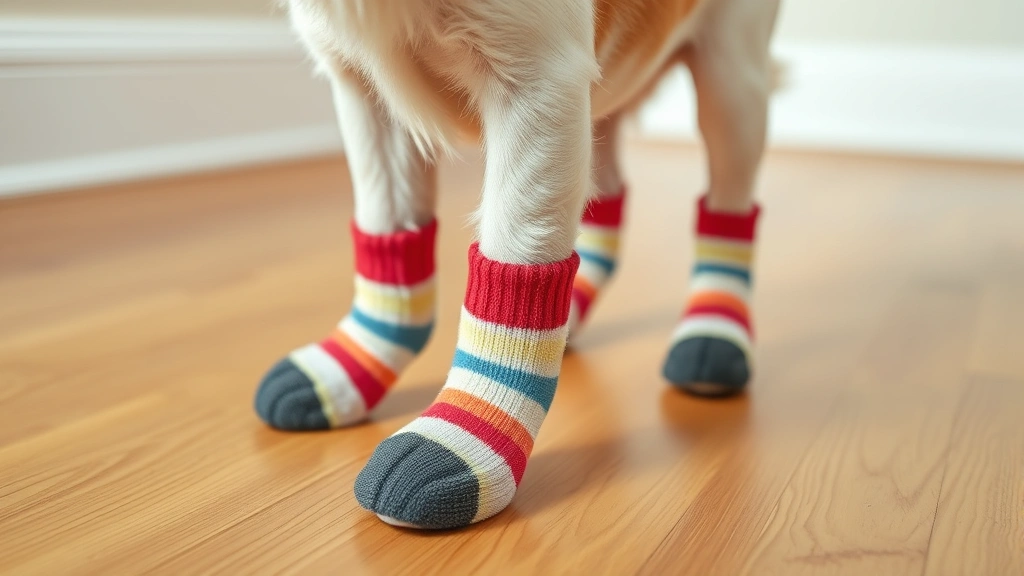
Dog socks might sound like a fashion statement for your furry friend, but they’re actually a practical solution that every pet parent should consider. Whether your pup is dealing with allergies, recovering from an injury, or just needs extra traction on slippery floors, dog socks offer protection and comfort that can make a real difference in your dog’s daily life. Let’s dive into everything you need to know about keeping those precious paws safe and cozy.
Table of Contents
- Why Your Dog Needs Dog Socks
- Understanding Paw Protection and Canine Health
- Top 5 Best Dog Socks on the Market
- How to Measure Your Dog for the Perfect Fit
- Getting Your Dog Comfortable Wearing Dog Socks
- Seasonal Considerations for Dog Sock Usage
- Maintenance and Care of Dog Socks
- Cost-Effective Paw Care Solutions
- Common Mistakes to Avoid When Using Dog Socks
- Frequently Asked Questions
- Conclusion: Investing in Your Dog’s Paw Health
Why Your Dog Needs Dog Socks
Your dog’s paws are constantly exposed to the elements, and they’re more sensitive than you might think. Dog socks provide a barrier between your pet’s feet and potential hazards like hot pavement, ice, salt, and rough terrain. Beyond environmental protection, dog socks can help prevent licking and chewing of paws caused by allergies or anxiety. Many vets recommend dog socks as part of a comprehensive paw care routine, especially for dogs with sensitive skin or those undergoing treatment for paw-related issues.
The benefits extend beyond just physical protection. Dog socks can improve traction for senior dogs or those with arthritis, reducing the risk of slipping on hardwood floors and potentially preventing falls. If your dog has recently had surgery or is dealing with a wound, dog socks keep bandages in place while allowing the paw to breathe.
Understanding Paw Protection and Canine Health
Before jumping into our top picks, it’s important to understand what makes quality dog socks different from regular human socks. The best dog socks feature non-slip soles, moisture-wicking materials, and a snug fit that stays in place during active play. According to the American Kennel Club, proper paw protection is essential for maintaining your dog’s overall health and mobility.
Dogs use their paws for temperature regulation, so breathability is crucial. Look for materials like cotton blends or specialized pet sock fabrics that allow air circulation while providing the necessary protection. The fit should be snug enough to prevent slipping but loose enough that your dog can move comfortably.
Top 5 Best Dog Socks on the Market
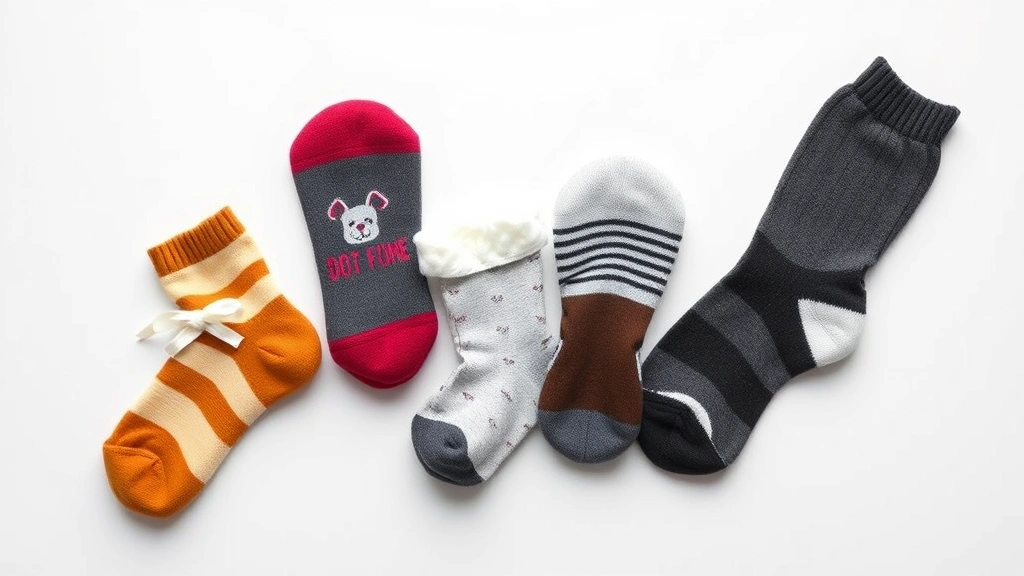
We’ve researched extensively to bring you the most reliable dog sock options available today. Each of these products has been selected based on durability, comfort, and customer satisfaction.
1. Non-Slip Grip Socks for Dogs
These socks feature rubberized soles that provide excellent traction on slippery surfaces. They’re perfect for senior dogs or those recovering from injury who need extra stability. The elastic cuff ensures they stay put even during playtime, and the breathable fabric keeps paws cool. Most customers report that their dogs adapt to wearing them within a few days.
2. Therapeutic Dog Socks with Compression
If your pup suffers from arthritis or joint issues, compression dog socks can provide relief and support. These socks are designed to improve circulation and reduce inflammation, making them particularly beneficial for aging dogs. The compression technology is gentle yet effective, and the socks are machine washable for easy care.
3. Waterproof Dog Booties and Socks
For dogs who spend time outdoors in wet conditions, waterproof dog socks are a game-changer. These keep paws dry while maintaining breathability, preventing moisture-related skin issues. They’re especially useful during rainy seasons or for dogs who love puddles and streams. The reinforced seams ensure longevity even with active use.
4. Allergic-Friendly Dog Socks
Made from hypoallergenic materials, these socks are ideal for dogs with sensitive skin or paw allergies. They prevent direct contact with irritants while allowing the skin to heal. Many veterinarians recommend these specifically for dogs with environmental or food allergies that manifest as paw problems.
5. Cute and Colorful Dog Socks
Who says protection can’t be stylish? These fashionable dog socks come in various patterns and colors, letting your pup express personality while staying protected. They’re made from durable, non-toxic materials and provide the same functional benefits as their more neutral counterparts.
How to Measure Your Dog for the Perfect Fit
Getting the right size is crucial for dog sock effectiveness. Measure your dog’s paw by placing their foot on a piece of paper and marking the width and length. Most manufacturers provide sizing charts that correlate these measurements to sock sizes. A proper fit should allow you to slip one finger between the sock and your dog’s leg—snug enough to stay on, but not so tight it restricts circulation.
Remember that different breeds have different paw shapes. A Dachshund’s paw is quite different from a Golden Retriever’s, so always check breed-specific recommendations. If your dog is between sizes, consider ordering both to see which works better.
Getting Your Dog Comfortable Wearing Dog Socks
Most dogs need an adjustment period when first wearing dog socks. Start by letting them wear the socks for just 10-15 minutes indoors while you supervise. Offer treats and praise to create positive associations. Gradually increase wearing time over several days until your dog accepts them as normal.
Some dogs will shake their paws excessively at first—this is normal behavior and usually subsides quickly. If your dog continues to resist after a week, consult with your veterinarian to ensure the fit is correct and there are no underlying issues causing discomfort.
Seasonal Considerations for Dog Sock Usage
Different seasons present different challenges for your dog’s paws. In winter, dog socks protect against ice, snow, and salt used on sidewalks. During summer, they shield paws from hot pavement and rough surfaces. Spring and fall are ideal times to address any paw allergies that might develop with seasonal changes. According to PetMD, seasonal paw protection can significantly reduce vet visits related to paw injuries and infections.
Keep multiple pairs on hand so you can rotate them while others are being washed. Having backup pairs ensures your dog always has clean socks available, which is especially important for dogs with paw sensitivities.
Maintenance and Care of Dog Socks
Proper maintenance extends the life of your dog socks and keeps them hygienic. Most dog socks are machine washable—use cold water and gentle cycles to preserve the non-slip soles. Air dry rather than using a dryer, as heat can damage elastic and rubber components. Check socks regularly for signs of wear, especially the soles, and replace them when they become thin or slippery.
Inspect your dog’s paws weekly while the socks are off to ensure there are no irritation signs. Look for redness, swelling, or unusual odors that might indicate an underlying paw problem. If you notice anything concerning, remove the socks and consult your veterinarian.
Cost-Effective Paw Care Solutions
While dog socks are an investment in your pet’s health, they’re relatively affordable compared to veterinary treatments for paw injuries or infections. A quality pair typically costs between $15-40, and with proper care, one pair can last several months. When you consider the potential vet bills for paw-related issues, dog socks are a smart preventative measure. You might also explore budget-friendly homemade pet treats to balance other pet care expenses while prioritizing paw protection.
Many pet stores offer multi-packs at discounted rates, making it economical to have several pairs available. This is especially practical if you need to rotate pairs or have multiple dogs in your household.
Common Mistakes to Avoid When Using Dog Socks
Don’t assume your dog will immediately accept dog socks without an adjustment period. Avoid leaving socks on for extended periods without checking for proper fit, and never force your dog to wear them if they show signs of severe distress. Some owners make the mistake of buying the wrong size, which can actually cause more problems than it solves.
Another common error is neglecting sock maintenance. Dirty or worn-out socks can harbor bacteria and lose their protective benefits. Finally, don’t rely solely on dog socks if your dog has a serious paw condition—always consult with a veterinarian for proper diagnosis and treatment.
Frequently Asked Questions
Are dog socks safe for all dog breeds?
Yes, dog socks are generally safe for all breeds when properly fitted. However, very small breeds like Chihuahuas may need specialized sizing, while large breeds like Great Danes might benefit from reinforced versions. Always measure your dog’s paws and follow manufacturer sizing guidelines to ensure safety and comfort.
Can dog socks help with paw allergies?
Absolutely. Dog socks can prevent your dog from licking and chewing at irritated paws, which is often the first step in treating allergy-related paw issues. By creating a barrier between your dog’s paws and environmental irritants, socks allow the skin to heal while you address the underlying allergy with your vet. For dogs with food-related paw allergies, check out information about safe fruits for dogs and safe vegetables for dogs to identify potential allergens.
How often should I wash dog socks?
Wash dog socks after every 2-3 days of wear, or immediately if they become visibly dirty or wet. Dogs that spend time outdoors or have paw issues may need more frequent washing. Always air dry to maintain the integrity of non-slip soles and elastic components.
Will dog socks help my senior dog with mobility issues?
Yes, non-slip dog socks are particularly beneficial for senior dogs. They provide traction on slippery floors, reducing the risk of falls and slips that can aggravate arthritis or joint problems. Many veterinarians recommend them as part of senior dog care routines.
Can my dog wear dog socks outdoors?
Definitely. In fact, outdoor wear is one of the primary reasons to use dog socks. They protect against hot pavement, sharp objects, ice, salt, and rough terrain. Just ensure the socks fit properly and check them regularly for damage or dirt accumulation.
Conclusion: Investing in Your Dog’s Paw Health
Dog socks are more than just a cute accessory—they’re a practical investment in your pet’s long-term health and comfort. Whether you’re dealing with seasonal paw protection, post-surgical care, allergy management, or simply improving mobility for an aging companion, the right pair of dog socks can make a significant difference. By understanding your dog’s specific needs, measuring for proper fit, and choosing quality products, you’re taking an important step in comprehensive pet care. Remember to introduce socks gradually, maintain them properly, and consult with your veterinarian if you notice any paw-related concerns. Your dog’s paws carry them through life—give them the protection they deserve with quality dog socks.
For additional information about comprehensive pet care during travel, consider reading about pet food safety during travel to ensure your dog stays healthy on the go.





