
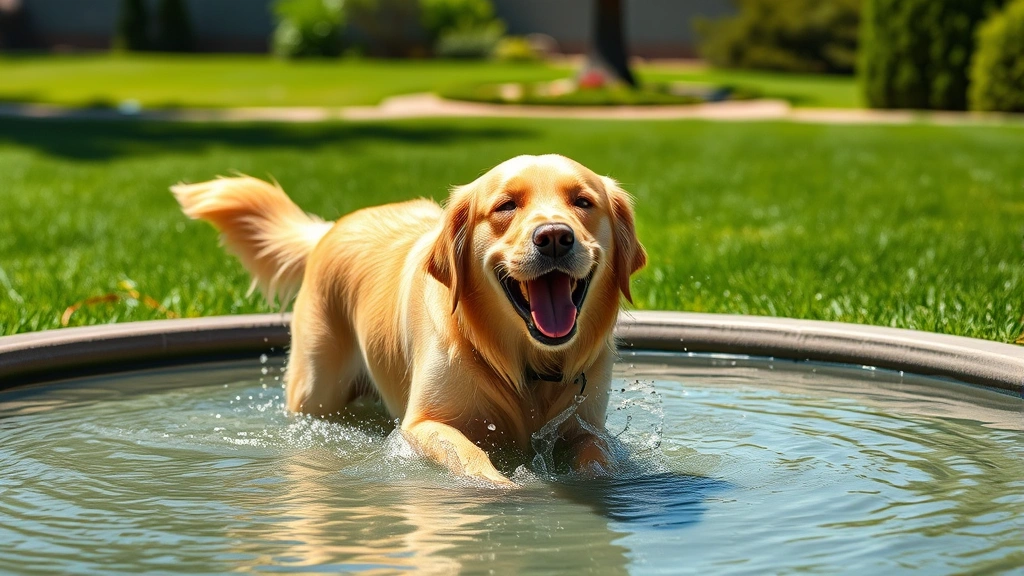
A dog splash pad is basically a dog’s answer to a public swimming pool—except way less crowded and infinitely more fun. If your pup is panting like they just ran a marathon when the temperature hits 75°F, it’s time to invest in one of these lifesavers. These shallow water play areas let your furry friend cool off, burn energy, and have the time of their life without needing to dive into the deep end of an actual pool.
Table of Contents
- Why Your Dog Needs a Splash Pad for Summer
- What to Look for in the Best Dog Splash Pads
- Top 5 Dog Splash Pads Worth Your Money
- Setting Up Your Dog Splash Pad Like a Pro
- Maintenance Tips to Extend Pad Life
- Safety Considerations for Water Play
- Complementary Cool-Down Strategies
- Budget-Friendly Alternatives
- Frequently Asked Questions
- Conclusion: Keep Your Pup Cool and Happy
Summer heat can be brutal for dogs, especially those with thick coats or brachycephalic breeds (looking at you, bulldogs and pugs). A quality dog splash pad keeps them safe, entertained, and cool—all while you’re sipping an iced tea nearby. Let’s dive into what makes these products so amazing and which ones deserve a spot in your backyard.
Why Your Dog Needs a Splash Pad for Summer
Dogs don’t sweat like humans do. They cool themselves primarily through panting and releasing heat through their paw pads and ears. When temperatures soar, this natural cooling system gets overwhelmed faster than a barista on a Monday morning. A dog splash pad provides immediate relief by allowing your pup to wade through cool water without the intimidation of deep swimming.
Beyond temperature regulation, these pads offer mental stimulation and exercise. Dogs love the novelty of splashing, pawing at water, and playing in shallow areas. It’s enrichment that actually keeps them cool—a win-win situation. Plus, regular water play can boost their confidence around water and make future vet visits involving baths slightly less traumatic (slightly).
According to the American Kennel Club, keeping dogs cool during hot months is essential for preventing heat exhaustion and heat stroke, both of which can be life-threatening. A dog splash pad is one of the easiest preventative measures you can take.
What to Look for in the Best Dog Splash Pads
Not all splash pads are created equal. When shopping for the perfect one, consider these factors:
Size and Depth: Your pad should be large enough for your dog to move around comfortably but shallow enough to prevent drowning hazards. Most quality pads max out at 2-3 inches deep—perfect for wading.
Material Quality: Look for puncture-resistant, non-toxic PVC or vinyl. Your dog’s nails are basically tiny daggers, so durability matters. Thicker materials last longer and handle rough play better.
Drainage System: A good splash pad should drain quickly to prevent stagnant water, algae growth, and mosquito breeding grounds. Some have built-in drain plugs; others rely on slight slopes.
Portability: Can you set it up and take it down easily? Will it fit in your storage space? Consider your lifestyle and available yard real estate.
Safety Features: Non-slip surfaces prevent your pup from sliding around like they’re on ice. Reinforced edges keep the pad stable during enthusiastic water play.
Top 5 Dog Splash Pads Worth Your Money
Here are the best options currently dominating the market for keeping your canine cool:
1. The Durable Backyard Splash Mat
This heavyweight champion features industrial-grade PVC construction with a 100+ pound weight capacity. It’s 67 inches in diameter—large enough for multiple dogs or one very pampered pup. The non-slip surface keeps even the most enthusiastic splashers from wiping out. Setup takes about five minutes, and the drain plug makes emptying effortless.
Dog owners rave about its durability. One reviewer mentioned her Golden Retriever has been using hers for three summers with zero punctures. That’s the kind of longevity that justifies the investment.
2. The Inflatable Ring Splash Pad
If your dog prefers a bit more structure, this inflatable ring design creates a defined water barrier while keeping the center shallow. It’s easier to set up than traditional pools and takes up less deflated space. The raised edges prevent water from spilling everywhere, which your neighbors will appreciate.
The downside? You’ll need to inflate it (though most come with hand pumps). But once it’s up, it’s incredibly stable and holds water beautifully. Great for small to medium-sized dogs.
3. The Sprinkler Splash Pad Combo
Want to combine water play with interactive fun? This combo pad features built-in sprinklers that activate when water pressure increases. Dogs absolutely lose their minds over this—it’s like a splash pad AND a sprinkler park rolled into one. Your pup gets cooling relief plus entertainment.
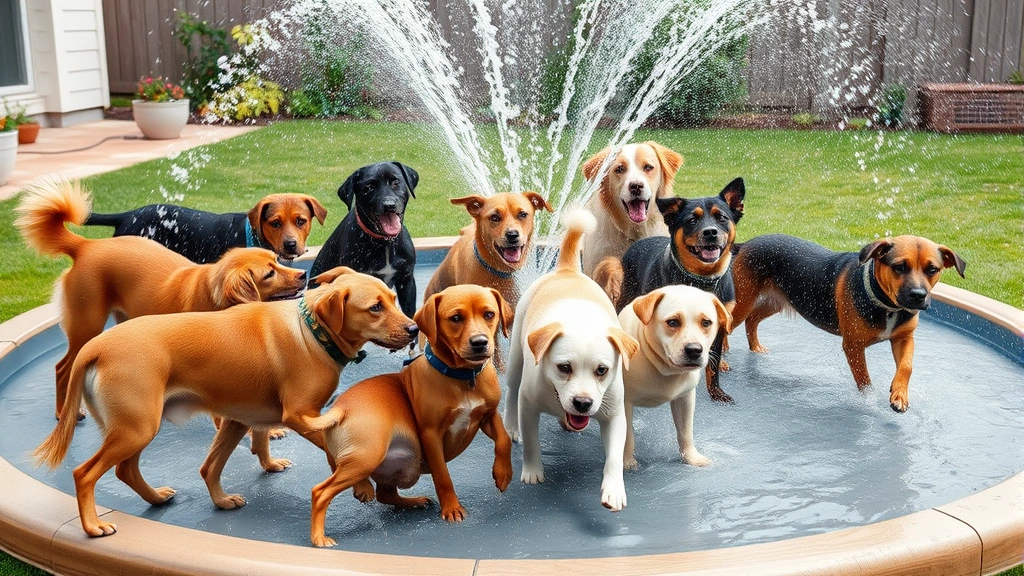
Installation requires connecting a garden hose, but that’s minimal effort for maximum dog joy. Perfect for yards where you can dedicate a permanent spot.
4. The Portable Travel Splash Pad
Planning a camping trip or dog park adventure? This lightweight, compact splash pad folds down smaller than a pizza box. It’s made from food-grade silicone (yes, really) and can handle being tossed in a car trunk without worry.
The trade-off is size—it’s best for toy breeds and smaller dogs. But for portability and convenience, especially when combined with proper pet food safety during travel practices, this is unbeatable.
5. The Premium Heated/Cooled Splash Pad
For the ultimate luxury, some high-end splash pads feature temperature control. Yes, they can heat water for cooler climates or maintain cool temperatures during extreme heat. They’re pricey and require electricity, but if you’re in a sweltering climate and your dog spends significant time outdoors, this investment pays dividends in comfort and health.
Setting Up Your Dog Splash Pad Like a Pro
Location is everything. Choose a spot with partial shade to prevent the pad from becoming a hot tub. Direct sun heats water quickly, reducing the cooling benefits. A flat, level surface ensures water distributes evenly and prevents pooling in weird spots.
Before your dog’s first splash, inspect the pad thoroughly. Check for sharp edges, rough seams, or manufacturing defects. Rinse it completely with fresh water to remove any manufacturing residues or chemicals.
Start by letting your dog approach at their own pace. Don’t force them in—let curiosity do the work. Some dogs dive in immediately; others need encouragement. Positive reinforcement (treats, praise, or playing with toys) helps build positive associations with the pad.
Change the water regularly—at least every 2-3 days in summer heat. Stagnant water becomes a breeding ground for bacteria and parasites. If you notice algae growth or cloudy water, drain and refill immediately.
Maintenance Tips to Extend Pad Life
Your splash pad investment deserves proper care. After each use, drain excess water and let it air dry completely before storing. This prevents mold and mildew growth.
Store in a cool, dry place away from direct sunlight when not in use. UV rays degrade materials over time, reducing lifespan. A shed, garage, or storage bin works perfectly.
Inspect regularly for punctures or damage. Small holes can be patched with vinyl repair kits (the same ones used for pool floats). Catching problems early prevents them from becoming irreparable.
During off-season months, store with a light layer of talc powder to prevent sticking. Keep it away from rodents and pests that might chew holes.
Safety Considerations for Water Play
Not all dogs are natural swimmers, and some breeds are genuinely terrible in water (sorry, Bulldogs). Never force your dog into deeper water than they’re comfortable with. A dog splash pad is shallow specifically to prevent dangerous situations.
Watch for signs of overheating even while your dog is cooling off. Excessive panting, drooling, letharness, or vomiting indicate heat stress. Get them to shade and a vet immediately if symptoms appear.
Always supervise water play. Even shallow water can be problematic for very young puppies or senior dogs with mobility issues. Keep a towel nearby to dry your pup afterward—wet fur can trap heat against their skin.
According to PetMD, water intoxication (hyponatremia) is a real concern with excessive water ingestion during play. Encourage drinking breaks with fresh water from a bowl rather than constant splashing and swallowing.
Be aware of your local water quality. If you live in an area with pet poison hotline concerns related to algae blooms or contaminated water sources, use filtered or distilled water in the pad instead of tap water.
Complementary Cool-Down Strategies
A splash pad works best as part of a comprehensive cooling strategy. Combine it with shade structures, fresh water access, and appropriate energy-boosting foods for active pets that support hydration.
Frozen treats and cooling vests provide additional relief on particularly hot days. Some owners freeze toys or treats inside ice blocks for extended enrichment. Popsicles made from dog-safe broths (unsalted) are a hit.
Indoor time during peak heat hours (usually 11 AM to 4 PM) is essential, even with a splash pad available. Air conditioning or well-ventilated spaces prevent heat exhaustion.
Understanding how dogs interact with water helps you create the best cooling environment. Some dogs love water; others tolerate it. Respect your individual dog’s preferences while still providing necessary cooling relief.
Budget-Friendly Alternatives
Not ready to commit to a dedicated splash pad? DIY options exist. A kiddie pool works in a pinch, though it’s less ideal than purpose-built pads. Garden hose sprinklers, slip-n-slides (with supervision), and even a shallow kiddie pool with some water create similar cooling effects.
Some communities have public dog parks with splash pads or water features. Check local parks and recreation departments—you might get free or low-cost cooling options for your pup.
Frequently Asked Questions
How often should I change the water in my dog splash pad?
Change water every 2-3 days during active use in summer. More frequently if you notice algae growth, cloudiness, or debris accumulation. In cooler months with less frequent use, weekly changes suffice.
Can puppies use splash pads?
Yes, but with supervision. Puppies lack body temperature regulation and can become chilled easily. Keep sessions short (5-10 minutes) and ensure they can exit independently. Avoid submerging their heads or forcing them into water.
What’s the best time of day for splash pad use?
Early morning (before 10 AM) or late evening (after 5 PM) are ideal. These times avoid peak UV exposure and extreme temperatures. Midday sessions work if the pad is in shade and you monitor closely for overheating.
Do all dog breeds enjoy splash pads?
Most do, but individual preferences vary. Breeds bred for water (Labs, Retrievers, Portuguese Water Dogs) typically love them. Breeds with respiratory issues (Bulldogs, Pugs) may find the water refreshing but shouldn’t overexert. Always introduce gradually and respect your dog’s comfort level.
Can I use pool chemicals in a dog splash pad?
Absolutely not. Chlorine and other pool chemicals are toxic to dogs. Stick with fresh water only. If algae becomes a persistent problem, drain and refill rather than treating chemically.
Conclusion: Keep Your Pup Cool and Happy
A dog splash pad is one of the smartest summer investments you can make for your furry friend. Whether you choose an industrial-grade mat, an inflatable ring design, or a combo sprinkler system, you’re providing essential cooling relief during hot months.
The best splash pad for your dog depends on your budget, yard space, and pup’s personality. Start with one of the top five options listed here, follow proper setup and maintenance guidelines, and watch your dog transform into a water-loving goofball.
Remember: a cool dog is a happy dog, and a happy dog means a happy owner. So grab that splash pad, fill it up, and prepare for some of the most entertaining summer moments you’ll ever witness. Your dog will thank you—probably by shaking water all over you the moment they exit the pad.





