
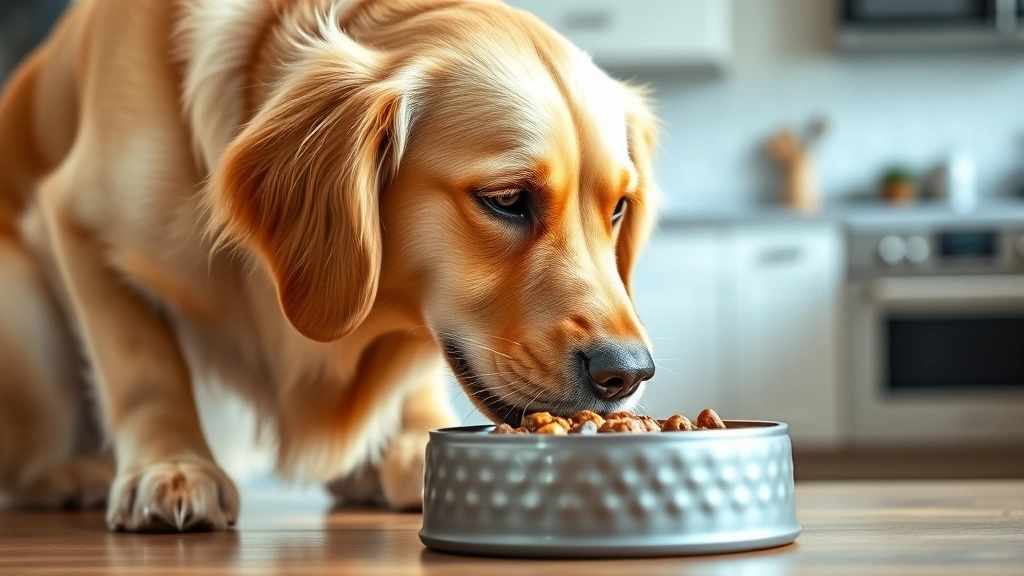
If your pup’s belly sounds like a coffee maker brewing at 3 AM, you’re not alone—dog stomach gurgling is one of the most common sounds pet parents hear, and honestly, it can be pretty hilarious until you realize something might be wrong. That rumbling, growling, or churning noise coming from your dog’s abdomen is called borborygmus (try saying that three times fast), and while it’s usually nothing to panic about, it’s worth understanding what’s causing it and when to take action.
Table of Contents
- What Causes Dog Stomach Gurgling?
- Fix #1: Slow Down Mealtime (The Speed-Eating Problem)
- Fix #2: Evaluate Your Dog’s Diet (Food Sensitivity & Digestive Health)
- Fix #3: Watch for Food Sensitivities & Allergies
- Fix #4: Adjust Meal Frequency & Portion Sizes
- Fix #5: Add Digestive Support & Calming Supplements
- When Is Dog Stomach Gurgling a Serious Problem?
- When to Call the Vet (Seriously, This Time)
- Quick Fixes for Immediate Relief
- Prevention Tips for Long-Term Success
- Summary: Taking Action Against Dog Stomach Gurgling
- Frequently Asked Questions
What Causes Dog Stomach Gurgling?
Your dog’s digestive system is basically a mini factory running 24/7. When gas, liquid, and food move through the intestines, they create sounds—kind of like pipes in your house. Sometimes these sounds are louder than others, and that’s where the gurgling comes in. The most common culprits include hunger, eating too fast, dietary changes, or even just normal digestion happening at an inconvenient time (like during your important Zoom call).
The good news? Most cases of stomach gurgling in dogs resolve themselves without intervention. But if your furry friend is also showing other symptoms like vomiting, diarrhea, lethargy, or loss of appetite, that’s when you need to pay closer attention.
Fix #1: Slow Down Mealtime (The Speed-Eating Problem)
Some dogs eat like they’re training for a competitive eating championship. When dogs inhale their food, they swallow air along with kibble, which creates gas and those delightful gurgling sounds. It’s not just annoying—it can actually lead to bloat, a serious condition that requires immediate veterinary attention.
Here’s how to slow your speed-eater down:
- Use a slow feeder bowl: These have ridges or obstacles that force your dog to work around them. It’s like a puzzle game, but with dinner.
- Hand-feed portions: Yes, it takes longer, but it’s bonding time and portion control rolled into one.
- Spread kibble on a flat surface: Instead of a bowl, scatter dry food on a plate or baking sheet. Your dog has to hunt for each piece, naturally slowing intake.
- Add a tennis ball to the bowl: Sounds weird, but it works. Your dog has to navigate around the ball to eat, which naturally paces them.
Once you’ve mastered meal speed, you’ll likely notice the gurgling decreases significantly. It’s one of the easiest fixes and works for most dogs.
Fix #2: Evaluate Your Dog’s Diet (Food Sensitivity & Digestive Health)
Not all dog foods are created equal, and some pups have sensitive digestive systems that react to certain ingredients. Common culprits include grains, artificial additives, low-quality proteins, and foods high in fat. If your dog’s stomach is constantly gurgling, their current diet might be the villain in this story.
Consider switching to a high-quality, limited-ingredient diet or one specifically formulated for digestive health. Look for foods with:
- Named meat proteins (chicken, beef, fish) as the first ingredient
- Minimal fillers and by-products
- Probiotics to support gut health
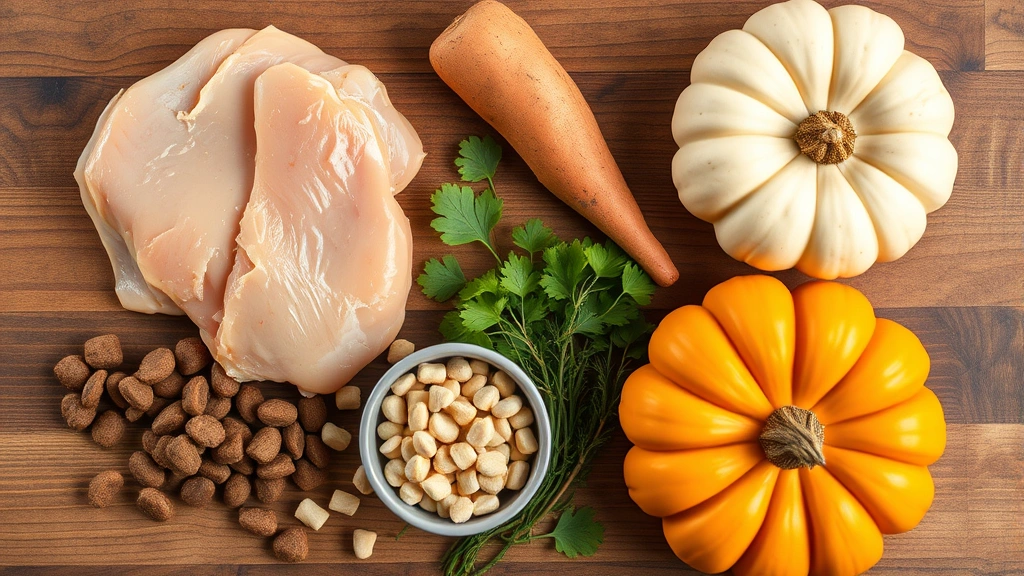
- Easily digestible carbohydrates like sweet potato or rice
If you’re making dietary changes, do it gradually over 7-10 days, mixing the new food with the old. Sudden diet switches can actually cause more gurgling and digestive upset. For more guidance on appropriate foods, check out our article on Can Dogs Eat Chicken, which breaks down protein options perfectly.
Fix #3: Watch for Food Sensitivities & Allergies
Some dogs have legitimate food allergies or intolerances that trigger chronic gurgling. Unlike a food preference, these are actual immune responses or digestive intolerances. Common signs include:
- Persistent stomach noises
- Loose stools or diarrhea
- Itching or skin irritation
- Excessive gas or flatulence
- Vomiting
If you suspect your dog has a food sensitivity, work with your vet to identify the trigger. An elimination diet—where you remove common allergens one at a time—can help pinpoint the problem. Chicken, beef, dairy, wheat, and soy are frequent offenders, but every dog is different. Our resource on When to Call the Vet About Food provides more detailed guidance on recognizing serious digestive issues.
Fix #4: Adjust Meal Frequency & Portion Sizes
Here’s a fact that surprises many dog owners: feeding smaller, more frequent meals can dramatically reduce stomach gurgling. A dog with an empty stomach will have more audible digestive sounds because there’s nothing to muffle the gas and liquid movement. It’s like the difference between a dishwasher running empty versus with dishes in it.
Try this approach:
- Instead of one large meal: Split it into two or three smaller portions throughout the day
- Monitor portion sizes: Overfeeding strains the digestive system and increases gurgling
- Avoid feeding right before exercise: Wait at least an hour after meals before vigorous activity to prevent bloat and digestive upset
- Use meal timing strategically: Feed before bedtime to minimize overnight stomach sounds
This adjustment alone helps many dogs with chronic gurgling. Plus, smaller meals are often easier on the digestive system, especially for senior dogs or those with sensitive stomachs.
Fix #5: Add Digestive Support & Calming Supplements
If you’ve tried the above fixes and your dog’s stomach is still performing a symphony, it might be time to add some digestive support. Probiotics, digestive enzymes, and supplements like pumpkin can work wonders for gut health.
Probiotics: These beneficial bacteria help balance your dog’s gut microbiome, reducing gas and improving overall digestion. Look for dog-specific formulas with multiple strains.
Digestive enzymes: These help break down food more efficiently, reducing fermentation and gas production in the intestines.
Pumpkin: Plain canned pumpkin (not pie filling) is a gentle, natural remedy that helps regulate digestion. A tablespoon mixed into food can help with both constipation and diarrhea.
Bone broth: This gut-healing supplement is packed with collagen and amino acids that support digestive health. Add a small amount to your dog’s food for extra nutrition and flavor.
For anxious dogs whose stress triggers digestive issues, consider Calming Foods for Anxious Pets, which can help reduce stress-related stomach sounds.
When Is Dog Stomach Gurgling a Serious Problem?
Not all gurgling is created equal. While most cases are harmless, certain red flags warrant immediate veterinary attention:
- Persistent vomiting or retching: This could indicate an obstruction or serious illness
- Severe abdominal pain: If your dog is hunched over, whimpering, or won’t move, call the vet immediately
- Diarrhea lasting more than 24 hours: Especially if it’s bloody or contains mucus
- Lethargy and loss of appetite: These combined with gurgling suggest something more serious
- Bloating or distended abdomen: This is a medical emergency and requires immediate attention
- Excessive gas or flatulence: Constant foul-smelling gas might indicate dysbiosis (imbalanced gut bacteria)
If you notice any of these symptoms alongside the gurgling, don’t wait—contact your veterinarian. Better safe than sorry, especially with digestive issues.
When to Call the Vet (Seriously, This Time)
Occasional stomach gurgling? Totally normal. But if your dog’s gurgling is accompanied by behavioral changes, weight loss, or persistent digestive upset, it’s time for professional help. Your vet can rule out conditions like:
- Inflammatory bowel disease (IBD)
- Pancreatitis
- Gastroenteritis
- Food allergies
- Parasites
- Intestinal blockages
Don’t hesitate to reach out to your vet with detailed information about when the gurgling started, what your dog eats, and any other symptoms. Check out our comprehensive guide on When to Call the Vet About Food for more details on serious digestive red flags.
Quick Fixes for Immediate Relief
If your dog’s stomach is gurgling right now and you want quick relief, try these:
- Offer a small snack: Sometimes a light meal or treat settles an empty stomach
- Encourage hydration: Make sure your dog has access to fresh water
- Gentle exercise: A short walk can help move gas through the digestive system
- Calm environment: Stress can worsen gurgling, so create a relaxing space for your pup
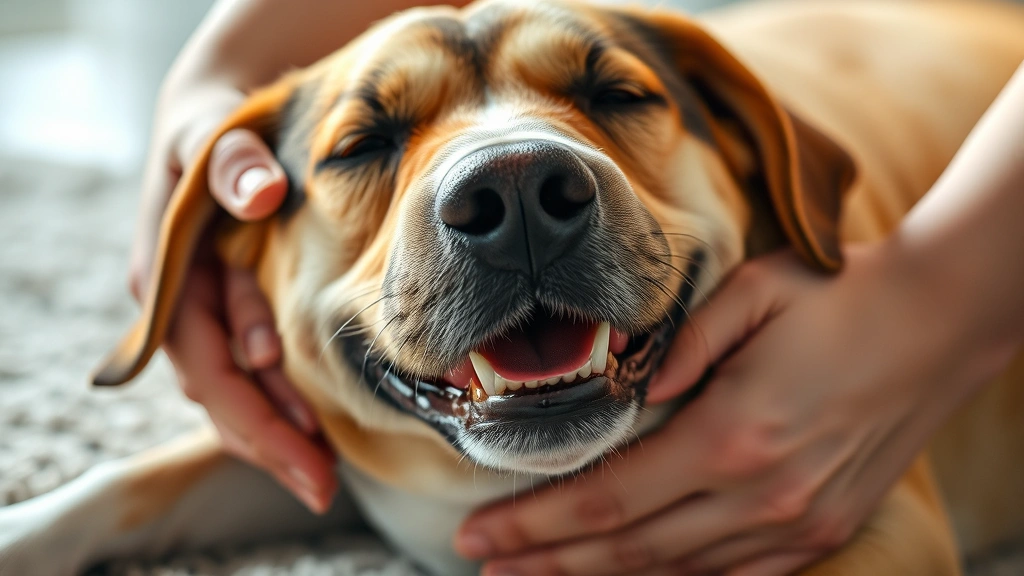
- Massage: Gentle belly rubs in a clockwise direction can help with digestion
Prevention Tips for Long-Term Success
The best cure is prevention. Here’s how to keep your dog’s digestive system running smoothly:
- Maintain a consistent feeding schedule
- Use high-quality dog food appropriate for your dog’s age and activity level
- Ensure your dog gets adequate fiber (check out High-Fiber Human Foods for Pets for options)
- Avoid sudden diet changes
- Keep your dog at a healthy weight
- Provide regular exercise to support digestive health
- Minimize stress and anxiety
- Keep your dog up-to-date on parasite prevention
- Avoid giving table scraps or human foods that upset their stomach
For additional healthy snack options, explore our resource on Healthy Snack Alternatives for Dogs.
Summary: Taking Action Against Dog Stomach Gurgling
Dog stomach gurgling is usually nothing to worry about, but it’s your dog’s way of communicating that something might need adjustment. Whether it’s slowing down mealtime, changing their diet, adjusting portion sizes, or adding digestive support, most cases improve with simple lifestyle changes.
Start with the easiest fixes—slow-feeder bowls and meal timing—and work your way up to dietary changes and supplements if needed. Monitor your dog’s overall health, energy levels, and appetite. If the gurgling persists despite your best efforts or is accompanied by other symptoms, reach out to your vet. They can rule out serious conditions and provide targeted recommendations for your specific pup.
Remember, every dog’s digestive system is unique. What works for one might not work for another, so patience and observation are key. Your dog will thank you for taking action, and you’ll finally get some peace and quiet (or at least understand what all that noise means).
Frequently Asked Questions
Is dog stomach gurgling normal?
Yes, stomach gurgling is completely normal in dogs. It’s just the sound of digestion happening. However, if it’s constant, loud, or accompanied by other symptoms like vomiting or diarrhea, it warrants investigation.
Can anxiety cause dog stomach gurgling?
Absolutely. Stress and anxiety can trigger digestive upset and increased gut sounds in dogs. If your dog is anxious, addressing the underlying stress through training, exercise, or calming supplements may help reduce gurgling.
What human foods can I give my dog for stomach issues?
Plain cooked chicken, plain rice, pumpkin, and bone broth are excellent options for supporting digestive health. Avoid anything with garlic, onions, chocolate, or high fat content. For more ideas, check our article on Appetizing Foods for Pets on Medication.
How long does it take for dietary changes to help with stomach gurgling?
Most dogs show improvement within 1-2 weeks of dietary changes. However, if you’re switching foods, do it gradually over 7-10 days to avoid digestive upset. Some conditions may take longer to resolve.
Should I be worried if my dog’s stomach is gurgling at night?
Nighttime gurgling is often just your dog’s digestive system working while they’re resting. If it’s not accompanied by other symptoms and your dog seems comfortable, there’s no need to worry. Consider feeding them a light snack before bedtime.
Can probiotics really help with dog stomach gurgling?
Yes, probiotics can be very helpful for dogs with digestive issues. They help balance gut bacteria and improve overall digestive health. Look for dog-specific formulas and consult your vet about the right strain and dosage for your pup.
What’s the difference between normal gurgling and a serious issue?
Normal gurgling is occasional, not accompanied by other symptoms, and doesn’t affect your dog’s behavior or appetite. Serious issues involve persistent symptoms like vomiting, diarrhea, lethargy, abdominal pain, or behavioral changes. When in doubt, contact your vet.





