

If you’ve ever caught your pup snuggling with a plush toy like it’s their best friend, you already know the magic of dog stuffed animals. These aren’t just cute decorations for your dog’s bed—they’re genuine comfort items that can soothe anxiety, provide companionship, and keep your furry friend entertained for hours. Whether your dog is a nervous rescue pup or just loves having a cuddle buddy, finding the right stuffed animal can make a real difference in their emotional well-being.
Table of Contents
- Why Dogs Love Stuffed Animals (And Why You Should Care)
- Types of Plush Dog Toys: Finding the Perfect Match
- Best Materials for Durable Plush Toys
- Size Matters: Choosing the Right Dimensions
- Top Features to Look For in Quality Stuffed Animals
- Stuffed Animals for Anxious Dogs: Emotional Support Edition
- Training and Behavior: Using Stuffed Animals as Tools
- Seasonal and Themed Options: Keeping It Fresh
- Safety Checklist: What to Avoid at All Costs
- Maintenance and Cleaning: Keeping Toys Fresh
- Budget-Friendly Options Without Sacrificing Quality
- Nutrition Connection: Toys and Overall Wellness
- Frequently Asked Questions
- Conclusion: The Comfort Your Dog Deserves
Why Dogs Love Stuffed Animals (And Why You Should Care)
Dogs have an instinctive need for comfort and companionship, and stuffed toys tap directly into that. When puppies are separated from their littermates, a soft plush toy can ease the transition and reduce separation anxiety. Adult dogs benefit too—according to the American Kennel Club, toys provide mental stimulation and emotional support. Some pups even treat their stuffed animals like pack members, carrying them around the house or sleeping with them tucked under their chin. It’s basically a security blanket for dogs, and honestly, who doesn’t need one of those?
Types of Plush Dog Toys: Finding the Perfect Match
Not all dog stuffed animals are created equal. Understanding the different types helps you pick the right one for your specific pup’s needs and personality.
Crinkle and Squeaky Stuffed Animals: These interactive plush toys feature built-in sounds that trigger your dog’s prey drive and keep them mentally engaged. The crinkle texture mimics natural sounds, while squeakers provide instant gratification when your dog bites down. Perfect for dogs who love a little excitement with their cuddles.

Soft Fleece and Plush Options: These are the ultimate comfort toys—gentle on the mouth and perfect for anxious dogs or seniors who prefer gentleness. They’re ideal for creating a cozy space in your dog’s crate where they can relax.
Weighted Stuffed Animals: Similar to anxiety wraps, weighted plush toys provide gentle pressure that calms nervous dogs. These are particularly helpful for pups with separation anxiety or those who get stressed during thunderstorms.
Best Materials for Durable Plush Toys
Your dog’s safety is paramount, so material quality matters big time. Look for stuffed animals made from non-toxic, durable fabrics that can withstand enthusiastic chewing and repeated washing. Premium polyester blends are soft yet resilient, while organic cotton options appeal to eco-conscious pet parents interested in zero waste pet care. Always check that stuffing is hypoallergenic and securely enclosed—loose stuffing is a choking hazard. The best dog toys feature reinforced seams and quality construction that’ll survive even aggressive cuddlers.

Size Matters: Choosing the Right Dimensions
A stuffed animal that’s too small becomes a swallowing hazard, while one that’s too large might intimidate smaller breeds. As a general rule, the toy should be larger than your dog’s mouth to prevent accidental ingestion. For small breeds and puppies, opt for toys around 6-8 inches. Medium and large dogs can handle 10-16 inch plush toys comfortably. Giant breed owners? Go bigger—18+ inches ensures their pup gets a genuinely satisfying cuddle buddy.
Top Features to Look For in Quality Stuffed Animals
When shopping for dog stuffed animals, these features separate the mediocre from the magnificent:
Reinforced Stitching: Double or triple-stitched seams prevent your dog from creating an unplanned stuffing explosion. This is non-negotiable for aggressive chewers.
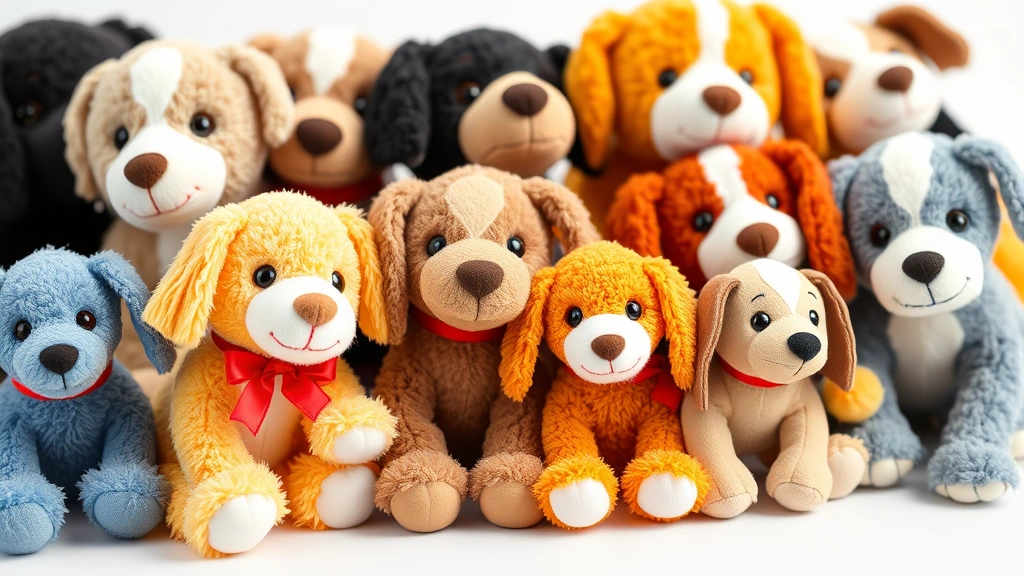
Removable Squeakers: Some pups destroy squeakers immediately (and then swallow them—yikes). Toys with removable squeakers let you customize the experience and prevent choking hazards.
Machine Washability: Dogs are adorable dirt magnets. Look for toys you can toss in the washing machine for easy cleaning. This also helps maintain hygiene for puppies and dogs with sensitive skin.
Hypoallergenic Materials: Dogs with allergies need special consideration. Hypoallergenic stuffing and dyes prevent skin irritation and itching that could turn a comfort toy into a frustration fest.
Stuffed Animals for Anxious Dogs: Emotional Support Edition
Anxiety in dogs is real, and the right plush companion can genuinely help. Dogs with separation anxiety benefit from toys they can carry around—it’s like having a security blanket. Weighted stuffed animals work particularly well because the gentle pressure mimics the sensation of being held, which calms the nervous system. According to PetMD, environmental enrichment like soft toys reduces stress hormones in anxious dogs. Pair your pup’s favorite stuffed animal with a secure car seat for dogs during travel, and you’ve got a calming combo that works wonders.
Training and Behavior: Using Stuffed Animals as Tools
Smart pet parents use dog stuffed animals strategically for training and behavior modification. Introduce a new plush toy during positive experiences—playtime, treats, training sessions—and your pup builds positive associations. For puppies, a stuffed animal in their sleeping area reduces nighttime anxiety and encourages better sleep. Some trainers use plush toys to redirect unwanted biting behaviors, offering an appropriate outlet for that natural chewing instinct. The key is making the stuffed animal the “good choice” your dog gravitates toward naturally.
Seasonal and Themed Options: Keeping It Fresh
Your dog might appreciate variety as much as you do. Seasonal stuffed animals—pumpkins for fall, snowmen for winter, Easter bunnies for spring—keep playtime interesting. Breed-specific plush toys are adorable too; your Golden Retriever might love a tiny Golden plush, while your Chihuahua could bond with a miniature version of their own breed. Themed toys also make excellent gifts for dog-loving friends, and honestly, they’re fun to collect. Just rotate toys regularly to maintain novelty and prevent boredom.

Safety Checklist: What to Avoid at All Costs
Not all stuffed animals are dog-safe. Avoid toys with:
- Plastic eyes or buttons that can detach and become choking hazards
- Synthetic dyes that might be toxic or cause allergic reactions
- Poorly constructed seams that allow easy access to stuffing
- Stuffing containing toxic materials like formaldehyde
- Toys designed for human children (not safety-tested for dogs)
Always supervise playtime with new toys, especially with puppies and aggressive chewers. Check toys regularly for damage and retire them immediately if seams tear or stuffing emerges. Your dog’s safety beats cute every single time.
Maintenance and Cleaning: Keeping Toys Fresh
Regular cleaning extends toy life and keeps your dog healthy. Machine-washable stuffed animals should be cleaned monthly or after particularly muddy adventures. Use gentle, dog-safe detergent and cold water. For non-machine-washable toys, spot-clean with a damp cloth and mild soap. Air dry completely before returning toys to your pup—moisture promotes mold growth. Store toys in a clean, dry place away from direct sunlight, which can fade colors and degrade materials over time. Proper maintenance means your dog’s favorite cuddle buddy stays fresh and safe.
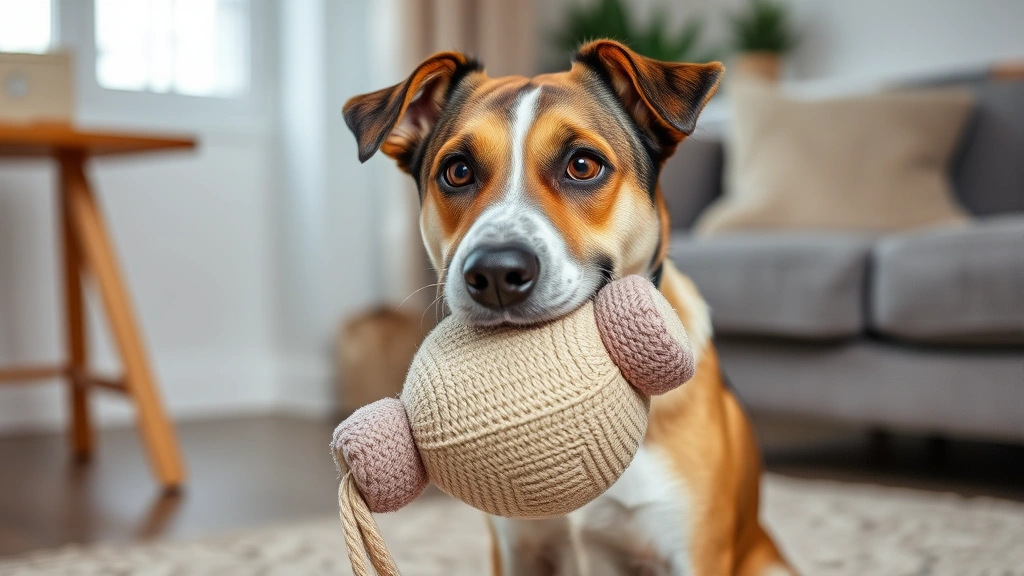
Budget-Friendly Options Without Sacrificing Quality
Premium doesn’t always mean expensive. Many affordable dog stuffed animals offer excellent quality and durability. Check reviews carefully—other dog parents’ experiences reveal whether budget toys actually hold up. Store brands often match premium offerings at half the price. Look for sales during off-seasons and consider buying multipacks if your dog goes through toys quickly. Quality matters more than cost, but you can absolutely find both together if you’re strategic about shopping.
Nutrition Connection: Toys and Overall Wellness
While stuffed animals provide emotional support, they work best alongside proper nutrition and care. A well-fed, healthy dog with balanced nutrition has the energy and emotional stability to truly benefit from comfort toys. Learn more about pet nutrition advice to ensure your pup’s overall wellness supports their emotional well-being. Proper diet, exercise, and emotional enrichment through toys create a holistic approach to dog happiness.
Frequently Asked Questions
Are stuffed animals safe for all dogs?
Most dogs enjoy stuffed animals safely, but supervision matters. Puppies, aggressive chewers, and dogs with a history of eating non-food items need close monitoring. Choose appropriately-sized toys and inspect them regularly for damage. Remove toys if your dog starts destroying them and consuming stuffing.

How often should I replace my dog’s stuffed animal?
Replace toys when seams tear, stuffing emerges, or damage becomes apparent. Well-made toys last months or years with proper care, while cheaper options might need replacement every few weeks. Quality toys are actually more economical long-term.
Can stuffed animals help with separation anxiety?
Absolutely. Stuffed animals provide comfort and reduce anxiety for many dogs, especially when paired with training and gradual desensitization to alone time. Weighted options work particularly well because they simulate the calming sensation of physical contact.
What’s the best way to introduce a new stuffed animal?
Present the toy during positive experiences—playtime, training, or treat time. Let your dog investigate at their own pace. Some pups bond immediately; others need time to warm up. Avoid forcing interaction; let natural curiosity guide their interest.
Should I wash stuffed animals before giving them to my dog?
Yes, absolutely. New toys may have manufacturing residue or dust. Wash machine-washable toys before first use, and spot-clean others with a damp cloth. This removes potential irritants and ensures your pup’s toy is clean from day one.
Are expensive dog stuffed animals worth it?
Premium toys often feature better materials, reinforced construction, and superior durability—which means better value over time. However, many affordable options are equally safe and effective. Read reviews and prioritize quality construction over brand name or price tag.
Conclusion: The Comfort Your Dog Deserves
Dog stuffed animals are more than just cute accessories—they’re genuine tools for comfort, anxiety relief, and emotional support. Whether your pup needs a cuddle buddy for lonely afternoons, a security blanket for stressful situations, or simply a soft friend to carry around the house, the right plush toy makes a real difference. By choosing quality materials, appropriate sizes, and toys that match your dog’s personality, you’re investing in their emotional well-being. Your dog’s happiness matters, and sometimes the simplest solutions—like a soft, huggable stuffed animal—create the biggest smiles. Start exploring options today and watch your pup discover their perfect comfort companion.





