
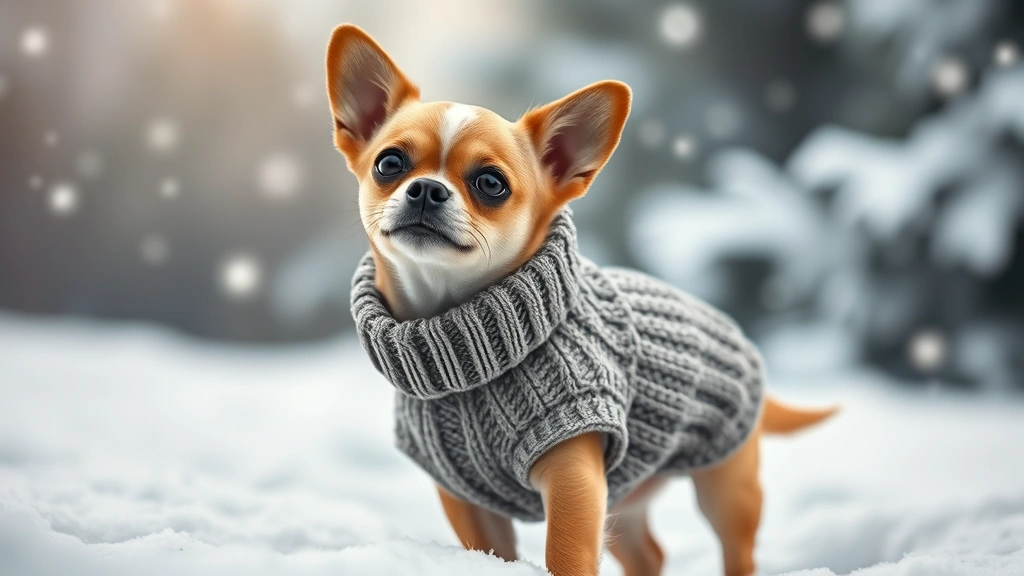
If you’ve got a tiny furball at home, you already know that dog sweaters for small dogs aren’t just a fashion statement—they’re basically survival gear for winter walks. Small breed dogs lose body heat faster than their larger cousins, and when temperatures drop, your pint-sized pup needs extra insulation to stay cozy and comfortable. Whether you’re dealing with a Chihuahua, Pomeranian, or toy Poodle, finding the right winter wear can be the difference between a happy dog and one who refuses to leave the house.
Table of Contents
- Why Small Dogs Need Sweaters More Than You Think
- Understanding Your Small Dog’s Sweater Needs
- Material Matters: Choosing the Right Fabric
- The Five Best Dog Sweaters for Small Dogs
- Sizing Your Small Dog for the Perfect Fit
- Keeping Your Dog Comfortable in Winter Gear
- Caring for Your Dog’s Winter Wardrobe
- Budget-Friendly Alternatives and DIY Options
- When to Layer: Combining Multiple Pieces
- Health Considerations for Small Dogs in Winter
- Sustainable and Ethical Sweater Choices
- Complementary Winter Gear for Complete Protection
- Expert Tips from Veterinarians and Pet Professionals
- Frequently Asked Questions
- Conclusion: Keeping Your Small Dog Cozy All Winter Long
Why Small Dogs Need Sweaters More Than You Think
Let’s be real: small dogs are basically tiny heat-seeking missiles. Their body-to-surface-area ratio means they lose warmth way faster than big dogs. Unlike a Golden Retriever with a built-in fur coat, breeds like Yorkshire Terriers and Malteses are practically naked in winter. Most small breed dogs can’t regulate their body temperature effectively below 45°F, which is why small dog winter clothing becomes essential during colder months. Your Chihuahua isn’t being dramatic when it shivers—it’s genuinely cold.
Understanding Your Small Dog’s Sweater Needs
Not all sweaters are created equal, and not all small dogs need the same type of coverage. Some breeds have thin coats and need full-body protection, while others might just need a quick layer for short trips outside. The key is understanding your specific pup’s needs. Factors like breed, age, health status, and where you live all play a role in determining what type of small dog winter apparel works best. A senior Chihuahua in Minnesota needs something entirely different from a young Pug in Florida.
Material Matters: Choosing the Right Fabric
When shopping for dog sweaters, the material is everything. Look for breathable, moisture-wicking fabrics that keep your dog warm without overheating during indoor playtime. Merino wool blends, fleece, and technical synthetics are your best friends. Avoid anything too stiff or scratchy—your dog will shake it off faster than you can say “winter fashion.” Cotton blends work for mild weather, but for serious cold, you’ll want something with better insulation. Pro tip: machine-washable materials save you from hand-washing disasters.
The Five Best Dog Sweaters for Small Dogs
After researching countless options and considering what actually works for small breed owners, here are five standout picks that deliver comfort, durability, and style.
1. The Classic Knit Pullover
This timeless style works for almost every small dog and comes in countless colors and patterns. Knit pullovers offer excellent warmth without being bulky, and most dogs adjust to them quickly. They’re perfect for dogs who tolerate clothing well and need consistent coverage. The downside? Getting them on and off can be a wrestling match with some pups.
2. The Zip-Up Hoodie Jacket
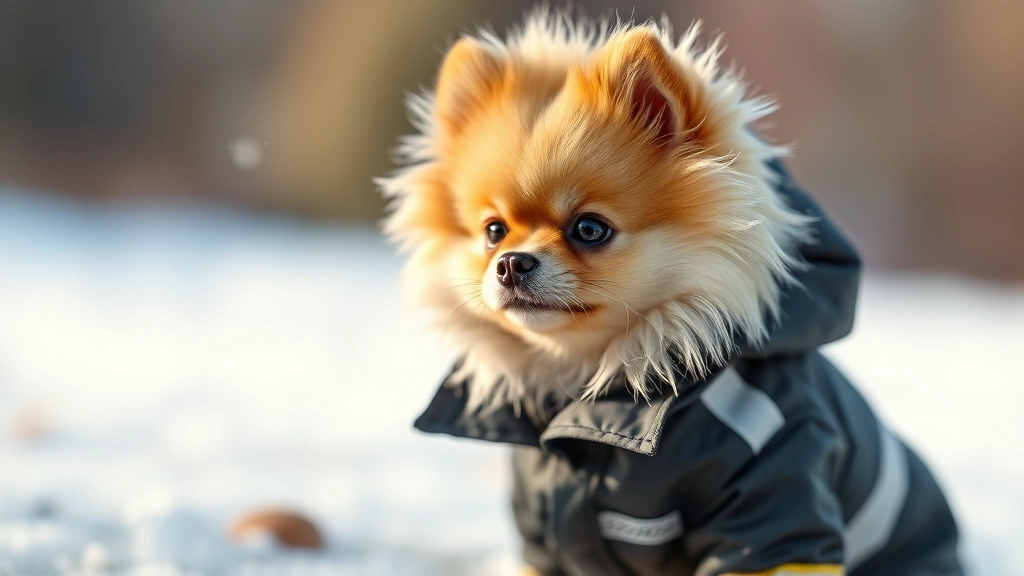
If your dog hates the pullover struggle, a zip-up jacket is a game-changer. These offer easy on-and-off access and often include a hood for extra protection. They’re ideal for dogs who spend time in cars or need quick bathroom breaks. Look for ones with reflective strips for visibility during evening walks. Many come with adjustable straps to ensure a snug fit.
3. The Fleece Coat
Fleece is soft, warm, and incredibly durable—basically the Goldilocks of dog sweater materials. These coats are lightweight but insulating, making them perfect for layering or as standalone winter wear. They dry quickly after wet weather and are usually machine-washable. Great for active small dogs who need freedom of movement.
4. The Waterproof Shell Jacket
For dogs living in wet climates, a waterproof outer shell is essential. These jackets keep rain and snow out while trapping warmth inside. Many have removable fleece linings, so you can adjust for different temperatures. They’re bulkier than other options but invaluable when winter weather turns sloppy.
5. The Sweater Dress
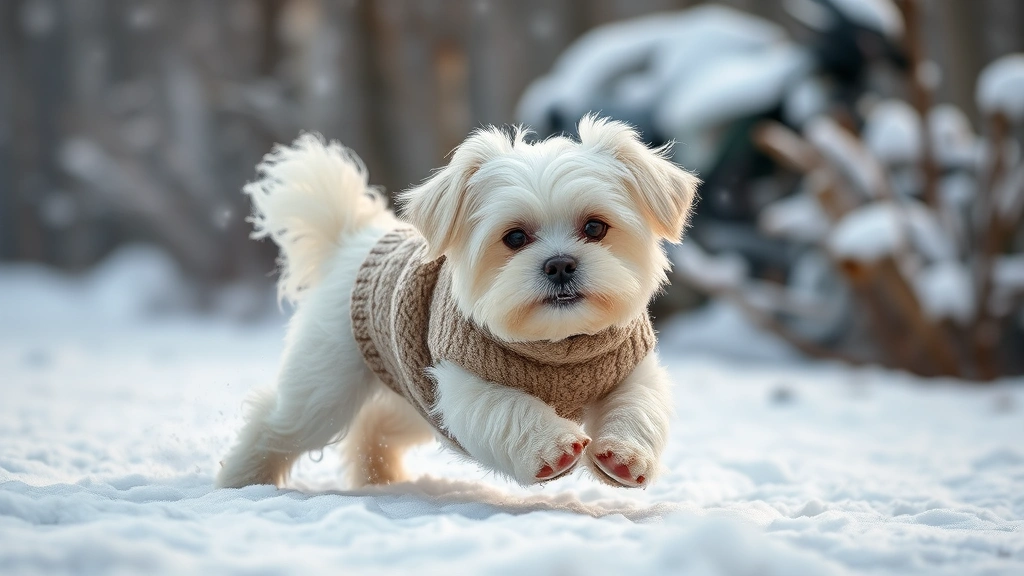
If you’ve got a long-haired small breed, a sweater dress provides coverage without matting their coat. These are longer than standard sweaters and often have back leg openings for easy bathroom access. They’re particularly popular for breeds like Shih Tzus and Malteses.
Sizing Your Small Dog for the Perfect Fit
Getting the right size is absolutely crucial—too big and your dog trips over excess fabric, too small and they’re restricted. Most brands provide sizing charts based on weight and length. Measure your dog from the base of the neck to the base of the tail, and around the widest part of the chest. Don’t guess; actually measure. An ill-fitting sweater defeats the entire purpose and makes your dog miserable. When in doubt, go with the smaller size—you can always exchange it.
Keeping Your Dog Comfortable in Winter Gear
Some dogs take to sweaters immediately, while others act like you’ve dressed them in a straitjacket. Introduce new clothing gradually, offering treats and praise when your dog wears it. Start with short periods indoors before venturing outside. Keep winter walks shorter than usual—even with a sweater, small dogs tire quickly in cold weather. Don’t leave a sweater on for extended periods indoors, as overheating is a real concern. And always check for chafing around the legs and underarms.
Caring for Your Dog’s Winter Wardrobe
Proper maintenance extends the life of your dog’s sweaters. Follow care label instructions carefully—most are machine-washable on gentle cycles. Use mild detergent and avoid fabric softeners, which can reduce breathability. Air-dry whenever possible to prevent shrinking. Store sweaters in a cool, dry place during warmer months. Inspect regularly for loose threads, pilling, or damage. A well-maintained sweater can last multiple seasons, saving you money long-term.
Budget-Friendly Alternatives and DIY Options
Quality dog sweaters don’t have to break the bank. Check out thrift stores for children’s clothing in the right size—many small dog owners score great deals this way. Online marketplaces often have affordable options from reputable brands. If you’re crafty, there are tons of DIY sweater tutorials available. Just ensure any homemade garment uses dog-safe materials and doesn’t have loose buttons or decorations that could be choking hazards. Your pup’s safety always comes first.
When to Layer: Combining Multiple Pieces
In extreme cold, layering works wonders. Start with a thin base layer like a t-shirt, add your main sweater, and top it with a waterproof shell. This approach is particularly useful for dogs who spend significant time outdoors. However, be cautious about overheating indoors—remove layers as soon as you come inside. Also consider booties for paw protection; salt and ice can irritate sensitive paw pads and make your dog uncomfortable.
Health Considerations for Small Dogs in Winter
Beyond just keeping your dog warm, winter poses specific health challenges. Senior dogs and puppies are especially vulnerable to cold-related issues. Dogs with health conditions like arthritis may experience increased pain in cold weather. Watch for signs of discomfort: excessive shivering, reluctance to go outside, or seeking constant warmth. If your dog seems unusually lethargic or shows signs of hypothermia (weakness, shallow breathing), contact your vet immediately. Consider talking with your veterinarian about whether your specific small dog needs additional winter protection.
Sustainable and Ethical Sweater Choices
If you care about how your pet products are made, look for brands using sustainable materials and ethical manufacturing practices. Many companies now offer cruelty-free pet supplies with transparent supply chains. Choosing quality items that last longer is more sustainable than buying cheap sweaters that fall apart after one season. Some brands partner with animal rescues, donating a portion of proceeds to help animals in need.
Complementary Winter Gear for Complete Protection
A sweater is just one part of winter comfort. Pair it with other essentials like cooling dog beds for indoor warmth (yes, they make heated versions too), and consider a car seat for dogs to keep your pup secure and warm during winter drives. If you’re traveling frequently, investing in quality gear makes sense. Don’t forget about sustainable pet grooming services that can help maintain your dog’s coat health during winter months, which actually improves their natural insulation.
Expert Tips from Veterinarians and Pet Professionals
According to the American Veterinary Medical Association, small breed dogs should wear protective clothing when temperatures drop below 45°F. PetMD recommends checking your dog’s ears and extremities regularly for signs of frostbite. The Humane Society suggests that senior dogs and those with medical conditions may need sweaters even at higher temperatures. Professional groomers often recommend keeping small dogs’ coats well-maintained year-round, as a healthy coat provides better natural insulation. These expert recommendations align with what most experienced small dog owners already know from practice.
Frequently Asked Questions
At what temperature should I put a sweater on my small dog?
Most small dogs need a sweater when temperatures drop below 45°F. However, individual dogs vary—some seniors or toy breeds might need protection at 50°F, while others are fine at 40°F. Watch your dog’s behavior for signs of being cold: shivering, reluctance to go outside, or seeking constant warmth. Trust your instincts and your dog’s comfort level over arbitrary temperature guidelines.
Can my small dog sleep in a sweater?
Short answer: it’s not ideal. Dogs regulate body temperature while sleeping, and a sweater can interfere with that process. Remove the sweater indoors unless your home is particularly cold. Provide a warm bed instead. If your dog genuinely needs warmth while sleeping, consult your vet about underlying health issues that might require attention.
How do I measure my small dog for a sweater?
Measure from the base of the neck to the base of the tail for length, and around the widest part of the chest for circumference. Use a soft measuring tape and keep it snug but not tight. Compare measurements to the brand’s specific sizing chart—sizing varies significantly between manufacturers. When uncertain, go with the smaller size.
Are sweaters necessary for all small dog breeds?
Not necessarily. Breeds with thicker coats like Pomeranians need less protection than hairless or thin-coated breeds like Chihuahuas. However, most small dogs benefit from some winter protection in cold climates. Age, health status, and individual sensitivity to cold matter more than breed alone. Your vet can recommend what’s best for your specific dog.
What’s the best material for a dog sweater?
Merino wool blends, fleece, and technical synthetics are ideal—they’re warm, breathable, and usually machine-washable. Avoid materials that are too stiff, scratchy, or non-breathable. The best material depends on your climate and your dog’s specific needs. Test different options to see what your dog tolerates best.
Why does my dog shake off their sweater?
Dogs shake off sweaters for several reasons: discomfort, poor fit, or simply not being acclimated to wearing clothing. Introduce sweaters gradually with positive reinforcement. Ensure proper fit—too loose or too tight causes discomfort. Some dogs never fully accept sweaters; that’s okay. Explore other options like heated beds or shorter outdoor time instead.
Conclusion: Keeping Your Small Dog Cozy All Winter Long
Dog sweaters for small dogs aren’t a luxury—they’re a practical necessity for winter comfort and safety. By understanding your dog’s specific needs, choosing quality materials, and ensuring proper fit, you’ll find the perfect sweater that keeps your pup warm and happy. Whether you go with a classic knit, a practical zip-up jacket, or a waterproof shell, the investment pays dividends in your dog’s comfort and health. Remember that every dog is unique, so what works for your neighbor’s Pomeranian might not work for your Chihuahua. Pay attention to your dog’s behavior, consult your vet when needed, and don’t hesitate to try different options. Winter doesn’t have to mean staying cooped up inside—with the right gear, your small dog can enjoy outdoor adventures year-round. So bundle up that little furball, grab a sweater, and get ready for some seriously cute winter walks.





