
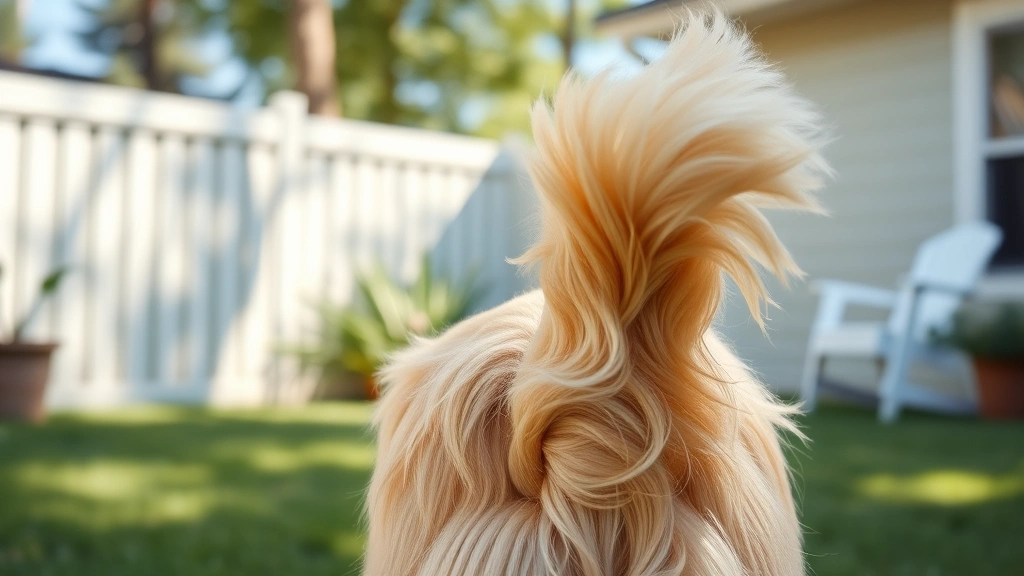
Your dog’s tail is basically a mood ring with fur, and if you know how to read it, you’ll unlock some seriously useful intel about what’s going on in that fluffy head of theirs. A dog tail tells stories—happy ones, anxious ones, and sometimes “I need to see a vet immediately” ones. Understanding these signals can help you catch health issues early, strengthen your bond with your pup, and honestly, just make you a better dog parent overall.
Table of Contents
- Why Your Dog’s Tail Is More Than Just Decoration
- Sign #1: The Rapid Tail Wag Isn’t Always Good News
- Sign #2: The Tucked Tail Is a Red Flag
- Sign #3: Limping or Dragging the Tail Means Medical Attention Now
- Sign #4: Excessive Licking or Chewing at the Tail Base
- Sign #5: A Limp or Lifeless Tail Could Signal Serious Issues
- Understanding Tail Position and Height
- Tail Injuries and Prevention
- When to Worry About Tail-Related Health Issues
- Building a Stronger Bond Through Tail Reading
- Healthy Treats and Overall Wellness
- Frequently Asked Questions
- Conclusion: Your Dog’s Tail Is Talking—Are You Listening?
Why Your Dog’s Tail Is More Than Just Decoration
Let’s be real: a dog tail isn’t just there to look adorable (though it absolutely does). It’s a sophisticated communication tool that your furry friend uses to broadcast their emotional state to the world. Dogs have been wagging their tails for thousands of years, and this behavior is hardwired into their DNA. When you understand what those tail movements mean, you’re essentially learning to speak dog fluently.
The tail serves multiple purposes beyond communication too. It helps with balance when your dog is running at full speed, acts as a rudder when they’re swimming, and even helps regulate body temperature. Pretty impressive for something most people just think is cute to pet, right?
Sign #1: The Rapid Tail Wag Isn’t Always Good News
Here’s where most people get it wrong: not all tail wags mean happiness. Sure, that full-body wiggle with the whole rear end shaking is definitely joy, but a stiff, rapid wag held at a high position? That’s actually a sign of anxiety or aggression. Your dog might be stressed, overstimulated, or ready to snap. The speed and position matter just as much as the movement itself.
A happy wag typically involves the entire back half of the dog participating, with loose, relaxed movements. An anxious wag is usually just the tail itself moving rapidly, often held rigidly. It’s like the difference between a genuine smile and a nervous grin on a human face. If you notice your pup doing the stiff-tail rapid-fire wag, it’s time to give them some space and assess what’s causing the stress.
Sign #2: The Tucked Tail Is a Red Flag
When a dog tucks their tail between their hind legs, they’re essentially saying “I’m scared” or “I’m sorry.” This is one of the most obvious signs that something is wrong emotionally. A consistently tucked tail can indicate fear, anxiety, or even pain. If your dog has suffered an injury or is dealing with a medical issue, they might tuck their tail as a protective response.
Chronic tail tucking can also signal behavioral issues like abuse history or severe anxiety disorders. If your rescue dog came to you with a tucked tail, it might take weeks or months for them to relax enough to hold it naturally. Be patient—they’re literally telling you they need reassurance. However, if a normally confident dog suddenly starts tucking their tail, schedule a vet visit to rule out physical pain or illness.
Sign #3: Limping or Dragging the Tail Means Medical Attention Now
A dog tail that’s being held at an unusual angle, dragged, or causing your pup to limp needs immediate attention. This could indicate a sprain, fracture, or nerve damage. Some dogs can even suffer from something called “happy tail syndrome,” where they wag so hard they actually injure the tail on walls or furniture, causing bleeding and infection.
If you notice your dog favoring their hind legs or showing signs of pain when moving, check out our guide on when to call the vet about food for general signs it’s time for a professional visit. Tail injuries can get infected quickly, and nerve damage can cause permanent issues if left untreated. Don’t wait on this one—your vet needs to see your dog.
Sign #4: Excessive Licking or Chewing at the Tail Base
If your dog is obsessively licking or chewing at their tail, especially around the base, they’re trying to tell you something hurts. This could be anything from fleas and allergies to anal gland issues or skin infections. The tail base is particularly sensitive, and dogs often target this area when they’re experiencing discomfort.
Allergies are one of the most common culprits here. Dogs can develop food allergies, environmental allergies, or contact allergies that make their skin itchy. Constant licking creates a vicious cycle—the more they lick, the more inflamed the skin becomes, which makes them want to lick more. Check out our article on pet food safety to ensure dietary issues aren’t the problem. If the licking persists for more than a few days, it’s vet visit time.

Sign #5: A Limp or Lifeless Tail Could Signal Serious Issues
A tail that just hangs there, completely unresponsive to stimulation, is concerning. This could indicate nerve damage, spinal cord issues, or even serious systemic illness. Some dogs experience what’s called “limber tail syndrome,” where the tail becomes suddenly paralyzed after strenuous activity or cold water exposure. While it often resolves on its own, it’s worth discussing with your vet.
In some cases, a limp tail can be a symptom of more serious conditions affecting the spinal cord or nervous system. If your dog’s tail has suddenly lost all functionality, don’t wait—get them checked out. Early intervention can make a huge difference in recovery outcomes.
Understanding Tail Position and Height
Beyond movement, the actual position of your dog’s tail tells you a lot about their confidence level. A tail held high and wagging slowly usually means a confident, happy dog. A tail held at mid-height with relaxed movement? That’s your normal, chill pup. A tail held lower than the body line suggests uncertainty or submission.
Breed matters here too. Some dogs naturally carry their tails high (like German Shepherds), while others carry them lower (like Basset Hounds). You need to understand what’s normal for your specific breed and individual dog. That said, dramatic changes from your dog’s baseline behavior are always worth investigating.
Tail Injuries and Prevention
Prevention is always better than treatment when it comes to tail injuries. Be mindful of your dog’s tail when closing doors, and watch out for situations where they might get overstimulated and wag themselves into something. Some dogs have such powerful tails that they can actually cause themselves injury through excessive wagging.
If your dog does suffer a tail injury, keep the area clean and watch for signs of infection. Our article on cancerous skin tags on dogs images covers how to monitor skin issues, which applies to tail injuries too. Infections can spread quickly, so don’t ignore even minor-looking wounds.
When to Worry About Tail-Related Health Issues
According to the American Kennel Club, tail problems are more common than many owners realize. The PetMD resource library has extensive information about behavioral and medical tail issues. Additionally, veterinary research from Cornell University’s College of Veterinary Medicine has documented various tail syndromes affecting dogs of all breeds.
You should contact your vet if you notice: sudden changes in tail behavior, inability to move the tail, excessive licking or chewing, visible wounds or swelling, signs of pain when the tail is touched, or a tail that’s held in an abnormal position for more than a few hours. Better safe than sorry with these things.
Building a Stronger Bond Through Tail Reading
Learning to read your dog’s tail is essentially learning to empathize with your pet on a deeper level. It’s a form of non-verbal communication that strengthens your relationship and helps you respond appropriately to their needs. A dog who feels understood is a happier, more secure dog.
Start paying attention to your dog’s tail throughout the day. Notice how it moves when they’re playing, sleeping, greeting you, or nervous about something. Over time, you’ll develop an intuition about what different tail positions and movements mean for your specific pup. This knowledge is invaluable for both their physical and mental health.

Healthy Treats and Overall Wellness
A healthy dog is more likely to have a happy, mobile tail. Make sure you’re supporting your dog’s overall wellness through proper nutrition and exercise. Check out our guide on healthy pet treats to ensure you’re giving them nutritious snacks that support joint and nerve health.
Frequently Asked Questions
Why does my dog’s tail wag when they’re being scolded?
Dogs often wag their tails when they’re nervous or anxious, not just when they’re happy. If you’re scolding your dog and their tail is wagging rapidly in a stiff manner, they’re likely nervous about the situation, not happy about being corrected. The context and body language matter more than the wag itself.
Can a dog’s tail get infected?
Absolutely. Any break in the skin on the tail can become infected, especially if your dog keeps licking it. Tail injuries should be cleaned and monitored closely. If you notice redness, swelling, discharge, or your dog seems to be in pain, contact your vet immediately.
Is it normal for dogs to chase their tails?
Puppies often chase their tails as part of play and exploration—it’s completely normal. However, if an adult dog is obsessively chasing their tail, it could indicate medical issues like parasites, allergies, skin infections, or behavioral problems like anxiety or compulsive disorder. Occasional tail chasing is fine; constant tail chasing warrants a vet visit.
What does a straight, stiff tail mean?
A straight, stiff tail held high typically indicates alertness and confidence, but it can also signal tension or aggression depending on the overall body language. If the tail is stiff and the ears are forward and the body is tense, your dog might be in an aggressive or confrontational mindset. Always look at the whole picture, not just the tail.
How do I know if my dog’s tail injury is serious?
If your dog shows signs of pain, can’t move the tail at all, has visible wounds or swelling, or the tail is dragging, it’s serious enough to warrant a vet visit. Nerve damage in the tail can affect your dog’s ability to balance and control their rear end, so don’t take tail injuries lightly.
Conclusion: Your Dog’s Tail Is Talking—Are You Listening?
Your dog’s tail is one of the most honest forms of communication they have. It can’t lie, can’t hide emotions, and can’t fake what’s really going on inside. By learning to read these signals, you’re becoming a better pet parent who can respond to your dog’s physical and emotional needs more effectively.
Pay attention to the five signs we’ve covered: the difference between happy and anxious wags, the significance of a tucked tail, the red flags of limping or dragging, the meaning of excessive licking or chewing, and the concern of a completely limp tail. Monitor your dog’s tail health, watch for changes in behavior, and don’t hesitate to contact your vet when something seems off.
Your dog is counting on you to understand what they’re trying to tell you. So next time you see that tail wagging, take a second to really observe what’s happening. Is it a full-body wiggle of joy, or a stiff, rapid wag of anxiety? Is it held confidently high, or tucked between the hind legs? These details matter, and they could make all the difference in keeping your furry friend happy and healthy.





