
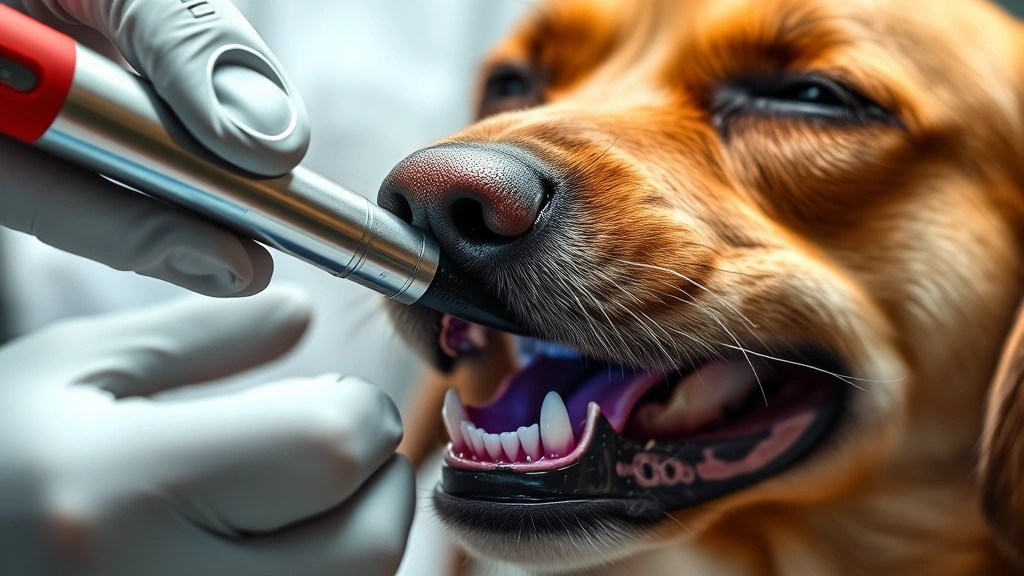
So you’re wondering about dog teeth cleaning cost—and honestly, you’re not alone. Pet parents everywhere are discovering that their furry friend’s breath could knock over a moose, and suddenly dental care becomes priority number one. Let’s break down exactly what you’ll pay to get those chompers sparkling clean.
Table of Contents
- Why Your Dog’s Dental Health Matters (And Why It Costs Money)
- Average Dog Teeth Cleaning Cost in 2024
- Factors That Affect Dental Cleaning Prices
- Breaking Down the Dental Cleaning Procedure Costs
- Cost Comparison: Professional Cleaning vs. At-Home Alternatives
- Insurance and Financial Assistance for Dog Dental Care
- How to Reduce Dog Teeth Cleaning Costs Long-Term
- What to Expect During Your Dog’s Dental Cleaning
- Red Flags: When Dental Cleaning Becomes More Expensive
- Dental Care for Different Dog Breeds and Sizes
- Post-Cleaning Care and Maintenance
- Frequently Asked Questions
- Summary: Investing in Your Dog’s Smile
Why Your Dog’s Dental Health Matters (And Why It Costs Money)
Here’s the thing: your dog’s teeth aren’t just for show. Dental disease in dogs is sneaky—it starts with plaque buildup, progresses to tartar, and before you know it, your pup is dealing with infections, tooth loss, and potentially serious organ damage. According to the American Veterinary Medical Association, nearly 90% of dogs over age four have some form of dental disease.
Professional cleaning removes that stubborn buildup that brushing alone can’t tackle. It’s preventative medicine in its truest form, and yes, it costs something—but ignoring it costs way more down the road.
Average Dog Teeth Cleaning Cost in 2024
Let’s get to the money talk. The dog teeth cleaning cost typically ranges from $300 to $1,000, with the national average hovering around $500-$700. But wait—that’s just the starting point. Several factors can send your bill higher or lower, depending on your specific situation.
Think of it like getting your own teeth cleaned. A simple cleaning is one price, but if you need extractions? That’s a whole different ballgame.
Factors That Affect Dental Cleaning Prices
Your vet didn’t just pull that quote out of thin air. Here’s what actually drives the cost:
Dog Size and Weight: Bigger dogs require more anesthesia and take longer to clean. A Great Dane’s cleaning will cost more than a Chihuahua’s—that’s just physics.
Age and Health Status: Senior dogs or those with underlying health conditions need more extensive pre-operative bloodwork and monitoring, which bumps up the price. Your vet needs to ensure they can safely anesthetize your pup.
Severity of Dental Disease: A dog with minimal plaque gets a straightforward cleaning. A dog with advanced periodontal disease, loose teeth, and potential infections? That’s a more complex procedure requiring extractions and additional care.
Tooth Extractions: Here’s where costs really climb. If your vet discovers diseased or broken teeth during the cleaning, extractions run $10-$40 per tooth depending on complexity. A dog needing five extractions just added $50-$200 to the bill.
Geographic Location: Urban vets typically charge more than rural clinics. A cleaning in San Francisco might run $900, while the same procedure in rural Montana could be $400.
Veterinary Clinic Type: Specialty veterinary dentists charge premium prices (often $800-$1,500+), while general practitioners are usually more affordable.
Breaking Down the Dental Cleaning Procedure Costs
Want to understand where your money actually goes? Here’s the typical breakdown:
Pre-operative Bloodwork: $100-$300. Your vet needs to ensure your dog’s liver and kidneys can handle anesthesia.
Anesthesia and Monitoring: $200-$400. This includes the anesthetic drugs, IV catheter, and constant monitoring during the procedure.
Cleaning and Scaling: $150-$300. This is the actual teeth cleaning—removing plaque and tartar above and below the gumline.
Polishing: $50-$100. Yes, dogs get their teeth polished too, just like you do at the dentist.
Fluoride Treatment: $30-$50. Optional but recommended for strengthening enamel.
Post-operative Care and Pain Management: $50-$150. Pain meds and antibiotics if needed.
Cost Comparison: Professional Cleaning vs. At-Home Alternatives
Now, you might be tempted to skip the vet and try those professional dog teeth cleaning alternatives you see online. Let’s be real about this.
At-home brushing? Free to maybe $20 for a dog toothbrush and enzymatic toothpaste. But it only prevents plaque—it can’t remove existing tartar. Dental treats and water additives? $10-$30 monthly, but they’re supplementary at best.

Here’s the hard truth: there’s no substitute for professional cleaning. Those anesthesia-free cleanings you might find at some grooming facilities? The American Animal Hospital Association warns against them because they only clean the visible surfaces and can actually damage the gum tissue.
So really, you’re paying for expertise and proper equipment. It’s worth it.
Insurance and Financial Assistance for Dog Dental Care
Good news: pet dental insurance exists. Plans typically cover 70-90% of dental procedures, with monthly premiums ranging from $15-$50 depending on coverage and your dog’s age.
Some clinics offer payment plans or discount programs. Ask your vet about CareCredit or similar services. Many practices also offer “wellness packages” that bundle dental cleanings with other preventative care at a slight discount.

If cost is truly prohibitive, check whether local animal rescues or low-cost clinics in your area offer reduced-price dental services.
How to Reduce Dog Teeth Cleaning Costs Long-Term
Here’s the real secret: prevention is cheaper than treatment. Start with these strategies:
Daily Brushing: Even 3-4 times weekly significantly reduces plaque buildup. Use foods appropriate for dental health and enzymatic toothpaste designed for dogs.
Dental Diet: Some prescription diets are formulated to reduce tartar. Your vet can recommend one. You might also explore homemade dog biscuits made with dental-friendly ingredients.
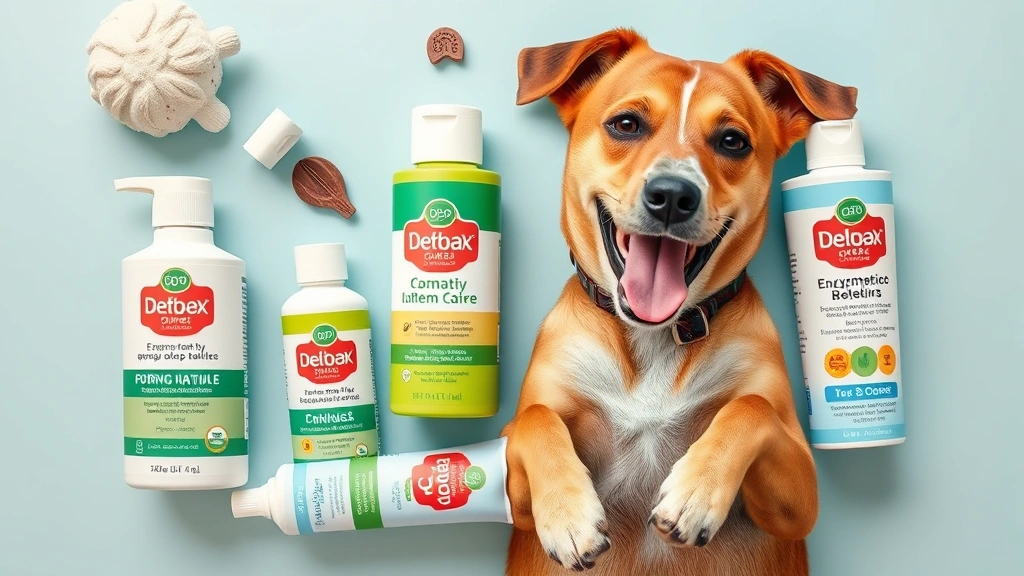
Chew Toys: KONG toys, Nylabone, and similar products help mechanically clean teeth. Avoid hard bones that can crack teeth.
Regular Vet Checkups: Catching dental disease early means simpler, cheaper treatment.
Water Additives: Chlorhexidine or enzymatic additives provide modest benefits and cost only $10-$20 monthly.
What to Expect During Your Dog’s Dental Cleaning
Here’s the play-by-play so you’re not blindsided:
Your dog arrives fasted (nothing to eat after midnight). The vet performs a pre-operative exam and bloodwork. Your pup gets an IV catheter and anesthesia. While under anesthesia, the vet uses an ultrasonic scaler to remove tartar, hand instruments for stubborn deposits, and a suction tool to keep the mouth clear. They examine each tooth, take X-rays if needed, and extract any problem teeth. Finally, they polish the teeth and apply fluoride.
The whole procedure takes 30 minutes to 2 hours depending on severity. Your dog wakes up groggy and might have a sore mouth for a few days. Soft food is recommended for 24-48 hours post-procedure.
Red Flags: When Dental Cleaning Becomes More Expensive
Sometimes you walk in expecting a $500 cleaning and walk out with a $1,200 bill. Here’s why:
Hidden Tooth Extractions: X-rays reveal problems invisible to the naked eye. Broken tooth roots, abscesses, or severely diseased teeth need extraction.

Gum Disease Complications: Severe periodontal disease might require specialized treatment or multiple visits.
Unexpected Health Issues: Your vet might discover your dog has a heart murmur or other condition requiring additional monitoring during anesthesia, adding costs.
Always ask your vet to call you mid-procedure if they discover issues requiring additional work. Most will discuss the cost before proceeding.
Dental Care for Different Dog Breeds and Sizes
Small breed dogs like Yorkies and Chihuahuas often have crowded teeth and higher dental disease rates, sometimes requiring more intensive cleaning. Large breed dogs need more anesthesia but might have fewer complications. Brachycephalic breeds (bulldogs, pugs) require extra monitoring due to breathing difficulties under anesthesia, potentially increasing costs.
Discuss your specific dog’s breed predispositions with your vet. They might recommend more frequent cleanings if your breed is prone to dental issues.
Post-Cleaning Care and Maintenance
After your dog’s professional cleaning, maintain that investment. Resume gentle tooth brushing after 24 hours. Use the dental diet your vet recommends. Schedule follow-up cleanings as advised—typically every 1-2 years for most dogs, more frequently for those prone to disease.
Consider virtual vet consultations for questions about post-cleaning care or dietary adjustments.
Frequently Asked Questions
How often does my dog need professional teeth cleaning?
Most dogs benefit from professional cleaning every 1-2 years. Dogs with advanced periodontal disease might need cleanings every 6-12 months. Your vet will recommend a schedule based on your dog’s individual needs and home care routine.
Is anesthesia safe for senior dogs?
Yes, with proper precautions. Pre-operative bloodwork ensures your senior dog’s organs can handle anesthesia. Many vets adjust anesthesia protocols for older dogs, using lower doses and monitoring more closely. The risks of untreated dental disease often outweigh anesthesia risks in seniors.
Can I brush my dog’s teeth instead of professional cleaning?
Brushing is excellent preventative care and should be part of your routine. However, it cannot remove existing tartar buildup below the gumline. Professional cleaning is necessary for established dental disease.
What’s the difference between anesthesia-free cleaning and professional cleaning?
Professional cleaning uses anesthesia to allow thorough cleaning below the gumline and tooth extraction if needed. Anesthesia-free cleaning only addresses visible surfaces and can actually damage gum tissue. The American Animal Hospital Association advises against anesthesia-free cleanings.
Will my pet insurance cover dental cleaning?
Some plans do, but not all. Many standard pet insurance policies exclude routine dental care unless you specifically purchase dental coverage. Check your policy details or ask your insurance provider about adding dental coverage.
What should I feed my dog after dental cleaning?
Soft foods for 24-48 hours post-procedure. Wet food, broth-soaked kibble, or nutritious soft foods work well. Avoid hard treats, bones, and kibble until your vet gives the all-clear.
Can bad breath be treated without professional cleaning?
Bad breath is usually a symptom of dental disease. While water additives and breath sprays mask odor temporarily, only professional cleaning addresses the underlying problem. If your dog has persistent bad breath, schedule a dental exam.
Summary: Investing in Your Dog’s Smile
The dog teeth cleaning cost might seem steep at first glance, but consider it an investment in your dog’s health and longevity. A $600 cleaning now prevents $3,000 in emergency dental surgeries and systemic infections later. Most dogs need cleaning every 1-2 years, making it a manageable recurring expense.
Start with preventative care: daily brushing, appropriate chew toys, and dental diets. Schedule regular vet checkups to catch problems early. When professional cleaning is recommended, don’t delay—your dog’s overall health depends on it. And remember, a dog with healthy teeth is a dog with better breath, better appetite, and a longer, healthier life by your side.





