
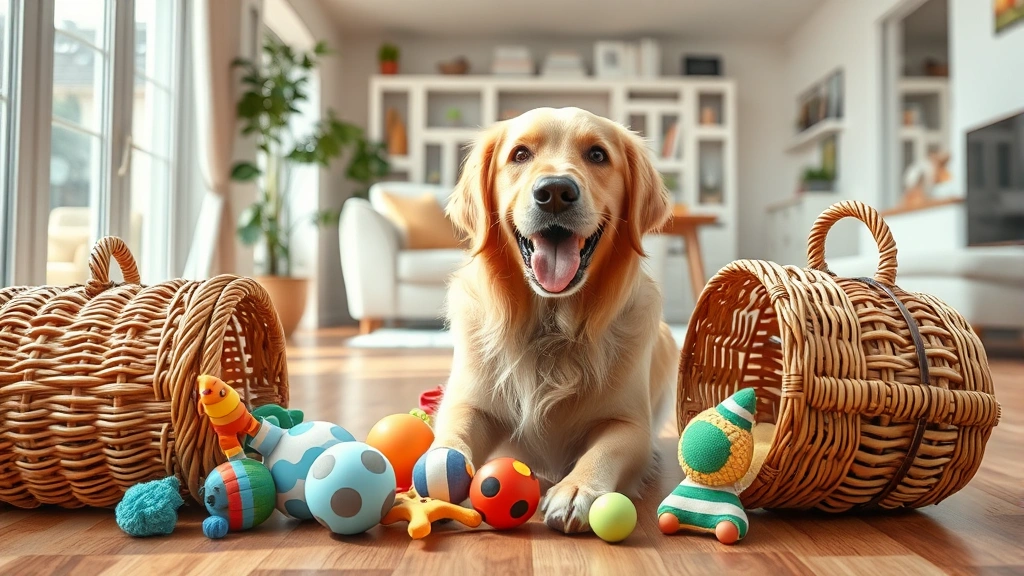
If your living room looks like a toy explosion happened and you can’t find your couch anymore, a dog toy box might just be your new best friend. Let’s face it—dogs are amazing, but their toy collections? They rival a toddler’s. Squeaky toys, rubber balls, plushies, and chew toys seem to multiply overnight, turning your home into an obstacle course of paws and pouncing hazards.
Table of Contents
- Why Your Home Needs a Dog Toy Box
- The Classic Wicker Basket Dog Toy Box
- Fabric Bin Storage Solutions
- Rolling Wooden Toy Chest
- DIY Cardboard Box Hack
- Decorative Ottoman Toy Box
- Open Wire Basket Storage
- Choosing the Right Size for Your Pup’s Collection
- Material Considerations for Durability
- Toy Rotation Strategy for Maximum Engagement
- Budget-Friendly Options vs. Premium Picks
- Maintenance and Cleaning Your Dog’s Toy Storage
- Frequently Asked Questions
- Final Thoughts: Reclaim Your Home
The good news? A solid dog toy storage box can transform your space from chaotic to organized faster than you can say “fetch.” Not only does it keep your home tidy, but it also keeps your pup’s toys in one spot so they actually get used instead of lost under the couch for six months.
Why Your Home Needs a Dog Toy Box
Let’s be honest—without proper storage, dog toys end up everywhere. They’re under the bed, behind the TV, stuck in the washing machine, and mysteriously disappearing into the void. A dedicated toy storage solution for dogs solves this problem while keeping your furry friend engaged and happy.
Beyond aesthetics, a toy box helps with toy rotation. You can swap out toys weekly to keep your dog mentally stimulated without overwhelming them with choices. Plus, it teaches your pup to clean up after themselves—well, sort of. You’ll be doing the cleaning, but at least everything has a designated home.
According to the American Kennel Club, enrichment and play are crucial for canine mental health. A well-organized toy system ensures your dog gets regular playtime and stimulation.
The Classic Wicker Basket Dog Toy Box
Wicker baskets are the OG choice for dog toy storage, and for good reason. They’re stylish, durable, and blend seamlessly with most home décor. Plus, they look way better than a plastic bin shoved in the corner.
The beauty of wicker is that it’s breathable, preventing that weird musty smell that sometimes accumulates in enclosed storage. Your dog’s toys stay fresh, and your nose stays happy. Just make sure the basket has smooth edges—no splinters for curious pups to investigate.
These baskets typically hold 20-30 toys depending on size, making them perfect for moderate toy collections. They’re also lightweight, so you can move them around easily when you’re vacuuming (which you’ll be doing a lot).
Fabric Bin Storage Solutions
If you want something more modern and collapsible, fabric bins are your answer. These soft-sided containers come in tons of colors and patterns, so you can match your home’s aesthetic while keeping toys organized.
The best part? They collapse when empty, saving precious closet space. They’re also machine washable in many cases, which is clutch when your dog decides to use the toy box as a bed and leaves fur everywhere.
Fabric toy boxes work great for apartments or smaller spaces where floor real estate is premium. Stack them, tuck them away, or keep them visible as part of your décor. PetMD recommends keeping toys easily accessible to encourage regular play sessions.
Rolling Wooden Toy Chest
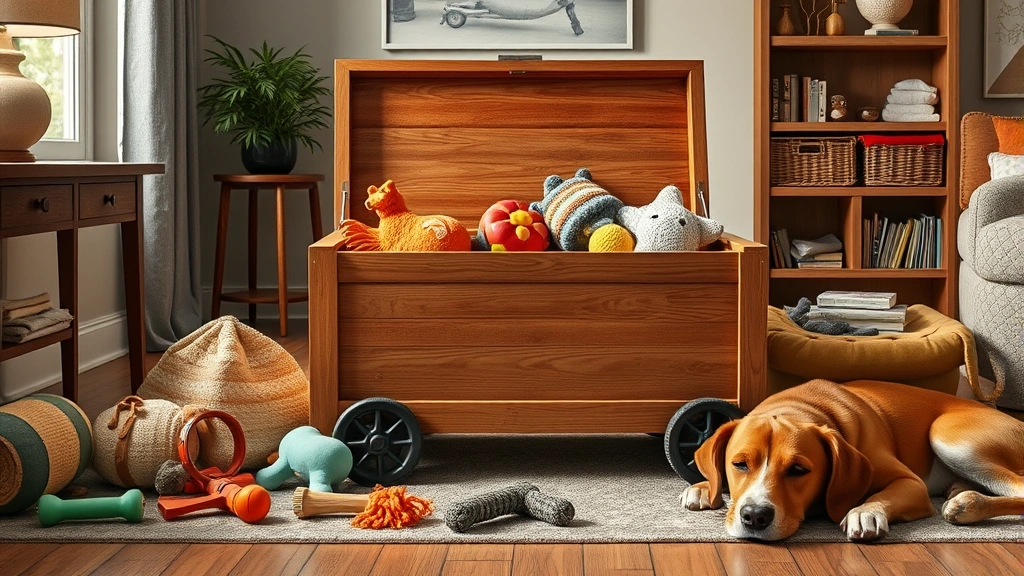
For the dog parent who wants serious storage capacity, a wooden toy chest with wheels is the MVP. These bad boys can hold 50+ toys and actually look like furniture pieces rather than pet storage.
The wheels make it easy to move around for cleaning, and the wooden construction means it’ll last for years. Some even come with dividers inside, letting you organize toys by type—balls in one section, plushies in another, chew toys in the third.
The downside? They take up more space and cost a bit more upfront. But if you’ve got multiple dogs or a pup with a serious toy addiction, the investment pays off in sanity alone.
DIY Cardboard Box Hack
Broke and creative? A sturdy cardboard box wrapped in fabric or contact paper works surprisingly well. Cover it in your favorite pattern, add handles, and boom—you’ve got a custom dog toy storage box for under $20.
Sure, it won’t last forever (especially if your dog decides to chew it), but it’s perfect for testing whether you actually want a toy box before committing to a purchase. Plus, when it eventually gets destroyed, you can recycle it guilt-free.

The downside is durability. Dogs are destructive little furballs, and cardboard is basically a snack to some breeds. This works best for well-behaved pups who respect boundaries.
Decorative Ottoman Toy Box
Want your toy storage to pull double duty? An ottoman-style dog toy box gives you seating AND storage. These are clutch for living rooms where space is at a premium.
Many ottomans have removable lids, making it super easy to grab toys or do a quick cleanup. They come in leather, fabric, and various colors to match your décor. Your guests won’t even know it’s hiding your dog’s toy collection—it just looks like a chic piece of furniture.
The only catch is making sure the lid is secure. You don’t want your dog flipping it open and creating an even bigger mess. Look for ottomans with sturdy hinges and safety locks.
Open Wire Basket Storage
If your dog is visual and likes to see all their toy options (because yes, dogs have preferences), an open wire basket is perfect. It keeps toys visible while still organizing them in one spot.
Wire baskets are super durable, easy to clean, and let air circulate around toys. They’re also affordable and come in various sizes. The downside? They don’t hide clutter, so your toys are always on display. This works best if you regularly rotate and keep only the current favorite toys in the basket.
According to Oregon State University’s Extension Service, environmental enrichment directly impacts canine behavioral health, making accessible toy storage important for overall wellness.
Choosing the Right Size for Your Pup’s Collection
The first step to picking a dog toy box is honestly assessing your dog’s toy situation. Count them up—yes, actually count them. Most dogs do fine with 5-10 toys rotated regularly, but some homes have exponentially more.
If you’ve got a toy-obsessed pup or multiple dogs, go bigger. A toy box that’s too small just becomes frustrating when you’re constantly cramming toys in. You want something with at least 20% extra space for comfort and easy access.
Also consider your dog’s size. A Great Dane’s toys take up way more space than a Chihuahua’s collection. And if you’ve got multiple dogs of different sizes, you might need multiple boxes or one massive storage solution.
Material Considerations for Durability
Here’s the thing—your dog might decide the toy box itself is a toy. Some materials hold up better than others to curious paws and teeth.
Plastic is durable but can look cheap. Metal is super tough but might be cold and uninviting. Wood is beautiful but can splinter. Fabric is cozy but can be chewed. Wicker is pretty but needs protection from determined chewers.
Think about your dog’s personality. Is your pup a destroyer or a gentle soul? This should heavily influence your material choice. Investing in a sturdy dog toy storage solution that matches your dog’s destructive tendencies is way smarter than buying something pretty that gets demolished in weeks.
Toy Rotation Strategy for Maximum Engagement
Here’s a pro tip: don’t keep all toys in the dog toy box at once. Rotate them weekly or bi-weekly to keep your dog interested and engaged.
Store half the collection in the box and keep the other half hidden away. Every week, swap them out. Your dog gets excited because they’re “new” toys again, and you reduce the overwhelming number of toys cluttering your space.
This strategy also extends toy lifespan since they’re not being destroyed simultaneously. Plus, it keeps your dog mentally stimulated, which is crucial for preventing boredom-related behavioral issues.
Budget-Friendly Options vs. Premium Picks
You don’t need to spend $200 on a fancy dog toy box to solve your clutter problem. Budget options like plastic bins ($15-30) work great if aesthetics aren’t your priority.
Mid-range options ($50-100) give you decent durability and looks. Premium picks ($100+) usually mean better materials, longevity, and design that actually complements your home.
Consider your lifestyle. If you rent and move frequently, cheaper is smarter. If you’re staying put and want something that lasts through multiple dogs, investing in quality pays off. Also consider that zero-waste pet care includes choosing durable products over disposable ones.
Maintenance and Cleaning Your Dog’s Toy Storage
A toy box isn’t just about storage—it’s about keeping toys clean and fresh. Regularly wipe down the box itself and wash toys according to their material. Most plush toys can go in the washing machine, while rubber toys need hand washing.
Empty the box completely once a month and do a deep clean. Vacuum out crumbs, wipe down the interior, and check for any damaged toys that need retiring. A clean toy box means healthier toys and a happier pup.
If you’ve got concerns about toy safety, check out resources on healthy snack alternatives for dogs to ensure all toys meet safety standards.
Frequently Asked Questions
What size dog toy box do I need?
Most dogs do well with a box that holds 20-30 toys, which gives you room for rotation without overwhelming your pup. If you have multiple dogs or a toy-obsessed pup, go larger. A good rule of thumb is choosing a box that’s about 20% larger than your current toy collection.
Can I use a regular storage bin as a dog toy box?
Absolutely! A plastic storage bin works great as a dog toy box and is often the most affordable option. Just make sure it doesn’t have sharp edges and is sturdy enough to handle your dog’s curiosity. Clear bins are bonus because you can see what’s inside without opening them.
How often should I rotate my dog’s toys?
Rotating toys weekly or bi-weekly keeps your dog engaged and prevents boredom. This strategy also extends toy lifespan and reduces the number of toys visible at once, making your space feel less cluttered. Most dogs find “new” rotated toys more exciting than toys they see constantly.
Are wicker baskets safe for dogs?
Wicker baskets are generally safe, but watch for splinters and loose fibers. Dogs with strong chewing habits might damage wicker, so monitor playtime. If your pup is a serious chewer, fabric or plastic options are safer choices.
What toys should I keep in the dog toy box?
Keep toys that are safe, durable, and appropriate for your dog’s size and age. Rotate between balls, plush toys, chew toys, and puzzle toys. Remove any toys with damage, missing pieces, or potential choking hazards. For treat options, consider pairing toy time with meat-based treats for dogs as rewards.
Can a dog toy box help with behavior problems?
Absolutely. Organized toy rotation and accessible toys reduce boredom-related destructive behaviors. When dogs have engaging toys readily available, they’re less likely to destroy furniture or develop anxiety issues. Regular play sessions from a well-stocked toy box contribute significantly to overall behavioral health.
Final Thoughts: Reclaim Your Home
Your home doesn’t have to look like a toy store exploded in it. A simple dog toy box solution can transform your space while keeping your pup happy and engaged. Whether you go with a cute wicker basket, a modern fabric bin, or a fancy wooden chest, the key is choosing something that matches your lifestyle and your dog’s personality.
Start by assessing your current toy situation, pick a storage solution that fits your budget and space, and implement a rotation strategy. Your dog gets better playtime, you get a cleaner home, and everyone wins. Plus, you’ll finally be able to walk through your living room without stepping on a squeaky toy at 2 AM—and that alone is worth the investment.





