

A dog vest is one of those genius pet accessories that actually earns its place in your gear collection—whether your pup needs extra warmth, visibility on trails, or protection from the elements. If you’ve ever watched your dog shiver through winter walks or disappear into tall grass during outdoor adventures, you know exactly why these vests matter. We’re breaking down everything you need to know about finding the perfect fit for your furry friend.
Table of Contents
- Why Your Dog Actually Needs a Vest (It’s Not Just Fashion)
- Understanding Different Dog Vest Types
- Top 5 Dog Vest Picks for Every Need
- How to Measure Your Dog for the Perfect Fit
- Material Matters: What to Look For
- Seasonal Considerations for Vest Selection
- Training Your Dog to Wear a Vest
- Price vs. Quality: Finding the Sweet Spot
- Pairing Your Dog Vest with Other Gear
- Common Mistakes Dog Owners Make
- Frequently Asked Questions
- Final Thoughts: Choosing Your Dog’s Perfect Vest
Why Your Dog Actually Needs a Vest (It’s Not Just Fashion)
Look, we get it—not every dog needs a vest. But plenty of them do. Small breeds, senior dogs, and short-haired pups lose body heat faster than their larger, fluffier counterparts. A quality dog vest isn’t about making your pup look Instagram-ready (though that’s a bonus). It’s about functionality.
Dogs with anxiety benefit from pressure-based vests that work similarly to weighted blankets for humans. Others need visibility gear for early morning or evening walks. And if you’re an active outdoor enthusiast with a hiking or hunting dog, a protective vest can shield your buddy from brush, thorns, and unexpected weather changes. Check out our guide on Carhartt Dog Collar options for durable outdoor gear that pairs perfectly with a vest.
Understanding Different Dog Vest Types
Not all vests serve the same purpose, and that’s where most people get confused. Let’s break down the main categories:
Insulated Winter Vests: These are your go-to for cold weather. They trap body heat and keep your dog comfortable during chilly walks. Look for water-resistant materials if you live somewhere with wet winters.
Anxiety/Calming Vests: These apply gentle, consistent pressure across your dog’s torso, similar to swaddling. They’re particularly effective for dogs with separation anxiety or noise phobias.
Safety & Visibility Vests: Bright orange or reflective vests make your dog visible to hunters and vehicles. Essential if you’re walking near roads or during hunting season.
Protective Work Vests: Built tough for hunting, hiking, or service dogs. These often include padding and reinforced stitching.
Top 5 Dog Vest Picks for Every Need
We’ve tested and researched extensively to bring you these standout options:
1. Premium Insulated Winter Vest
For dogs that actually get cold (looking at you, Chihuahua owners), an insulated winter vest is non-negotiable. Look for options with fleece lining, adjustable straps, and water-resistant outer shells. These typically run $35-$60 and last multiple seasons.
2. Anxiety-Reducing Calming Vest
If your dog freaks out during thunderstorms or fireworks, a calming vest provides therapeutic pressure that genuinely works. Prices range from $40-$80, and many owners report noticeable behavioral improvements within days.
3. High-Visibility Safety Vest
Bright orange or reflective vests aren’t just for hunting season. Any dog that walks near roads benefits from maximum visibility. These budget-friendly options ($15-$35) could literally save your dog’s life.
4. Lightweight Mesh Vest
For warm climates or dogs that overheat easily, mesh vests provide minimal coverage while still offering protection from sun exposure. They’re breathable, affordable ($20-$40), and perfect for year-round wear in southern regions.
5. Heavy-Duty Outdoor Adventure Vest
Serious hikers and outdoor enthusiasts need a vest built for rugged terrain. These reinforced vests include padding, durable stitching, and sometimes even cargo pockets. Expect to invest $60-$150, but you’re getting professional-grade equipment.

How to Measure Your Dog for the Perfect Fit
Here’s where most people mess up—they guess. Don’t guess. Grab a soft measuring tape and follow these steps:
Measure your dog’s chest at the widest point (usually just behind the front legs). Write this down. Then measure from the base of the neck to the tail’s starting point along the back. Most manufacturers provide sizing charts based on these two measurements. When in doubt, size up slightly—a vest that’s too tight restricts movement and causes discomfort, while one that’s slightly loose still provides protection without constraint.
Pro tip: If your dog falls between sizes, check customer reviews on the specific vest. Real users often mention whether items run large or small.
Material Matters: What to Look For
The best dog vest isn’t always the most expensive one—it’s the one made from appropriate materials for your climate and your dog’s lifestyle. Water-resistant polyester works great for wet climates. Fleece-lined options excel in cold weather. For anxiety vests, you want breathable, soft fabrics that won’t irritate sensitive skin.
Check if the material is machine washable. If you’re buying a vest your dog will wear regularly, washing convenience matters. Look for reinforced seams and quality zippers that won’t snag fur. And if your dog has sensitive skin or allergies, opt for hypoallergenic materials.
Learn more about eco-friendly pet options with our article on Bamboo Pet Products, which includes sustainable vest alternatives.
Seasonal Considerations for Vest Selection
Your dog’s vest needs change with the seasons. Winter demands insulation and water resistance. Summer requires breathability and UV protection. Spring and fall are perfect for lightweight vests that offer flexibility.
If you live in a region with dramatic seasonal changes, investing in two vests makes sense—a heavy winter option and a lighter transitional piece. This approach ensures your dog stays comfortable year-round without overheating or getting cold.
Training Your Dog to Wear a Vest
Some dogs immediately accept a vest; others resist like it’s a medieval torture device. Here’s the strategy: introduce it slowly. Let your dog sniff it first. Drape it over their back without fastening anything. Reward heavily with treats and praise. Gradually work toward putting it on for short periods indoors before attempting outdoor walks.
Most dogs adjust within 3-5 days if you’re consistent and positive about it. Never force a vest on aggressively—this creates negative associations. Make it fun, make it rewarding, and your dog will soon think wearing their vest means adventure time.
Price vs. Quality: Finding the Sweet Spot
You don’t need to spend $200 on a dog vest unless you’re buying professional-grade equipment for serious work purposes. Most quality vests fall in the $30-$80 range and last 2-3 years with proper care. Budget options under $20 exist, but they often lack durability and proper insulation.
Mid-range vests ($40-$70) typically offer the best value—solid construction, appropriate materials, and reasonable longevity. Read reviews carefully. A $45 vest with 4.8-star ratings beats a $100 vest with mixed reviews every single time.
Pairing Your Dog Vest with Other Gear
A dog vest works best as part of a complete outdoor setup. Pair it with a quality collar or harness for walks. If your dog spends time in a crate during travel, check out our guide on Collapsible Dog Crate options that accommodate vests without restriction.
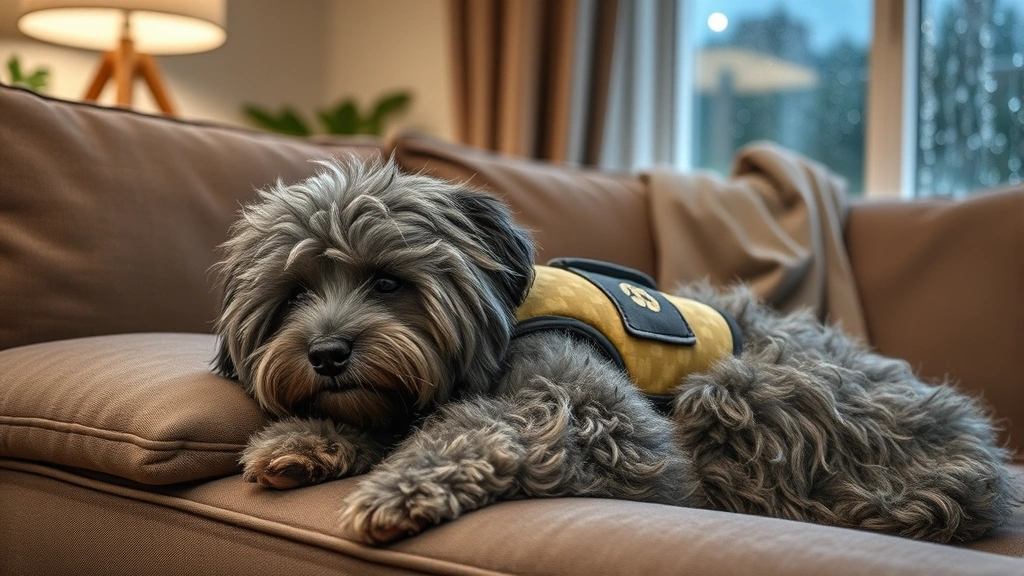
For smaller breeds like the Cavachon Dog, a properly fitted vest combined with a secure harness creates the ultimate protection system for outdoor adventures.
Common Mistakes Dog Owners Make
Buying the wrong size is mistake number one. Guessing instead of measuring wastes money and frustrates your dog. Second mistake: choosing style over function. That cute vest means nothing if it doesn’t actually keep your dog warm or safe. Third: ignoring your dog’s individual needs. Not every dog needs the same vest—consider your dog’s age, breed, climate, and lifestyle.
Fourth mistake: poor maintenance. A vest that’s never washed becomes uncomfortable and unhygienic. Fifth: expecting immediate acceptance. Some dogs need time to adjust to wearing gear.
Frequently Asked Questions
Can all dogs wear vests?
Most dogs can wear vests, but some breeds and body shapes require custom options. Dogs with very deep chests or unusual proportions might need specialty sizing. Always measure before purchasing.
How often should I wash my dog’s vest?
Wash it every 2-4 weeks if your dog wears it regularly, or immediately if it gets visibly dirty. Check the manufacturer’s instructions—most are machine washable on gentle cycles.
Will a vest restrict my dog’s movement?
A properly fitted vest shouldn’t restrict movement at all. If your dog seems uncomfortable or moves stiffly, the vest is too tight. Size up and try again.
Are expensive dog vests worth the money?
Not always. Mid-range vests often provide better value than premium options. Focus on materials, reviews, and durability rather than brand name.
Can puppies wear vests?
Yes, but measure frequently as puppies grow rapidly. You might need to size up every few months. Avoid vests that are too tight, as they can restrict growth and cause discomfort.
What’s the difference between a vest and a coat?
Vests cover the torso and back; coats extend down the sides and sometimes the legs. For maximum warmth, coats are superior. For lighter protection and mobility, vests are better.
Final Thoughts: Choosing Your Dog’s Perfect Vest
A quality dog vest is an investment in your dog’s comfort, safety, and wellbeing. Whether you need insulation for winter walks, anxiety relief for storm season, or visibility for evening adventures, there’s a vest designed for your specific needs. Start by measuring accurately, identify your primary use case, read genuine customer reviews, and don’t be afraid to size up when uncertain.
Your dog spends significant time outdoors—they deserve gear that actually works. Take time to find the right fit, introduce it positively, and you’ll have a happy, comfortable companion ready for whatever adventures come next.





