

If your dog is vomiting blood, it’s time to put on your detective hat—and maybe grab your car keys for an emergency vet visit. This isn’t the kind of thing you can ignore with a “wait and see” attitude. Blood in vomit (what vets call hematemesis) is your pup’s way of sending an urgent SOS signal that something’s seriously wrong inside.
Table of Contents
- Why Is My Dog Vomiting Blood? The Big Picture
- Cause #1: Severe Gastritis and Stomach Ulcers
- Cause #2: Hemorrhagic Gastroenteritis (HGE)
- Cause #3: Ingestion of Toxins or Foreign Objects
- Cause #4: Bleeding Disorders and Coagulopathy
- Cause #5: Severe Food Allergies and Inflammatory Bowel Disease
- What to Do RIGHT NOW If Your Dog Is Vomiting Blood
- Diagnostic Tests Your Vet Will Run
- Treatment Options Based on the Cause
- Prevention: Keep Your Dog Out of Trouble
- Frequently Asked Questions
- Summary: Don’t Ignore the Blood
Whether it’s bright red streaks or dark, coffee-ground-looking chunks, any amount of blood in your dog’s vomit demands immediate attention. Let’s break down what might be happening, why it matters, and exactly what you should do right now.
Why Is My Dog Vomiting Blood? The Big Picture
When your dog vomits blood, it means something is causing bleeding in the upper digestive tract—think mouth, throat, esophagus, or stomach. The color and consistency actually tell you something important. Bright red blood usually means fresh bleeding closer to the mouth, while dark, grainy vomit (that coffee-ground appearance) suggests the blood has been sitting in the stomach longer and has partially digested.
Your dog’s digestive system is basically a sensitive machine, and when something goes wrong, it doesn’t stay quiet. The vomiting is actually your dog’s body trying to expel whatever’s causing the problem, which is both helpful and terrifying at the same time.
Cause #1: Severe Gastritis and Stomach Ulcers
Gastritis is inflammation of the stomach lining, and when it gets severe, it can cause bleeding. Think of it like the stomach’s inner walls getting angry and irritated. This can happen from eating something toxic, sudden diet changes, or stress. Stomach ulcers are basically wounds in the stomach lining, and they bleed. A lot.
What makes this tricky is that gastritis can sneak up on you. Your dog might seem fine one minute, then suddenly start vomiting blood. Common triggers include eating spoiled food, garbage, or foods they’re not used to. If your pup got into something questionable recently, gastritis is a likely culprit.
Signs to watch for include repeated vomiting, loss of appetite, abdominal pain (they’ll hunch or whine), and lethargy. If your dog shows these symptoms, online vet advice for food reactions can help you determine next steps, but honestly, a physical exam is usually necessary.
Cause #2: Hemorrhagic Gastroenteritis (HGE)
HGE is the dramatic diagnosis that sounds scarier than it is—but only sometimes. This condition causes sudden, severe inflammation of the stomach and intestines, leading to bloody vomit and diarrhea. It’s not contagious, and vets still don’t fully understand why it happens, but it’s definitely real and serious.
Small breed dogs seem more prone to HGE, and it can come on like a light switch. One moment your Chihuahua is napping, the next they’re vomiting blood. The good news? Many dogs respond well to aggressive treatment: IV fluids, antibiotics, and dietary rest. The bad news? Without treatment, it can lead to severe dehydration and shock.
If your dog is vomiting blood along with bloody diarrhea, HGE is high on the differential diagnosis list. This is absolutely a “go to the vet now” situation, not a “call and wait for an appointment” situation.
Cause #3: Ingestion of Toxins or Foreign Objects
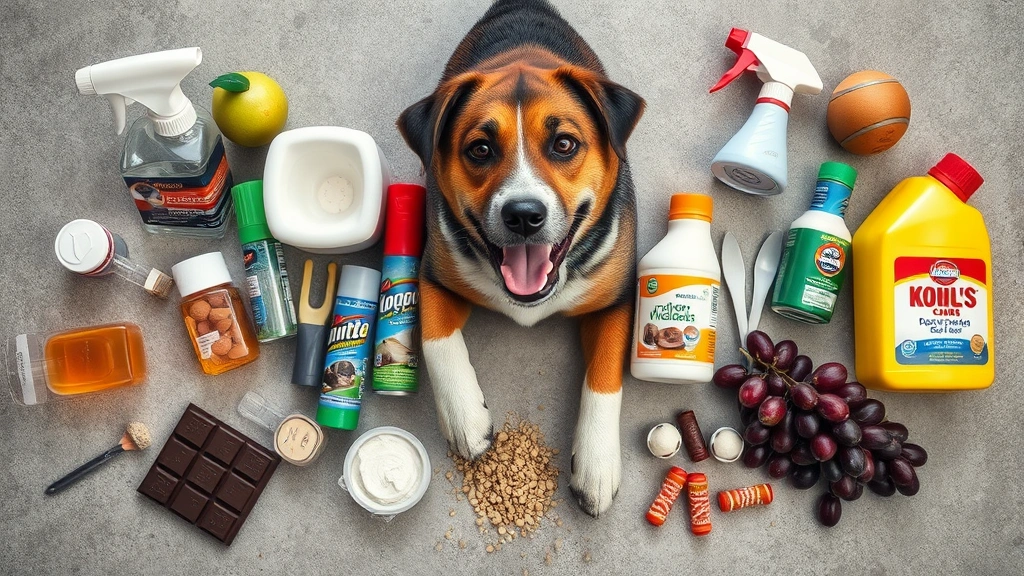
Dogs are basically tiny garbage disposals with fur. If it exists, your dog might try to eat it. When they swallow something toxic or sharp, the results can be brutal. Sharp objects like bones, plastic, or metal can lacerate the esophagus or stomach, causing bleeding. Toxins like xylitol poisoning in dogs or certain medications can cause internal bleeding.
Think about what your dog had access to recently. Did they get into the kitchen? The garage? A friend’s purse? Even seemingly innocent items like nuts toxic to dogs can cause serious problems. Chocolate, grapes, raisins, and certain artificial sweeteners are common culprits.
The timeline matters here. If your dog ate something suspicious 6-24 hours ago and is now vomiting blood, that object or toxin might still be causing damage. Contact pet poison hotline immediately if you suspect poisoning. They’re available 24/7 and can give you specific guidance based on what your pup ate.
Cause #4: Bleeding Disorders and Coagulopathy
Some dogs have clotting problems—either they’re born with them or they develop them. Conditions like von Willebrand’s disease or hemophilia mean your dog’s blood doesn’t clot properly. When the stomach lining gets even slightly irritated, bleeding happens and doesn’t stop easily.
Rodent poison is another sneaky culprit. If your dog ate rat poison (even from a neighbor’s yard), it can cause severe bleeding throughout the body, including in the digestive tract. This is a medical emergency requiring immediate blood transfusions and treatment.
If your dog has a history of easy bruising, excessive bleeding from minor cuts, or if they’re on blood-thinning medications, bleeding disorders are more likely. Your vet will run blood tests (PT/PTT panels) to check clotting ability.
Cause #5: Severe Food Allergies and Inflammatory Bowel Disease
Chronic inflammation from food allergies or inflammatory bowel disease (IBD) can eventually cause bleeding in the digestive tract. Unlike acute gastritis, these conditions develop slowly over time. Your dog might have been vomiting occasionally for weeks, then suddenly vomit blood as things escalate.
Food allergies in dogs are frustratingly common, and they’re not always obvious. Your pup might seem fine eating their regular food for months, then suddenly develop severe inflammation. Food allergies in pets require detective work—elimination diets, ingredient analysis, and sometimes allergy testing.
IBD is basically your dog’s immune system overreacting to their own digestive tract. It’s chronic, manageable, but not curable. If your dog has had ongoing GI issues and suddenly vomits blood, this might be the underlying cause finally reaching a critical point.
What to Do RIGHT NOW If Your Dog Is Vomiting Blood
Panic is natural, but action is necessary. Here’s your step-by-step game plan:
Step 1: Stay calm and assess safety. If your dog is actively vomiting, make sure they’re in a safe space where they won’t aspirate (breathe in) vomit. Keep them away from other pets and small children.
Step 2: Call your vet immediately. Even if it’s 2 AM, call. Most vets have emergency numbers on their voicemail. If your regular vet isn’t available, find an emergency vet clinic. This is not a “wait until morning” situation.
Step 3: Don’t give food or water. Your dog’s stomach needs a break. Fasting gives the digestive system a chance to settle and prevents more vomiting.
Step 4: Document everything. Take a photo of the vomit if you can stomach it (pun intended). Note the color, consistency, frequency, and any other symptoms. Your vet will want this information.
Step 5: Prepare for the vet visit. Bring any medications your dog takes, their medical history, and information about what they might have eaten recently. Be ready to describe the vomit in detail—yes, really.
Step 6: Consider emergency vet for food poisoning if you suspect toxin ingestion. Time is critical with many poisons, and emergency vets have decontamination and treatment options regular clinics might not.
Diagnostic Tests Your Vet Will Run
Don’t be surprised if your vet wants to run several tests. This isn’t them being overly cautious—it’s them being thorough. Common diagnostics include:
Blood work: A complete blood count (CBC) and chemistry panel check for anemia, infection, organ function, and clotting ability. If your dog has lost significant blood, this shows up immediately.
Fecal exam: Sometimes parasites cause bleeding, so your vet might want a stool sample.
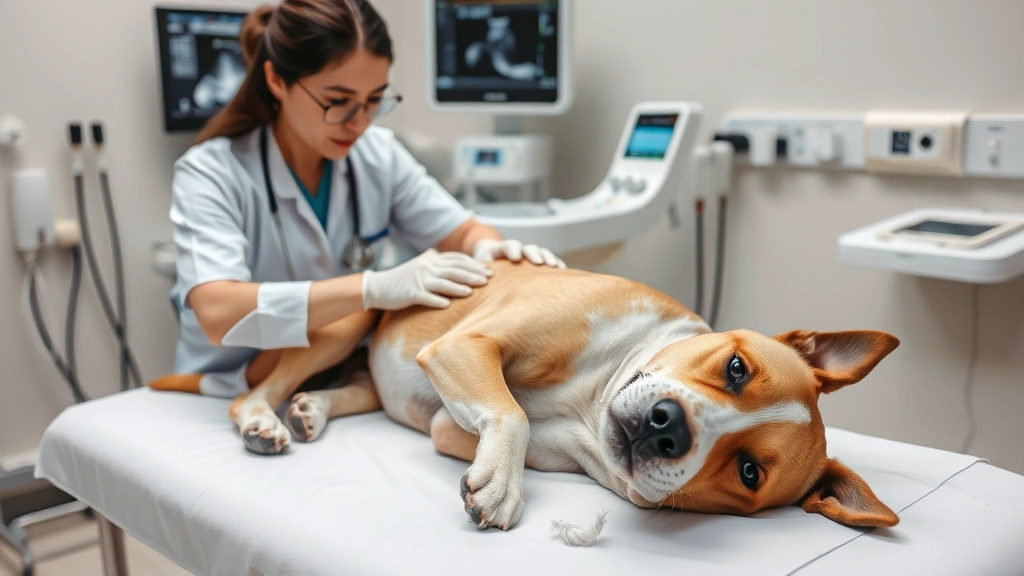
Imaging: X-rays or ultrasound can reveal foreign objects, tumors, or severe inflammation. These are especially important if your vet suspects a blockage.
Endoscopy: In some cases, your vet might use a small camera to look directly into the stomach and identify the source of bleeding.
Treatment Options Based on the Cause
Treatment depends entirely on what’s causing the bleeding. For gastritis, your vet might prescribe acid-reducing medications, antibiotics, and a bland diet. For HGE, aggressive IV fluid therapy is usually necessary. If it’s a foreign object, surgery might be needed.
Bleeding disorders require specific treatments—vitamin K for rat poison, plasma transfusions for clotting problems, or immunosuppressive drugs for IBD. The point is: there’s no one-size-fits-all answer, which is why that vet visit is non-negotiable.
Most dogs recover well from acute episodes if treated quickly. Chronic conditions like IBD or food allergies require long-term management, but they’re manageable. The key is catching the problem early.
Prevention: Keep Your Dog Out of Trouble
While you can’t prevent every possible cause of vomiting blood, you can reduce the risk:
Watch what they eat: No table scraps, no garbage access, no suspicious “finds” on walks. Keep chocolate, grapes, raisins, and xylitol-containing foods locked away.
Regular vet checkups: Catching GI issues early means easier treatment. Annual exams are your friend.
Maintain a consistent diet: Sudden food changes cause gastritis. If you’re switching foods, do it gradually over 7-10 days.
Keep toxins away: Store medications, cleaning supplies, and rodent poison securely. Your dog’s curiosity is not your friend here.
Monitor stress: Stress can trigger GI issues. Keep your pup’s routine stable and provide a safe, calm environment.
Frequently Asked Questions
Is dog vomiting blood always an emergency?
Yes. Any amount of blood in vomit warrants immediate veterinary attention. Even small amounts can indicate serious underlying problems. Don’t wait, don’t hope it goes away, and don’t assume it’s minor. Call your vet or an emergency clinic immediately.
Can I treat dog vomiting blood at home?
No. This is not a home remedy situation. Blood in vomit indicates internal bleeding or severe inflammation that requires professional diagnosis and treatment. Home treatment could allow the condition to worsen, leading to shock, severe anemia, or death. Your dog needs a vet, period.
What’s the difference between bright red and dark blood in vomit?
Bright red blood usually means fresh bleeding from the mouth, throat, or upper esophagus. Dark, grainy vomit (coffee-ground appearance) suggests the blood has been in the stomach longer and has partially digested. Both require immediate attention, but the location of bleeding might differ.
How much will emergency vet treatment cost?
It varies widely depending on the cause and your location, but expect $500-$2,000+ for initial emergency evaluation, diagnostics, and treatment. Imaging and surgery cost significantly more. This is why pet insurance and emergency funds matter.
Can stress cause dog vomiting blood?
Stress can trigger gastritis and vomiting, but stress alone doesn’t typically cause bloody vomit. If your dog is vomiting blood, there’s an underlying physical problem beyond just stress. Address the stress, but also investigate the medical cause with your vet.
What’s the recovery time for dog vomiting blood?
Recovery depends on the cause. Acute gastritis might resolve in 3-7 days with proper treatment. HGE can improve within 24-48 hours with IV fluids. Chronic conditions like IBD require ongoing management. Foreign objects need surgery and recovery time. Your vet will give you a specific timeline based on diagnosis.
Summary: Don’t Ignore the Blood
Dog vomiting blood is your pup’s emergency alert system going off at full volume. Whether it’s gastritis, HGE, toxin ingestion, bleeding disorders, or chronic inflammatory disease, the cause always requires professional veterinary evaluation and treatment.
The bottom line? See your vet immediately. Don’t delay, don’t self-diagnose, and don’t hope it resolves on its own. Most dogs recover well from acute episodes when treated promptly, but waiting can turn a manageable problem into a life-threatening crisis.
Your dog is counting on you to take their blood-vomiting seriously. Be the pet parent they deserve, grab your keys, and head to that vet clinic now.





