
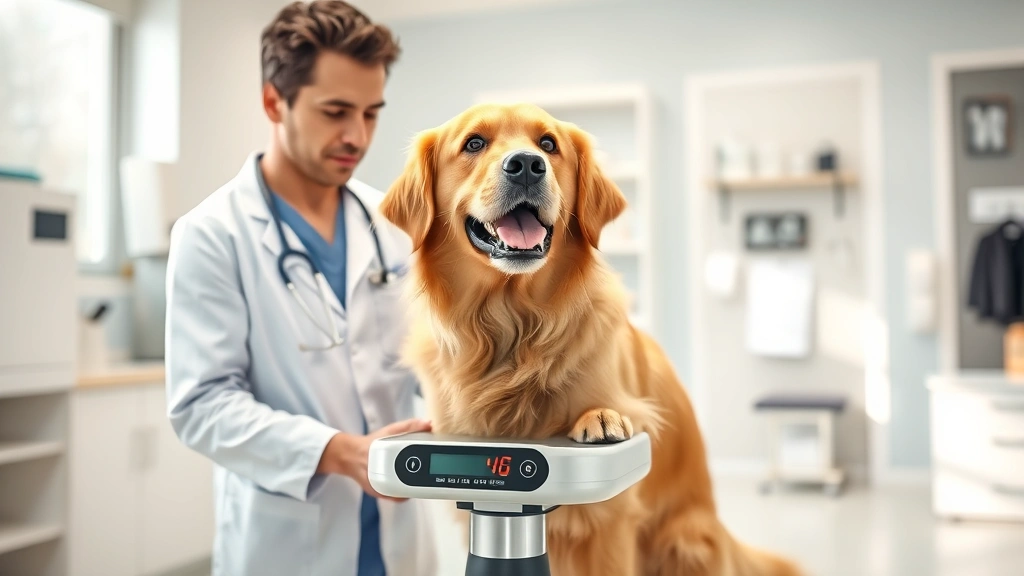
A dog weight calculator is basically your secret weapon for ensuring your furry best friend stays at a healthy weight. Whether you’ve got a chihuahua who thinks she’s a Great Dane or a lab who’s discovered the joys of snacking, knowing your dog’s ideal weight range is crucial for their overall health and longevity.
Table of Contents
- Why Your Dog’s Weight Actually Matters (More Than You’d Think)
- Understanding Body Condition Scoring Before Using Any Calculator
- Tool #1: The PetMD Dog Weight Calculator
- Tool #2: The VCA Animal Hospitals Growth and Weight Calculator
- Tool #3: The Merrick Pet Care Body Condition Score Calculator
- Tool #4: The AKC Breed Standards Weight Guide
- Tool #5: The Custom Pet Health Tracking Apps
- How to Use Your Dog Weight Calculator Effectively
- Nutrition and Weight Management Go Hand-in-Hand
- The Exercise Factor: Calculators Don’t Tell the Whole Story
- Frequently Asked Questions
- Conclusion: Making the Most of Your Dog Weight Calculator
Let’s face it—dogs can’t exactly tell us when they’re feeling chunky, and our vet appointments might be months apart. That’s where these handy tools come in. They help you track whether your pup is living their best life or slowly becoming a furry ottoman. In this guide, we’ll explore five of the best dog weight calculators available and why they matter more than you might think.
Why Your Dog’s Weight Actually Matters (More Than You’d Think)
Before we dive into the calculators themselves, let’s talk about why this stuff isn’t just vanity for your pooch. Overweight dogs face serious health issues: joint problems, diabetes, heart disease, and a shortened lifespan. Underweight dogs? They’re missing out on essential nutrients and can develop their own health complications.
According to the Association of American Feed Control Officials (AAFCO), maintaining optimal body condition is one of the most important factors in canine health management. A proper dog weight calculator helps you stay ahead of these issues before they become expensive vet bills.
The ideal weight for your dog depends on breed, age, activity level, and individual metabolism. A Golden Retriever might be perfectly healthy at 65 pounds while a Beagle at that weight would be dangerously obese. That’s why one-size-fits-all approaches don’t work—you need tools that account for these variables.
Understanding Body Condition Scoring Before Using Any Calculator
Here’s something most people miss: the number on the scale doesn’t tell the whole story. Two dogs of the same weight can have completely different body conditions. Before you obsess over exact pounds, learn to assess your dog’s body condition score (BCS).
The ideal dog should have visible ribs (you should feel them easily without pressing hard), a waist when viewed from above, and a tucked abdomen. If your pup looks like a furry barrel with legs, they’re probably overweight. If you can see their ribs prominently and they look gaunt, they might be underweight.
The American Animal Hospital Association (AAHA) recommends using a 9-point body condition scoring system. Most dog weight calculators incorporate this principle, but understanding it yourself gives you a reality check against the numbers.
Tool #1: The PetMD Dog Weight Calculator
PetMD’s dog weight calculator is one of the most straightforward options out there. You input your dog’s breed, age, and current weight, and it spits out whether your pup is in the healthy range.
What makes this one solid? It’s breed-specific. A Dachshund’s ideal weight range is completely different from a German Shepherd’s, and this calculator gets that. It also provides context about what the numbers mean for your specific dog’s health.
The downside? It’s pretty basic. It doesn’t account for mixed breeds very well, and it won’t help you with custom feeding plans. But for a quick “is my dog fat?” check, it’s reliable and easy to use.
Tool #2: The VCA Animal Hospitals Growth and Weight Calculator
If you’ve got a puppy, this tool is genuinely helpful. The VCA calculator helps you predict your puppy’s adult weight based on their current age and weight. This is gold for planning ahead—you can adjust nutrition and exercise early rather than scrambling later.
This dog weight calculator uses growth curve data for different breeds, so it’s pretty accurate for purebreds. You can track your puppy’s growth trajectory and catch potential weight issues before they develop into serious problems.
The limitation? It’s mainly for puppies and young dogs. Once your dog reaches adulthood, you’ll need a different tool for ongoing monitoring.

Tool #3: The Merrick Pet Care Body Condition Score Calculator
This one’s interactive and actually kind of fun. Merrick’s calculator uses visual comparisons where you look at body condition illustrations and match your dog to them. It’s less about the number on the scale and more about actual body condition—which is what really matters.
You get a score from 1-9, and then recommendations based on where your dog falls. Too thin? Too chunky? This tool tells you specifically what adjustments might help. Combined with the pet nutrition advice you find online, you can make informed decisions about your dog’s diet.
The benefit here is that it focuses on health rather than hitting a magic number. Some dogs are naturally leaner or stockier, and this calculator respects that individual variation.
Tool #4: The AKC Breed Standards Weight Guide
The American Kennel Club maintains detailed breed standards that include ideal weight ranges for registered breeds. While not technically an interactive calculator, it’s an invaluable reference tool that should be your first stop if you have a purebred dog.
This dog weight calculator approach is more about looking up your breed and finding the official standard. It’s authoritative and backed by decades of breed expertise. For purebred owners, this is gospel.
Obviously, this doesn’t work for mixed breeds or designer dogs. But if you’ve got a pedigree pup, knowing the breed standard gives you a solid baseline for what “healthy” looks like.
Tool #5: The Custom Pet Health Tracking Apps
Modern pet parents have access to sophisticated apps like PetDesk, Wisdom Panel, and various breed-specific health trackers. These apps often include weight calculators as part of comprehensive health monitoring systems.
What’s cool about these is they track trends over time. You can log your dog’s weight weekly or monthly and see whether they’re trending toward or away from their ideal range. Some even integrate with smart scales that automatically record weight.
These tools often provide personalized recommendations based on your dog’s specific health data, age, and breed. They’re like having a personal trainer for your dog, minus the annoying motivational speeches.
How to Use Your Dog Weight Calculator Effectively
Having a tool is one thing; using it right is another. Here’s the real talk: weigh your dog consistently, same time of day, same scale. A full bladder or a recent meal can skew results by a few pounds.
Most vets recommend monthly weigh-ins for dogs with weight concerns and quarterly check-ins for healthy dogs. Use your dog weight calculator at these intervals to track progress. If your dog is gaining or losing more than 5-10% of body weight per month, contact your vet.
Remember that calculators are guides, not gospel. Your vet’s assessment always trumps what an online tool says. If your calculator says your 50-pound lab is overweight but your vet says they’re perfect, trust your vet. They know your individual dog.
Nutrition and Weight Management Go Hand-in-Hand
A calculator tells you if there’s a problem, but fixing it requires proper nutrition. This is where pet nutrition advice becomes essential. The right food in the right portions is non-negotiable.

If you’re wondering what to feed your dog, there are some safe options. Can dogs eat chicken? Yes, absolutely—it’s an excellent protein source. But you also need to know what to avoid. Check out harmful foods for dogs to ensure you’re not accidentally sabotaging your weight management efforts.
Consider immune boosting foods for pets as part of a comprehensive health strategy. Weight management isn’t just about calories; it’s about nutritional quality. And if you care about the bigger picture, sustainable dog food options let you feel good about what you’re feeding your pup.
The Exercise Factor: Calculators Don’t Tell the Whole Story
Here’s what a dog weight calculator won’t tell you: your dog needs regular exercise. A dog at the perfect weight but sedentary is still unhealthy. Conversely, an active dog might carry a few extra pounds and still be in great shape.
Most adult dogs need at least 30 minutes of moderate exercise daily, though this varies by breed and age. High-energy breeds like Border Collies and Australian Shepherds need significantly more. Brachycephalic breeds like Bulldogs need less intense activity.
Use your calculator as motivation to establish a good exercise routine. Weight management and fitness go together—you can’t have one without the other.
Frequently Asked Questions
What’s the most accurate dog weight calculator?
There’s no single “most accurate” calculator because it depends on your dog. For purebreds, the AKC breed standards are authoritative. For mixed breeds or detailed body condition assessment, the Merrick or VCA calculators work well. Your vet’s assessment always beats any online tool.
How often should I weigh my dog?
For healthy dogs, monthly or quarterly weigh-ins are fine. If your dog is overweight or underweight, weigh them monthly to track progress. Use your dog weight calculator at the same time to monitor trends.
Can I use a human weight calculator for my dog?
Absolutely not. Dogs have different metabolic rates, body compositions, and health considerations than humans. Always use a calculator specifically designed for dogs. Your pup isn’t just a small human with fur.
What if my dog is between breed sizes?
Mixed breeds can be tricky. Look at the breeds in your dog’s background and find the average of their ideal weight ranges. Better yet, focus on body condition score rather than hitting an exact number.
Should I put my dog on a diet?
Never put your dog on a diet without consulting your vet. They can recommend appropriate calorie reduction, the right food, and whether there are underlying health issues. A dog weight calculator shows you there’s a problem; your vet helps you solve it safely.
Conclusion: Making the Most of Your Dog Weight Calculator
A dog weight calculator is a valuable tool in your pet health arsenal, but it’s not a substitute for professional veterinary care. These calculators help you stay informed, track trends, and catch weight issues early when they’re easiest to address.
The best approach combines regular weigh-ins, body condition assessment, proper nutrition, and adequate exercise. Use your calculator monthly, consult your vet annually, and adjust as needed. Your dog’s health is worth the effort, and they’ll thank you with extra years of tail wags and cuddles.
Remember: the goal isn’t a number on a scale. It’s a healthy, happy dog who can run, play, and enjoy life to the fullest. The calculator just helps you get there.





