
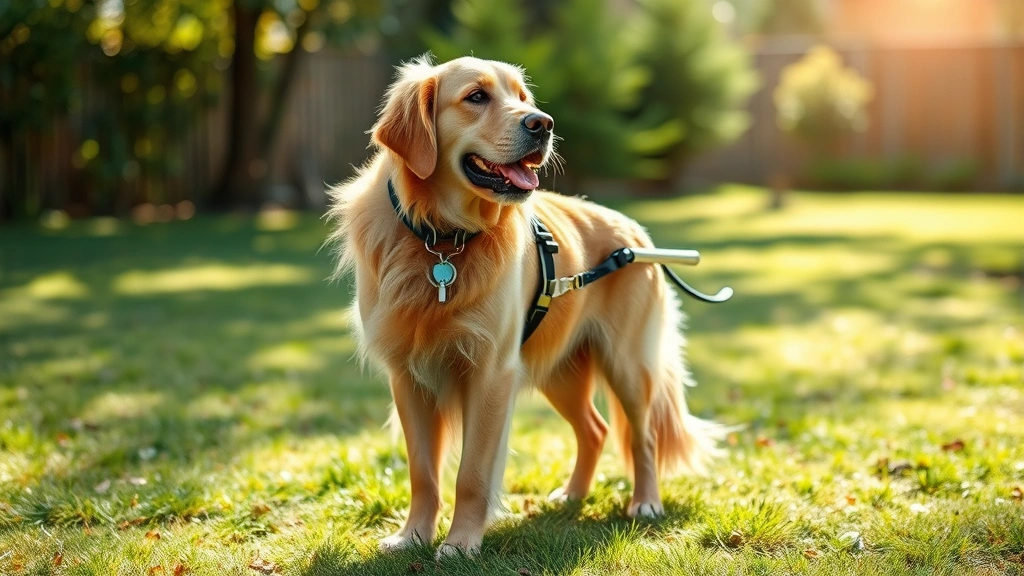
A dog wheelchair for back legs can be an absolute game-changer for your furry best friend who’s dealing with mobility issues. Whether your pup has suffered an injury, is aging gracefully, or has a condition like IVDD (Intervertebral Disc Disease), a quality wheelchair can restore their independence and quality of life faster than you can say “fetch.”
Table of Contents
- Why Your Dog Might Need a Wheelchair
- Understanding Rear Leg Paralysis in Dogs
- What to Look For in a Quality Dog Wheelchair
- Top 5 Dog Wheelchairs for Back Legs in 2024
- How to Properly Fit Your Dog’s Wheelchair
- Training Your Dog to Use Their Wheelchair
- Maintenance and Care for Wheelchair Longevity
- Nutrition and Recovery Support
- When to Consult Your Veterinarian
- Real-Life Success Stories
- Frequently Asked Questions
- Conclusion
Why Your Dog Might Need a Wheelchair
Let’s be real—watching your dog struggle to move around breaks your heart. Rear leg paralysis, weakness, or loss of function can happen for various reasons. IVDD is super common in dachshunds and other long-backed breeds, but any dog can experience spinal issues, arthritis, or nerve damage. The good news? A dog wheelchair isn’t giving up; it’s giving your pup a second chance at zoomies and tail wags.
According to the American Kennel Club, mobility aids like wheelchairs can significantly improve a disabled dog’s quality of life and mental health. Plus, staying active helps prevent secondary health issues and keeps those muscles from atrophying.
Understanding Rear Leg Paralysis in Dogs
Before diving into the best dog wheelchairs for back legs, you need to understand what you’re dealing with. Rear leg paralysis can be temporary or permanent, partial or complete. Some dogs regain function with physical therapy and time, while others benefit from permanent mobility solutions. The key is getting your vet’s blessing and choosing the right support system.
Common causes include IVDD, degenerative myelopathy (DM), hip dysplasia, and spinal cord injuries. Each condition may require different wheelchair features, so chat with your veterinarian about what’ll work best for your specific situation.
What to Look For in a Quality Dog Wheelchair
Not all dog wheelchairs are created equal. You’ll want to consider:
- Size and Weight Capacity: Measure your dog carefully. Too loose, and they’ll slip; too tight, and they’re uncomfortable.
- Material: Lightweight aluminum beats heavy steel every time. Your dog shouldn’t feel like they’re wearing a tank.
- Adjustability: Your pup grows or changes, so flexibility matters.
- Comfort Padding: Look for soft harnesses and supportive straps.
- Terrain Capability: Can it handle your home, yard, and neighborhood?
- Ease of Use: You’ll be putting this on multiple times daily—make it simple.
Top 5 Dog Wheelchairs for Back Legs in 2024
1. Walkin’ Wheels Rear Support Harness
The Walkin’ Wheels is the gold standard for rear leg support. This lightweight aluminum frame is adjustable for dogs weighing 10-100+ pounds, making it incredibly versatile. The harness distributes weight evenly, reducing strain on your dog’s front legs. Users rave about how quickly their dogs adapt to it. It’s pricier than some options, but the durability and comfort justify the investment.
2. Best Friend Mobility Dog Wheelchair
Best Friend’s offering is perfect for small to medium dogs. It’s lightweight, affordable, and surprisingly durable. The design allows dogs to use their back legs if they have any function, which can aid in rehabilitation. Many owners report their dogs using it as a stepping stone to recovery.
3. Handicapped Pets Dog Wheelchair
Handicapped Pets creates custom wheelchairs tailored to your dog’s measurements. Yes, it’s pricier upfront, but a perfect fit means maximum comfort and mobility. They’ve been in the game for years and understand what disabled dogs actually need. If your pup is an unusual size or shape, this is worth considering.
4. K9 Carts Rear Leg Support
K9 Carts offers a more budget-friendly option without sacrificing quality. Their rear leg support is excellent for dogs recovering from surgery or dealing with temporary paralysis. The design encourages natural movement and is easy to adjust as your dog progresses.
5. Eddie’s Wheels for Dogs
Eddie’s Wheels specializes in custom-made carts for dogs of all sizes and conditions. Their craftsmanship is exceptional, and they work directly with your vet to ensure proper fit and support. It’s a premium option, but for severe cases or unique situations, it’s worth every penny.
How to Properly Fit Your Dog’s Wheelchair
Getting the fit right is absolutely crucial. A poorly fitted wheelchair can cause sores, restrict movement, or fail to provide adequate support. Measure your dog’s rear leg length from hip to paw, their back length, and their weight. Most manufacturers provide detailed sizing charts—use them!
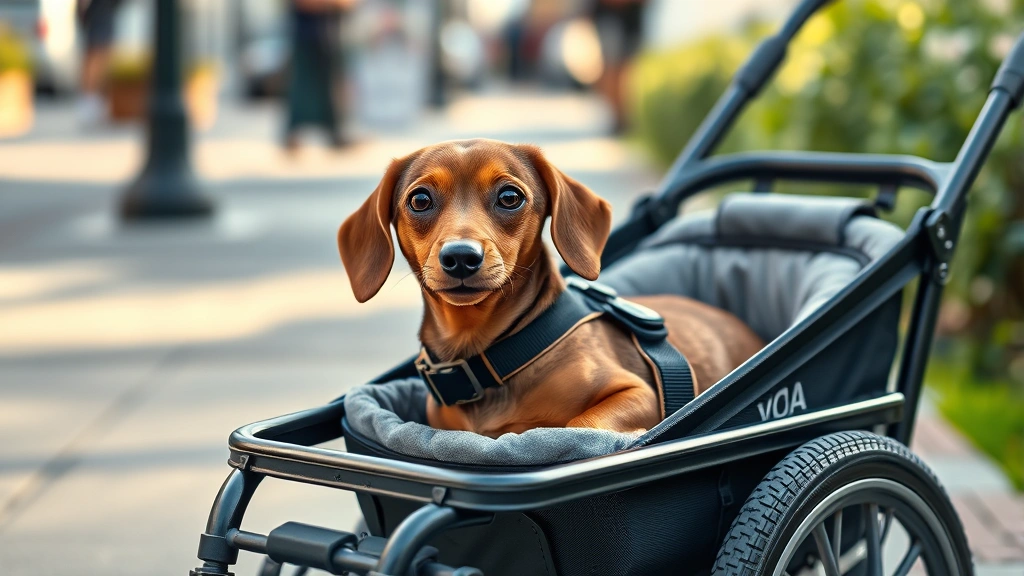
When your wheelchair arrives, let your dog wear it for short periods first. Some dogs adapt in minutes; others need a few days. Keep sessions positive with treats and praise. PetMD recommends introducing mobility aids gradually to prevent anxiety or resistance.
Training Your Dog to Use Their Wheelchair
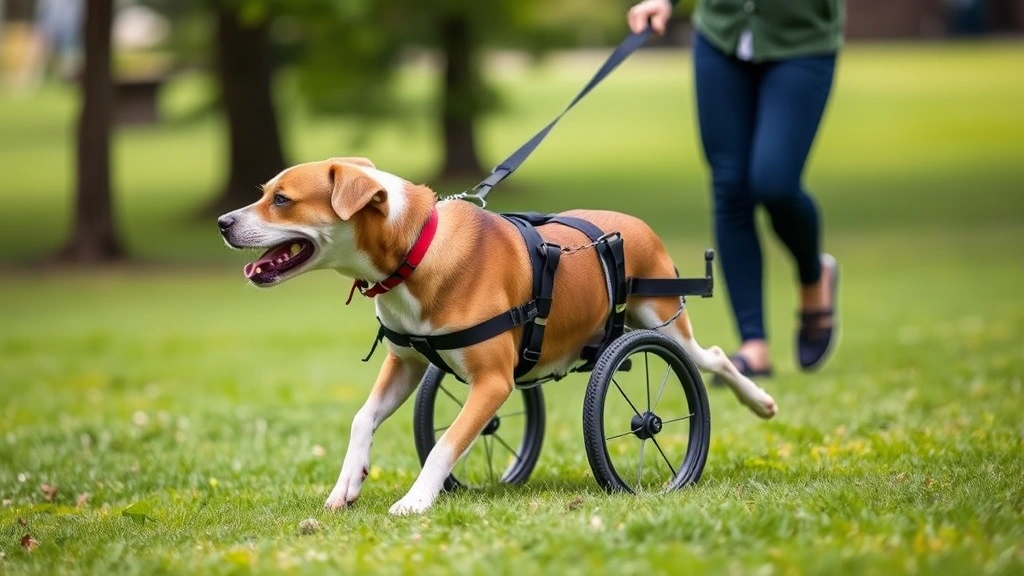
Think your dog won’t adapt? Think again. Dogs are incredibly resilient and adaptable creatures. Start indoors on familiar surfaces. Let them get used to the feel and weight. Practice standing, then gentle movements. Reward heavily with praise and treats—we’re talking party-mode enthusiasm here.
Once they’re comfortable, gradually increase time in the wheelchair. Move to different environments—the backyard, the driveway, the sidewalk. Most dogs figure it out faster than their humans expect. Within days or weeks, many dogs are confidently rolling around like they own the place.
Maintenance and Care for Wheelchair Longevity
Your investment deserves proper care. Clean the wheelchair regularly, especially after outdoor adventures. Check for wear on the harness and straps. Inspect wheels for debris or damage. If your dog has a custom fit, note any changes in their body that might require adjustment.
Store the wheelchair in a dry place. Most are relatively lightweight and compact, so they won’t take up much space. Keep the manufacturer’s contact info handy for replacement parts or adjustments. A well-maintained wheelchair can last years, serving multiple purposes as your dog’s needs evolve.
Nutrition and Recovery Support
While a wheelchair restores mobility, proper nutrition supports healing and strength. Dogs recovering from spinal issues or paralysis need quality protein to maintain muscle mass. Consider convalescence foods from the kitchen that are easy to digest and nutrient-dense.
If your dog is anxious about their new situation, calming foods for anxious pets can help them adjust. Work with your vet on a nutrition plan that supports their specific recovery needs. Some dogs benefit from supplements like glucosamine or omega-3s for joint and neurological support.
When to Consult Your Veterinarian
Before purchasing a wheelchair, absolutely get your vet’s input. They can assess whether a wheelchair is appropriate for your dog’s condition and recommend specific features. They might also suggest physical therapy alongside the wheelchair use.
During the adjustment period, watch for signs of discomfort, sores, or behavioral changes. If your dog seems stressed or is developing pressure wounds, contact your vet immediately. Sometimes minor adjustments to the fit or padding solve the problem. If you’re ever unsure about when to call the vet about food or other recovery concerns, err on the side of caution.
Real-Life Success Stories
Dogs using wheelchairs aren’t “giving up”—they’re thriving. Owners report their dogs regaining confidence, enjoying outdoor time, and maintaining social interactions with other dogs. Some dogs even regain partial function over time with a wheelchair providing support during recovery. The mental boost alone is worth it; a happy, mobile dog is a healthier dog.
Many owners say getting a wheelchair was one of the best decisions they made for their disabled dogs. Watching a previously immobilized pup zoom around the yard again? That’s pure joy right there.
Frequently Asked Questions
How long does it take a dog to adjust to a wheelchair?
Most dogs adapt within a few days to a couple of weeks. Some take to it immediately, while others need gradual introduction. Patience, positive reinforcement, and short training sessions make all the difference. Your dog’s personality and the fit of the wheelchair also play roles in adjustment speed.
Can a dog regain function while using a wheelchair?
Absolutely! Many dogs recover partial or complete function with proper physical therapy, veterinary care, and time. The wheelchair keeps them mobile and active during recovery, which actually supports healing. Some dogs graduate from their wheelchairs after weeks or months of rehabilitation.
Are dog wheelchairs waterproof?
Most are water-resistant but not fully waterproof. You can use them in light rain or for puddle-jumping, but avoid deep water or extended submersion. Always dry the wheelchair thoroughly after exposure to moisture to prevent rust or material degradation.
How much does a dog wheelchair cost?
Prices range from $150 to $1,000+ depending on size, customization, and brand. Standard sizes are more affordable, while custom-made wheelchairs cost more but offer perfect fit. Consider it an investment in your dog’s quality of life and independence.
Can small dogs use wheelchairs?
Yes! Wheelchairs come in sizes for dogs as small as 5-10 pounds. Small breeds like Dachshunds and Chihuahuas often benefit greatly from rear leg support. The key is finding a manufacturer that specializes in their size range.
What’s the difference between a wheelchair and a harness?
A wheelchair provides full support and mobility for dogs with complete rear leg paralysis or severe weakness. A harness offers partial support and is better for dogs with some remaining function or those in early recovery. Your vet can recommend which is appropriate for your dog.
Conclusion
A dog wheelchair for back legs isn’t a symbol of defeat—it’s a symbol of love and commitment to your dog’s quality of life. Whether your pup needs temporary support during recovery or permanent mobility assistance, the right wheelchair can transform their world. With options ranging from budget-friendly to premium custom builds, there’s a solution for every dog and every situation.
Start by consulting your veterinarian, take accurate measurements, and choose a wheelchair that matches your dog’s specific needs. Be patient during the adjustment period, maintain the equipment properly, and watch your furry friend thrive. Your dog deserves to enjoy life to the fullest—and with the right mobility aid, they absolutely can.
The journey with a disabled dog teaches us that limitation is just a different perspective. Your pup’s spirit and resilience will inspire you every single day. Now get out there and let your dog roll into their best life!





