

When your dog won’t eat, it’s enough to send any pet parent into panic mode. One minute your furry best friend is wolfing down kibble like it’s going out of style, and the next they’re turning their nose up at dinner like you’ve personally insulted their refined palate. Trust me, I’ve been there—staring at a full food bowl while my Golden Retriever looks at me like I’ve committed a crime against dogkind.
Table of Contents
- Why Is Your Dog Not Eating? Common Causes Explained
- Solution 1: Rule Out Medical Issues First
- Solution 2: Switch Up the Food (But Do It Gradually)
- Solution 3: Enhance Their Current Meal With Safe Add-Ins
- Solution 4: Fix the Feeding Environment and Schedule
- Solution 5: Address Stress and Anxiety
- When Your Dog Won’t Eat: Red Flags That Need Immediate Attention
- Preventing Future Appetite Problems
- The Picky Eater Myth: Is Your Dog Really Refusing Food?
- Making Mealtime Enjoyable Again
- Frequently Asked Questions
- Final Thoughts: Your Dog Will Eat Again
But here’s the thing: a dog refusing food isn’t always a sign of the apocalypse. Sometimes it’s just picky eating. Sometimes it’s something more serious. The key is figuring out which one you’re dealing with and taking action fast.
Why Is Your Dog Not Eating? Common Causes Explained
Before we jump into solutions, let’s talk about why your pup might be staging a food strike. The reasons range from the mundane to the medical, and understanding the root cause is half the battle.
Dogs can lose their appetite for tons of reasons. Maybe they’re bored with their current food (yes, dogs get bored). Maybe they just ate something sketchy from the backyard. Or maybe—and this is the serious one—they’re dealing with a health issue that needs veterinary attention.
According to the American Kennel Club, sudden changes in eating habits can indicate anything from dental problems to gastrointestinal issues to stress-related anxiety. That’s why when your dog won’t eat for more than 24 hours, it’s time to call your vet.
Solution 1: Rule Out Medical Issues First
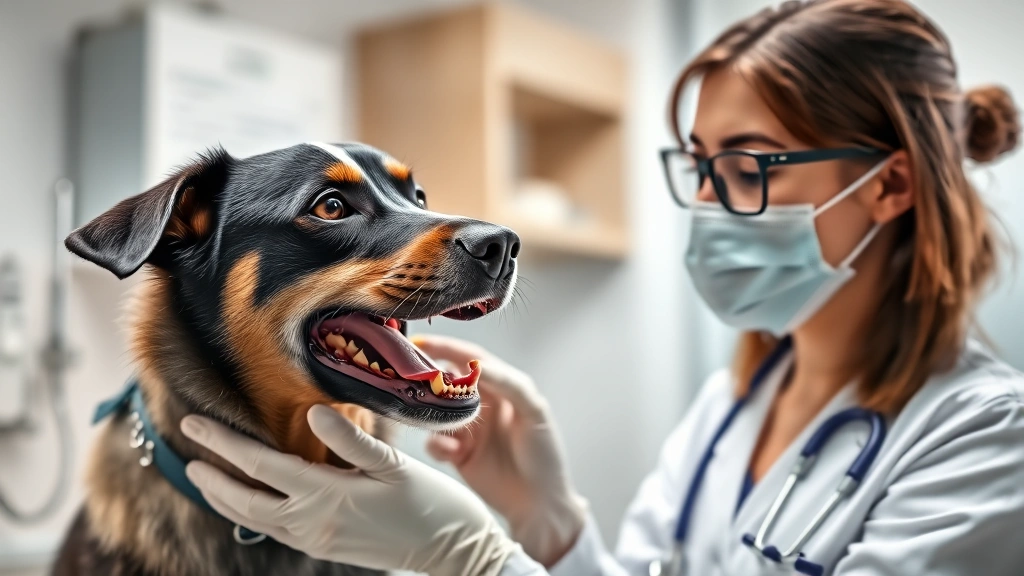
Let’s get the serious stuff out of the way. When your dog stops eating, the first thing you need to do is schedule a vet appointment. I’m not being dramatic here—this is the responsible move.
Your veterinarian can check for dental disease, parasites, infections, or gastrointestinal blockages. They’ll also assess whether your dog is experiencing pain, nausea, or other symptoms that might explain the appetite loss. If your pup has other symptoms like vomiting, diarrhea, lethargy, or excessive drooling, definitely mention those.
Consider setting up a virtual pet checkup if you want a quick initial consultation before heading to the clinic. Sometimes a vet can give you preliminary guidance that saves you a trip.
Solution 2: Switch Up the Food (But Do It Gradually)
Once you’ve ruled out medical issues, boredom might be your culprit. Yes, dogs can get bored with their food. Imagine eating the exact same thing for every single meal—sounds terrible, right?
If your dog is a picky eater and you suspect food fatigue, it’s time to consider switching to a new diet. But here’s the crucial part: never switch dog food cold turkey. Rapid food changes can cause digestive upset, and your dog might refuse the new food entirely if their stomach is already upset.
Instead, follow the 7-10 day transition plan. Mix 25% new food with 75% old food for days 1-2. Then 50/50 for days 3-4. Then 75% new with 25% old for days 5-6. Finally, 100% new food by day 7. This gradual approach lets your dog’s digestive system adjust while giving them time to get excited about the new flavors.
Check out our pet nutrition advice for specific food recommendations that might reignite your dog’s interest in mealtime.
Solution 3: Enhance Their Current Meal With Safe Add-Ins
Sometimes your dog won’t eat their regular kibble, but they’ll devour it if you make it more exciting. This is where food toppers come in—and I’m not talking about junk food.
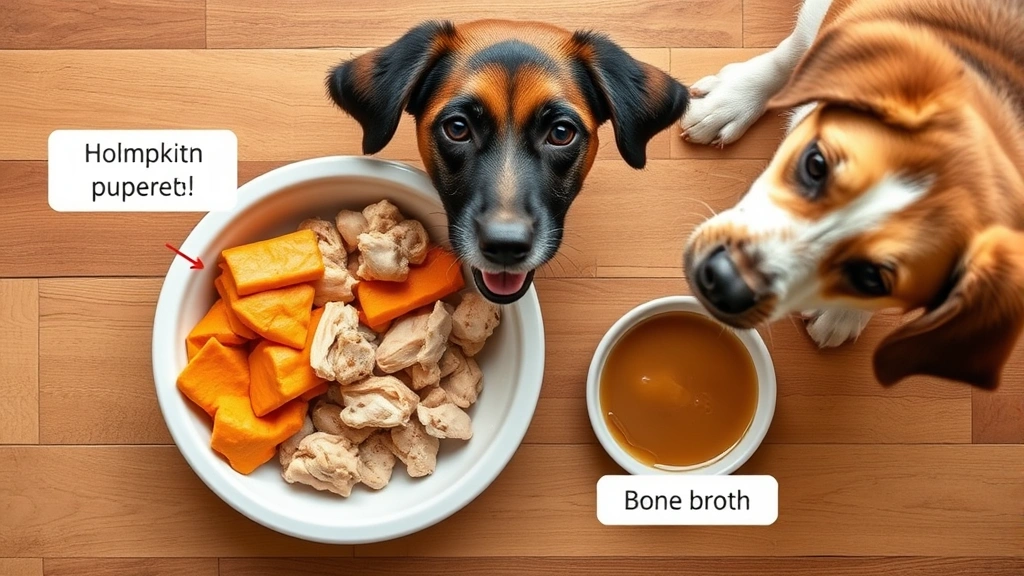
Safe, vet-approved additions can transform a boring bowl into something irresistible. A little warm bone broth (unsalted), a spoonful of plain pumpkin puree, or some cooked chicken breast can make kibble suddenly seem like a gourmet meal. These additions also add moisture to dry food, which some dogs prefer.
Just keep portions small—you don’t want these toppers to throw off your dog’s nutritional balance. And always check our guide on vet-approved human foods for pets to make sure whatever you’re adding is actually safe. Some common foods are toxic to dogs, and you don’t want to accidentally poison your pup while trying to help.
Solution 4: Fix the Feeding Environment and Schedule
Here’s something people often overlook: where and when you feed your dog matters way more than you’d think.
Some dogs won’t eat if their food bowl is in a high-traffic area where they feel stressed or threatened. Others won’t eat if they’re too hot, too cold, or distracted by chaos. Try moving the food bowl to a quiet, comfortable spot away from the hustle and bustle of family life.
Also consider feeding schedules. Free-feeding (leaving food out all day) doesn’t work for every dog. Some do better with scheduled meals—say, breakfast at 7 AM and dinner at 6 PM. This creates routine and actually stimulates appetite. Dogs are creatures of habit, and a consistent schedule can work wonders for a picky eater.
If you have multiple pets, make sure each dog has their own space to eat. Competition or resource guarding can stress some dogs out enough to skip meals entirely.
Solution 5: Address Stress and Anxiety
Just like humans, dogs can lose their appetite when they’re stressed or anxious. Major life changes—moving to a new home, a new pet in the house, or changes in their routine—can trigger appetite loss.
If your dog recently went through a stressful event and won’t eat, give them some extra time and patience. Create a safe, calm space where they can relax. Some dogs benefit from calming supplements or anxiety wraps, but talk to your vet before trying anything new.
In some cases, a temporary appetite stimulant prescribed by your vet can help your dog get back on track while they adjust to their new normal.
When Your Dog Won’t Eat: Red Flags That Need Immediate Attention
Not all appetite loss is created equal. Some situations require emergency veterinary care, and you need to know the difference between “my dog is being picky” and “my dog needs help NOW.”
Seek immediate veterinary attention if your dog won’t eat for more than 24 hours AND shows any of these symptoms: vomiting, diarrhea, abdominal pain or distension, lethargy, difficulty breathing, or unusual behavior. Also watch out for signs of poisoning or toxin ingestion. If you suspect your dog ate something dangerous, check our pet poison hotline resource immediately.
Older dogs and puppies need special attention too. Senior dogs refusing food can indicate serious age-related conditions, while puppies who won’t eat might have parasites or other developmental issues.
Preventing Future Appetite Problems
Once you’ve solved your current crisis, how do you prevent it from happening again? Prevention is always easier than treatment.
Maintain your dog’s health with regular vet checkups, dental care, and appropriate exercise. Keep their food fresh and stored properly—stale kibble is about as appealing to dogs as day-old bread is to us. Rotate proteins occasionally to prevent food boredom, but do it gradually using that 7-10 day transition method we talked about.
Store food in airtight containers and check expiration dates. Bad food is a common culprit behind appetite loss, and pet food safety should never be an afterthought. Keep your dog at a healthy weight—obesity can actually suppress appetite in some cases, which seems counterintuitive but it’s real.
The Picky Eater Myth: Is Your Dog Really Refusing Food?
Here’s a truth bomb: most dogs aren’t picky eaters by nature. A truly healthy dog with no medical issues will eventually eat when they’re hungry enough. If your dog is consistently refusing meals, something’s going on—whether it’s medical, environmental, or behavioral.
That said, some breeds and individual dogs do have more sensitive palates than others. Small breeds sometimes have pickier eating habits than large breeds. And yes, if you’ve been giving your dog table scraps or high-value treats, they might turn their nose up at plain kibble. (This is why consistency matters.)
The key is distinguishing between genuine picky eating and actual appetite loss. A picky eater will eat eventually. A dog with real appetite loss won’t, and that’s when you need to intervene.
Making Mealtime Enjoyable Again
Once you’ve figured out why your dog won’t eat and implemented solutions, focus on making mealtime positive and stress-free. Use upbeat language when it’s feeding time. Keep mealtimes calm and consistent. Some dogs actually benefit from eating alongside their owners—it normalizes the experience and reduces anxiety.
If your dog has had a particularly stressful experience around food (like a previous illness), it might take time to rebuild positive associations with eating. Patience and consistency are your best friends here.
Frequently Asked Questions
How long can a dog go without eating?
Most healthy adult dogs can go 3-5 days without food, but that doesn’t mean they should. If your dog won’t eat for more than 24 hours, contact your vet. Puppies and senior dogs have even lower tolerance and should be seen sooner.
Is it normal for dogs to skip meals occasionally?
Occasionally skipping a meal isn’t necessarily alarming, especially if your dog seems otherwise healthy and happy. However, consistent meal refusal is a sign something needs attention. Track patterns—if your dog skips meals regularly, that’s worth discussing with your vet.
Can I give my dog supplements to stimulate appetite?
Some supplements may help, but never start supplements without vet approval. Your vet needs to rule out medical issues first. Appetite stimulants prescribed by veterinarians are sometimes necessary, but they’re not a substitute for finding the underlying cause.
What’s the best food for a dog that won’t eat?
The “best” food depends on your individual dog. Work with your vet to choose a high-quality diet appropriate for your dog’s age, size, and health status. Some dogs do better on limited ingredient diets, while others need high-protein formulas. There’s no one-size-fits-all answer.
Should I leave food out all day if my dog won’t eat?
Not usually. Free-feeding can encourage picky eating and makes it harder to monitor your dog’s actual intake. Scheduled meals are typically better for appetite regulation and house training.
Final Thoughts: Your Dog Will Eat Again
When your dog won’t eat, it’s stressful. I get it. But take a deep breath. Most appetite issues are manageable once you identify the cause. Start with a vet visit to rule out medical problems, then work through the environmental and behavioral solutions we’ve discussed.
Remember: patience, consistency, and professional guidance are your best tools. Your dog isn’t trying to stress you out—they’re communicating that something’s off. Listen to what they’re telling you, take action, and you’ll likely have them back to their food-loving selves in no time.





