
When your furry best friend comes limping home with a nasty cut, scrape, or puncture wound, knowing how to handle dog wound care can literally be the difference between a quick recovery and a trip to the emergency vet. Dogs are adventurers by nature—they dig, they play, they fight with that aggressive rose bush in your yard—so wounds are practically a rite of passage for our four-legged companions. The good news? Most minor wounds can be managed right at home with some basic knowledge and a steady hand. Let’s break down exactly what you need to know to keep your pup safe and healing fast.
Table of Contents
- Step 1: Assess the Wound Severity (Know When to Panic and When to Stay Calm)
- Step 2: Clean That Wound Like Your Life Depends On It
- Step 3: Dry It Out and Apply the Right Topical Treatment
- Step 4: Bandaging and Protection Strategies
- Step 5: Monitor for Infection and Know When to Call the Vet
- When to Seek Professional Help: The Emergency Red Flags
- Supporting Healing with Proper Nutrition and Rest
- The Prevention Angle: Because an Ounce of Prevention is Worth a Pound of Cure
- Common Mistakes People Make with Dog Wound Care
- Frequently Asked Questions
- Final Thoughts: You’ve Got This
Step 1: Assess the Wound Severity (Know When to Panic and When to Stay Calm)
Before you start playing veterinarian, you need to figure out what you’re actually dealing with. Not every scratch requires professional help, but some wounds absolutely do. Here’s the reality check: if your dog’s wound is gaping open, won’t stop bleeding after 10 minutes of pressure, shows signs of infection, or is deeper than a quarter-inch, get to the vet immediately. Puncture wounds from bites or sharp objects are particularly sneaky because they look small on the surface but can be deep and dirty inside—these almost always need professional attention.
For minor cuts and scrapes, you’ve got this. These are usually the result of your dog’s overzealous playtime and are shallow enough that you can see the surface clearly. If your pup is acting normal, eating, and the wound isn’t spurting blood like a fountain, you’re probably in the DIY dog wound care zone.
Step 2: Clean That Wound Like Your Life Depends On It
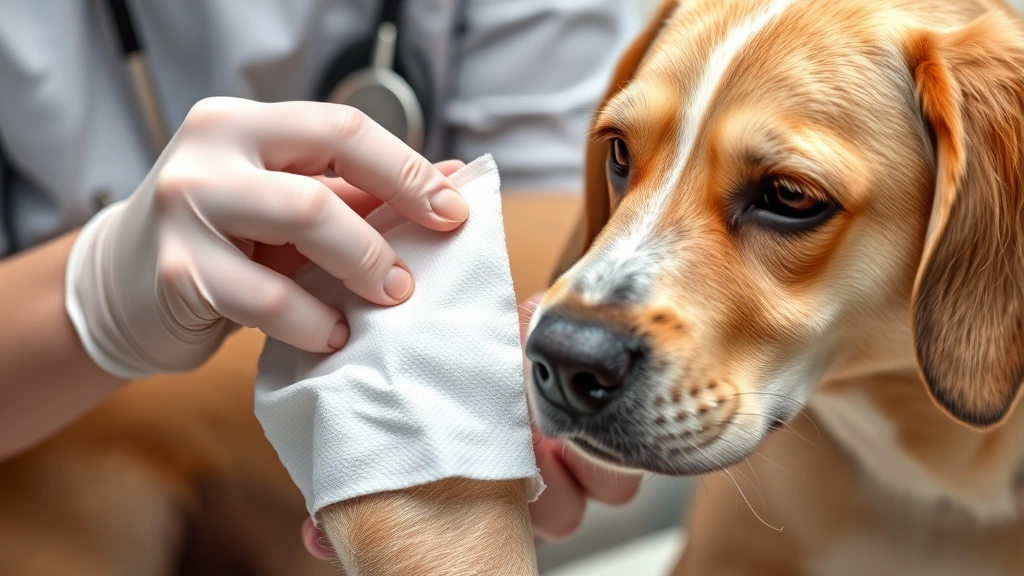
Seriously, cleaning is the MVP of wound care. Dirt, bacteria, and debris are your enemy here. Start by gently flushing the wound with cool running water or saline solution. If you don’t have saline handy, a simple mixture of one teaspoon of salt dissolved in one cup of warm water works beautifully. Use a soft cloth or gauze pad—not cotton balls, which leave fibers behind—and gently wipe away any visible dirt or debris.
If your dog is being dramatic about the whole thing (and let’s be honest, most are), you might need to do this in short sessions. Patience is your friend here. Some vets recommend using a veterinary-approved antiseptic solution, but plain saline is honestly just as effective for most minor wounds and way less likely to irritate your dog’s skin. Avoid hydrogen peroxide and alcohol-based solutions because they can actually damage healthy tissue and slow healing. That’s the opposite of what we want.
Step 3: Dry It Out and Apply the Right Topical Treatment
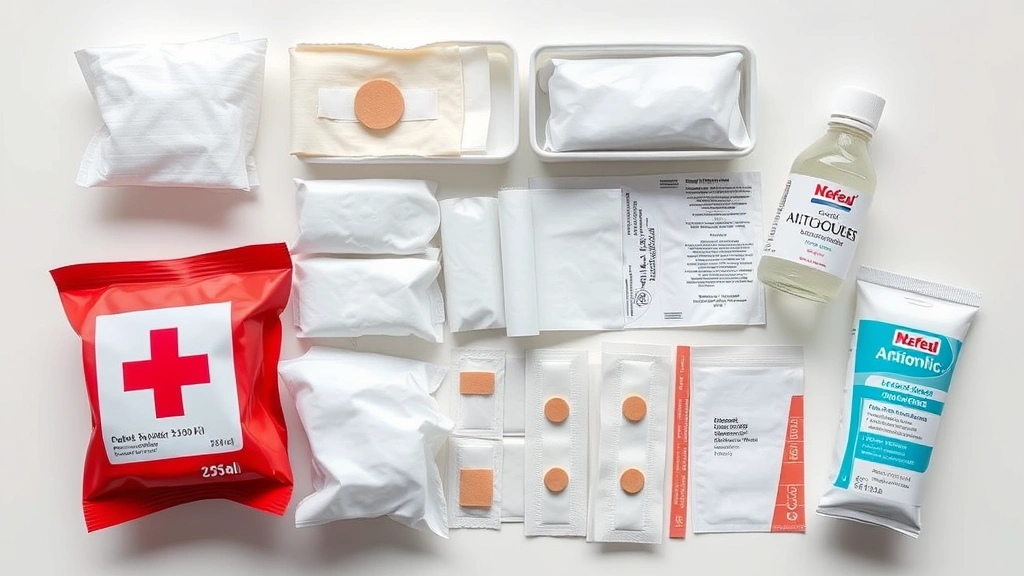
After cleaning, gently pat the wound dry with a clean cloth. Now comes the question everyone asks: what do you actually put on it? Can you use antibiotic ointment on dogs? The short answer is yes, but with caveats. Antibiotic ointments like Neosporin can be helpful, but only if your dog won’t lick it off constantly (spoiler alert: they will). If you do use an ointment, make sure it’s veterinary-approved and doesn’t contain any ingredients that are toxic if ingested.
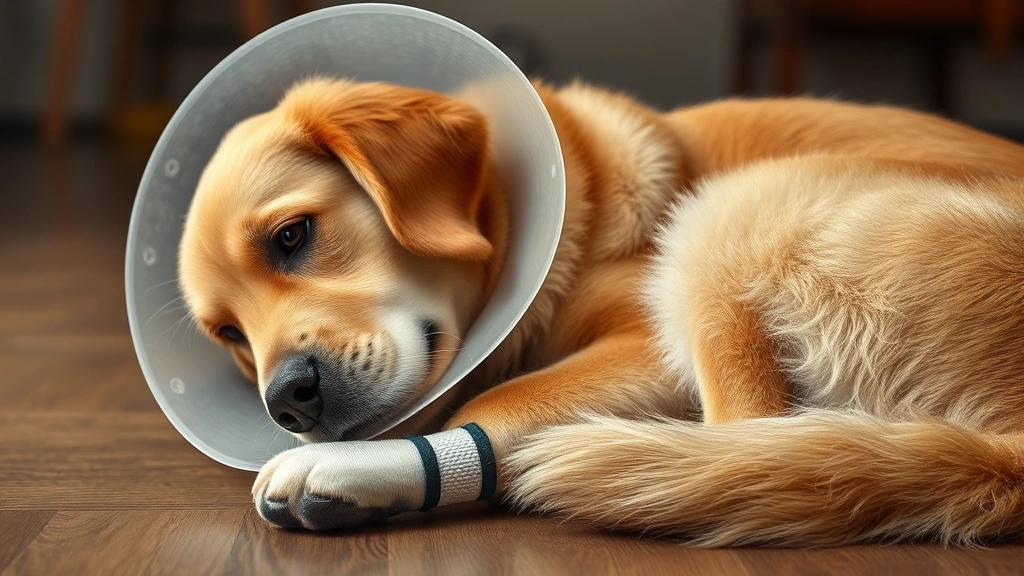
Many vets actually prefer keeping minor wounds clean and dry rather than slathering them with ointment. A light antibiotic powder designed for pets can be a good middle ground. The key is preventing infection while allowing the wound to breathe. If your dog is obsessively licking the wound, you might need to consider an Elizabethan collar—yes, the cone of shame—because constant licking introduces bacteria and prevents healing.
Step 4: Bandaging and Protection Strategies
Whether you need to bandage depends on the wound’s location and your dog’s behavior. A wound on the paw pad? Absolutely bandage it because it’s going to get dirty the moment your pup steps outside. A small cut on the leg that’s not actively bleeding? You might skip the bandage if you can keep your dog from licking it. If you do bandage, use non-stick sterile pads and secure them with vet wrap or self-adhesive bandage tape. Never use regular adhesive tape directly on your dog’s fur—it’s uncomfortable and pulls like crazy when you remove it.
Change bandages daily and check the wound for any signs of increased swelling, discharge, or odor. These are red flags that infection might be setting in, and you’ll need to contact your vet. Keep the bandage clean and dry; a wet bandage is basically a bacteria breeding ground. If your dog is swimming or playing in wet conditions, you might need to wrap the bandage in a plastic bag temporarily.
Step 5: Monitor for Infection and Know When to Call the Vet
The most important part of dog wound care happens after the initial treatment. You’re basically playing detective for the next 7-10 days. Check the wound daily for signs that something’s gone wrong. Increased redness, swelling that gets worse instead of better, discharge that’s thick or discolored, a foul smell, or heat radiating from the area—these all scream infection. If your dog is limping worse, not using the limb, or seems lethargic, don’t wait for the wound to look perfect; call your vet.
Some wounds benefit from oral antibiotics to prevent infection from the inside out. This is especially true for puncture wounds or bites. If you suspect your dog needs antibiotics like Clindamycin for Dogs, get professional guidance rather than guessing. Your vet can culture the wound if needed and prescribe the right medication.
When to Seek Professional Help: The Emergency Red Flags
Let’s be crystal clear about when you absolutely need a vet: deep puncture wounds, bites from other animals, wounds that won’t stop bleeding, wounds on the face or near the eyes, and any wound that shows signs of infection. Also, if your dog hasn’t had a tetanus shot recently and the wound was caused by something rusty or dirty, a vet visit is wise. Some injuries might require stitches, which need to be done within a certain timeframe to be effective.
Don’t let cost anxiety prevent you from seeking help when your pup genuinely needs it. Many vets offer payment plans, and if your dog is in serious distress, an emergency vet for serious injuries is your best bet even if it costs more.
Supporting Healing with Proper Nutrition and Rest
Here’s something people often overlook: your dog’s body needs resources to heal properly. Make sure your pup is getting adequate protein, vitamins, and minerals. Some dogs benefit from anti-inflammatory foods for pets that can support the healing process. Omega-3 fatty acids from fish oil are particularly helpful for wound healing and reducing inflammation.
Rest is equally important. Keep your dog calm and limit strenuous activity while the wound heals. I know, I know—telling a dog to chill out is like telling the ocean to stop having waves. But preventing your pup from running, jumping, and playing rough will significantly speed up recovery and reduce the risk of reopening the wound.
The Prevention Angle: Because an Ounce of Prevention is Worth a Pound of Cure
While we’re talking about dog wound care, let’s chat about preventing wounds in the first place. Regular grooming helps you spot potential issues early. Keep your yard free of sharp objects, broken glass, and hazardous debris. Trim overgrown vegetation that might cause scratches. Use protective booties if your dog regularly walks on rough terrain or hot pavement. And honestly? Supervising playtime and knowing which dogs your pup plays with can prevent fight-related wounds.
If your dog has a chronic condition or is prone to injuries, a virtual vet consultation can help you develop a prevention and management strategy tailored to your specific pup.
Common Mistakes People Make with Dog Wound Care
Let me save you from learning these the hard way. First mistake: using human first aid products on dogs. That fancy antibiotic ointment you use on yourself? Your dog will lick it off and potentially get sick. Second mistake: ignoring small puncture wounds because they “don’t look that bad.” These are infection time bombs. Third mistake: letting your dog lick wounds constantly without intervention. Fourth mistake: assuming a wound is fine because it looks better on day two; infections can develop over time. Fifth mistake: waiting too long to get professional help when something seems off. Trust your gut.
Frequently Asked Questions
How long does it take for a dog wound to heal?
Minor cuts and scrapes typically show significant improvement within 7-10 days, but complete healing can take 2-3 weeks depending on the wound’s depth and location. Deeper wounds or those requiring stitches may take 4-6 weeks to fully heal. Keep in mind that the outer layer might look healed while the deeper tissue is still mending.
Can I use human antibiotic ointment on my dog’s wound?
Technically, Neosporin (triple antibiotic ointment) is sometimes used on dogs, but it’s not ideal because dogs will lick it off and ingest it. Veterinary-approved wound care products are safer and specifically formulated for your dog’s needs. Always check with your vet before applying any human products to your dog’s skin.
What should I do if my dog won’t stop licking their wound?
An Elizabethan collar (cone) is your best bet. It prevents your dog from accessing the wound while it heals. Alternatively, a recovery suit or specially designed wound protectors can work. If your dog is obsessively licking due to itching or pain, contact your vet—there might be an underlying issue that needs addressing.
When should I change my dog’s wound bandage?
Change bandages daily or whenever they become wet, dirty, or loose. More frequent changes might be necessary if the wound is actively draining. Always inspect the wound during bandage changes for signs of infection or complications.
Is it normal for a dog wound to have some discharge?
A small amount of clear or slightly yellowish discharge is normal during the early healing phase. However, thick, foul-smelling, or greenish discharge indicates infection and requires immediate veterinary attention. The amount should decrease over several days.
Can I give my dog pain relief for wound discomfort?
Never give your dog over-the-counter pain medication without veterinary guidance. Some human pain relievers are toxic to dogs. Your vet can prescribe appropriate pain management if your dog seems uncomfortable. Signs of pain include limping, whimpering, or reluctance to use the affected limb.
Final Thoughts: You’ve Got This
Dog wound care doesn’t have to be scary or complicated. Armed with the right knowledge, you can handle most minor wounds confidently and keep your pup comfortable during the healing process. The key is staying vigilant, keeping the wound clean, preventing infection, and knowing when to bring in the professionals. Your dog depends on you to make smart decisions about their health, and honestly, most dog owners are way better at this than they give themselves credit for.
Remember: when in doubt, call your vet. They’d rather answer a “is this normal?” question than treat a preventable infection. Your dog’s health is worth the peace of mind, and you’re doing great by learning how to care for your furry friend properly.





