
If your pup has been scratching like they’re auditioning for a flea circus, a dog yeast infection home remedy might be exactly what you need to bring relief. Yeast infections in dogs are more common than you’d think—especially in those adorable floppy-eared breeds—and the good news is that several natural solutions can help your furry friend feel better without immediately raiding your vet’s pharmaceutical cabinet.
Table of Contents
- Understanding Canine Yeast Infections: Why They Happen
- Solution #1: Apple Cider Vinegar Soaks for Yeast Relief
- Solution #2: Coconut Oil—Nature’s Antifungal Powerhouse
- Solution #3: Probiotics—Rebuilding the Good Bacteria Army
- Solution #4: Omega-3 Supplements for Skin Barrier Support
- Solution #5: Dietary Changes and Elimination Diets
- The Bathing Strategy: Medicated Baths at Home
- Prevention: Stopping Yeast Before It Starts
- When to See a Vet: Don’t DIY Everything
- Combining Remedies for Maximum Effectiveness
- Summary: Your Dog Yeast Infection Home Remedy Action Plan
- Frequently Asked Questions
Before we dive into the remedies, let’s be real: if your dog’s condition is severe or doesn’t improve within a week or two, you absolutely need to see a vet. But for mild to moderate cases, these home remedies can be game-changers.
Understanding Canine Yeast Infections: Why They Happen
Yeast loves warm, moist environments—basically your dog’s ears, paws, and skin folds are like a five-star resort for the Malassezia yeast. Factors like allergies, hormonal imbalances, or a weakened immune system create the perfect storm for yeast overgrowth. Your dog might develop a yeast infection after swimming, excessive antibiotic use, or simply because their immune system needs some backup.
The telltale signs? Relentless scratching, a distinctive musty odor, red or inflamed skin, and sometimes crusty or greasy patches. If you notice these symptoms, it’s time to act.
Solution #1: Apple Cider Vinegar Soaks for Yeast Relief
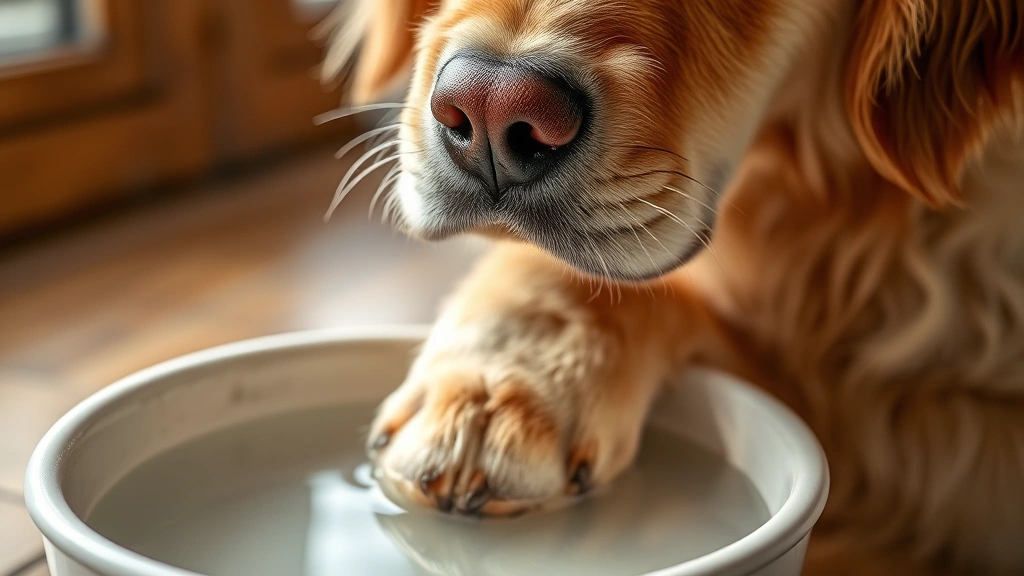
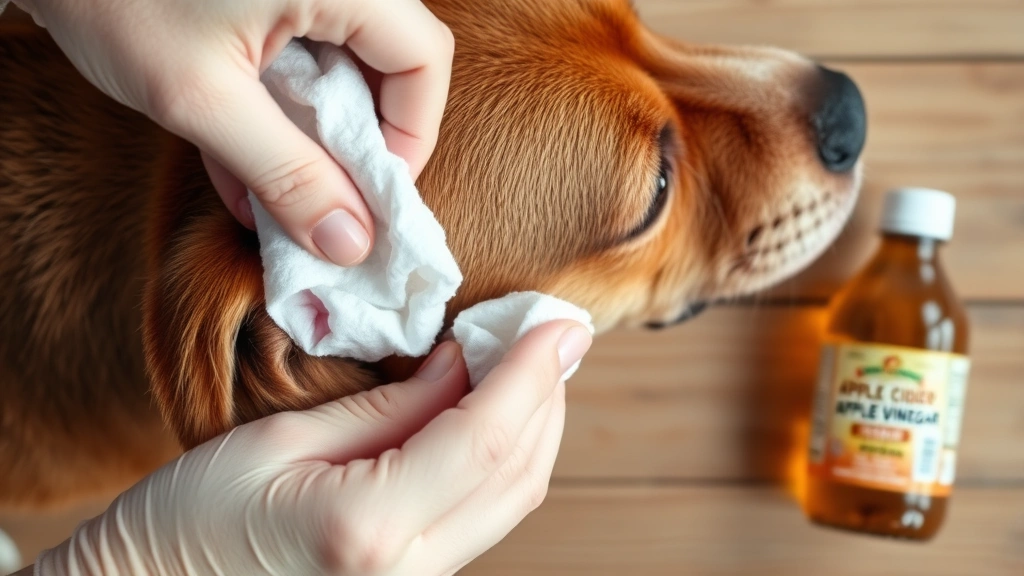
Apple cider vinegar is like the Swiss Army knife of pet remedies. The acidity creates an environment where yeast absolutely hates to live. For a dog yeast infection home remedy using ACV, mix equal parts raw, unfiltered apple cider vinegar and filtered water in a spray bottle or bowl.
For paws, let your dog soak their feet in the solution for 5-10 minutes daily. For ears, use a cotton ball to gently clean the ear canal with the mixture. For general skin issues, spray affected areas and let them air dry. Pro tip: Some dogs find the smell questionable, so don’t be surprised if your pup gives you the stink eye. The results, however, speak for themselves—most owners see improvement within 3-5 days.
Just avoid using this on open wounds or if your dog has raw, bleeding skin. And never use apple cider vinegar that’s been diluted with anything other than water.
Solution #2: Coconut Oil—Nature’s Antifungal Powerhouse
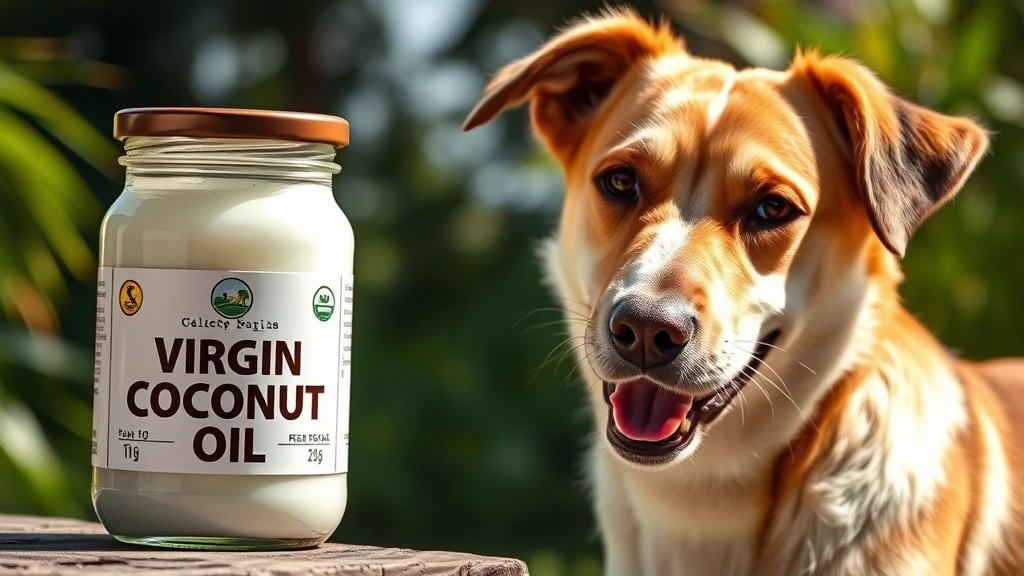
Coconut oil contains lauric acid and caprylic acid, both of which have legitimate antifungal properties. This makes it an excellent natural yeast infection remedy for dogs. Apply virgin, unrefined coconut oil directly to affected skin areas 2-3 times daily. For ear infections, warm the oil slightly and use a dropper to apply a few drops into the ear canal, then gently massage.
The best part? If your dog licks it off (and they will), it’s completely safe and actually beneficial for their coat and digestion. You can also incorporate coconut oil into their diet by adding a teaspoon to their food daily. Check out our guide on anti-inflammatory foods for pets to see how coconut oil fits into a broader wellness strategy.
Start with small amounts if adding to food, as too much can cause digestive upset in sensitive pups.
Solution #3: Probiotics—Rebuilding the Good Bacteria Army
Here’s the thing about yeast: it thrives when beneficial bacteria are depleted. Probiotics restore the balance of your dog’s microbiome, making it harder for yeast to set up camp. Look for dog-specific probiotic supplements containing strains like Lactobacillus and Bifidobacterium.
You can also incorporate probiotic-rich foods like plain, unsweetened yogurt or kefir into their diet (just make sure it doesn’t contain xylitol, which is toxic to dogs). A tablespoon of plain yogurt daily can make a surprising difference over 2-3 weeks. For a more comprehensive approach to dietary support, explore our immune boosting foods for pets resource.
Probiotics work best as a preventative measure and alongside other remedies, not as a standalone solution for active infections.
Solution #4: Omega-3 Supplements for Skin Barrier Support
Omega-3 fatty acids strengthen your dog’s skin barrier and reduce inflammation—two things that help fight yeast naturally. Fish oil supplements or foods rich in omega-3s (like salmon) can improve skin health and reduce the itching that drives dogs crazy.
The anti-inflammatory benefits mean your dog will scratch less, which prevents further skin damage that yeast loves to exploit. Most vets recommend fish oil supplements at a dose of about 20mg per pound of body weight daily, but always check with your vet first. Within 4-6 weeks, you should notice healthier, shinier skin and less itching overall.
Solution #5: Dietary Changes and Elimination Diets
Sometimes yeast infections aren’t just a skin problem—they’re a symptom of underlying food allergies or sensitivities. Common culprits include wheat, corn, soy, and excessive carbohydrates (which yeast absolutely loves). Switching to a bland diet for sick pets can help identify triggers while giving your dog’s system a reset.
Consider an elimination diet where you remove suspected allergens for 6-8 weeks, then reintroduce them one at a time to identify what’s causing problems. Many owners find that simply reducing carbs and increasing quality protein dramatically reduces yeast issues. For more guidance on dietary adjustments, check out our pet dietary restrictions guide.
This approach takes patience but often addresses the root cause rather than just treating symptoms.
The Bathing Strategy: Medicated Baths at Home
Regular bathing with antifungal shampoos can be part of your home remedy arsenal. Look for shampoos containing miconazole or ketoconazole—these are available over-the-counter and effective for mild yeast infections. Bathe your dog 2-3 times weekly, making sure to let the shampoo sit on the skin for 10 minutes before rinsing.
Between baths, keep your dog’s skin dry and clean. After swimming or bathing, thoroughly dry all skin folds, ears, and paws. Moisture is yeast’s best friend, so preventing dampness is half the battle.
Prevention: Stopping Yeast Before It Starts
The best home remedy is prevention. Keep your dog’s ears clean and dry, especially after water exposure. Trim hair around the ears and paws to improve air circulation. Maintain a healthy diet rich in nutrients and low in unnecessary carbs. Regular grooming helps you spot early signs of yeast before they become serious problems.
If your dog is prone to yeast infections, consider adding a maintenance dose of probiotics and omega-3s year-round. Some owners swear by a weekly apple cider vinegar rinse as preventative maintenance.
When to See a Vet: Don’t DIY Everything
Listen, home remedies are fantastic, but they’re not magic. If your dog’s yeast infection doesn’t improve within 7-10 days, spreads to new areas, or causes excessive bleeding or discharge, it’s vet time. Severe infections might require prescription antifungals, antibiotics for secondary bacterial infections, or investigation into underlying conditions like allergies or hormonal issues.
Also, if you’re not 100% sure it’s yeast (it could be mites, bacteria, or something else entirely), a vet visit for proper diagnosis is worth every penny. According to the American Kennel Club, proper diagnosis is crucial for effective treatment.
Combining Remedies for Maximum Effectiveness
The real magic happens when you combine multiple approaches. Try using apple cider vinegar soaks while also supplementing with probiotics and adding coconut oil to their diet. This multi-pronged attack addresses yeast from different angles—killing the fungus, reducing inflammation, strengthening the skin barrier, and restoring healthy bacteria.
Most owners see noticeable improvement within 2-3 weeks with a comprehensive approach, and complete resolution within 4-6 weeks for mild to moderate infections.
Summary: Your Dog Yeast Infection Home Remedy Action Plan
Fighting a dog yeast infection with home remedies is absolutely doable with the right approach. Start with apple cider vinegar soaks or coconut oil application for immediate relief, add probiotics and omega-3s for long-term skin health, and consider dietary adjustments to address root causes. Keep the affected areas clean and dry, bathe with appropriate shampoos, and monitor progress closely.
Remember: mild infections respond great to home care, but severe cases need professional veterinary attention. When in doubt, call your vet. Your pup will thank you for bringing relief to their itchy, uncomfortable situation.
Frequently Asked Questions
How long does it take for a dog yeast infection home remedy to work?
Most dogs show improvement within 3-7 days with consistent home remedy treatment. However, complete resolution typically takes 4-6 weeks. If you don’t see any improvement after a week, consult your veterinarian as the infection might be more severe or require prescription treatment.
Can I use human antifungal cream on my dog?
Some human antifungal creams are safe for dogs, but others contain ingredients that can be toxic if ingested (which dogs will absolutely do by licking). Always check with your vet before using any human products on your dog. Stick with dog-specific products or natural remedies unless your vet specifically recommends otherwise.
Is apple cider vinegar safe for dogs with open wounds?
No, apple cider vinegar should never be applied to open, bleeding, or severely raw skin. The acidity will cause pain and burning. Wait until the skin has begun to heal before using ACV soaks. For raw areas, stick with coconut oil or consult your vet about appropriate wound care.
What’s the difference between yeast and bacterial skin infections in dogs?
Yeast infections typically smell musty or corn chip-like, while bacterial infections often smell more pungent. Yeast causes intense itching and red, greasy patches, while bacterial infections might produce pustules or oozing. A vet can confirm which you’re dealing with using a simple skin scraping or culture test.
Can diet really help prevent yeast infections?
Absolutely. Yeast thrives on carbohydrates and sugar, so a high-quality, low-carb diet can significantly reduce yeast problems. Additionally, food allergies often trigger yeast overgrowth by compromising the immune system. Addressing dietary issues can prevent recurrent infections entirely.
Should I stop giving my dog antibiotics if they develop a yeast infection?
Never stop prescribed antibiotics without consulting your vet, even if a yeast infection develops. However, do tell your vet about the yeast infection—they might recommend probiotics or antifungal treatment alongside the antibiotics. The infection might actually be a sign that probiotics are needed during antibiotic therapy.





