
When your pup starts hacking up dog yellow vomit, it’s enough to make any pet parent’s stomach turn. That bright, neon-yellow stuff isn’t just gross—it’s your dog’s way of sending an SOS signal that something’s off. But don’t panic just yet. We’re breaking down exactly what that yellow bile means, why your furry friend is doing it, and most importantly, how to fix it.
Table of Contents
- What Is That Yellow Stuff, Anyway?
- Cause #1: Empty Stomach Syndrome (Bilious Vomiting Syndrome)
- Cause #2: Gastroenteritis and Inflammation
- Cause #3: Pancreatitis—The Sneaky Culprit
- Cause #4: Food Allergies and Sensitivities
- Cause #5: Intestinal Blockages and Serious GI Issues
- When to Call the Vet (Seriously, Don’t Wait)
- Proven Solutions: What Actually Works
- Prevention: Stop Yellow Vomit Before It Starts
- When Vomiting Becomes a Pattern
- Frequently Asked Questions
- The Bottom Line
What Is That Yellow Stuff, Anyway?
Let’s get scientific for a second (but keep it real). That yellowish liquid your dog is spewing is bile—a digestive fluid produced by the liver and stored in the gallbladder. Normally, bile hangs out in the small intestine doing its job: breaking down fats and helping with digestion. But when your dog vomits yellow, it means bile is making an unwanted appearance in the stomach and coming right back up. Not fun for anyone involved.
The color intensity can vary from pale yellow to bright neon, depending on the bile concentration and how long it’s been sitting there. Sometimes you’ll see it mixed with food, sometimes completely on its own. Both scenarios warrant attention, but for different reasons.
Cause #1: Empty Stomach Syndrome (Bilious Vomiting Syndrome)
Here’s a weird one: sometimes dog yellow vomit happens because your dog’s stomach is TOO empty. Seriously. When there’s no food in the stomach to absorb the bile, it just sits there irritating the stomach lining until your pup hurls. This is especially common in dogs who eat one meal a day or go long stretches without food.

This condition, called Bilious Vomiting Syndrome (BVS), is like your dog’s stomach throwing a tantrum. The fix? Feed smaller, more frequent meals. Instead of one big dinner, try two or three smaller portions spread throughout the day. You can also give a small snack before bedtime to keep something in that stomach overnight.
Cause #2: Gastroenteritis and Inflammation
When your dog’s stomach and intestines get inflamed—whether from eating something sketchy, food sensitivities, or an infection—they’re basically staging a revolt. Gastroenteritis makes the GI tract super irritable, triggering vomiting. Your dog might also have diarrhea, lethargy, or loss of appetite alongside the yellow vomit.
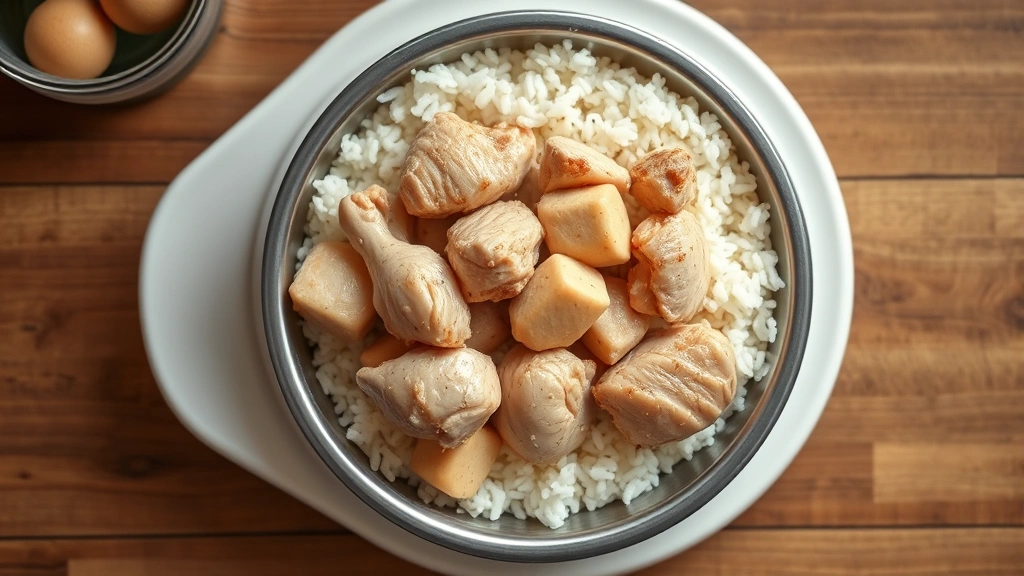
This is where bland diet recipes for sick pets become your best friend. Boiled chicken and rice, plain pumpkin, or sweet potato can soothe an angry digestive system. But if the vomiting persists beyond 24 hours, it’s vet time.

Cause #3: Pancreatitis—The Sneaky Culprit
Pancreatitis is inflammation of the pancreas, and it’s more common than most dog owners realize. It often strikes after dogs eat fatty foods (hello, table scraps and fatty treats), but can also develop from other triggers. The pancreas gets inflamed, digestion goes haywire, and boom—yellow vomit city.
Dogs with pancreatitis usually show other signs: severe abdominal pain, hunched posture, loss of appetite, and sometimes diarrhea. This isn’t something to mess around with at home. Your vet needs to run blood tests to confirm, and your pup will need treatment. In the meantime, check out what not to feed your dog to prevent future episodes.
Cause #4: Food Allergies and Sensitivities
Some dogs’ digestive systems are pickier than a toddler at dinner. Food allergies in pets can trigger vomiting, especially yellow bile vomiting. Common culprits include chicken, beef, wheat, and dairy. If your dog’s been vomiting yellow regularly and you’ve ruled out other causes, a food sensitivity might be the villain.

The solution involves an elimination diet—removing suspected triggers and slowly reintroducing foods to identify the problem. It’s tedious but worth it for your pup’s comfort. Your vet can recommend hypoallergenic dog food options or suggest an elimination diet protocol.
Cause #5: Intestinal Blockages and Serious GI Issues
This is the scary one. If your dog ate something they shouldn’t have—a toy, socks, string, or other foreign object—it could be blocking the intestines. Intestinal blockages cause repeated vomiting, including yellow bile vomit, along with loss of appetite, abdominal pain, and lethargy. This is a medical emergency requiring immediate veterinary attention.
Other serious GI issues like inflammatory bowel disease, liver disease, or gallbladder problems can also trigger yellow vomiting. These conditions need professional diagnosis and treatment, so don’t try to self-diagnose at home.
When to Call the Vet (Seriously, Don’t Wait)
One episode of yellow vomit? Probably not an emergency, but keep an eye on things. However, call your vet immediately if your dog:
- Vomits repeatedly over a few hours or multiple days
- Shows signs of abdominal pain (hunched posture, whining, restlessness)
- Has bloody vomit or vomit with a foul smell
- Stops eating or drinking
- Becomes lethargic or unresponsive
- Has diarrhea or constipation alongside vomiting
- Might have eaten something toxic or inedible
When in doubt, use pet telehealth services to get quick professional advice before symptoms escalate.
Proven Solutions: What Actually Works
Once your vet has ruled out serious conditions, here’s how to help your pup recover:

Meal Timing and Size: Feed smaller portions more frequently. This prevents the empty stomach issue that triggers bilious vomiting. Instead of one 2-cup meal, try three 0.75-cup meals spread throughout the day.
Bland Diet Recovery: Stick to easily digestible foods like boiled chicken, plain rice, sweet potato, and pumpkin puree. Avoid anything fatty, spicy, or high in fiber during recovery. Check pet nutrition advice for specific meal plans tailored to your dog’s needs.
Hydration: Offer small amounts of water frequently rather than one big bowl. Dehydration makes everything worse, so keep that water intake consistent.

Medication: Your vet might prescribe anti-nausea medication, probiotics, or digestive enzymes. Follow the instructions exactly—don’t skip doses thinking your dog is “better now.” If your pup refuses medication, appetizing foods for pets on medication can help you sneak it in.
Gradual Food Transitions: When reintroducing regular food, do it slowly over 7-10 days. Mix increasing amounts of their normal kibble with the bland diet to let their stomach adjust gradually.
Prevention: Stop Yellow Vomit Before It Starts
The best medicine is prevention, right? Here’s how to keep yellow vomit from becoming a regular party guest:
- Stick to a feeding schedule: Regular meal times keep the digestive system running smoothly and prevent empty stomach issues.
- Avoid table scraps: Especially fatty foods. Your dog’s stomach isn’t built for human food drama.
- Keep toxic foods away: Chocolate, grapes, onions, and xylitol are dangerous. So is anything moldy or spoiled.
- Control treat intake: Treats should be no more than 10% of daily calories.
- Slow down fast eaters: Use puzzle feeders or slow-feed bowls to prevent gulping, which can trigger vomiting.
- Regular vet checkups: Catch underlying issues before they become big problems.
- Watch for food sensitivities: If your dog seems to vomit after eating certain foods, eliminate them and consult your vet.
When Vomiting Becomes a Pattern
If your dog is a chronic yellow vomiter, don’t just accept it as normal. Repeated vomiting indicates an underlying problem that needs addressing. Your vet might recommend:
- Blood work to check liver, pancreas, and kidney function
- Ultrasound imaging to rule out blockages or organ issues
- Endoscopy to visualize the stomach and intestines
- Specialized diet trials to identify food triggers
- Long-term medication management for chronic conditions
Chronic vomiting affects your dog’s nutrition, hydration, and quality of life. Getting to the root cause is worth the veterinary investment.
Frequently Asked Questions
Is yellow vomit in dogs always serious?
Not always, but it’s never normal. Occasional yellow vomit might just be bilious vomiting syndrome from an empty stomach. However, repeated or persistent yellow vomit warrants veterinary evaluation to rule out serious conditions like pancreatitis, blockages, or liver disease.

Can I treat dog yellow vomit at home?
For mild cases with no other symptoms, you can try feeding smaller, more frequent meals and offering a bland diet. However, if vomiting continues beyond 24 hours, your dog shows pain, or other symptoms appear, professional veterinary care is necessary. Never assume home treatment will work for serious conditions.
What’s the difference between yellow vomit and other colors?
Yellow or greenish vomit indicates bile and usually means the stomach is empty or there’s GI inflammation. Clear or white vomit suggests gastric juices without food. Brown or bloody vomit requires immediate veterinary attention. The color tells your vet important diagnostic clues.
How long does it take for a dog to recover from vomiting?
Recovery time depends on the cause. Bilious vomiting syndrome improves within days with meal adjustments. Gastroenteritis typically resolves in 3-7 days with bland diet and rest. Serious conditions like pancreatitis or blockages require longer treatment and recovery periods. Always follow your vet’s timeline, not your gut feeling.

Can diet change cause yellow vomit?
Absolutely. Sudden diet changes can upset the digestive system and trigger vomiting. Always transition new food gradually over 7-10 days, mixing increasing amounts of new food with the old. This gives your dog’s gut bacteria time to adjust.
Is yellow vomit a sign of liver disease?
It can be, but it’s not the only sign. Liver disease might also cause lethargy, loss of appetite, jaundice (yellowing of eyes and gums), or abdominal swelling. Yellow vomit alone doesn’t confirm liver disease, but it’s reason enough to get blood work done.
The Bottom Line
When your dog starts producing dog yellow vomit, your first instinct to investigate is spot-on. That yellow bile is a message from your pup’s digestive system that something needs attention. Whether it’s as simple as an empty stomach or something more complex like pancreatitis, the solution starts with understanding the cause.
Most cases of yellow vomiting respond well to dietary adjustments, meal timing changes, and veterinary guidance. The key is not ignoring it or assuming it’ll go away on its own. Your dog depends on you to notice these signs and take action. Feed smaller meals more often, avoid fatty foods, keep toxic items away, and don’t hesitate to call your vet when things seem off.
Your pup will thank you—and so will your carpet.





