

Here’s the truth: dogs and down syndrome is a topic that confuses a lot of pet owners, and honestly, that’s completely understandable. Can dogs even get Down syndrome? The short answer is no—not in the way humans do. But dogs absolutely can have genetic and chromosomal conditions that create similar symptoms and behavioral challenges. If you’ve noticed your pup acting a little different, struggling with coordination, or displaying unusual behaviors, this guide will help you understand what might actually be going on and how to support your furry friend.
Table of Contents
- Can Dogs Actually Have Down Syndrome?
- What Genetic Conditions Mimic Down Syndrome in Dogs?
- Physical Signs Your Dog Might Have a Chromosomal Condition
- Behavioral and Cognitive Signs to Watch For
- How Vets Diagnose Chromosomal Abnormalities
- Managing Care for Dogs with Down Syndrome-Like Conditions
- Health Complications Associated with Canine Down Syndrome-Like Conditions
- The Emotional Side: Loving a Dog with Special Needs
- Breeding and Prevention
- Frequently Asked Questions
- Summary: Living with a Dog with Down Syndrome-Like Conditions
Can Dogs Actually Have Down Syndrome?
Let’s clear this up right away: dogs cannot technically have Down syndrome. Down syndrome in humans occurs due to trisomy 21—an extra copy of chromosome 21. Dogs have 39 pairs of chromosomes (78 total), while humans have 23 pairs (46 total). The genetic structure is completely different, so the specific condition doesn’t translate to our canine companions.
However—and this is important—dogs can inherit chromosomal abnormalities and genetic disorders that produce symptoms remarkably similar to Down syndrome in humans. These conditions might include aneuploidy (an abnormal number of chromosomes) or other genetic mutations that affect development, cognitive function, and physical traits.
What Genetic Conditions Mimic Down Syndrome in Dogs?
When vets talk about canine down syndrome-like conditions, they’re usually referring to several possibilities:
Aneuploidy: This is when a dog is born with an abnormal number of chromosomes. It’s rare but documented in veterinary medicine. Dogs with aneuploidy might display intellectual disabilities, developmental delays, and distinctive physical features.
Congenital Heart Defects: Just like humans with Down syndrome often have heart issues, dogs with chromosomal abnormalities frequently experience congenital heart problems. These can range from mild murmurs to serious conditions requiring intervention.
Intellectual Disability: Some dogs are born with cognitive impairments that affect their ability to learn, process commands, and interact socially. This isn’t stupidity—it’s a genuine neurological condition.
Cerebellar Hypoplasia: This condition involves underdevelopment of the cerebellum, the brain region controlling coordination and balance. Dogs with this condition appear clumsy, uncoordinated, and might have tremors.
Physical Signs Your Dog Might Have a Chromosomal Condition
If your dog has a genetic condition similar to Down syndrome, you might notice these physical characteristics:
Unusual facial features—a broader face, slanted eyes, or an odd expression. Shortened limbs or an oddly proportioned body. Low muscle tone (hypotonia), making your dog seem floppy or weak. A protruding tongue or difficulty controlling mouth movements. Stunted growth or being significantly smaller than littermates. Heart murmurs detected during vet checkups. Digestive issues, including the kind of constipation in dogs that requires dietary management.
Behavioral and Cognitive Signs to Watch For
Beyond physical traits, dogs with chromosomal abnormalities often display behavioral differences:
Slower learning ability—taking longer to housetrain or learn basic commands. Difficulty with problem-solving or adapting to new environments. Reduced social interaction with other dogs or people. Increased anxiety or fear responses. Unusual repetitive behaviors or stimming. Difficulty with coordination and balance, appearing clumsy even on flat surfaces. Extreme clinginess or separation anxiety.
These signs don’t mean your dog is broken or unlovable. Many dogs with these conditions live happy, fulfilling lives with proper support and care.
How Vets Diagnose Chromosomal Abnormalities
If you suspect your dog has a chromosomal condition, your vet will start with a thorough physical exam and health history. They might recommend:
Genetic Testing: A blood test can reveal chromosomal abnormalities, though it’s expensive and not routinely done unless there’s a specific reason.
Imaging: X-rays or ultrasounds help identify heart defects, skeletal abnormalities, or organ issues.
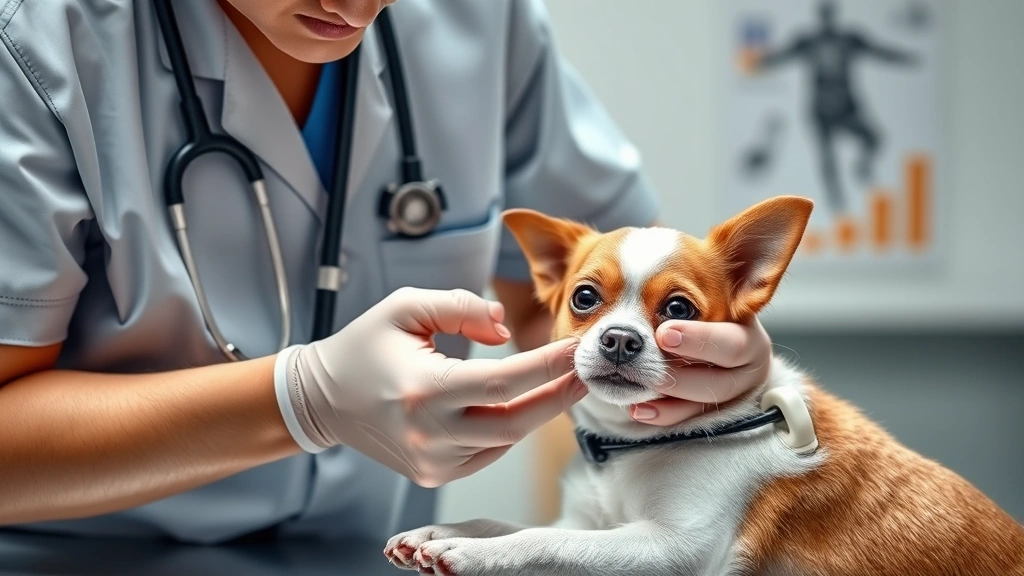
Behavioral Assessment: Your vet will evaluate your dog’s cognitive function and compare development to breed standards.
Specialist Referrals: A veterinary cardiologist might examine your dog’s heart, while a neurologist could assess brain function. Using remote pet health monitoring tools can help track symptoms between appointments.
Managing Care for Dogs with Down Syndrome-Like Conditions
Here’s the good news: dogs with chromosomal conditions can thrive with proper management. Your approach should include:
Consistent Routine: Dogs with cognitive differences benefit enormously from predictable schedules. Same feeding times, same potty breaks, same sleep schedule. This reduces anxiety and helps them feel secure.
Simplified Training: Use shorter training sessions with high-value rewards. Break commands into smaller steps. Patience is everything—celebrate small wins.
Safe Environment: Remove hazards that could cause injury due to coordination issues. Use baby gates to prevent falls down stairs. Provide non-slip flooring.
Dietary Support: Many dogs with these conditions have sensitive digestive systems. Work with your vet on appropriate nutrition. Bland diet recipes for sick pets can be helpful, and virtual vet consultation for diet questions makes getting professional advice easier.
Regular Veterinary Care: More frequent checkups help catch complications early. Monitor for heart issues, digestive problems, and infections.
Socialization: Controlled, positive interactions with other dogs and people help build confidence. Keep it low-stress and always supervise.
Health Complications Associated with Canine Down Syndrome-Like Conditions
Dogs with chromosomal abnormalities face higher risks for certain health issues:
Heart Disease: Congenital heart defects are common. Regular cardiac exams are essential. Your vet might recommend medication or dietary restrictions.
Gastrointestinal Issues: Constipation, diarrhea, and food sensitivities are frequent. Human foods for pets with sensitive stomachs can sometimes help, but always consult your vet first.
Immune System Weakness: These dogs might get infections more easily and take longer to recover.
Seizures: Some dogs develop seizure disorders. Your vet can prescribe medication to manage them.
Vision and Hearing Problems: Chromosomal conditions can affect sensory organs. Regular eye and ear checks are important.

In emergencies, telehealth advice for pet poisoning or other urgent situations can provide quick professional guidance when you can’t immediately get to a vet clinic.
The Emotional Side: Loving a Dog with Special Needs
Finding out your dog has a chromosomal condition can feel heavy. You might worry about their quality of life, wonder if you’re doing enough, or feel guilty about their challenges. Here’s what matters: dogs don’t understand they’re “different.” They live in the moment. Your dog with special needs doesn’t feel sorry for itself—it just wants your love, consistency, and care.
Many owners of dogs with Down syndrome-like conditions report that their dogs are incredibly loving, affectionate, and rewarding companions. Yes, they require more patience and attention. Yes, medical bills might be higher. But the bond you develop is often deeper than with a “typical” dog.
Connect with other owners of special needs dogs. Online communities and local support groups provide practical advice, emotional support, and the knowledge that you’re not alone in this journey.
Breeding and Prevention
If your dog has a chromosomal condition, they shouldn’t be bred. Responsible breeders screen for genetic conditions and avoid breeding dogs that carry problematic genes. If you’re considering getting a dog, ask breeders about health testing and genetic screening. Reputable breeders will have documentation of health clearances for both parents.
Rescue dogs with special needs also deserve homes. Many shelters have dogs with undiagnosed or diagnosed conditions that need loving families willing to provide extra care.
Frequently Asked Questions
Is Down syndrome in dogs fatal?
Down syndrome-like conditions themselves aren’t directly fatal, but associated complications—like severe heart defects or seizure disorders—can be life-threatening. With proper medical management, many dogs live normal lifespans. Life expectancy depends on the severity of the condition and how well complications are managed.
Can a dog with Down syndrome live a normal life?
Absolutely. Many dogs with chromosomal abnormalities live happy, fulfilling lives. They might need extra patience, specialized care, and more frequent vet visits, but they can enjoy playtime, training, socialization, and all the things regular dogs enjoy. “Normal” is relative—their normal just looks a little different.
How much does it cost to care for a dog with Down syndrome?
Costs vary widely depending on the severity of the condition and complications. Expect higher veterinary bills due to frequent checkups, specialist visits, and potential medications. Special diets, physical therapy, or behavioral training might add costs. Some owners spend $1,000-$5,000+ annually, while others spend less. Pet insurance might help, though pre-existing conditions are typically excluded.
Will my dog’s condition get worse over time?
It depends on the specific condition. Some chromosomal abnormalities remain stable throughout life. Others might progress slowly. Regular vet monitoring helps catch changes early. The key is staying proactive with healthcare and adjusting your management approach as your dog ages.
Can dogs with Down syndrome-like conditions be trained?
Yes, but training might look different. These dogs often learn more slowly and need more repetition. Keep sessions short, use high-value rewards, and break commands into tiny steps. Focus on essential behaviors like housetraining and basic safety commands. Celebrate progress, no matter how small.
Should I get a second dog if my dog has Down syndrome?
Proceed cautiously. Some dogs with special needs do well with a companion; others find it stressful. Consider your dog’s temperament, social history, and the severity of their condition. A calm, patient companion dog might help; an energetic puppy could overwhelm them. Always introduce slowly and supervise interactions.
Summary: Living with a Dog with Down Syndrome-Like Conditions
Dogs and down syndrome might seem like a scary diagnosis, but understanding what you’re actually dealing with is the first step toward providing excellent care. While dogs can’t have Down syndrome specifically, they can inherit chromosomal abnormalities that create similar challenges. The good news? These dogs can live wonderful lives with proper support, consistent care, and lots of love.
Your role as an owner is to provide a safe environment, maintain regular veterinary care, adapt training methods, and show patience. Yes, it requires more effort than caring for a typical dog. But the reward—a loyal, loving companion who depends on you and thrives because of your dedication—is immeasurable.
If you suspect your dog has a chromosomal condition, talk to your vet. Get a proper diagnosis, understand the specific challenges your dog faces, and develop a management plan. Connect with other owners of special needs dogs. Most importantly, remember that your dog’s worth isn’t diminished by their differences. They’re still your best friend, still capable of bringing joy, and still deserving of a full, happy life.





