
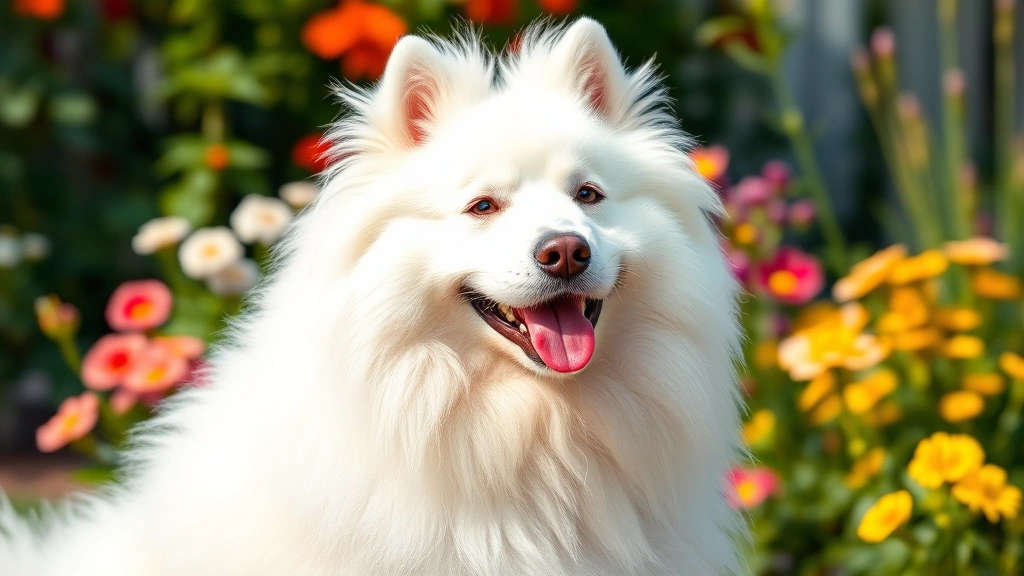
If you’re searching for dogs that are white and fluffy, congratulations—you’re about to discover some of the most adorable, cloud-like companions on the planet. These pups aren’t just pretty faces (though they absolutely are); they’re loyal, loving, and surprisingly hilarious in their own ways. Whether you’re a first-time dog owner or a seasoned pet parent, this guide will walk you through everything you need to know about white fluffy dog breeds.
Table of Contents
- Why White Fluffy Dogs Steal Our Hearts
- The Majestic Samoyed: Smiling Sammy
- The Great Pyrenees: Mountain Guardian
- The Adorable Bichon Frise: Tiny Cloud of Joy
- The Elegant Maltese: Silky Sophistication
- The Fluffy Pomeranian: Pint-Sized Personality
- The Doodle Phenomenon: Poodle Mixes
- Grooming: The Reality Check
- Health Considerations for White Fluffy Dogs
- Training and Temperament Traits
- Exercise and Activity Levels
- Cost Considerations
- Frequently Asked Questions
- Conclusion: Finding Your Perfect Fluffy Companion
Why White Fluffy Dogs Steal Our Hearts
Let’s be honest: there’s something irresistible about a dog that looks like a walking cotton ball. White fluffy dogs have that magical combination of softness, elegance, and charm that makes people stop mid-conversation to pet them. But beyond their Instagram-worthy appearance, these breeds offer genuine companionship and unique personalities. The fluffy coat isn’t just for show—it serves important purposes like temperature regulation and protection from the elements. When you’re considering white fluffy dog breeds, you’re investing in both beauty and function.
The Majestic Samoyed: Smiling Sammy
The Samoyed is basically what happens when a cloud gains consciousness and decides to become your best friend. Originally bred by Siberian herders, these dogs have thick, white double coats that shed like they’re auditioning for a hair commercial. But don’t let that fool you—Sammies are incredibly intelligent, friendly, and possess what breeders call the “Sammy smile.” These large fluffy white dogs are perfect for active families who don’t mind a little (okay, a lot) of vacuuming. According to the American Kennel Club, Samoyeds rank among the top 25 most popular breeds in the U.S., and it’s easy to see why.
The Great Pyrenees: Mountain Guardian
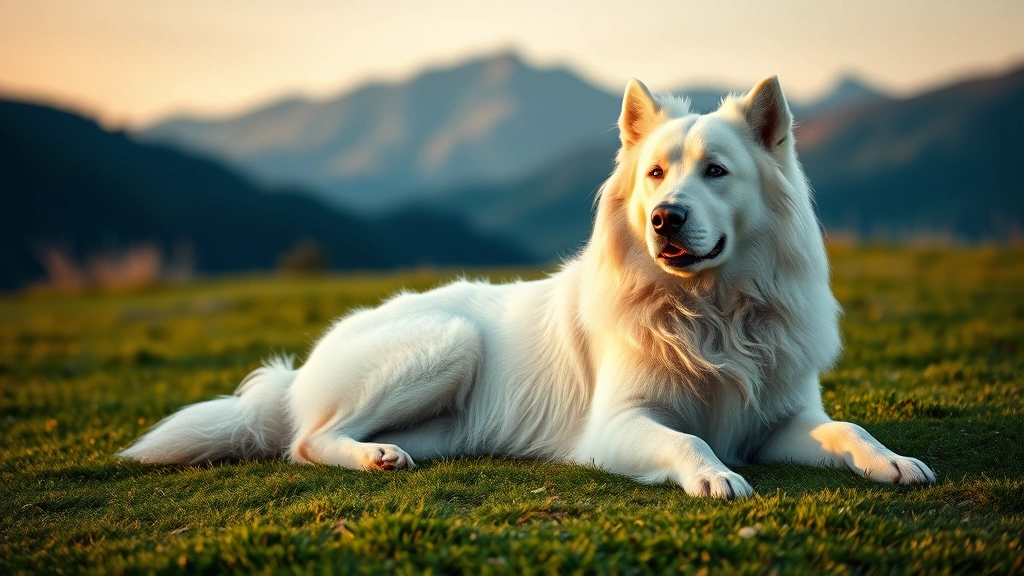
If you want a dog that looks like it could guard a castle (and probably should), the Great Pyrenees is your answer. These massive white fluffy dogs were originally bred to protect livestock in the Pyrenees Mountains, and they take their job seriously. Don’t let their calm demeanor fool you—they’re incredibly loyal and surprisingly gentle despite their imposing size. Great Pyrenees can weigh up to 160 pounds and need plenty of space, but they’re surprisingly lazy indoors. They’re the definition of a “gentle giant” among large white fluffy dog breeds.
The Adorable Bichon Frise: Tiny Cloud of Joy
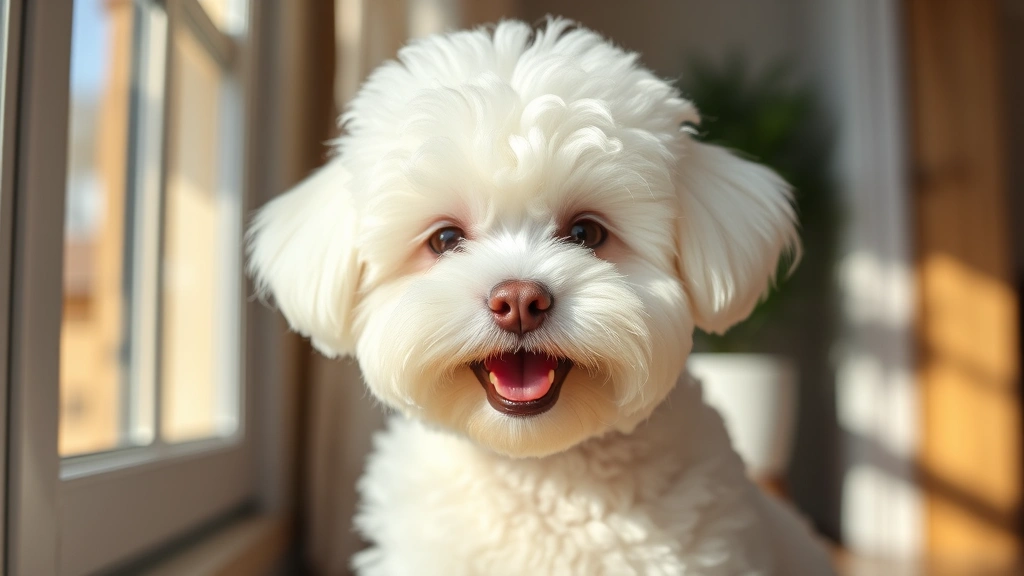
Want all the fluff without the giant dog commitment? The Bichon Frise is your answer. These small, white fluffy dogs have personalities ten times their size. Standing only 9-12 inches tall, Bichons are perfect apartment dogs with big-dog attitudes. They’re hypoallergenic (relatively speaking), incredibly intelligent, and absolutely obsessed with making you laugh. Their coat requires regular grooming to maintain that signature fluffy appearance, but the payoff is a dog that looks perpetually happy. These little puffballs are excellent for families, seniors, and anyone wanting a portable cloud of cuteness.
The Elegant Maltese: Silky Sophistication
If Bichons are cute clouds, Maltese dogs are sophisticated cotton candy. These tiny white fluffy dogs weigh under 7 pounds and have silky, floor-length coats that require dedicated grooming. Maltese pups are gentle, affectionate, and surprisingly brave despite their delicate appearance. They’re perfect lap dogs and excel in apartment living. One thing to note: their white coats can develop tear stains, so regular cleaning and proper nutrition are essential. Check out our pet nutrition advice for tips on maintaining your Maltese’s coat health from the inside out.
The Fluffy Pomeranian: Pint-Sized Personality
Don’t let their toy-sized frame fool you—Pomeranians are confident, curious, and full of personality. These white fluffy dogs (they come in other colors too) have thick double coats that make them look twice their actual size. Weighing just 3-7 pounds, Poms are perfect for city living but need proper socialization to prevent the “small dog syndrome.” They’re surprisingly athletic and love learning tricks, making them excellent candidates for dog shows and competitions. Their fluffy appearance combined with their spirited personality makes them unforgettable companions.
The Doodle Phenomenon: Poodle Mixes
In recent years, white fluffy dog breeds have expanded to include various Doodle mixes—Goldendoodles, Labradoodles, and Cockapoos. These designer dogs combine the intelligence of poodles with the friendliness of their partner breeds. They’re often hypoallergenic or low-shedding, making them ideal for allergy sufferers. The downside? They’re expensive, and their temperament can vary widely depending on breeding. If you’re considering a Doodle, work with reputable breeders and understand that “hypoallergenic” doesn’t mean allergy-free. The Cavachon, a Cavalier King Charles Spaniel and Bichon mix, offers similar benefits with a smaller package—learn more about Cavachon dogs here.
Grooming: The Reality Check
Here’s the truth nobody tells you: white fluffy dogs require serious grooming commitment. Those gorgeous coats don’t maintain themselves. Most white fluffy breeds need professional grooming every 6-8 weeks, plus regular brushing at home (we’re talking 3-4 times weekly). Their white coats show dirt easily and can develop yellowing without proper care. Invest in quality shampoos, conditioners, and grooming tools. If you’re not prepared for this level of maintenance, consider a different breed. It’s better to be honest now than frustrated later.
Health Considerations for White Fluffy Dogs
White-coated dogs, particularly those with blue eyes, can be prone to deafness—a genetic trait linked to coat color. Many white fluffy breeds also suffer from hip dysplasia, ear infections (thanks to floppy ears in some breeds), and skin allergies. Regular veterinary checkups are essential. According to PetMD, white dogs are more susceptible to sun sensitivity, so UV protection and limited sun exposure are important. Maintaining proper nutrition is crucial—check our pet nutrition advice for breed-specific dietary recommendations.
Training and Temperament Traits
Despite their fluffy, innocent appearance, white fluffy dogs have distinct personality types. Samoyeds are independent thinkers who need firm, consistent training. Bichons are eager-to-please and respond well to positive reinforcement. Great Pyrenees are stubborn guardians who think they know better than you. Understanding your breed’s temperament is crucial for successful training. Most white fluffy breeds are intelligent and food-motivated, making clicker training and treat-based rewards highly effective. Socialization from puppyhood ensures they grow into well-adjusted adults.
Exercise and Activity Levels
White fluffy dogs vary wildly in their exercise needs. Samoyeds and Great Pyrenees need significant daily activity, while Bichons and Maltese dogs can meet their needs with short walks and indoor play. Never assume a fluffy dog is lazy—some are marathon runners in disguise. Research your specific breed’s energy levels before committing. Bored fluffy dogs become destructive fluffy dogs, and nobody wants a white poodle that’s shredded your furniture.
Cost Considerations
Let’s talk money. White fluffy dogs aren’t cheap. Quality breeders charge $1,500-$3,500+ for puppies. Add grooming costs ($75-$150 per session), veterinary care, food, and supplies, and you’re looking at a serious investment. Adoption is a budget-friendly alternative—many rescue organizations specialize in fluffy breeds. Whatever route you choose, ensure you can afford proper care for 10-15+ years.
Frequently Asked Questions
Are white fluffy dogs hypoallergenic?
Some are, some aren’t. Bichons and Maltese dogs shed minimally, making them better for allergy sufferers. Samoyeds and Great Pyrenees shed heavily year-round. No dog is truly hypoallergenic—it depends on individual allergies and the specific breed’s coat type.
How often should I bathe my white fluffy dog?
Most white fluffy breeds need bathing every 4-6 weeks, or more frequently if they get dirty. Over-bathing can strip natural oils from their coats, causing dryness and irritation. Use gentle, breed-appropriate shampoos.
What’s the best diet for white fluffy dogs?
High-quality dog food with adequate omega-3 and omega-6 fatty acids promotes healthy coats. Many vets recommend foods rich in chicken, fish, and flaxseed. Our pet nutrition advice provides detailed guidance for specific breeds.
Do white fluffy dogs get along with kids?
Most do, but supervision is essential. Larger breeds like Great Pyrenees and Samoyeds are naturally protective and gentle with children. Smaller breeds can be fragile, so they’re better suited for families with older kids. Always teach children to respect dogs’ boundaries.
What’s the lifespan of white fluffy dogs?
Small breeds like Bichons and Maltese live 12-15+ years. Medium breeds like Samoyeds live 12-14 years. Large breeds like Great Pyrenees live 10-12 years. Proper care, nutrition, and veterinary attention can extend these lifespans significantly.
Conclusion: Finding Your Perfect Fluffy Companion
Dogs that are white and fluffy come in various sizes, temperaments, and care requirements, but they all share one thing: the ability to bring joy and companionship into your life. Whether you choose a majestic Samoyed, a gentle Great Pyrenees, an adorable Bichon Frise, or any other white fluffy dog breed, you’re committing to years of love, laughter, and probably a lot of fur. The key is honestly assessing your lifestyle, living situation, and grooming commitment before bringing one home. These dogs deserve owners who appreciate both their stunning appearance and their wonderful personalities. Do your research, work with reputable breeders or rescues, and prepare for the joy of owning a living, breathing cloud of happiness. Your perfect fluffy companion is waiting—and trust us, they’re absolutely worth the effort.





