
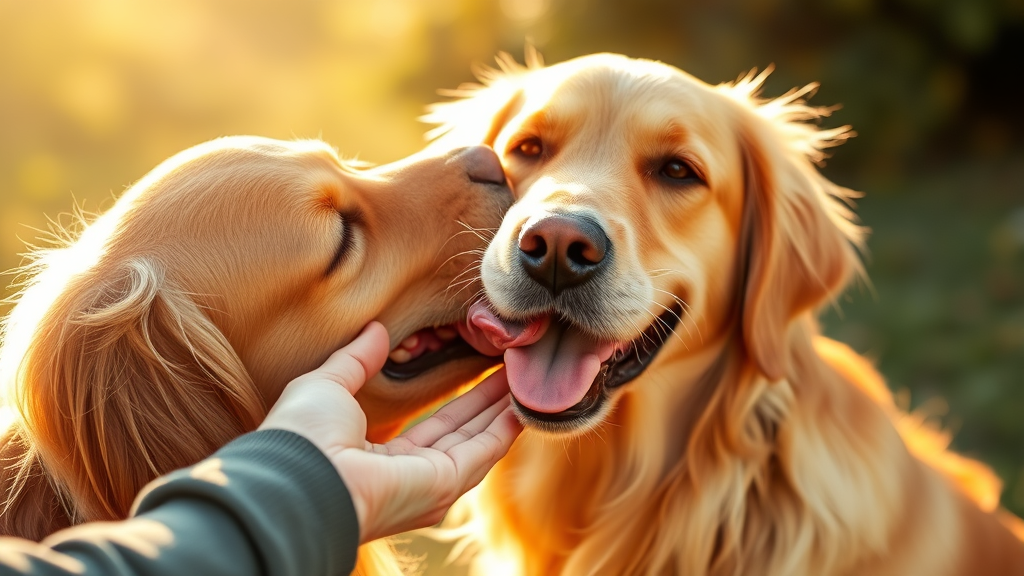
Have you ever wondered why your furry companion seems to have an endless desire to cover you in wet, slobbery kisses? If you’re a dog owner, you’ve likely experienced this behavior countless times – from gentle licks on your hands to enthusiastic face-washing sessions that leave you wondering if your dog thinks you’re perpetually dirty. The truth is, canine licking behavior is far more complex and fascinating than you might imagine.
While it might seem like a simple expression of love, dog licking serves multiple purposes rooted in evolution, psychology, and social bonding. Understanding why your dog can’t stop licking you requires delving into their natural instincts, communication methods, and the intricate ways they perceive and interact with their human family members. From ancestral behaviors passed down through generations to modern-day expressions of affection and attention-seeking, licking is one of the most fundamental ways dogs connect with their world.
Evolutionary Origins of Licking Behavior
To understand why your dog licks you, we need to look back at their wild ancestors. In wolf packs, licking serves crucial survival functions that have been passed down through thousands of years of domestication. Puppies instinctively lick their mother’s face and mouth to stimulate regurgitation of partially digested food – a behavior that ensured their survival when solid food wasn’t readily available.
This ancestral behavior explains why many dogs focus their licking attention on human faces and mouths. Your dog may be exhibiting this deeply ingrained instinct, treating you as a pack member who might provide food or care. The behavior is so fundamental that it appears in puppies as young as two weeks old, before their eyes even open.
Wild canids also use licking as a submissive gesture toward pack leaders, which translates to modern dogs showing deference and respect to their human family members. When your dog licks you, they may be acknowledging your role as the pack leader while simultaneously seeking your approval and attention. This behavior reinforces social hierarchies and maintains pack cohesion, principles that remain relevant in today’s human-dog relationships.
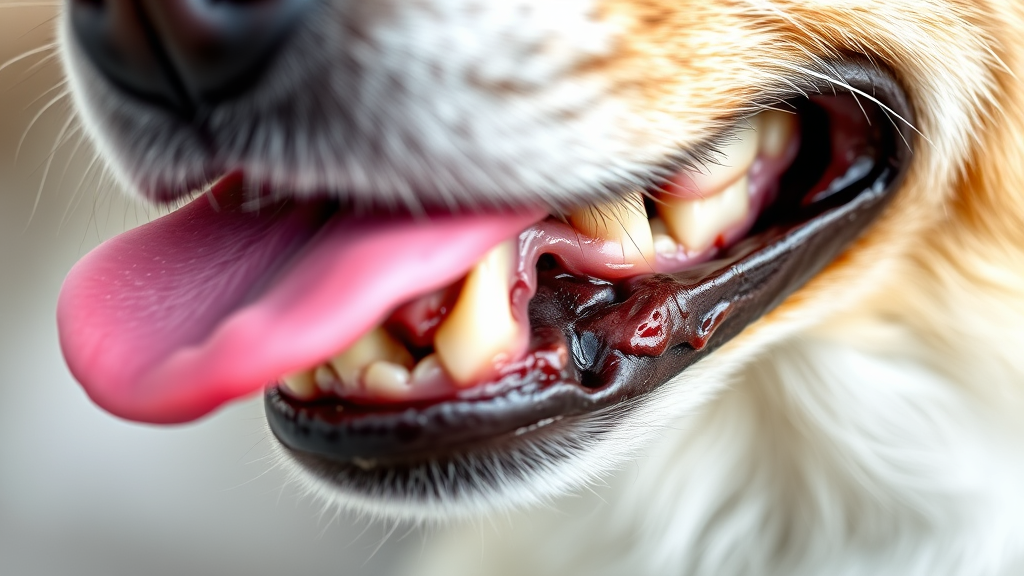
Licking as a Communication Tool
Dogs have a limited vocabulary compared to humans, but they’re incredibly sophisticated communicators through body language and physical actions. Licking serves as one of their primary methods of conveying messages, emotions, and needs to their human companions.
When your dog licks you, they might be trying to communicate various messages: “I love you,” “I need attention,” “I’m hungry,” or “I’m excited to see you.” The context, intensity, and location of the licking often provide clues about what your dog is trying to say. For instance, gentle licks on your hand might indicate affection, while frantic face-licking could signal excitement or anxiety.
Interestingly, dogs also use licking to gather information about you. Their tongues contain sensory receptors that can detect subtle changes in your skin’s salt content, which might indicate stress, illness, or emotional states. This is why some dogs seem to lick more when their owners are upset or unwell – they’re literally tasting your emotional state and responding with comfort behaviors.
The communication aspect becomes more complex when we consider that dogs learn to modify their licking behavior based on human responses. If licking successfully gets them attention, food, or playtime, they’ll continue and potentially intensify this behavior. This creates a feedback loop where licking becomes an increasingly effective communication strategy.
Attention-Seeking and Learned Behaviors
One of the most common reasons dogs develop persistent licking habits is the positive reinforcement they receive from humans. Every time you pet, talk to, or even gently push away your licking dog, you’re providing attention – and attention is exactly what they were seeking.
Dogs are incredibly intelligent creatures who quickly learn which behaviors produce desired outcomes. If licking results in pets, treats, playtime, or even scolding (which is still attention), your dog will continue this behavior. This learned response can become so strong that some dogs develop what appears to be compulsive licking behavior.
The reinforcement doesn’t have to be immediate or consistent to be effective. In fact, intermittent reinforcement – where the behavior is sometimes rewarded and sometimes ignored – can create the strongest behavioral patterns. This explains why some dogs seem to lick more persistently even when owners try to discourage the behavior inconsistently.
Understanding this learned component is crucial for dog owners who want to modify their pet’s licking behavior. The key lies in recognizing that any response to licking, positive or negative, can reinforce the behavior from your dog’s perspective.
Taste and Sensory Motivations
Sometimes the answer to “why does my dog lick me” is surprisingly simple: you taste good to them. Human skin naturally contains salt, oils, and traces of food or lotions that can be appealing to dogs. After exercise, cooking, or applying skincare products, you become an even more interesting sensory experience for your canine companion.
Dogs have fewer taste buds than humans – approximately 1,700 compared to our 9,000 – but they’re particularly sensitive to certain flavors. Salt is especially appealing to dogs, which is why dogs often target feet and hands where salt concentration from sweat tends to be higher.
The texture and temperature of human skin also provide sensory satisfaction for dogs. The warmth of your skin, combined with interesting textures and scents, creates a multi-sensory experience that many dogs find comforting and engaging. This is particularly true for dogs with high sensory needs or those who engage in other oral behaviors like excessive paw licking.
Additionally, dogs may be attracted to residual scents and tastes from your daily activities. If you’ve handled food, applied lotion, or even touched other animals, your dog’s sensitive nose and tongue can detect these traces long after you’ve forgotten about them.

Emotional Bonding and Pack Behavior
Licking plays a fundamental role in canine social bonding, starting from the moment puppies are born. Mother dogs lick their puppies to clean them, stimulate breathing, and strengthen the maternal bond. This early association between licking and love, safety, and care becomes deeply embedded in a dog’s emotional framework.
When your dog licks you, they’re often expressing genuine affection and reinforcing the emotional bond between you. This behavior releases endorphins in both dogs and humans, creating a positive feedback loop that strengthens your relationship. The act of licking can be as satisfying for your dog as receiving belly rubs is for them – it’s a mutually beneficial bonding activity.
Research has shown that dogs who lick their owners frequently often have stronger attachment bonds and higher levels of oxytocin – the “love hormone” that promotes bonding in mammals. This biological response explains why licking can become more frequent during times of separation anxiety or when dogs are seeking comfort and reassurance.
The pack mentality also influences licking behavior. In multi-dog households, you might notice that dogs lick each other as well as their human family members. This behavior helps establish and maintain social hierarchies while promoting group cohesion. Your dog may be treating you as a valued pack member deserving of grooming attention.
Health and Stress-Related Licking
While most licking behavior is normal and healthy, excessive or compulsive licking can sometimes indicate underlying health or psychological issues. Dogs experiencing anxiety, stress, or boredom may develop repetitive behaviors, including excessive licking of humans, themselves, or objects.
Certain medical conditions can also increase licking behavior. Allergies, skin irritations, or gastrointestinal issues might cause dogs to seek comfort through licking. If your dog’s licking behavior has suddenly increased or seems compulsive, it’s worth consulting with a veterinarian to rule out underlying health problems.
Stress-related licking often presents differently from affectionate licking. It may be more frantic, focused on specific body parts, or accompanied by other anxiety symptoms like pacing, whining, or destructive behavior. Dogs experiencing separation anxiety frequently engage in excessive licking as a self-soothing mechanism.
It’s important to note that while dog mouths aren’t necessarily cleaner than human mouths, most licking behavior poses minimal health risks to humans. However, people with compromised immune systems or open wounds should be cautious about allowing dogs to lick them extensively.
Managing Excessive Licking Behavior
If your dog’s licking behavior has become problematic or excessive, there are several strategies you can employ to manage and redirect this behavior effectively. The key is consistency and understanding the underlying motivation behind the licking.
First, avoid inadvertently reinforcing the behavior by giving attention when your dog licks you. Instead, redirect their attention to appropriate activities like toys, puzzle feeders, or training exercises. When your dog approaches to lick, immediately engage them in an alternative behavior and reward that instead.
Establishing clear boundaries is essential. Teach commands like “no lick” or “enough” and consistently enforce these boundaries. Reward your dog when they respect these commands with treats, praise, or the attention they were originally seeking through licking.
Ensuring your dog receives adequate physical exercise and mental stimulation can significantly reduce attention-seeking behaviors, including excessive licking. Bored or under-stimulated dogs often develop repetitive behaviors as outlets for their energy. Interactive toys, regular walks, and training sessions can help address this underlying need.
If the behavior stems from anxiety or stress, addressing the root cause is crucial. This might involve creating a more structured environment, using calming techniques, or in severe cases, consulting with a professional dog trainer or veterinary behaviorist. Just as dogs can develop concerning behaviors like eating inappropriate substances, they can also develop compulsive licking that requires professional intervention.
For dogs who seem to be licking for sensory satisfaction, providing appropriate alternatives can be helpful. Lick mats, frozen treats, or textured toys can satisfy their oral needs without involving human skin. These alternatives can be particularly effective for dogs who enjoy the physical sensation of licking.
Frequently Asked Questions
Is it safe to let my dog lick my face?
While occasional face licking is generally safe for healthy individuals, it’s important to consider hygiene factors. Dogs explore the world with their mouths and may carry bacteria that could potentially cause infections, especially around the eyes, nose, and mouth. People with compromised immune systems, young children, and elderly individuals should be particularly cautious. If you allow face licking, ensure your dog is up to date on vaccinations and dental care.
Why does my dog lick me more than other family members?
Dogs often develop stronger licking preferences based on several factors: who feeds them, spends the most time with them, or provides the most positive responses to licking behavior. Some dogs also prefer certain scents, skin textures, or even the taste of different family members’ skin. Additionally, if you consistently respond to licking with attention or affection, your dog will naturally gravitate toward licking you more frequently than family members who might ignore or discourage the behavior.
When should I be concerned about my dog’s licking behavior?
Excessive licking becomes concerning when it interferes with daily activities, appears compulsive, or is accompanied by other behavioral changes. Signs that warrant professional attention include: licking that causes skin irritation or wounds on you or your dog, sudden increases in licking frequency, licking accompanied by anxiety symptoms, or when the behavior doesn’t respond to training and redirection efforts. Similar to other concerning behaviors like eating inappropriate items, compulsive licking may require veterinary evaluation.
Can I train my dog to stop licking me completely?
While you can significantly reduce licking behavior through consistent training, completely eliminating it may not be realistic or fair to your dog, as licking is a natural form of communication and bonding. Instead, focus on teaching your dog appropriate times and places for licking. You can train commands like “gentle” for lighter licks or “no lick” for times when licking isn’t welcome. The goal should be manageable, appropriate licking rather than complete elimination of this natural behavior.
Do certain dog breeds lick more than others?
Yes, some breeds tend to be more prone to licking behavior due to their genetic predispositions and original purposes. Breeds developed for close human companionship, such as Labrador Retrievers, Golden Retrievers, and many toy breeds, often display more frequent licking behavior. Working breeds and those with strong pack instincts may also lick more as part of their social bonding tendencies. However, individual personality and early socialization experiences often play larger roles than breed alone in determining licking frequency.
Why does my dog seem to know when I’m sad and lick me more?
Dogs are incredibly perceptive and can detect changes in human emotions through multiple senses. They can smell chemical changes in your body that occur with different emotional states, observe changes in your body language and facial expressions, and hear variations in your voice tone. When dogs sense distress, their natural pack instincts often trigger comforting behaviors, including increased licking. This empathetic response demonstrates the deep emotional connection dogs can form with their human companions, similar to how they might respond with concern when they notice other unusual behaviors or changes in their owners.
Is there a difference between puppy licking and adult dog licking?
Puppy licking is often more intense and frequent as it serves multiple developmental purposes: exploring their environment, communicating with their mother and littermates, and learning social boundaries. Puppies also have less impulse control and are still learning appropriate behaviors. Adult dog licking tends to be more purposeful and controlled, often serving specific communication or bonding functions. However, some adult dogs retain puppy-like enthusiasm for licking, especially if the behavior was consistently reinforced during their younger years. Understanding these developmental differences can help owners set appropriate expectations and training goals for different life stages.





