
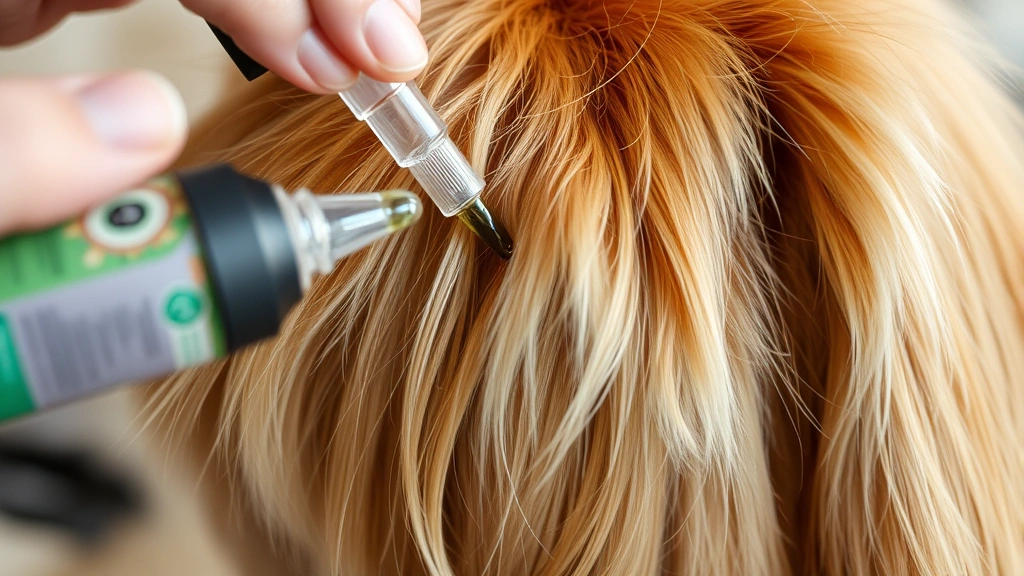
If your pup has been scratching their ears like they’re auditioning for a flea circus, ear drops for dogs might be exactly what you need to bring them relief. Dog ear problems are super common—whether it’s a yeast infection, bacterial buildup, or just plain old ear mites—and finding the right solution can make the difference between a happy, comfortable pooch and one who’s perpetually miserable. Let’s dive into the world of canine ear care and explore five fantastic options that actually work.
Table of Contents
- Why Dogs Get Ear Problems in the First Place
- Understanding Canine Ear Infections and Treatments
- The Top 5 Ear Drops Solutions for Your Furry Friend
- How to Properly Apply Ear Drops to Your Dog
- Prevention: The Best Medicine for Ear Health
- When to Call Your Vet vs. DIY Treatment
- Cost Considerations and Budget-Friendly Options
- Breed-Specific Ear Issues
- Common Mistakes Dog Parents Make
- Frequently Asked Questions
- Summary: Getting Your Dog’s Ears Back on Track
Why Dogs Get Ear Problems in the First Place
Before we talk solutions, let’s understand the enemy. Dogs’ ears are basically nature’s perfect storm for infection. Their ear canals are L-shaped (unlike ours), which means moisture gets trapped like it’s in a cozy little cave. Add floppy ears that don’t get much air circulation, and you’ve got a breeding ground for yeast, bacteria, and parasites. Some breeds are more prone to ear issues than others—looking at you, Cocker Spaniels and Basset Hounds—but honestly, any dog can develop ear problems.
Understanding Canine Ear Infections and Treatments
There are three main types of ear infections in dogs: otitis externa (outer ear), otitis media (middle ear), and otitis interna (inner ear). Most of the time, we’re dealing with otitis externa, which is where topical ear drops for dogs really shine. These infections can be caused by bacteria, yeast, or parasites, and sometimes it’s a combination of all three. Your vet will usually do a quick ear swab to figure out what’s going on before recommending treatment. According to the American Kennel Club, early intervention is key to preventing complications.

The Top 5 Ear Drops Solutions for Your Furry Friend
1. Zymox Enzymatic Ear Solution
Zymox is basically the MVP of over-the-counter ear drops for dogs. This enzymatic solution works without antibiotics or steroids, which makes it great for dogs with sensitive ears or those prone to yeast infections. It contains a unique enzyme system that breaks down the cell walls of bacteria and yeast. You’ll typically use it once daily for 7-14 days, and many dog parents swear by it for maintenance and mild infections. The best part? No messy applicator—just squeeze and let gravity do the work.
2. Vetericyn Plus Antimicrobial Ear Rinse
If your dog’s ears are angry and inflamed, Vetericyn Plus is like sending in the calm-down squad. This solution is hypochlorous acid-based, which means it kills bacteria and yeast without the harsh chemicals. It’s gentle enough for regular cleaning but effective enough to tackle active infections. Many vets recommend it as a preventative measure, especially after swimming or grooming. It’s also great for dogs with allergies, since it doesn’t contain common irritants.

3. Otibiotic Otic Antibiotic and Antifungal Solution
When you need the big guns, Otibiotic is a prescription-strength option that combines neomycin, polymyxin B, and hydrocortisone. This triple-threat formula handles bacterial infections, fungal infections, and inflammation all at once. Your vet will prescribe this when over-the-counter options aren’t cutting it. Apply it twice daily, and you’ll usually see improvement within 3-5 days. It’s particularly effective for bacterial ear infections in dogs.
4. Tresaderm Otic Solution
Another prescription option, Tresaderm, is the go-to when you’ve got a mixed infection (bacteria AND yeast). It contains thiabendazole, dexamethasone, and neomycin, making it effective against multiple pathogens. The dexamethasone helps reduce inflammation quickly, so your pup gets relief faster. It’s typically used twice daily, and most dogs show improvement within a week. If your dog has had previous ear issues, your vet might recommend keeping this on hand for flare-ups.
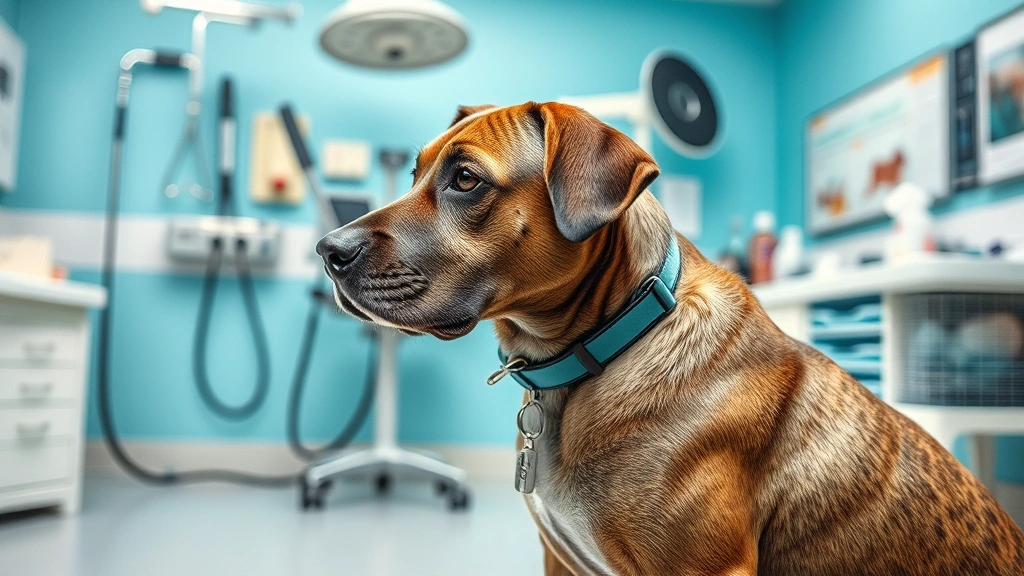
5. Natural Alternatives: Apple Cider Vinegar and Coconut Oil
For the holistic crowd, some dog parents swear by diluted apple cider vinegar (1:1 ratio with water) or coconut oil as maintenance drops. While these aren’t replacements for veterinary treatment of active infections, they can help prevent issues and maintain ear health. Coconut oil has natural antimicrobial properties, and the acidity of apple cider vinegar creates an environment where yeast and bacteria struggle to thrive. Just remember: these are preventative measures, not treatments for active infections. If your dog has a real ear problem, you’ll need actual medication from your vet.
How to Properly Apply Ear Drops to Your Dog
Here’s where most people mess up: they don’t apply the drops correctly. First, get your dog in a comfortable position—lying on their side works great. Gently pull the ear flap up and back to straighten the ear canal. Squeeze the recommended number of drops into the ear canal (not just on the ear flap—that’s basically useless). Now here’s the magic part: massage the base of the ear in circular motions for about 30 seconds. This helps the drops work their way down into the canal. Let your dog shake their head (they will, trust me), and wipe away any excess with a cotton ball. Do this once or twice daily as directed by your vet.

Prevention: The Best Medicine for Ear Health
An ounce of prevention is worth a pound of ear drops, my friend. Keep your dog’s ears dry—especially after swimming or baths. Use a cotton ball to gently dry the inside of the ear flaps. Regular ear cleaning with a vet-approved solution can work wonders, especially for dogs prone to issues. Check out our guide on using witch hazel on dogs for a natural cleaning option. Trim excess hair around the ear canal if your dog’s breed allows it, and monitor for early signs of problems like head shaking, scratching, or odor.
When to Call Your Vet vs. DIY Treatment
Not every ear issue requires a vet visit, but some definitely do. If your dog has excessive discharge, bleeding, severe swelling, or signs of pain, get to the vet immediately. If the problem persists after two weeks of treatment, or if it keeps coming back, your vet needs to investigate. Sometimes recurring ear issues indicate allergies or other underlying problems that need addressing. Check out our article on when to call the vet about food for more guidance on veterinary care decisions. According to PetMD, chronic ear infections can lead to serious complications if left untreated.
Cost Considerations and Budget-Friendly Options
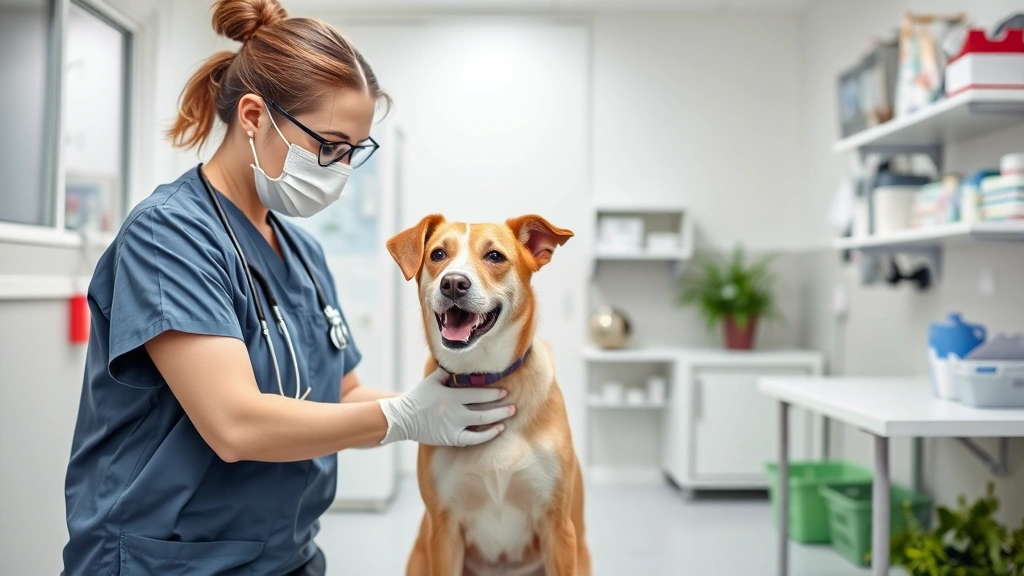
Prescription ear drops can get pricey, especially if your dog is prone to recurring infections. Over-the-counter options like Zymox are usually $15-25 per bottle and can last weeks. Prescription options run $30-60 depending on your vet and the specific medication. If cost is a concern, talk to your vet about generic alternatives or ask about bulk discounts. Prevention through regular cleaning is also way cheaper than treating infections repeatedly. Many pet insurance plans cover ear treatments, so check your policy.
Breed-Specific Ear Issues
Some breeds are basically walking ear infection waiting rooms. Floppy-eared breeds like Cocker Spaniels, Basset Hounds, and Poodles need extra ear maintenance. Dogs with narrow ear canals or those prone to allergies are also high-risk. If you own one of these breeds, consider regular preventative ear cleaning and monthly check-ups during warm, humid months when infections spike. Your vet can recommend a maintenance routine tailored to your dog’s specific needs.

Common Mistakes Dog Parents Make
Stop these habits right now: Don’t use human ear drops on your dog—their pH is different. Don’t skip the massage step after applying drops; it’s crucial for effectiveness. Don’t assume all ear problems are the same; what works for your friend’s dog might not work for yours. Don’t wait too long to seek help; early treatment prevents complications. And please, don’t stick anything deep into your dog’s ear canal—you could damage the eardrum. If you’re unsure about anything, schedule a virtual vet consultation to get professional guidance.
Frequently Asked Questions
Can I use over-the-counter ear drops without seeing a vet?
For mild cases or maintenance, yes—many OTC options work great. But if it’s your dog’s first ear infection or symptoms are severe, get a vet’s diagnosis first. They need to know what they’re treating to recommend the right solution.

How long does it take for ear drops to work?
You should see improvement within 3-7 days of starting treatment. If there’s no change after a week, or if things get worse, call your vet. Some infections need prescription-strength medication.
Are natural ear drops as effective as prescription ones?
Natural options are great for prevention and maintenance, but they’re not substitutes for prescription medication during active infections. Use them as preventative care, not treatment.

Why does my dog keep getting ear infections?
Recurring infections often indicate underlying issues like allergies, food sensitivities, or structural ear problems. Your vet might need to do additional testing to find the root cause.
Can ear mites be treated with regular ear drops?
Some OTC drops help with mites, but prescription treatments are usually more effective. Your vet can confirm if mites are the issue and recommend the best treatment.
Summary: Getting Your Dog’s Ears Back on Track
Ear problems are frustrating for both you and your pup, but the good news is that ear drops for dogs are highly effective when you choose the right product and use it correctly. Whether you go with enzymatic solutions like Zymox, prescription options like Otibiotic, or preventative natural alternatives, the key is consistency and proper application. Don’t ignore early warning signs, don’t skip the massage step, and when in doubt, ask your vet. With the right approach, you’ll have your dog’s ears healthy and itch-free in no time. Your furry friend will thank you with fewer scratches and more happy head tilts.





