
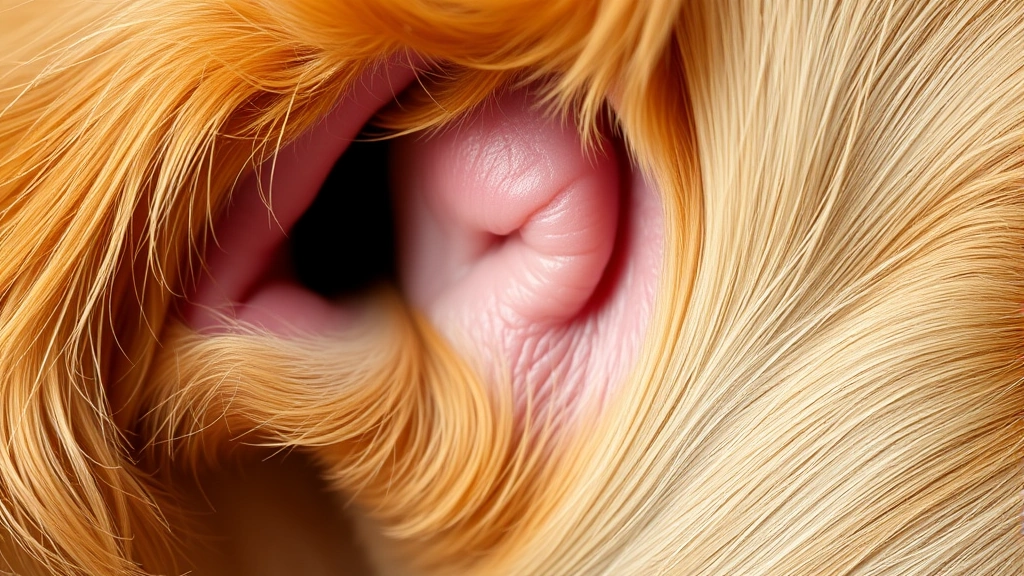
If your dog keeps scratching their ears like they’re auditioning for a heavy metal band, there’s a good chance they’ve got an ear infection in dogs—one of the most common reasons pet parents end up at the vet’s office. The good news? Most ear infections are totally treatable, and some can even be managed at home with the right approach. Let’s dive into what causes these pesky infections, how to spot them, and exactly how to get your furry friend’s ears back to normal.
Table of Contents
- What Causes Ear Infections in Dogs?
- Signs Your Dog Has an Ear Infection
- Method 1: Professional Veterinary Cleaning and Medication
- Method 2: At-Home Ear Cleaning and Maintenance
- Method 3: Addressing Underlying Allergies and Diet
- Method 4: Environmental Management and Moisture Control
- Method 5: Supplements and Natural Support
- When to Seek Emergency Veterinary Care
- Prevention: The Best Medicine
- The Role of Professional Groomers and Ear Maintenance
- Understanding Chronic vs. Acute Ear Infections
- Frequently Asked Questions
- Conclusion: Taking Action Against Ear Infections
What Causes Ear Infections in Dogs?
Before we talk about curing an ear infection, you need to understand what’s actually happening in there. Canine ear infections usually fall into three categories: bacterial, yeast, or parasitic. The most common culprit? Yeast infections, which thrive in warm, moist environments—basically the perfect breeding ground if your pup has floppy ears or loves swimming.
Several factors can increase your dog’s risk of developing otitis (that’s the fancy vet term for ear inflammation). Allergies are a huge one—whether food allergies or environmental ones. Dogs with long, droopy ears like Cocker Spaniels or Basset Hounds are more prone to infections because air doesn’t circulate well inside their ear canals. Moisture is another major player; if your dog loves water or has ear wax buildup, you’re looking at a potential infection waiting to happen.
Other risk factors include ear mites (especially in puppies), foreign objects lodged in the ear, or underlying skin conditions. Some breeds are just genetically predisposed to ear problems, so if you’ve got a floppy-eared friend, you might need to be extra vigilant.
Signs Your Dog Has an Ear Infection
Your dog can’t exactly tell you their ears hurt, so you need to watch for telltale signs. The most obvious? Excessive scratching, head shaking, or that adorable head tilt that’s actually a sign of discomfort. You might also notice a foul odor coming from the ears—trust me, you’ll know it when you smell it.

Look inside the ear flap. A healthy ear should be pale pink and relatively clean. If you see redness, swelling, or dark discharge (which could be wax, pus, or debris), that’s your cue to call the vet. Some dogs develop crusty or scaly skin around the ear, while others might have visible discharge that looks waxy or gunky. In severe cases, your pup might experience balance issues or hearing loss, which means the infection has spread deeper into the ear structure.
Don’t ignore these symptoms. Untreated ear infections can become chronic and lead to permanent hearing damage or require surgical intervention. Early detection is your best friend here.
Method 1: Professional Veterinary Cleaning and Medication
Let’s be real—if your dog’s ear infection is moderate to severe, a vet visit isn’t optional; it’s necessary. Your veterinarian will perform an otoscopic examination to see inside the ear canal and determine whether you’re dealing with bacteria, yeast, or mites. They might also take a sample for culture testing to identify exactly what’s causing the problem.
Once diagnosed, your vet will likely recommend a professional ear cleaning using specialized equipment and solutions. This isn’t the same as wiping the outer ear at home—they’re flushing out all the gunk and debris from deep inside the canal. After cleaning, they’ll prescribe medicated ear drops or ointments specifically formulated to kill the infection-causing organism.

Most ear medications need to be applied for 7-14 days, sometimes longer. Your vet will show you the proper technique, which usually involves filling the ear canal with medication and massaging the base of the ear to work it in. Follow the instructions exactly—stopping early is a common reason infections come back stronger.
Method 2: At-Home Ear Cleaning and Maintenance
Once your vet gives the green light, you can help prevent future infections with regular at-home ear cleaning. Grab some dog-specific ear cleaning solution (never use hydrogen peroxide or alcohol—they can damage the delicate ear tissue) and cotton balls or gauze pads.
Here’s the process: Saturate a cotton ball with the cleaning solution, gently wipe the visible parts of the ear, and use a fresh cotton ball for each pass. For deeper cleaning, you can squirt a small amount of solution into the ear canal and let it sit for a minute, then gently wipe away the loosened debris. Never stick anything deep into the ear canal—you could rupture the eardrum.
The frequency depends on your dog’s susceptibility. Dogs prone to infections might need weekly cleanings, while others only need monthly maintenance. Ask your vet for a personalized schedule. This is also a great opportunity to check for early signs of problems, so you catch infections before they become serious.

Method 3: Addressing Underlying Allergies and Diet
Here’s something most people don’t realize: chronic ear infections are often a symptom of a bigger problem. If your dog keeps getting ear infections despite treatment, allergies are usually the culprit. Food allergies and environmental allergies both increase inflammation in the ears, making them more susceptible to infection.
Talk to your vet about allergy testing or an elimination diet. Common food allergens for dogs include chicken, beef, wheat, and corn. Switching to a limited ingredient diet or novel protein diet can work wonders for some dogs. You might also consider checking out What Not to Feed Your Dog to understand dietary triggers better.
Omega-3 fatty acids are your friend here too. Adding fish oil supplements or feeding foods rich in omega-3s can reduce inflammation throughout your dog’s body, including their ears. A healthy immune system is your best defense against recurring infections, so don’t underestimate the power of proper nutrition in preventing ear problems.
Method 4: Environmental Management and Moisture Control
If your dog loves swimming or gets baths regularly, moisture is probably contributing to their ear infections. After water exposure, take a cotton ball and gently dry the inside of the ear flap. You can also use a dog ear drying solution (available at pet stores) which helps evaporate water trapped in the canal.

Consider using ear plugs or cotton balls coated with petroleum jelly during baths to keep water out. Some groomers offer ear drying services after bathing, which is worth the investment if your pup is prone to infections. During humid months or in tropical climates, you might need to be extra vigilant about keeping ears dry.
Also, keep your dog’s ear hair trimmed if they have long hair growing inside the ear canal. This improves air circulation and reduces moisture buildup. If your dog has excessive ear wax, regular cleaning helps prevent it from trapping moisture and creating the perfect environment for infections.
Method 5: Supplements and Natural Support
While supplements aren’t a replacement for veterinary care, they can support your dog’s immune system and reduce ear inflammation. Probiotics specifically formulated for dogs can help maintain healthy ear flora and prevent pathogenic bacteria from taking hold. Look for multi-strain formulas with at least 5-10 billion CFU per serving.
Apple cider vinegar is a popular home remedy—some people dilute it with water and use it as an ear rinse—but check with your vet first since it can irritate damaged tissue. Coconut oil has mild antimicrobial properties and can soothe irritated ears when applied topically, though it’s not a cure on its own.

Quercetin is a natural antihistamine that can help if allergies are driving the infections. Turmeric (curcumin) has anti-inflammatory properties that might help reduce ear inflammation. Always consult your vet before starting supplements, especially if your dog is on medications, since some supplements can interact with prescriptions.
When to Seek Emergency Veterinary Care
Most ear infections can wait for a regular vet appointment, but some situations require urgent attention. If your dog is showing signs of severe pain, balance problems, or discharge that looks like it contains blood or pus, get to a vet immediately. Ruptured eardrums and middle ear infections are serious conditions that need prompt treatment.
If your dog has had an ear infection for more than two weeks despite treatment, or if they keep getting recurring infections every few weeks, that’s also a signal to seek professional help. Your vet might need to do additional testing or refer you to a veterinary dermatologist. Don’t wait it out hoping it’ll resolve on its own—chronic infections only get worse and more expensive to treat.
Prevention: The Best Medicine
The saying goes that an ounce of prevention is worth a pound of cure, and that’s absolutely true for canine ear infections. Regular ear checks should be part of your monthly grooming routine—just peek inside and look for redness, odor, or discharge. Keep ears clean and dry, especially after water exposure or exercise in humid conditions.

Feed your dog a high-quality diet that supports immune health and reduces inflammation. If your pup has allergies, work with your vet to manage them effectively. Keep the ear canal area trimmed and ensure good air circulation. And yes, those regular vet checkups matter—your veterinarian can catch early signs of ear problems before they become infections.
For dogs prone to ear issues, some vets recommend using preventative ear solutions weekly or bi-weekly during high-risk seasons. This is especially helpful for dogs who swim frequently or live in humid climates. It’s a small investment that can save you hundreds in vet bills and your dog a lot of discomfort.
The Role of Professional Groomers and Ear Maintenance
Professional groomers who work with dogs regularly can spot ear problems early and help maintain healthy ears. They know how to properly clean ears, trim excess hair, and pluck hair from inside the canal if needed. If you’ve got a breed with floppy ears or hair-filled ear canals, regular groomer visits (every 4-8 weeks) can be incredibly valuable for prevention.
Your groomer should also be able to recommend products and techniques specific to your dog’s ear type. They might suggest medicated shampoos if your dog has skin allergies contributing to ear infections, or recommend Bland Diet Recipes for Sick Pets if dietary changes are needed to support recovery.

Understanding Chronic vs. Acute Ear Infections
Acute ear infections come on suddenly and are usually caused by a specific trigger—maybe your dog went swimming or got something stuck in their ear. These typically respond well to treatment and resolve quickly. Chronic ear infections, on the other hand, are recurring or persistent problems that indicate an underlying condition needs addressing.
If your dog has chronic otitis, your vet will want to investigate the root cause. Is it allergies? A skin condition? Structural issues with the ear canal? Once you identify the underlying problem, you can actually solve the issue instead of just treating symptoms. This might involve dietary changes, allergy management, or even surgery in severe cases where the ear canal has become permanently damaged or stenosed (narrowed).
Frequently Asked Questions
How long does it take to cure an ear infection in dogs?
Most acute ear infections respond to treatment within 7-14 days of starting medication. However, you should continue treatment for the full prescribed duration even if symptoms improve, as stopping early can lead to recurrence. Chronic infections might take several weeks or months to fully resolve, especially if underlying allergies need management.
Can I treat my dog’s ear infection at home without seeing a vet?
For mild cases with no discharge or odor, you might try at-home cleaning and monitoring for a few days. However, if symptoms persist beyond 3-4 days or worsen, professional diagnosis is essential. Most infections require prescription medication to cure effectively, and attempting home treatment alone risks the infection becoming chronic or causing permanent damage.

What’s the difference between ear mites and bacterial ear infections?
Ear mites cause intense itching and typically produce dark, crumbly discharge that looks like coffee grounds. Bacterial infections usually cause redness, swelling, and often a foul odor. Yeast infections often smell yeasty and cause dark, waxy discharge. Only a vet can definitively diagnose which type your dog has, and treatment differs accordingly.
Are certain dog breeds more prone to ear infections?
Absolutely. Dogs with floppy ears like Cocker Spaniels, Basset Hounds, and Beagles are much more susceptible due to poor air circulation in their ear canals. Dogs with hair-filled ears and those with allergies are also at higher risk. If you have a prone breed, preventative care is especially important.
Can ear infections in dogs cause hearing loss?
Yes, if left untreated or in severe cases, ear infections can cause permanent hearing damage. Middle ear infections are particularly concerning, as they can damage the delicate structures involved in hearing. This is why prompt treatment is so important—catching infections early prevents complications.
What should I do if my dog’s ear infection keeps coming back?
Recurring infections indicate an underlying problem that needs investigation. Work with your vet to identify potential causes: allergies, skin conditions, structural ear issues, or environmental factors. You might also consider consulting a veterinary dermatologist for chronic cases, as they specialize in these recurring problems.

Conclusion: Taking Action Against Ear Infections
An ear infection in dogs might seem like a minor issue, but it can cause serious discomfort and lead to complications if ignored. The good news is that with the five methods we’ve covered—professional veterinary care, at-home cleaning, allergy management, moisture control, and supportive supplements—you have multiple tools to tackle the problem.
Start with a vet visit if you suspect an infection. Get a proper diagnosis, follow treatment instructions precisely, and then implement preventative measures to stop it from happening again. Address any underlying allergies, keep those ears clean and dry, and monitor your dog regularly. Most importantly, don’t wait and hope it goes away on its own.
Your dog’s comfort and health depend on you catching problems early and taking action. With the right approach, ear infections are highly treatable, and your pup can get back to enjoying life without the constant itch and discomfort. If you’re dealing with a stubborn case, don’t hesitate to seek a second opinion or specialist referral—your dog deserves to have healthy, happy ears.
For additional guidance on supporting your dog’s overall health during recovery, check out Telehealth Advice for Pet Poisoning and Emergency Vet for Food Poisoning for comprehensive pet care resources.





