
Finding the right canine companion for your household is one of the best decisions you’ll make, and excellent family dogs come in all shapes, sizes, and temperaments. Whether you’ve got rambunctious toddlers, teenagers who need a hiking buddy, or you’re just looking for a loyal friend to curl up on the couch with, there’s a perfect pup out there waiting for you. This guide breaks down 10 of the most reliable, affectionate, and kid-friendly breeds that consistently earn their spot as family favorites.
Table of Contents
- What Makes a Dog Great for Families?
- Golden Retrievers: The All-American Family Champion
- Labrador Retrievers: The Energetic Best Friend
- Beagles: Small but Mighty Family Companions
- Bulldogs: Gentle Giants with Wrinkly Personalities
- Collies: The Intelligent Protectors
- Poodles: The Intelligent, Hypoallergenic Option
- Spaniels: The Enthusiastic Playmates
- Boxers: The Playful Protectors
- Catahoula Leopard Dogs: The Unique Family Option
- Mixed Breeds and Shelter Dogs: Hidden Gems
- Preparing Your Home for an Excellent Family Dog
- Training and Socialization: Keys to Success
- Nutrition and Health: Investing in Longevity
- Frequently Asked Questions
- Conclusion: Finding Your Perfect Family Companion
What Makes a Dog Great for Families?
Before we dive into specific breeds, let’s talk about what separates the truly excellent family dogs from the rest of the pack. The best family dogs share a few key traits: patience with kids, moderate to high energy levels that match active households, trainability, and a naturally friendly disposition. They’re forgiving when a toddler pulls their tail, enthusiastic about family activities, and generally adaptable to different living situations. Size matters too—some families prefer smaller lap dogs, while others want a larger protector. The key is matching the dog’s energy and temperament to your family’s lifestyle.
Golden Retrievers: The All-American Family Champion
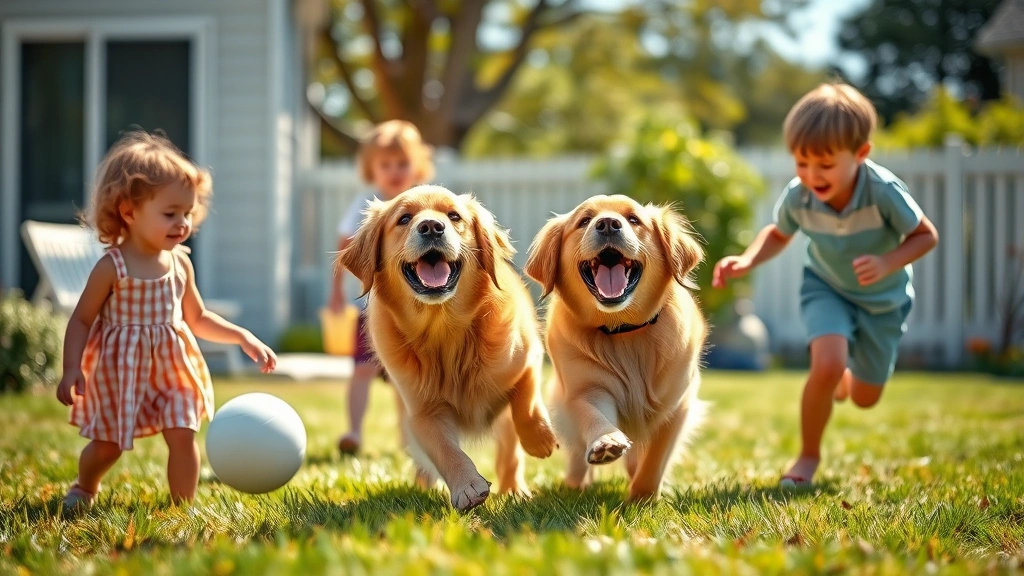
Let’s start with the obvious choice: Golden Retrievers consistently rank as one of the most popular excellent family dogs for good reason. These gentle giants are practically synonymous with family fun. They’re intelligent, eager to please, and have an almost supernatural ability to sense when someone needs comfort. Golden Retrievers love water, fetch, and basically any activity that involves being near their humans. They’re excellent with children of all ages and typically get along great with other pets. The trade-off? They shed like it’s their job and require regular exercise and grooming. But if you don’t mind a little fur tumbleweeds rolling through your living room, a Golden Retriever might be your perfect match.
Labrador Retrievers: The Energetic Best Friend
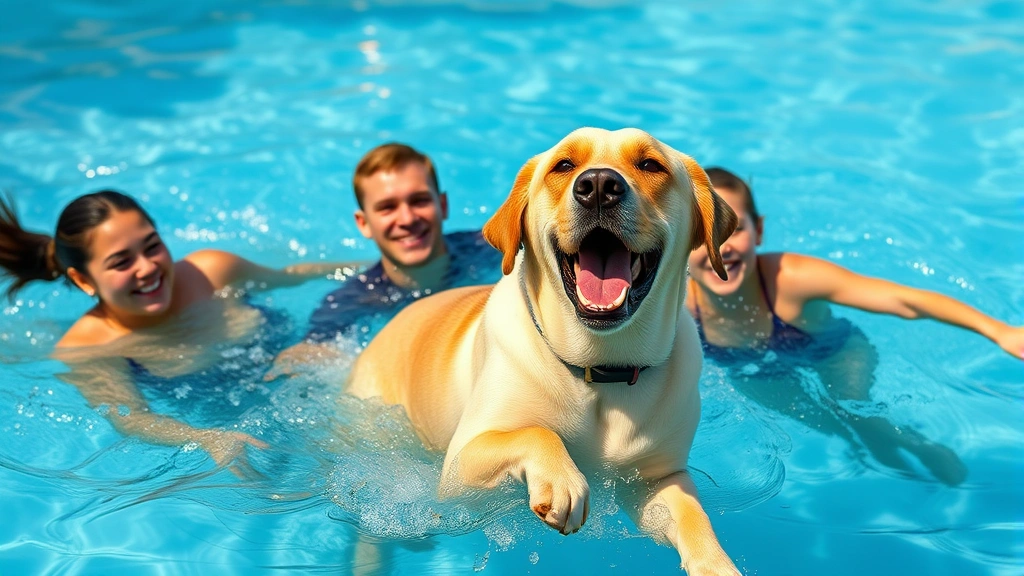
Labs are basically the Golden Retriever’s slightly more hyperactive cousins, and they’re absolutely brilliant family dogs. These athletic, playful pups have seemingly unlimited energy and enthusiasm for life. They’re patient with kids, love being part of family activities, and are incredibly food-motivated (which makes training a breeze). Labs come in three colors—black, yellow, and chocolate—and they’re all equally lovable. They need plenty of exercise and mental stimulation, so they’re perfect for active families. Like Goldens, they shed considerably and can be a bit clumsy when young, but their goofy personality makes up for knocked-over lamps.
Beagles: Small but Mighty Family Companions
If you’re looking for excellent family dogs but don’t have room for a 70-pound retriever, Beagles are an outstanding option. These compact hounds are curious, playful, and surprisingly sturdy for their size. Beagles are great with children and have a merry, easygoing temperament. They’re also relatively low-maintenance grooming-wise compared to many breeds. The catch? Beagles have a strong prey drive and a nose that can lead them into trouble—they’ll follow a scent right out of your yard if given the chance. They also have a distinctive baying howl that neighbors might not appreciate. But if you’re prepared for their independent streak and can provide secure fencing, Beagles make wonderful family members. For nutrition tips, check out our guide on can dogs eat chicken to keep your Beagle healthy.
Bulldogs: Gentle Giants with Wrinkly Personalities
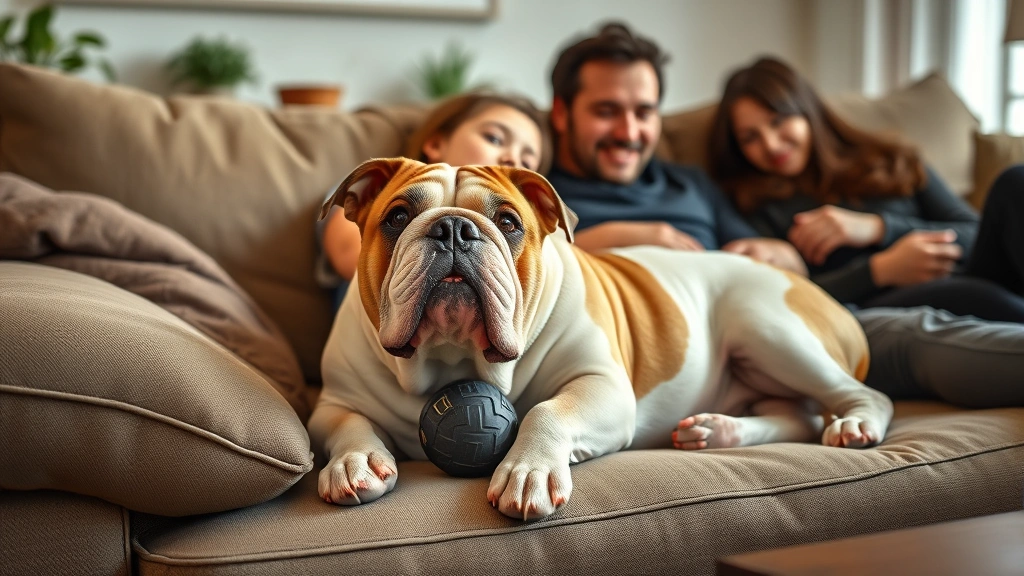
Don’t let their intimidating appearance fool you—Bulldogs are among the sweetest, most laid-back excellent family dogs you’ll find. These stocky, wrinkly companions are patient, affectionate, and surprisingly lazy. They’re excellent with children and have a calm demeanor that makes them perfect for families with younger kids. Bulldogs don’t require extensive exercise (short walks are plenty), making them ideal for apartment living or less active households. The downside? They can be stubborn, require regular facial wrinkle cleaning, and are prone to health issues due to their flat faces. They also snore like a chainsaw and drool occasionally. But if you want a dog that’s content to be a couch potato and shower your family with affection, a Bulldog might be your dream dog.
Collies: The Intelligent Protectors
Made famous by Lassie, Collies are intelligent, loyal, and genuinely protective of their families without being aggressive. These medium-to-large dogs excel at understanding commands and are naturally attuned to their humans’ emotions. Collies thrive on being part of family activities and are excellent with children. They’re athletic enough for hiking and outdoor adventures but also content with daily walks. Their long, beautiful coats require regular brushing, but many families consider grooming time a bonding opportunity. Collies can be sensitive, so harsh training methods don’t work well—they respond best to positive reinforcement and gentle guidance.
Poodles: The Intelligent, Hypoallergenic Option
Poodles come in three sizes (Standard, Miniature, and Toy), making them adaptable to various living situations. They’re among the most intelligent dog breeds and excel at training, making them perfect for first-time dog owners. Poodles are athletic, playful, and genuinely enjoy being part of family activities. Their curly coats are hypoallergenic and shed minimally, which is a huge bonus for families with allergies. However, their coats require professional grooming every 4-6 weeks, which can be pricey. Poodles also need mental stimulation and regular exercise to prevent boredom-related behavior issues. If you’re willing to invest in grooming and training, a Poodle makes an excellent family companion.
Spaniels: The Enthusiastic Playmates
Both Cocker and Springer Spaniels are fantastic excellent family dogs that combine athleticism with affection. These medium-sized dogs were originally bred as hunting companions, so they have natural enthusiasm and drive. Spaniels are eager to please, highly trainable, and genuinely love being around their families. They’re excellent with children and other pets, and their moderate size makes them manageable for most households. They do require regular exercise and mental stimulation, and their floppy ears need regular cleaning to prevent infections. Their medium-length coats require regular brushing but aren’t as demanding as Poodles. Spaniels are the perfect choice for active families who want a dog that’s both athletic and affectionate.
Boxers: The Playful Protectors
Boxers are muscular, energetic dogs with surprisingly goofy personalities. Despite their intimidating appearance, they’re gentle with children and make excellent family dogs. These loyal companions are protective without being aggressive, and they form incredibly strong bonds with their families. Boxers are playful, intelligent, and respond well to training. They need regular exercise and mental stimulation to stay happy, making them perfect for active families. Their short coats are easy to maintain, requiring only occasional brushing. The main consideration is their size and strength—they can accidentally knock over small children during enthusiastic greetings, so supervision with young kids is important. For anxious dogs or those needing behavioral support, explore our calming foods for anxious pets guide.
Catahoula Leopard Dogs: The Unique Family Option
If you want something a bit different, the Catahoula Leopard Dog personality offers a distinctive blend of loyalty, intelligence, and athleticism. These Louisiana natives are versatile, energetic, and deeply devoted to their families. Catahoulas are excellent with children and make wonderful family dogs for households that can provide plenty of exercise and mental engagement. Their unique appearance—often featuring striking coat patterns and distinctive eye colors—makes them conversation starters at the dog park. They require experienced owners who can provide firm, consistent leadership, but they reward dedication with unwavering loyalty and protection.
Mixed Breeds and Shelter Dogs: Hidden Gems
We can’t discuss excellent family dogs without mentioning the incredible mixed breeds and shelter dogs waiting in rescues across the country. Many shelter dogs are already housetrained, past the destructive puppy phase, and incredibly grateful for a second chance. Mixed breeds often have fewer genetic health issues than purebreds, and shelter staff can help match you with a dog whose energy level and temperament fit your family perfectly. Adopting a shelter dog is often more affordable than purchasing a purebred puppy, and you’ll be saving a life. Some of the most loving, loyal family companions come from shelters—you just need to look.
Preparing Your Home for an Excellent Family Dog
Once you’ve chosen your breed, preparing your home is crucial. Puppy-proof your space by removing toxic plants, securing electrical cords, and storing chemicals safely. Invest in quality food and water bowls, a comfortable bed or crate, and age-appropriate toys. Establish a routine for feeding, exercise, and bathroom breaks. Consider healthy snack alternatives for dogs to keep training treats nutritious. Most importantly, establish clear rules and expectations from day one. Dogs thrive with consistency and structure, and setting boundaries early prevents behavioral problems down the road.
Training and Socialization: Keys to Success
The best excellent family dogs are well-trained and properly socialized. Enroll your puppy in obedience classes as soon as your vet gives the okay (usually around 16 weeks). Socialization—exposing your dog to different people, places, and experiences—is critical during the first few months of life. A well-socialized dog is confident, less fearful, and better equipped to handle new situations. Training doesn’t stop after puppyhood either; ongoing mental stimulation and reinforcement of commands keep dogs engaged and well-behaved throughout their lives.
Nutrition and Health: Investing in Longevity
Feeding your family dog high-quality nutrition is one of the best investments you can make. Look for foods with named meat proteins and avoid those with excessive fillers. Different breeds and life stages have different nutritional needs, so consult with your vet about the best diet for your specific dog. Regular veterinary check-ups, vaccinations, and preventative care are essential. Some breeds are prone to specific health issues—hip dysplasia in large breeds, for example—so understanding your breed’s potential health concerns helps you catch problems early. Consider sustainable dog food options that support both your dog’s health and environmental responsibility.
Frequently Asked Questions
What’s the best family dog for apartments?
Smaller breeds like Bulldogs, Beagles, and Toy Poodles adapt well to apartment living. The key is choosing a dog with moderate exercise needs and a calm temperament. Even larger dogs can thrive in apartments if they get sufficient exercise and mental stimulation.
Are excellent family dogs good with babies?
Many breeds are excellent with babies, including Golden Retrievers, Labs, and Bulldogs. However, no dog should ever be left unsupervised with a baby. Proper introduction, training, and ongoing supervision are essential for safety and building a positive relationship.
How much exercise do family dogs need?
Exercise needs vary by breed. Small breeds like Beagles might need 30-45 minutes daily, while larger, athletic breeds like Labs require 60-90 minutes or more. Mental stimulation through training and puzzle toys is equally important.
What’s the average lifespan of family dog breeds?
Small breeds typically live 12-18 years, while larger breeds usually live 8-12 years. Mixed breeds often live longer than purebreds. Proper nutrition, exercise, and veterinary care significantly impact longevity.
Can I train an adult dog to be a family pet?
Absolutely! Adult dogs are often easier to train than puppies because they have more impulse control and longer attention spans. Many shelter dogs make wonderful family companions with proper training and patience.
What should I look for in a breeder?
Choose breeders who health-test their breeding dogs, provide health guarantees, and allow you to meet the parents. Reputable breeders are happy to answer questions and provide references from previous buyers.
Conclusion: Finding Your Perfect Family Companion
Excellent family dogs come in many varieties, from energetic Labradors to laid-back Bulldogs, intelligent Poodles to unique Catahoulas. The best choice depends on your family’s lifestyle, living situation, and preferences. Whether you choose a purebred puppy or adopt a shelter dog, the investment in training, socialization, and proper care pays dividends in loyalty, companionship, and unconditional love. Take time to research breeds, meet dogs in person, and honestly assess your family’s ability to meet a dog’s needs. With the right match and commitment, your family dog will become an irreplaceable member of your household, creating memories that last a lifetime. The journey of finding and raising an excellent family dog is one of life’s greatest adventures.





